What Do Termites Look Like on a House: Uncover the Hidden Dangers
Termites can cause serious damage to your home. But what do they look like?
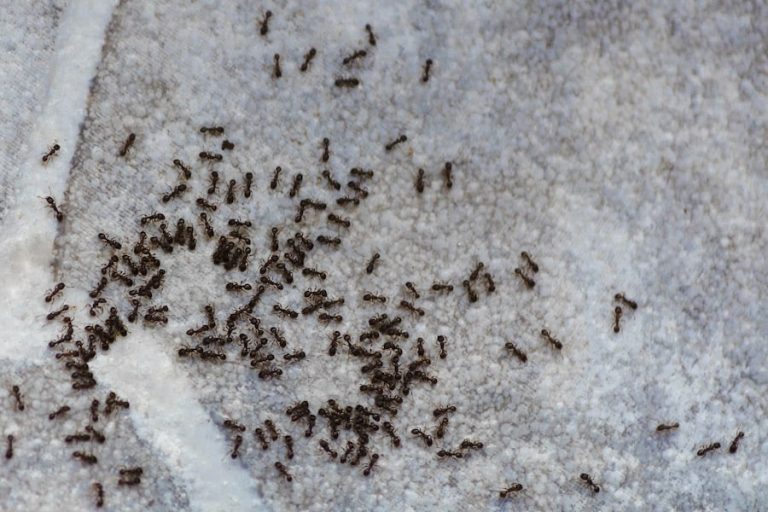
Spotting termites early can save you a lot of trouble. These tiny pests can wreak havoc without you even noticing. Understanding what termites look like on your house is crucial. In this guide, we will help you identify them. Termites are often mistaken for ants, but they have distinct features.
Knowing these differences will help you spot them quickly. Stay informed and protect your home from potential damage. Let’s dive into the details and learn how to recognize these destructive insects.
Credit: abctermite-pest.com
Identifying Termites
Identifying termites is crucial for protecting your home. These tiny insects can cause significant damage. Knowing what they look like helps in early detection. This guide will help you identify termites effectively.
Physical Characteristics
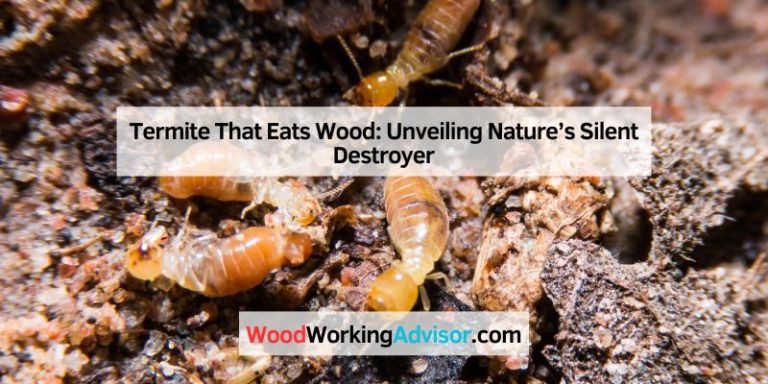
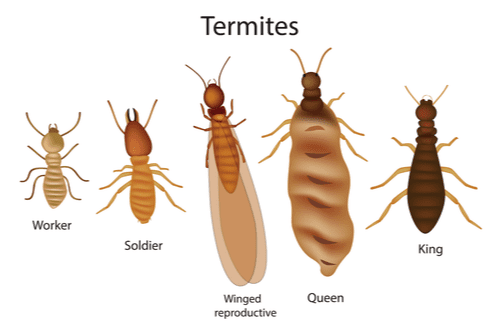
Termites are small, usually between 1/4 and 1/2 inch long. They have soft bodies and straight antennae. Their color ranges from white to light brown. Winged termites, called swarmers, have two pairs of wings. These wings are of equal length.
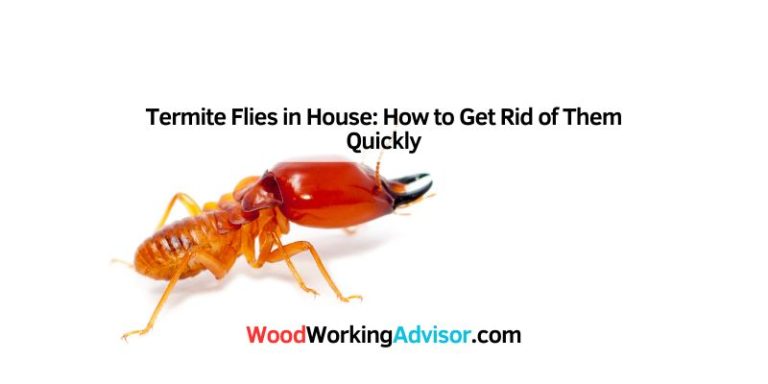
Worker termites are white or light-colored. They are responsible for building and maintaining the colony. Soldier termites have large jaws and defend the colony. They are often larger and have darker heads.
Common Species
There are several common species of termites. Subterranean termites live in the soil. They build mud tubes to access wood. These termites are the most destructive.
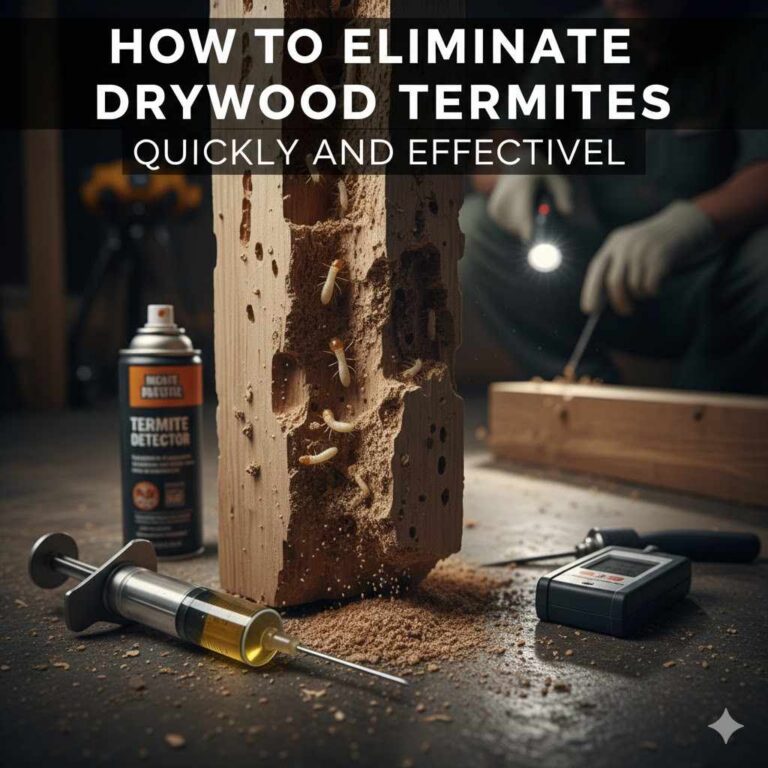
Drywood termites live inside wood. They do not need soil contact. They are often found in dry, above-ground wood structures. Dampwood termites prefer moist wood. They are less common and usually found in damp areas.
Knowing the common species helps in identifying the type of infestation. This is crucial for effective treatment.
Credit: smarterpestcontrol.com
Signs Of Infestation
Termites can be a homeowner’s worst nightmare. They silently destroy wooden structures. Identifying the signs of infestation early can save your home. Let’s explore the key indicators of a termite problem.
Visible Damage
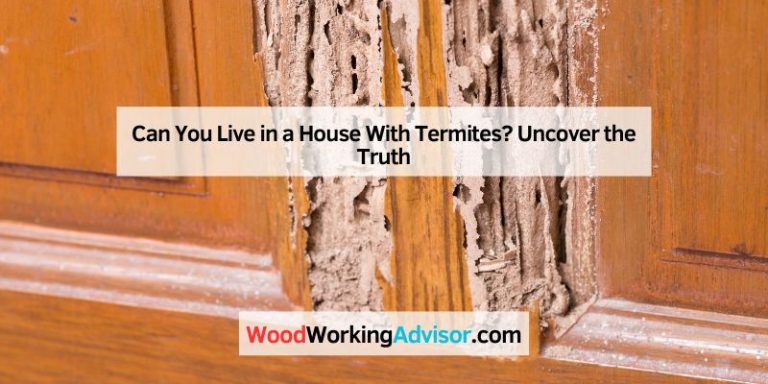
One of the most obvious signs of termites is visible damage. Look for hollowed or damaged wood. You might see buckling wood or swollen floors. Tap on wood surfaces. If they sound hollow, termites may be inside.
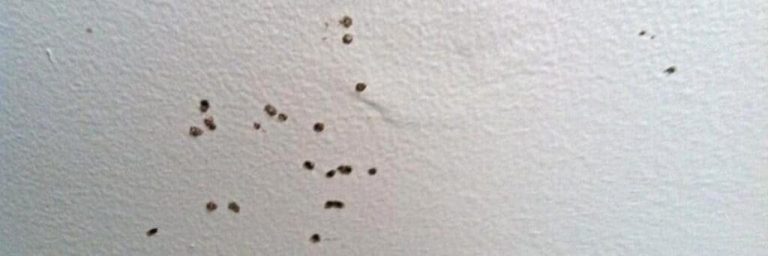
Other indicators include peeling paint that resembles water damage. Termites create tiny holes in wood. Check for these holes on walls and ceilings. You might also notice discolored or drooping drywall.
Mud Tubes
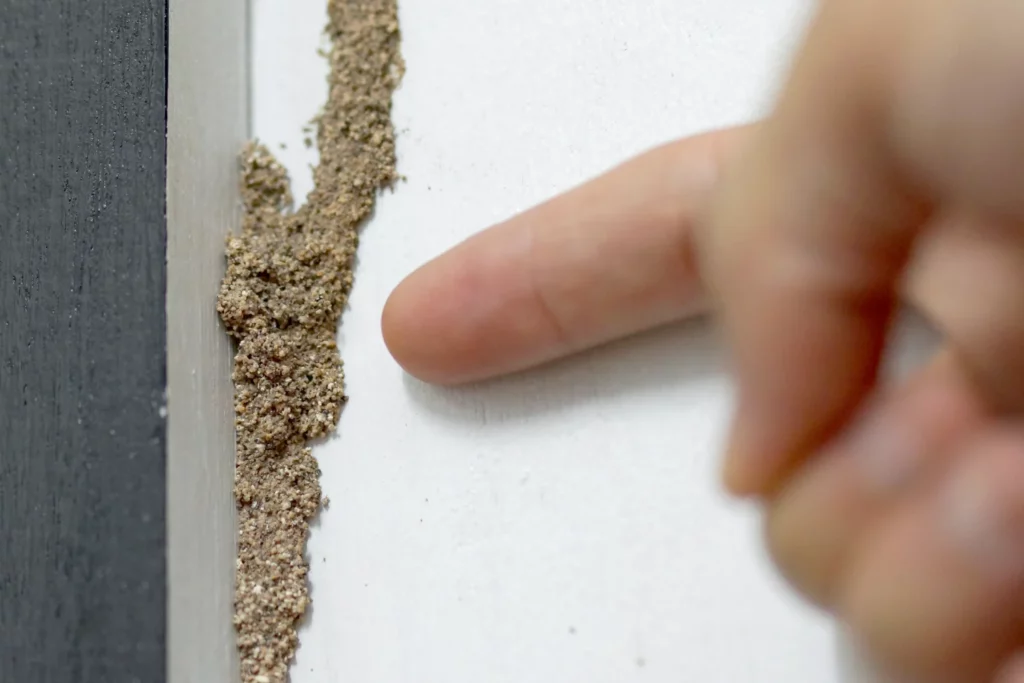
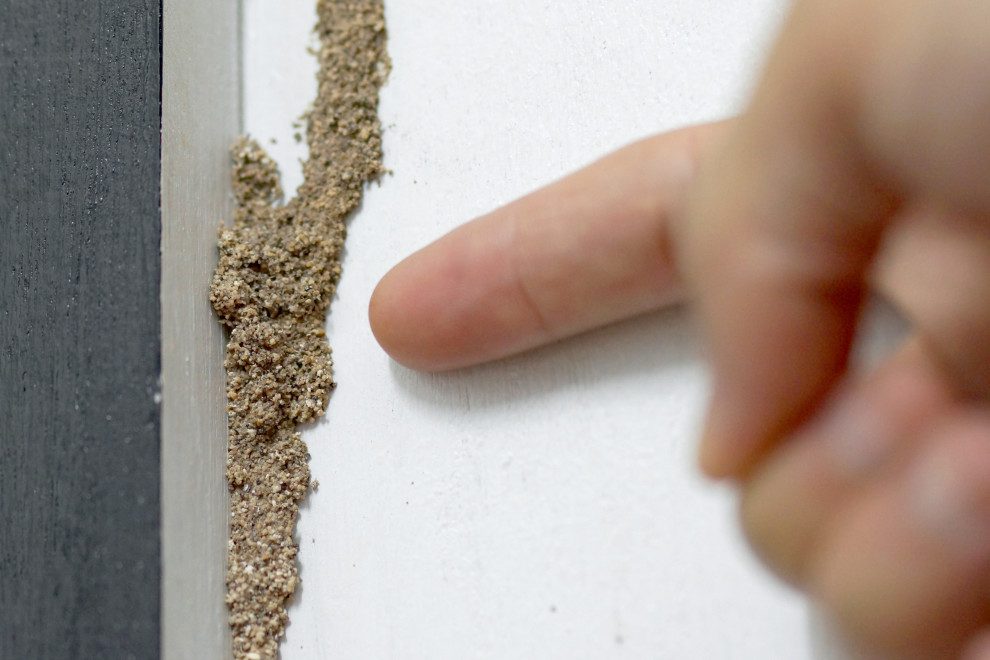
Termites build mud tubes to travel from their colony to food sources. These tubes protect them from predators and keep moisture in. You can spot mud tubes on exterior walls, foundations, or crawl spaces. They look like small, brown tunnels made from soil and wood particles.
Break open a mud tube to check for active termites. If you see live termites inside, it’s time to call a professional. Mud tubes can be as thin as a pencil or as thick as a finger. Check your home regularly for these signs.
Termite Habitats
Termites are sneaky creatures that can wreak havoc on your home. Understanding their habitats is key to spotting them early. Termites live in both indoor and outdoor areas. Below, we break down their preferred habitats.
Indoor Areas
Indoors, termites often hide in wood structures. They love wooden beams, floors, and furniture. Look for them in the attic, basement, or crawl spaces. These places are usually dark and damp. Perfect for termites.
- Wooden beams
- Floors
- Furniture
- Attic
- Basement
- Crawl spaces
Termites also target wooden walls and ceilings. Small holes and sawdust are telltale signs. You may also see mud tubes. These are like tunnels that termites build for traveling.
Outdoor Areas
Outdoors, termites prefer moist soil. They build their nests underground or in dead trees. Look around your yard for signs of termite activity.
| Outdoor Area | Signs of Termites |
|---|---|
| Soil | Mud tubes |
| Dead trees | Wood damage |
| Wood piles | Saw dust |
| Mulch | Small holes |
Check fences, wooden decks, and even garden sheds. These are hot spots for termites. Regular inspections can help prevent infestations.
Life Cycle Of Termites
The life cycle of termites is a fascinating process that goes through several stages. Understanding these stages can help you identify and manage termite infestations in your home. Let’s explore the life cycle of termites in detail.
Egg Stage
The life of a termite begins as an egg. Termite eggs are tiny, about the size of a poppy seed. They are usually white or translucent. The queen termite lays thousands of eggs in her lifetime. These eggs are kept in a protected nest, away from predators. The egg stage lasts for a few weeks before hatching into nymphs.
Nymph Stage
Once the eggs hatch, nymphs emerge. Nymphs are immature termites that look like smaller versions of adult termites. During this stage, they molt several times, shedding their exoskeleton. Each molt brings them closer to adulthood. Nymphs can develop into workers, soldiers, or reproductive termites, depending on the colony’s needs.
Adult Stage
In the adult stage, termites take on specific roles within the colony. Worker termites are responsible for foraging and building tunnels. Soldier termites defend the colony from predators. Reproductive termites, also known as alates, leave the colony to start new ones. They have wings and are responsible for mating and laying eggs. The adult stage is crucial for the survival and expansion of the termite colony.
Common Entry Points
Termites can cause serious damage to your house. They often enter through specific places. Understanding these entry points can help you protect your home. Here are some of the most common entry points for termites:
Foundation Cracks
Termites often enter through cracks in the foundation. They can squeeze through tiny gaps. Foundation cracks provide easy access to wooden structures inside your home. Regularly inspect your foundation for any signs of damage.
Here are some tips to prevent termite entry through foundation cracks:
- Seal any visible cracks promptly.
- Use termite-resistant materials for repairs.
- Keep the area around your foundation dry.
Wooden Structures
Termites are attracted to wood. Wooden structures in your home can be a major entry point. This includes wooden doors, window frames, and even wooden siding.
To protect wooden structures from termites:
- Use treated wood in construction.
- Keep wood away from soil contact.
- Regularly inspect wooden structures for signs of termite damage.
By understanding these common entry points, you can take steps to prevent termite infestations. Regular inspections and prompt repairs are key.
Preventive Measures
Termites can cause significant damage to your home. Knowing how to prevent them is crucial. Implementing some preventive measures can save you from costly repairs. Below are essential tips to keep your home termite-free.
Regular Inspections
Inspect your home regularly. Early detection is key to preventing termite damage. Check the foundation, walls, and wooden structures. Look for mud tubes, discarded wings, and damaged wood. Use a flashlight for dark areas.
| Inspection Area | Signs of Termites |
|---|---|
| Foundation | Cracks, mud tubes |
| Walls | Hollow sounds, damaged paint |
| Wooden Structures | Softwood, holes |
Moisture Control
Termites thrive in moist environments. Controlling moisture in and around your home can deter them. Fix any leaks in your plumbing. Ensure your gutters and downspouts work properly. Keep the soil around your foundation dry.
- Repair leaking faucets and pipes.
- Ensure proper drainage around the house.
- Use dehumidifiers in damp areas.
Keep your home well-ventilated. Especially in basements and attics. Proper ventilation reduces humidity levels, making your home less attractive to termites. Install vents and fans where needed.
Treatment Options
Termites can wreak havoc on your house. They eat wood and weaken structures. To save your home, you need to treat the termites. Below are some treatment options.
Chemical Treatments
Chemical treatments are common. Professionals use liquid termiticides. These chemicals are placed in the soil around your home. They form a barrier. Termites cannot cross it. This keeps them out of your house.
Bait systems are another option. They use poisoned bait to kill termites. The bait is placed in the ground. Termites eat it and share it with their colony. This kills many termites at once.
Non-chemical Alternatives
Non-chemical treatments are also available. One option is heat treatment. Professionals heat your house to a high temperature. This kills the termites. It is effective and safe for humans.
Another method is using nematodes. These are tiny worms. They eat termites. You can buy them and release them into the soil. They seek out and destroy termite colonies.
Orange oil can also be used. It is a natural pesticide. It kills termites on contact. It is safe for humans and pets.
Credit: extension.msstate.edu
Hiring Professionals
Hiring professionals to deal with termite infestations in your house is crucial. Termites can cause serious damage if not addressed promptly. Professionals possess the necessary tools and expertise to handle these pests effectively.
When To Call An Expert
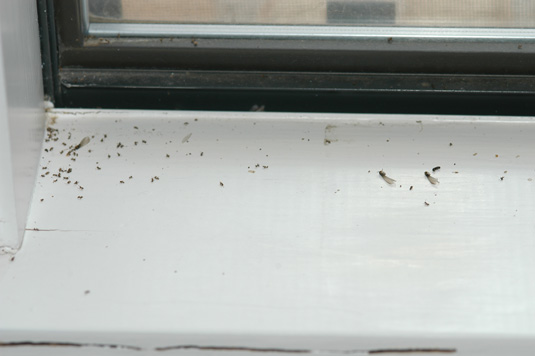
It is important to recognize the signs of a termite infestation early. Mud tubes on walls, hollow-sounding wood, and discarded wings are common indicators. If you notice any of these signs, it is time to call an expert. Professionals can assess the situation accurately and recommend appropriate action.
Choosing A Pest Control Service
Choosing the right pest control service is essential for effective termite management. Consider the following factors:
- Experience: Look for a company with years of experience in termite control.
- Certifications: Ensure the company has certified professionals.
- Reviews: Check customer reviews and testimonials.
- Methods: Inquire about the methods they use for termite control.
- Guarantee: Ask if they offer a satisfaction guarantee or warranty.
| Factor | Details |
|---|---|
| Experience | Look for companies with extensive experience in termite control. |
| Certifications | Ensure the professionals are certified and trained. |
| Reviews | Read customer reviews to gauge their service quality. |
| Methods | Inquire about the techniques used for termite treatment. |
| Guarantee | Check if they provide a satisfaction guarantee or warranty. |
Frequently Asked Questions
How Do You Determine If You Have Termites In Your House?
Look for discarded wings, mud tubes, or wood damage. Check for hollow-sounding wood and small holes. Schedule a professional inspection.
What Do Indoor Termites Look Like?
Indoor termites are small, white to light brown insects with straight antennae and soft bodies. They measure about 1/4 to 1/2 inch long.
Are Termites Visible To The Human Eye?
Yes, termites are visible to the human eye. They are small, usually ranging from 1/8 to 1 inch long.
What Does The Start Of Termites Look Like?
Termites start as tiny, white or light-colored insects. They resemble ants but have straight antennae and thick waists.
Conclusion
Termites cause significant damage to homes. Recognize their presence early. Look for signs like mud tubes and discarded wings. Inspect wooden structures regularly. Prevent infestations with proper maintenance. Seek professional help if needed. Protect your home from these destructive pests.
Stay vigilant and proactive. Early detection saves money and stress. Your home’s safety depends on it. Learn more about termite prevention and keep your property secure. Stay informed and act quickly.