Wooden Decking Calculator NZ: Simplify Your Deck Planning
Building a wooden deck is an exciting project. It adds beauty and value to your home. But how do you know how much wood you need? This is where a wooden decking calculator comes in handy. Especially for those in New Zealand, it is essential to use a calculator that considers local standards and measurements.
What is a Wooden Decking Calculator?
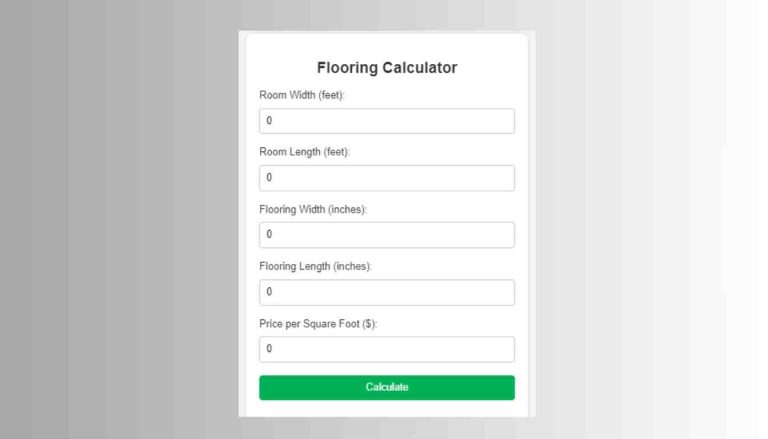
A wooden decking calculator is a tool. It helps you figure out how much wood you need for your deck. This tool takes into account the size of your deck and the type of wood you plan to use. Using a calculator ensures you buy the right amount of materials. This can save you time and money.
Why Use a Wooden Decking Calculator in NZ?
Using a calculator in New Zealand is important. It ensures you follow local building codes and standards. New Zealand has unique weather conditions. These can affect the type and amount of wood you need. A local calculator considers these factors.
Choosing the Right Decking Timber for an NZ Deck
The species and treatment level you plug into a decking calculator changes both how many boards you need and what the job costs, so it helps to know your options before you start measuring.
H3.2 Treated Pine
H3.2 treated pine is the standard choice for above-ground deck boards, joists and bearers in New Zealand. The treatment protects the timber from fungal decay and borer in exposed, outdoor conditions where it isn’t in direct contact with the ground. It’s widely available, comes in standard board widths of 90mm and 140mm, and is the most budget-friendly decking timber on the market — most decking calculators default to it for that reason.
H4 Treated Timber
Any timber that sits in or close to the ground — piles, posts, and the bottom of bearers in low-clearance decks — needs the higher H4 hazard rating. H4 treatment carries a heavier retention of preservative than H3.2, because ground contact means constant moisture and a much higher decay risk. Mixing up H3.2 and H4 in the wrong spot is a common and costly framing mistake, so check the hazard class stamped on each piece of timber before it goes into the ground.
Kwila (Vitex) and Macrocarpa
Kwila, also sold as vitex, is a dense, naturally durable hardwood that’s long been a favourite for New Zealand decks. It doesn’t need chemical treatment, machines to a rich red-brown finish, and holds up well outdoors — but it costs noticeably more per lineal metre than treated pine and will bleed reddish tannins onto light-coloured paving if it isn’t sealed before the first rain. Macrocarpa is a NZ-grown softwood prized for its natural good looks and reasonable in-ground durability without chemical treatment, though it still benefits from an oil or sealer to slow weathering and should be factored in at a mid-range price point between treated pine and kwila.
Steps to Use a Wooden Decking Calculator in NZ
Follow these simple steps to use a wooden decking calculator:
- Measure the Area
- Select the Type of Wood
- Enter the Measurements
- Review the Results
Step 1: Measure The Area
First, measure the area where you want to build your deck. Use a tape measure to get the length and width. Write these numbers down. This is the first step in using the calculator.
Step 2: Select The Type Of Wood
Next, choose the type of wood you want to use. Different types of wood have different properties. Some are more durable. Others are more affordable. Make sure to choose wood that suits your needs.
Step 3: Enter The Measurements
Now, enter the measurements into the calculator. Most calculators have simple fields to fill in. Enter the length and width of your deck. Then, select the type of wood.
Step 4: Review The Results
Finally, review the results. The calculator will tell you how much wood you need. It will also give you an estimate of the cost. Make sure to double-check your measurements. This ensures accuracy.
The Maths Behind the Numbers: How Area and Board Quantity Are Worked Out
It helps to understand what a decking calculator is actually doing behind the scenes, so you can sanity-check the result before you place an order.
Working Out Deck Area
Deck area in square metres is simply length (m) multiplied by width (m). If your deck isn’t a simple rectangle — an L-shape, or a deck that steps around a corner of the house — split the shape into rectangles, work out the area of each one separately, and add the totals together.
Working Out How Many Boards You Need
Once you know the area, board quantity comes down to coverage width. Each board’s real “footprint” on the deck is its face width plus the drainage gap next to it — for example, a 140mm board with a 5mm gap covers 145mm of deck width per row. Divide your deck’s width by that coverage figure to get the number of board rows, then divide the deck’s length by your board length (allowing for any join) to work out how many lengths make up each row. Multiply rows by lengths-per-row, and add a waste allowance of around 10% for cutting, offcuts, and mistakes.
Worked Example: A 4m x 3m Deck
Take a straightforward 4m long by 3m wide deck (12m² total) running boards across the 3m width, using standard 140mm boards laid with a 5mm gap (145mm coverage per row):
- Number of rows: 3,000mm ÷ 145mm ≈ 21 rows
- Board length needed per row: 4m, so one 4.8m board per row covers it with a small trim-off
- Boards required before waste: 21 boards
- With a 10% waste allowance: 21 × 1.1 ≈ 24 boards
At roughly NZD $18–$25 per 4.8m length of H3.2 treated pine (prices vary by region and supplier), that puts board material alone somewhere around $430–$600 for this size of deck, before joists, bearers, piles, fixings, and any hardwood or composite upgrade.
Benefits of Using a Wooden Decking Calculator
There are many benefits to using a wooden decking calculator:
- Accuracy
- Cost Savings
- Time Efficiency
- Environmental Benefits
Accuracy
A calculator gives you accurate measurements. This reduces waste and ensures you buy the right amount of wood.
Cost Savings
Knowing the exact amount of wood you need helps you budget. You won’t spend money on extra materials.
Time Efficiency
Using a calculator saves time. You don’t have to manually calculate the amount of wood needed.
Environmental Benefits
Reducing waste is good for the environment. Using the right amount of wood minimizes the impact on forests.
NZ Building Code Basics That Affect Your Deck Plan
A decking calculator sizes the boards, but the framing underneath it has to satisfy New Zealand’s building standards — mainly NZS 3604, the timber-framed buildings standard referenced by the Building Code.
Joist Spacing: 450mm vs 600mm Centres
Joist spacing is usually set at either 450mm or 600mm centres, and the right spacing depends on your decking board’s thickness and species — thinner boards or lower-stiffness timber need the tighter 450mm spacing to avoid a bouncy, springy feel underfoot, while thicker or stiffer boards can often span the wider 600mm centres. Always check the span table for the specific board thickness you’ve chosen rather than assuming 600mm centres will work everywhere.
Pile and Bearer Spacing
Pile spacing is driven by the bearer size sitting on top of it and the load the deck needs to carry — bigger bearers or wider joist spans generally allow piles to be spaced further apart, but going by feel instead of a proper span table is one of the fastest ways to end up with an under-supported deck.
Handrails and Building Consent (H1.2)
Under the NZ Building Code, a deck, platform, or balcony more than 1 metre above the ground typically needs a barrier or handrail at least 1 metre high to prevent falls — this is the H1.2 clause most homeowners run into. Decks over roughly 1.5m high, or those that involve significant structural work, will usually also need a building consent from your local council, so it’s worth checking with them before you finalise your board order.
Common Decking Mistakes That Throw Off Your Calculations
- Undersizing the joists. Choosing a joist size based on cost rather than the actual span and spacing table leads to a deck that flexes or sags over time.
- Ignoring the drainage gap. Skipping the 3–5mm gap between boards traps water against the timber, accelerates rot, and throws off your board-count maths because it changes each board’s real coverage width.
- Using the wrong fasteners. Modern treated timber uses copper-based preservatives that corrode standard steel or plain galvanised screws and nails over time. Use stainless steel or hot-dip galvanised fixings rated for treated timber contact.
- Forgetting the waste allowance. Ordering the exact calculated board count with nothing extra leaves no room for a bad cut, a knot you need to work around, or a board that arrives damaged.
- Mixing up H3.2 and H4 timber. Using above-ground H3.2 timber for posts or piles that sit in the ground shortens the structure’s life significantly, even though the boards look identical at the timber yard.
Where to Find a Wooden Decking Calculator in NZ
There are many online tools available. Some popular options include:
- Bunnings
- Mitre 10
- PlaceMakers
These websites offer reliable calculators. They also provide helpful guides and tips.
Frequently Asked Questions
What Is A Wooden Decking Calculator?
A tool to estimate materials and costs for building a wooden deck.
How Do I Use A Decking Calculator?
Input deck dimensions and material type to get an estimate.
Why Use A Decking Calculator In NZ?
It helps budget accurately and reduces waste.
What Factors Affect Decking Cost?
Deck size, wood type, and labor rates.
What Joist Spacing Should I Use For A Deck In NZ?
450mm or 600mm centres, depending on your decking board’s thickness and species — check the span table for your specific board before deciding.
Do I Need A Building Consent For A Deck In NZ?
Usually yes for decks over about 1.5m high or with significant structural work — check with your local council before you order materials.
How Much Waste Allowance Should I Add To My Board Order?
Around 10% on top of the calculated board count, to cover cuts, offcuts, and any damaged boards.
Conclusion
Building a wooden deck is a rewarding project. Using a wooden decking calculator makes the process easier. It ensures accuracy, saves time, and reduces costs. Make sure to use a calculator that considers New Zealand’s unique conditions. This will help you build a beautiful and durable deck.
Sponsored / affiliate links. As an Amazon Associate I earn from qualifying purchases. I may earn additional commission from eligible campaigns.