What Does It Look Like When You Have Termites: Expert Insights
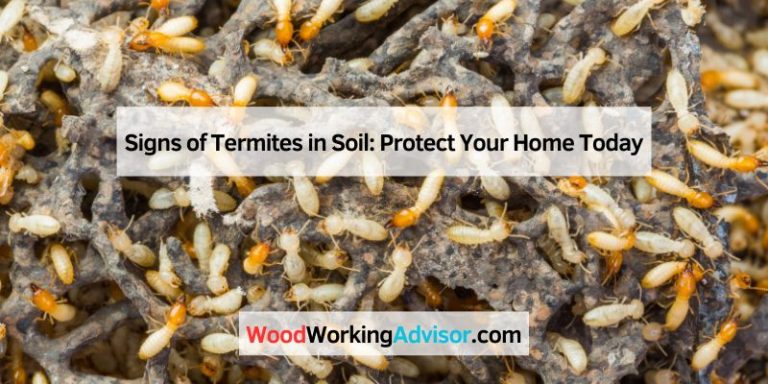
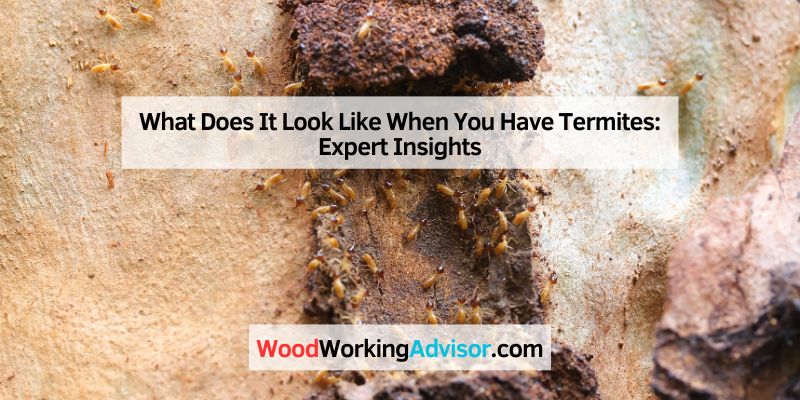
Termites are small insects that can cause big problems. They often hide in walls, floors, and furniture, making them hard to detect.
Wondering if you have termites? Identifying these pests early is crucial to prevent damage. Termites can silently destroy wood structures, costing you a lot in repairs. Knowing what to look for can save you from major headaches. This guide will help you recognize the signs of a termite infestation.
Learn how to spot the warning signals and understand the importance of quick action. Stay informed and protect your home from these destructive invaders.

Credit: www.fwpest.com
Signs Of Termite Infestation
Termites can cause serious damage to your home. But how do you know if you have them? Here are some common signs of termite infestation. Keep an eye out for these clues, and you’ll know if you need to take action.
Wood Damage
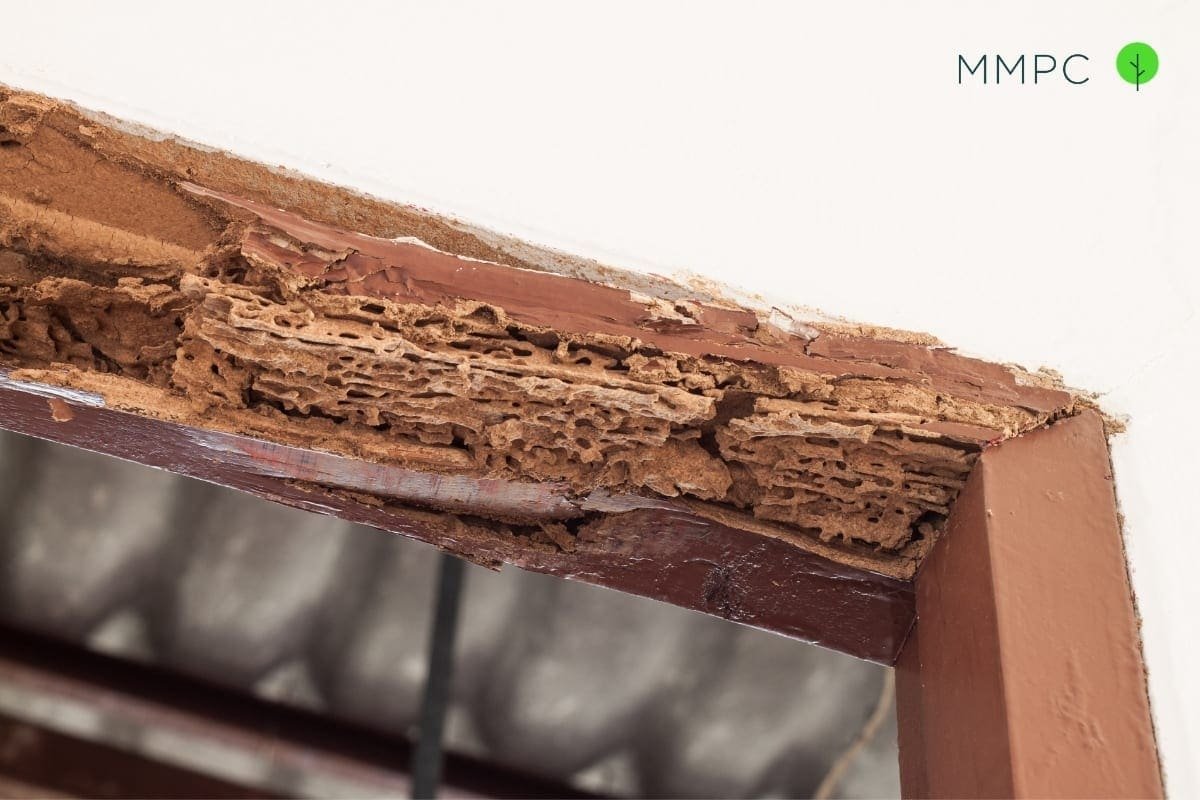
Termites love wood. They eat it from the inside out. So, the damage they cause isn’t always obvious at first. But there are signs you can look for.
- Hollow-sounding wood: Tap on wooden structures. If they sound hollow, termites might be inside.
- Buckling wood: Warped or buckled wood can be a sign of termites.
- Maze-like patterns: Look for unusual patterns on wood surfaces. These might be termite tunnels.
Imagine your wooden door frame. It looks fine from the outside. But, if you knock on it and it sounds hollow, that’s a red flag. Termites might be munching away inside.
Mud Tubes
Termites build mud tubes to travel and protect themselves from the elements. These tubes are often found on walls or foundations.
- Thin, mud-like lines: Look for these lines on your walls or foundations. They are a sure sign of termites.
- Brown and muddy: The tubes are usually brown and look like dried mud.
- Connecting points: These tubes often connect the ground to your house’s wood structures.
Think of mud tubes like highways for termites. They use them to travel safely. If you see these tubes, it’s time to call a professional.
Credit: mandmpestcontrol.com
Types Of Termites
Hey there, friends! Have you ever wondered what it looks like when you have termites? Well, you’re in the right place. Today, we’re diving into the different types of termites you might encounter. Understanding the types of termites is key to identifying and dealing with them effectively. Let’s get started!
Subterranean Termites
Subterranean termites are the most common type of termite. They live in the soil and build large nests underground. This makes them tricky to spot. These termites build mud tubes to travel from their nest to their food source. Think of these tubes as termite highways. If you see these tubes on your walls or foundation, it’s a sign you might have subterranean termites.
Here’s a quick breakdown of what you might see:
- Mud tubes: Brown, earthy tubes on walls, foundations, or wooden structures.
- Damaged wood: Wood that sounds hollow when tapped or has a honeycomb interior.
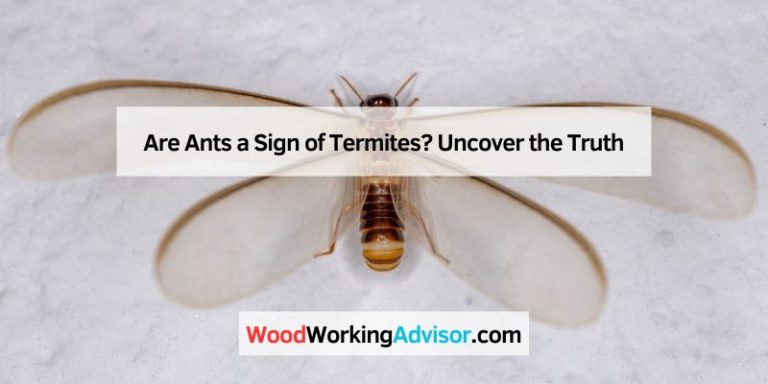
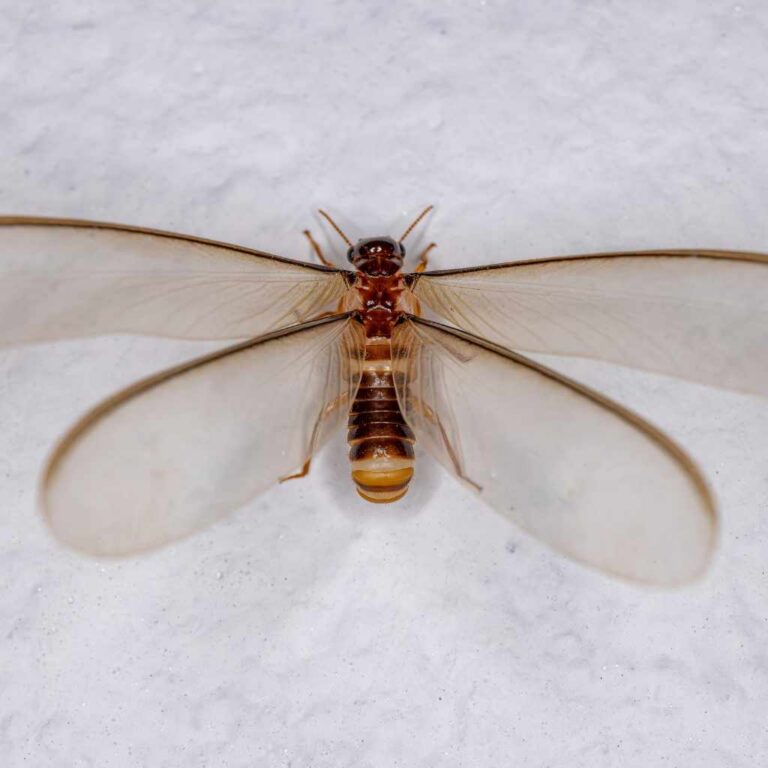
- Swarmers: Winged termites that emerge in the spring to start new colonies.
Drywood Termites
Unlike subterranean termites, drywood termites don’t need soil to live. They can build their nests in dry wood, like the wood in your home’s structure. This makes them a bit more challenging to detect. They’re often found in attics, furniture, and even picture frames.
Here’s what to look out for:
- Frass: Small, pellet-like droppings near infested wood.
- Kick-out holes: Tiny holes in wood where termites push out frass.
- Swarmers: Winged termites that usually appear after rain.
Spotting termites early is crucial to protecting your home. If you think you have termites, it’s best to call a professional. They can help you identify the type and extent of the infestation. Stay vigilant, and keep your home termite-free!
Common Areas Affected
Hey friends, today we’re diving into a common problem: termites. These sneaky pests love to hide in your home, causing damage you might not see right away. So, where do they usually hang out? Let’s take a look at the common areas affected.
Foundation And Walls
One of the first places you should check is the foundation and walls of your home. Termites love these spots because they are often made of wood or have wooden frames. You might notice:
- Small holes in the drywall
- Discolored or drooping wallpaper
- Cracks in the foundation
Trust me, I once found tiny holes in my walls and thought it was nothing. Turns out, termites had started a feast. Don’t ignore these signs!
Wooden Furniture
Your wooden furniture is also at risk. Termites can chew through it, making it weak and unusable. Keep an eye out for:
- Hollow-sounding wood
- Small piles of wood dust
- Visible tunnels in the wood
Last summer, I noticed a strange dust near my coffee table. After a closer look, I saw tiny tunnels. My beautiful table was being eaten from the inside out. Heartbreaking, right?
The good news? If you spot these signs early, you can save your home and furniture. So, stay vigilant and check these common areas regularly. Happy inspecting!
Termite Behavior
Understanding termite behavior helps in identifying their presence early. Termites are silent destroyers. They consume wood and other cellulose-based materials. Knowing how they act is crucial to protect your home.
Feeding Patterns
Termites feed on cellulose, a primary component of wood. They create tunnels and galleries inside wood structures. These tunnels are not visible from the outside. Infested wood sounds hollow when tapped. Termites leave behind frass, a powdery substance, as they eat.
Reproductive Cycles
Termite colonies have a structured reproductive system. The queen lays thousands of eggs. These eggs hatch into nymphs. Nymphs develop into workers, soldiers, or reproductive termites. Swarming termites, or alates, are future kings and queens. They leave the nest to start new colonies.
Preventive Measures
Hey there! Worried about termites invading your home? Don’t worry, there are simple steps you can take to keep them at bay. Let’s dive into some easy preventive measures to protect your home from these pesky intruders.
Moisture Control
Termites love moisture. Think of it as their favorite hangout spot. So, keeping your home dry is a great way to keep them away. Here’s how you can control moisture:
- Fix any leaking pipes or faucets. Even small drips can attract termites.
- Ensure your gutters and downspouts are clean and directing water away from your home.
- Use dehumidifiers in damp areas like basements or crawl spaces.
- Ventilate your attic and crawl spaces properly to reduce humidity.
Remember, keeping things dry is key. Imagine your home as a dry desert, not a moist jungle.
Regular Inspections
Just like you go for regular health check-ups, your home needs inspections too. Regular inspections can catch termite problems early. Here’s what you can do:
- Check your home’s foundation for mud tubes. Termites use these to travel.
- Look for wood damage in your home. Hollow-sounding wood is a red flag.
- Inspect areas where wood touches the ground, like decks or fences.
- Hire a professional for a thorough inspection once a year.
Think of it as a yearly health check-up for your home. Catching problems early can save you a lot of trouble.
So, there you have it! Simple steps you can take to prevent termites from making your home theirs. Keep things dry, check regularly, and you’ll be well on your way to a termite-free home.
Professional Treatment Options
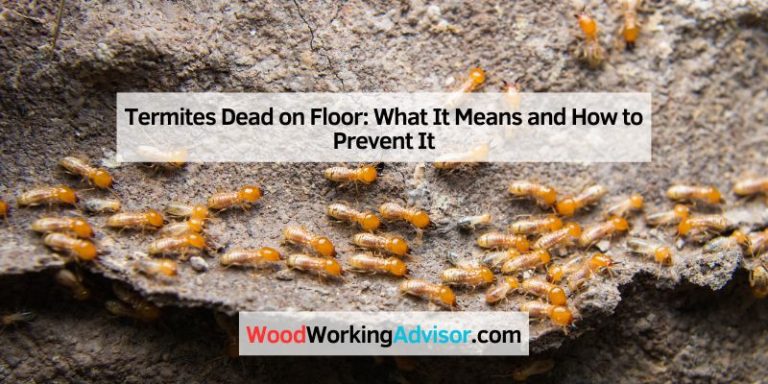
Termites cause damage to wood structures, leaving behind hollowed wood and mud tubes. You might see discarded wings near windowsills.
Termites can cause a lot of damage. When you find them, it’s crucial to act fast. Professional treatment options offer effective ways to get rid of these pests. Two common methods are chemical treatments and bait systems.
Chemical Treatments
Chemical treatments are a popular choice. They involve applying liquid pesticides to the soil around your home. These chemicals create a barrier that termites cannot cross. Experts use special equipment to inject the chemicals into the ground. This method is effective and provides long-lasting protection.
There are different types of chemicals used. Some kill termites on contact. Others are slow-acting and spread throughout the colony. This ensures that all termites, including the queen, are eliminated. Professionals know the right chemicals to use for your situation.
Bait Systems
Bait systems are another effective option. They use poisoned bait to attract and kill termites. The bait stations are placed around your property. Termites find the bait and carry it back to the colony. This method targets the entire colony, not just individual termites.
Bait systems are less invasive than chemical treatments. They do not require drilling or trenching around your home. The bait is usually placed in the soil or on the surface. Regular monitoring ensures that the bait is working and that termites are being eliminated.
Both chemical treatments and bait systems have their advantages. A professional can help you decide which method is best for your termite problem. With the right treatment, you can protect your home from these destructive pests.
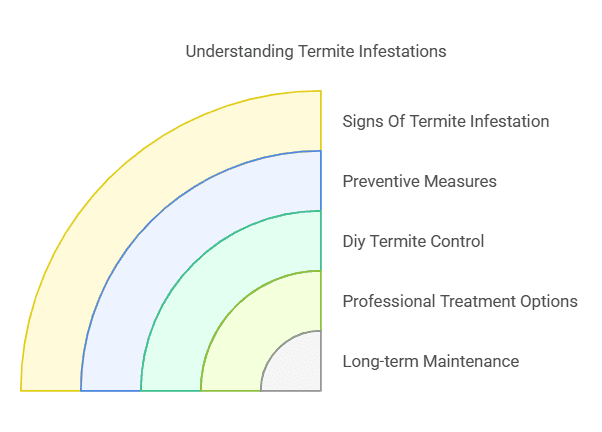
DIY Termite Control
Hey friends, dealing with termites can be a real headache. But don’t worry, there are ways to handle them yourself. Let’s talk about DIY Termite Control. This means you don’t need to hire a professional right away. Instead, you can try some natural remedies and home treatments to keep these pests at bay. Let’s dive in!
Natural Remedies
Sometimes, nature has the best solutions. Here are a few natural remedies that can help you control termites:
- Orange Oil: Orange oil is great because it’s safe for humans but deadly for termites. Apply it directly to the infested areas.
- Neem Oil: Neem oil works slowly but effectively. It disrupts the termites’ growth and prevents them from eating.
- Aloe Vera: You can make a solution using Aloe Vera. Spray it on the termites; it will suffocate them.
I tried neem oil myself last summer when I found termites in my garage. It took some time, but it worked like a charm!
Home Treatments
Besides natural remedies, there are other home treatments you can try. These are easy and can be done with items you may already have:
- Cardboard Trap: Wet some cardboard and place it near the infested area. Termites love cellulose in cardboard. Once they gather, dispose of the cardboard.
- Sunlight Exposure: Termites hate sunlight. If you can, expose the infested furniture or wood to sunlight for a few days.
- Boric Acid: This is a common household item. Mix it with water and spray on the affected areas. It poisons the termites and kills them.
Remember, these methods might not work for severe infestations. If you notice the problem getting worse, it’s best to call a professional. But for small issues, these DIY methods can save you time and money.
So, next time you spot termites, don’t panic. Try these simple, effective methods first. They can make a big difference. Good luck!

Credit: www.terminix.com
Long-term Maintenance
Dealing with termites can be a real headache. They are small, but their damage is huge. To keep your home safe, you need to think about long-term maintenance. This means routine checks and preventive repairs. Let’s break it down step by step.
Routine Checks
Routine checks are like regular doctor visits for your house. You need to look for signs of termites. Here’s what you should do:
- Inspect Wooden Structures: Check all wooden parts of your home. Termites love wood.
- Look for Mud Tubes: These are small tunnels that termites build to travel. They look like tiny mud highways.
- Check for Hollow Wood: Tap on wood surfaces. If it sounds hollow, termites might be inside.
- Spot Droppings: Termite droppings look like tiny pellets. Find them, and you might find termites.
Doing these checks regularly can help you catch termites early. Early detection means less damage.
Preventive Repairs
Preventive repairs are like getting a flu shot. They help keep termites away. Here are some simple steps:
- Seal Cracks: Termites can enter through tiny cracks. Seal them to block their entry.
- Fix Leaks: Termites love moisture. Fix any leaks in your home.
- Remove Wood Debris: Wood piles near your home attract termites. Keep them away.
- Use Termite-resistant Wood: When building or repairing, use wood that termites don’t like.
These steps might seem small, but they make a big difference. Think of them as a shield against termites.
Let me share a personal story. Last year, I found a mud tube in my basement. I panicked! But then I remembered my routine checks. I called a professional, and luckily, the damage was minimal. Since then, I follow these maintenance tips religiously. My home is safer now.
So, don’t wait. Start your long-term maintenance today. Your home will thank you!
Frequently Asked Questions
How Do You Know If You Have Termites?
You might have termites if you notice wood damage, discarded wings, mud tubes, or termite droppings. Listen for clicking sounds in walls.
Can You Visibly See Termites?
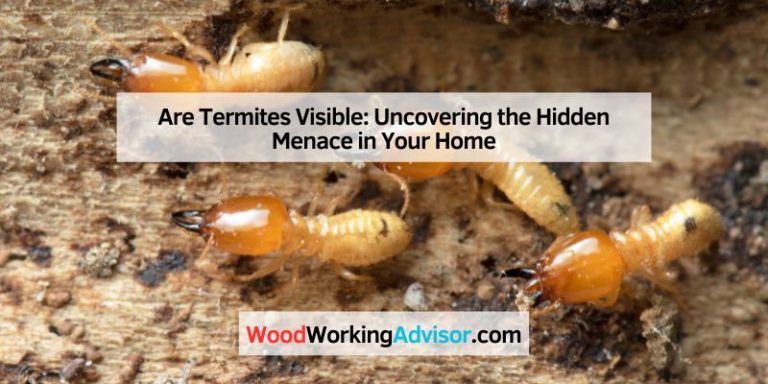
Yes, you can see termites. They are small, usually white or light brown insects. Look for mud tubes or damaged wood.
Is It Safe To Live In A House With Termites?
Living in a house with termites can be unsafe. Termites weaken the structure, posing potential risks. Professional treatment is essential.
What Kills Termites The Fastest?
Liquid termiticides like Termidor kill termites the fastest. They create a barrier around structures, eliminating colonies quickly.
Conclusion
Termites can cause serious damage to your home. Look for mud tubes and damaged wood. Spotting discarded wings can also be a sign. Early detection is key to preventing costly repairs. Regular inspections help keep your home safe. Don’t ignore the warning signs.
If you suspect termites, contact a pest control professional. Protect your investment and maintain peace of mind. Stay vigilant and informed to keep termites at bay. Your home deserves the best care.