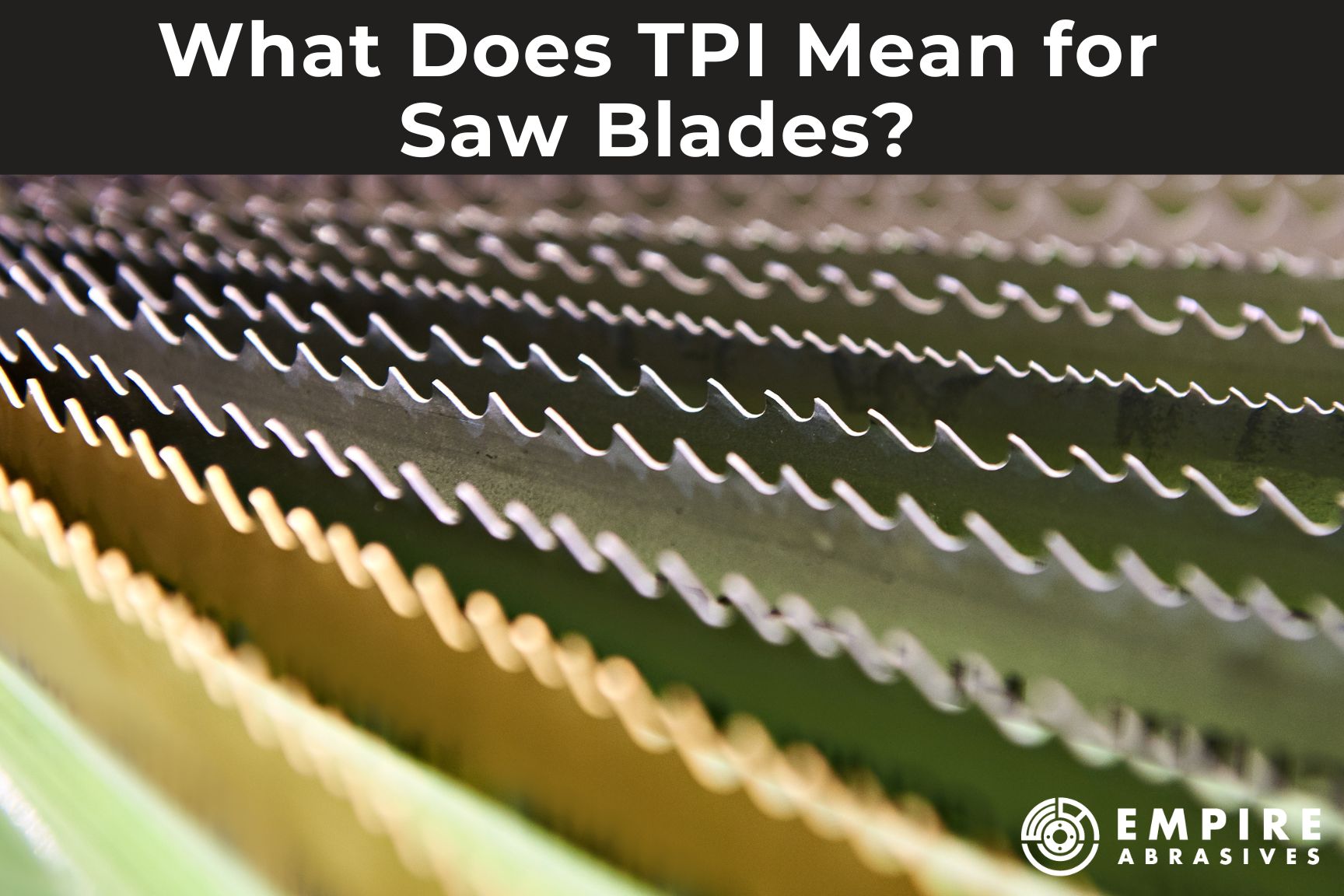
What Does Tpi Mean on Sawzall Blades: Essential Guide for DIYers
TPI stands for Teeth Per Inch. It measures the number of teeth on a Sawzall blade in one inch.
Understanding TPI is vital for choosing the right blade. It affects cutting speed and material suitability. A higher TPI means more teeth. This makes smoother cuts but slower progress. Lower TPI blades cut faster but are rougher. Different tasks need different TPI.
Wood, metal, and plastic all require specific TPI ranges. Knowing what TPI means helps you work efficiently. In this post, we will explore TPI on Sawzall blades in detail. Learn how to pick the best blade for your projects. This knowledge can save time and effort. Let’s dive in and understand TPI better.
Types Of Sawzall Blades
Sawzall blades come in different materials. High-carbon steel is flexible and affordable. High-speed steel is strong and lasts longer. Bi-metal blades combine both for the best of both worlds. Carbide-tipped blades cut through tough materials like metal and masonry. Choose the right material for your project.
Blade length varies for different tasks. Short blades, around 6 inches, are good for small, precise cuts. Longer blades, up to 12 inches, are useful for cutting through thick materials. Always match the blade length to the job. Longer blades can bend easier but can cut deeper.
Understanding Blade Tpi
TPI stands for teeth per inch. It shows how many teeth are on the blade per inch. A blade with a high TPI has more teeth. It makes smoother cuts. A low TPI blade has fewer teeth. It cuts faster but rougher. Choosing the right TPI is important for your task. Smooth cuts need high TPI. Fast cuts need low TPI. Always match the blade to your job.
Picking the right TPI makes your work easier. For metal, use a high TPI blade. It gives clean cuts. For wood, a low TPI blade works best. It cuts quickly. Always check the material before choosing a blade. Using the right TPI saves time and effort. Your cuts will be better and more accurate.
Common Tpi Ranges
Low TPI blades have fewer teeth per inch. They cut fast but rough. These blades are good for wood, plastic, and soft materials. Faster cutting can save time. But remember, the cut will be rougher. Ideal for demolition work.
High TPI blades have many teeth per inch. They cut slowly but very smooth. These blades are perfect for metal and hard materials. Clean cuts are important here. They take more time but give fine results. Great for precise work.
Applications Of Different Tpi
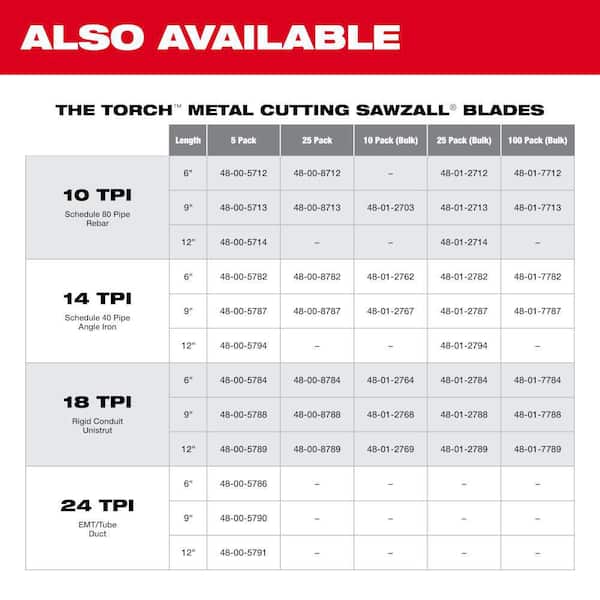
For cutting wood, blades with a lower TPI (teeth per inch) are best. These blades usually have 6 to 10 TPI. They cut quickly and remove more material. This makes them ideal for softwoods. Hardwoods may need slightly higher TPI. The cuts will be smooth and fast.
Cutting metal requires blades with a higher TPI. Blades with 14 to 24 TPI work well. They make precise and clean cuts. Thinner metals need higher TPI. Thicker metals can use lower TPI. Always choose the right blade for the job. It makes cutting easier and safer.
Selecting The Right Blade
Choosing the right blade depends on your project needs. TPI stands for teeth per inch. More teeth mean smoother cuts. Fewer teeth mean faster cuts. Think about what you need.
Blade choice also depends on the thickness of the material. Thin materials need more teeth. Thick materials need fewer teeth. This helps in making the best cut.
Credit: www.homedepot.com
Maintaining Sawzall Blades
Clean blades after each use. Remove all sawdust and debris. Use a stiff brush to clean. Wipe with a damp cloth. Dry the blade completely. Prevent rust by drying well. Store in a dry place. Avoid moisture exposure. Rust shortens blade life.
Store blades in a safe place. Use a blade case or pouch. Keep them organized. Avoid contact with other tools. This prevents damage. Hang blades if possible. Keep out of reach of children. Label the storage area. Use a dry environment. Moisture can cause rust. Proper storage extends blade life.
Safety Tips For Diyers
Wear safety goggles to protect your eyes. Use gloves to avoid cuts on your hands. Ear protection is important to avoid hearing damage. A dust mask helps keep harmful particles out of your lungs.
Always unplug the saw before changing blades. Handle blades carefully to avoid injury. Store blades in a safe place when not in use. Inspect blades regularly for damage or wear.
Credit: www.homedepot.com

Credit: www.amazon.com
Frequently Asked Questions
What Does Tpi Mean On Sawzall Blades?
TPI stands for Teeth Per Inch. It indicates the number of teeth on the blade. Higher TPI means smoother cuts. Lower TPI is better for faster, rougher cuts.
How Does Tpi Affect Cutting?
TPI affects cutting speed and finish. Higher TPI provides a smoother finish but cuts slower. Lower TPI cuts faster but with a rougher finish.
What Tpi Is Best For Metal Cutting?
For cutting metal, use a blade with 14-24 TPI. Higher TPI ensures smoother and more precise cuts on metal materials.
Which Tpi Is Ideal For Wood?
For wood cutting, a blade with 6-10 TPI is ideal. Lower TPI allows for faster, more aggressive cuts through wood.
Conclusion
Understanding TPI on Sawzall blades helps you choose the right blade. The right blade ensures smoother cuts and better results. Different tasks need different TPI levels. Higher TPI means finer cuts; lower TPI means rougher cuts. Always check the material and job requirements.
Choosing the correct blade saves time and effort. It also extends the blade’s life. Remember, the right TPI makes all the difference. Happy cutting!