What Grit Sandpaper for Wood Furniture before Painting: Expert Tips
Are you planning to give your wood furniture a fresh coat of paint? Before you dive into your project, there’s an essential step you shouldn’t skip: sanding.
Using the right grit sandpaper can make all the difference in how your finished piece looks and feels. But with so many options available, how do you know which one to choose? If you’re feeling overwhelmed or unsure, you’re not alone.
Many people find themselves asking, “What grit sandpaper should I use for wood furniture before painting? ” Getting this step right can save you time, frustration, and ensure a smooth, professional-looking finish. We’ll guide you through the grit selection process, helping you achieve the best results for your painted wood furniture. Stick around, because understanding this crucial step can transform your DIY project from ordinary to extraordinary.

Credit: www.littlehouseoffour.com
Choosing The Right Grit
Fine gritsandpaper is very smooth. It’s used for delicate work. Coarse gritis rougher. It’s perfect for removing old paint. Both have their special uses. It’s important to choose the right one. The wood’s surface will feel different with each grit. Smooth wood needs fine grit. Rough wood benefits from coarse grit. Always match grit to the wood’s needs. This ensures a good finish.
Different woods need different grits. Hardwoods like oak are tough. They can handle coarse grit. Softwoods like pine are gentle. They work well with fine grit. Pay attention to the wood type. This guides your sandpaper choice. Each wood has its unique texture. The right grit makes sanding easier. This also helps the paint stick well. Choose wisely for the best results.
Preparing Wood Surface
Start by removing all dust from the wood. Use a soft cloth for better results. Dust can ruin the painting process. Clean the surface thoroughly. Ensure no dirt is left behind. This helps in getting a smooth finish. Clean the furniture with a damp cloth. Dust should be completely removed. Take your time for this step.
Examine the wood for any imperfections. Cracks or holes need fixing. Use wood filler to repair them. Let the filler dry. Smooth the surface with sandpaper. Choose a grit suitable for wood. Usually, medium grit works well. Sand the surface evenly. This ensures paint adheres properly. Check for more imperfections. Repeat if needed.
Sanding Techniques
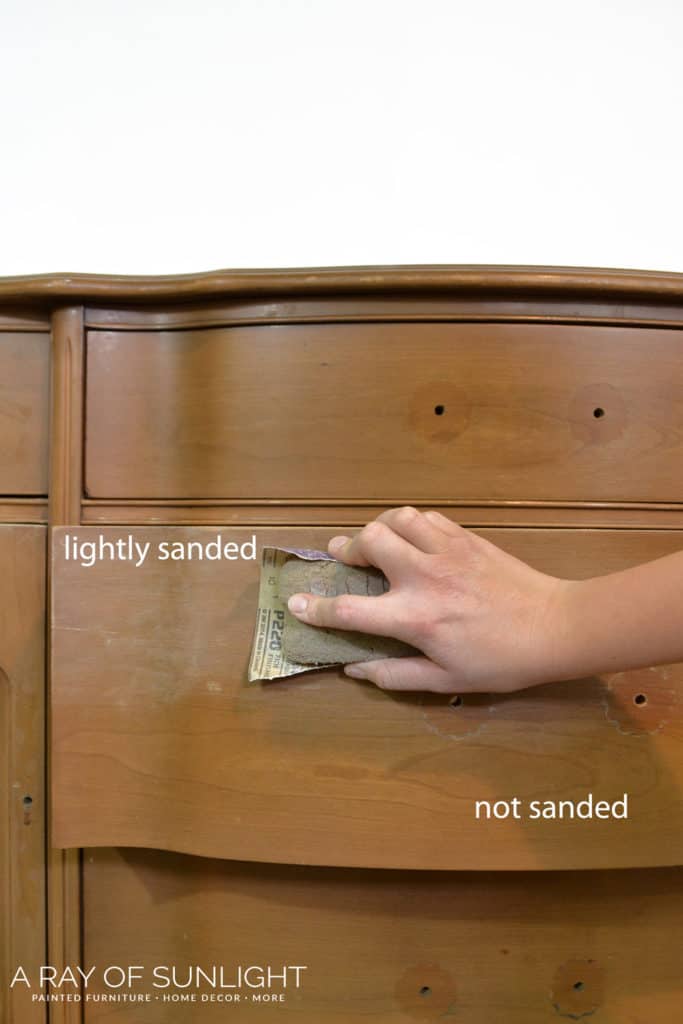
Sanding wood can be done by hand or with power tools. Hand sanding gives more control over the sanding process. It is best for small areas. Sanding with power tools is faster and good for large surfaces. But it can be too strong for delicate work. You should choose what fits your needs best.
Sanding blocks help you hold sandpaper better. They make sanding easier on the hands. Using a block keeps the sandpaper flat. This helps achieve a smooth finish. Always wrap the sandpaper around the block for best results.
Credit: arayofsunlight.com
Applying Primer
Primingwood furniture helps the paint stick better. It creates a smooth surface. This makes painting easier. Primer hides old colors and stains. It prepares the furniture for painting.
Priming prevents the paint from peeling. It makes the furniture last longer. The paint looks more even. Primer saves time and money. It reduces the number of paint coats needed.
Benefits Of Priming
Priming gives wood furniture a fresh start. It blocks stains and odors. Primer helps the paint hold on tight. It stops the wood from soaking up too much paint.
Using a primer can change the look of furniture. It can make colors appear brighter. Primer improves the overall finish. It ensures the paint looks good.
Choosing The Right Primer
Different primers work for different woods. Oil-based primer works well on old wood. Water-based primer is good for new furniture. Choose a primer that suits your needs. Read the label carefully.
Some primers dry fast. Others take more time. Pick one that fits your schedule. Test the primer on a small area first. Make sure it works before painting everything.
Painting Tips
Choose a paint that suits your wood furniture. Oil-based paints are strong and last long. Water-based paints dry fast and have less smell. Each type has special uses. Oil paints are good for outdoor items. Water paints are better indoors. Always read labels on paint cans. This helps pick the right one.
Start with a thin coat of primer. Let it dry well. This helps paint stick better. Apply a thin coat of paint next. Wait for it to dry. Then, add more layers if needed. Sand lightly between coats with fine sandpaper. This makes each layer smooth. Finish with a clear coat for shine. This also protects the paint. Your furniture will look bright and new.
Common Mistakes To Avoid
Choosing the right grit sandpaper is crucial for wood furniture before painting. Many opt for coarse grit, but finer grits like 120 to 150 are ideal. They smoothen the surface without damaging it, ensuring better paint adhesion.
Skipping Sanding
Sandingis a must before painting wood furniture. It helps paint stick better. Skipping this step can lead to uneven surfaces. Paint may chip or peel off easily. Use grit sandpaperfor smooth surfaces. Start with coarse grit, then use finer grit. This ensures the wood is ready for paint.
Ignoring Drying Times
Paint needs time to dry properly. Rushing can ruin the finish. Waitingis key for a smooth look. Each coat needs to dry fully. Follow the instructions on the paint can. They tell you how long to wait. Patience leads to a nice, smooth result.
Frequently Asked Questions
What Grit Sandpaper Is Best For Wood Furniture?
For wood furniture, start with 80-120 grit sandpaper to remove old finishes. Then, move to 150-180 grit for smoothing surfaces. Finally, use 220 grit for a fine finish before painting. This progression ensures a smooth surface, helping paint adhere better and creating a professional look.
Can I Paint Without Sanding Wood Furniture?
Sanding is crucial for paint adhesion on wood furniture. It removes old finishes and roughens surfaces. Without sanding, paint may peel or chip over time. To ensure a long-lasting paint job, always sand your furniture, starting with a coarser grit and finishing with a fine one.
How Does Sandpaper Grit Affect Painting?
Sandpaper grit impacts the surface smoothness and paint adhesion. Coarse grits remove old layers, while finer grits smooth surfaces. A well-prepared surface ensures paint adheres properly and looks even. Using the right grit sequence enhances the durability and appearance of your painted wood furniture.
Why Is Sanding Crucial Before Painting Furniture?
Sanding ensures paint adheres properly by creating a smooth, clean surface. It removes old finishes and imperfections. Proper sanding prevents peeling and chipping, giving your painted furniture a professional and durable finish. Skipping this step might lead to unsatisfactory results and frequent repainting.
Conclusion
Choosing the right grit sandpaper is key for furniture painting. Start with coarse grit for rough surfaces. It removes old paint and imperfections. Move to medium grit for smoothing. It prepares the wood for primer. Finish with fine grit for a sleek surface.
It ensures paint adheres evenly. Sanding improves paint durability. It also enhances the final look. Remember to sand gently. Avoid damaging the wood. Proper sanding leads to beautiful, long-lasting furniture. Ready for painting? Your furniture will look great!