What Happens If You Stain Wood Too Cold
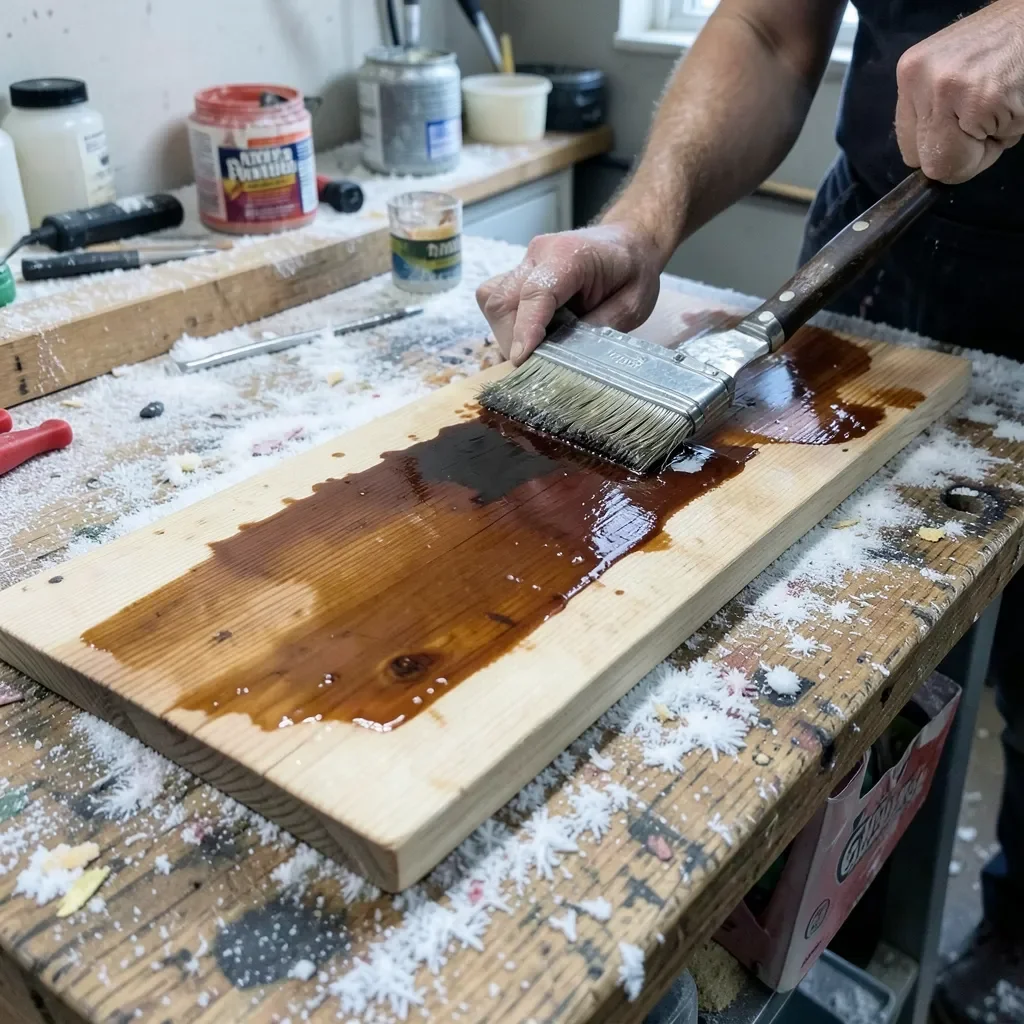
Applying stain below the product’s minimum temperature (typically 50°F for oil-based, 55-65°F for water-based) causes it to penetrate unevenly, dry with a blotchy or tacky finish, and in some cases never fully cure at all – a mistake that often isn’t obvious until days later when the stain still feels slightly sticky or the color looks patchy.
Why Cold Temperatures Break the Chemistry
Best Interior Stain for Controlled Indoor Conditions
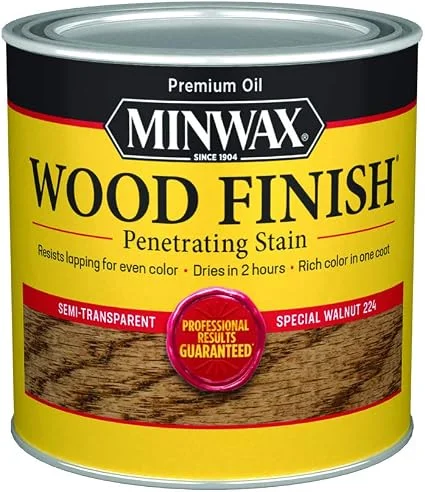 |
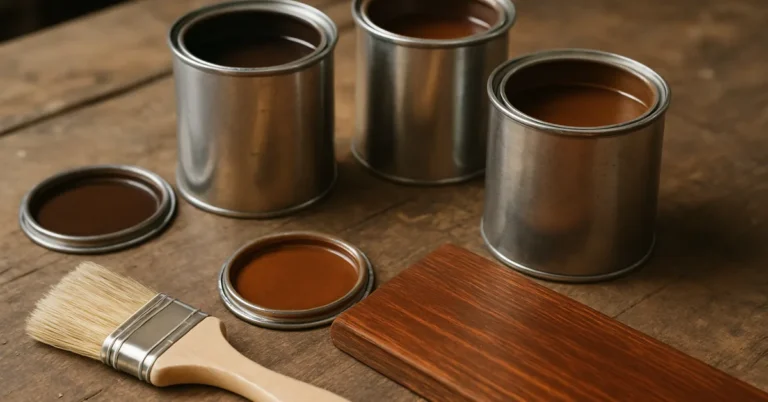
Minwax Wood Finish Stain (Special Walnut) – $8.48 Applying this indoors within its recommended temperature range avoids the cold-cure failures this guide describes entirely.
|
Stain cures through a chemical reaction (oxidation for oil-based products, evaporation and coalescence for water-based) that slows dramatically as temperature drops, and can stall out entirely below a product’s minimum threshold. The stain doesn’t just dry slower in the cold – it can partially cure into a weaker film structure that never reaches full hardness or bonds properly to the wood, even after the temperature warms back up.
Water-Based Stain Is More Cold-Sensitive Than Oil-Based
Water-based stains generally need warmer application temperatures (55-65°F minimum, depending on the specific product) because the water in the formula needs to evaporate cleanly for the finish to form properly – in cold, humid conditions that evaporation slows enough to cause a cloudy or uneven film. Oil-based stains tolerate slightly cooler conditions but still fail below their own stated minimum, usually around 50°F.
What to Do If You Already Applied Stain Too Cold
If the stain still feels tacky or uncured after the recommended dry time, warm the space to the product’s recommended temperature range and give it additional time before assuming it’s failed – some marginal cases will finish curing once conditions improve. If it’s visibly blotchy, hasn’t hardened after a reasonable extended wait, or feels gummy when touched, it likely needs to be stripped or sanded back and reapplied under proper conditions rather than sealed over as-is.
Wood Temperature Matters as Much as Air Temperature
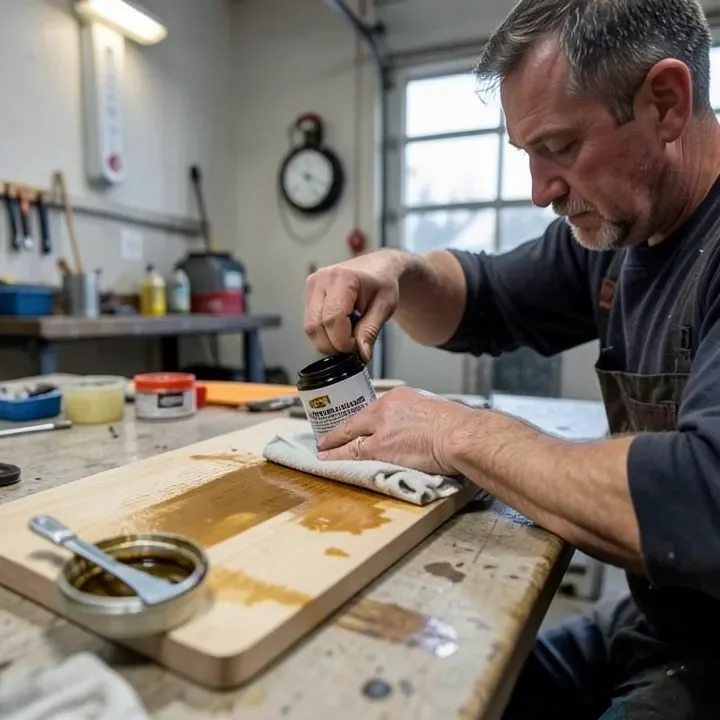
A workpiece that’s been sitting in a cold garage or outdoors can stay significantly colder than the surrounding air temperature for hours after being moved indoors – checking the wood’s own surface temperature, not just the room’s thermostat reading, avoids applying stain to a piece that’s still effectively too cold even in a warm room.
Planning Around Seasonal Temperature Swings
Early morning and evening temperatures often dip below a product’s minimum even on days that feel warm overall, especially in spring and fall – checking the actual forecast low during the stain’s full cure window, not just the daytime high when you’re applying it, prevents a job that looks fine going on from failing overnight.
Frequently Asked Questions
What temperature is too cold to apply wood stain?
Below 50°F for most oil-based stains, and below 55-65°F for most water-based stains – check the specific product’s label for its exact minimum.
Can stain applied too cold be fixed?
Sometimes – warming the space and giving it more time can finish curing a marginal case, but visibly blotchy or gummy stain usually needs to be stripped and reapplied.
Does the wood itself need to be warm, not just the room?
Yes – a workpiece that was recently cold can stay colder than the surrounding air for hours, so check the wood’s own surface temperature before staining, not just the room thermostat.
Sponsored / affiliate links. As an Amazon Associate I earn from qualifying purchases. I may earn additional commission from eligible campaigns.