How to Remove Urine Stains from Tile Floor (Tile and Grout Fix)
To remove urine stains from a tile floor, blot the spill, rinse with plain water, then soak the stain and the grout with an enzyme-based urine cleaner and let it work for the full time on the label. Skip bleach: it does not remove the odor, it can damage grout, and it is dangerous around urine because of the ammonia it can release. Natural stone tile is the exception to the vinegar advice you will see elsewhere. This guide covers a tile-type chart, step-by-step fixes for fresh and dried stains, grout, and how to protect the sealed wood floor next door.
How to Remove Urine Stains from Tile Floor: The Short Answer
Best Tile and Hard Floor Urine Cleaner
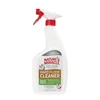 |
Nature’s Miracle Hard Floor Cleaner, Stain & Odor Remover (24 oz spray), $8.99 A ready-to-spray stain and odor remover listed for hard surfaces including sealed wood, tile, linoleum and vinyl, so one bottle covers the tile and any nearby sealed wood floor this guide mentions.
|
As an Amazon Associate we earn from qualifying purchases.
Urine on tile is really two problems. The first is the visible stain and wet spot on the tile surface, which is easy. The second is the urine that wicks down into the grout lines, which is what you smell a week later. Anything that only wipes the top of the tile solves the first problem and leaves the second one in place.
For a fresh accident, the order is: blot, rinse with water, apply cleaner, wait, rinse again, dry. For an old stain, the only change is that the cleaner has to stay wet far longer and you finish with a brush on the grout. The rest of this article is about doing that safely on your particular kind of tile.
📊 The Natural Stone Institute warns that products containing lemon, vinegar or other acids may dull or etch calcareous stones such as marble and limestone, and recommends a neutral cleaner, stone soap, or mild dish detergent with warm water. Source: Natural Stone Institute, consumer care guide
Why Urine Stains on Tile Floors Keep Coming Back
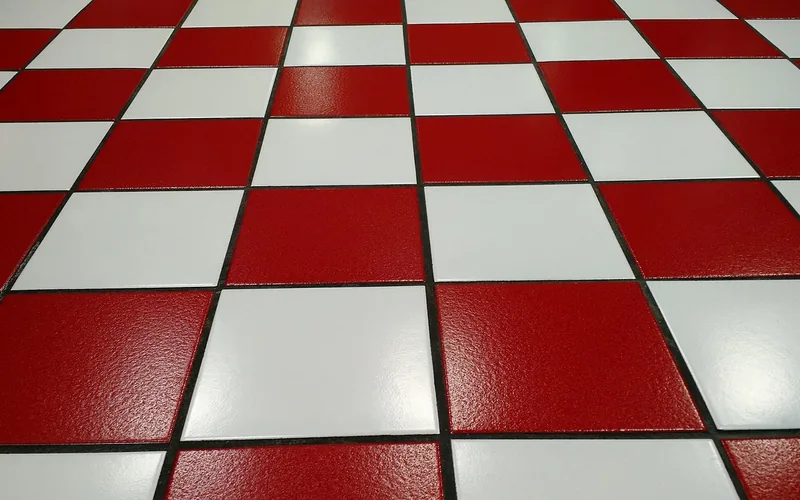
Glazed ceramic and porcelain tile has a hard surface that urine mostly sits on top of. Grout does not. Cement-based grout is porous, so urine soaks into it quickly, and a cleaner that is wiped on and off in a few seconds never reaches the depth the urine did. A professional carpet and tile cleaning company makes the same point in its grout guide: grout absorbs urine because it is porous, which is why stains and smell keep returning after a surface wipe-down.
That is also why the stain pattern on a bathroom floor is so predictable. The darkest staining sits in the grout lines around the base of the toilet and along the wall, the places where drops land and nobody scrubs. If you only clean the tile faces, you can have a floor that looks spotless and still smells like urine on a warm, humid day.
Two more things make old urine hard. As it dries it leaves behind residue that plain water does not fully dissolve, and as it ages it can give off a sharper ammonia smell. Enzyme-based urine cleaners are made for this: cleaning pros describe them as breaking down uric acid, proteins and other molecules in urine instead of just masking the smell. That is a description of how the products are designed to work, not a lab result, so judge any cleaner by whether the odor is actually gone once the floor is dry.
What Is Safe on Your Tile Type: A Quick Chart
Most articles give one recipe for every floor. That is how people end up etching a marble bathroom floor with vinegar. Identify what you actually have, then use this chart.
| Surface | How urine behaves | Safe approach | Avoid |
|---|---|---|---|
| Glazed ceramic or porcelain tile | Sits on the hard glaze; easy to wipe off | Water rinse, then enzyme cleaner or mild detergent | Abrasive pads that dull the glaze |
| Unglazed or quarry tile | Can absorb like grout | Enzyme cleaner with a long dwell, soft brush | Strong acids and bleach |
| Natural stone (marble, limestone, travertine) | Can stain and etch | Neutral stone cleaner or mild dish soap; test any enzyme product in a hidden corner | Vinegar, lemon, and other acids |
| Cement grout | Porous; holds stain and odor | Enzyme cleaner kept wet, soft brush, then seal | Bleach and harsh acids that soften grout |
| Epoxy grout | Generally less absorbent than cement grout | Same enzyme cleaner; a shorter dwell is often enough | Abrasive scrubbing |
If you are not sure whether your tile is natural stone, check the leftover boxes, the paperwork from installation, or a spare tile. A tile that has natural veining and the same color all the way through is more likely to be stone than a glazed ceramic tile with a printed pattern.
How to Clean a Fresh Urine Stain on Tile Floor
Speed matters most in the first few minutes, before urine reaches the grout. Here is the sequence for a fresh spill:
- Blot, do not wipe: Press paper towels or a dry cloth onto the puddle to lift as much liquid as possible. Wiping spreads urine into more grout lines.
- Rinse with plain water: Pour or spray clean water over the area and blot again to dilute what is left in the grout.
- Apply the cleaner: Spray or pour an enzyme-based urine cleaner generously over the tile and the grout, enough that the grout lines are visibly wet.
- Wait the full dwell time: Follow the label. One cleaner brand’s guidance, as reported by Zerorez, lists about 15 minutes for fresh stains and up to 24 hours for stubborn ones. Do not let it dry out early.
- Scrub the grout lines: Use a soft-bristled brush along the grout, not an abrasive pad on the tile glaze.
- Rinse and dry: Wipe with clean water and let the floor air dry. Follow the label if it says to leave the product on as it dries.
How to Get Dried or Old Urine Stains Out of Tile and Grout
Dried stains need more contact time, not more force. Scrubbing hard on grout wears it down and does not reach urine that is already deep inside.
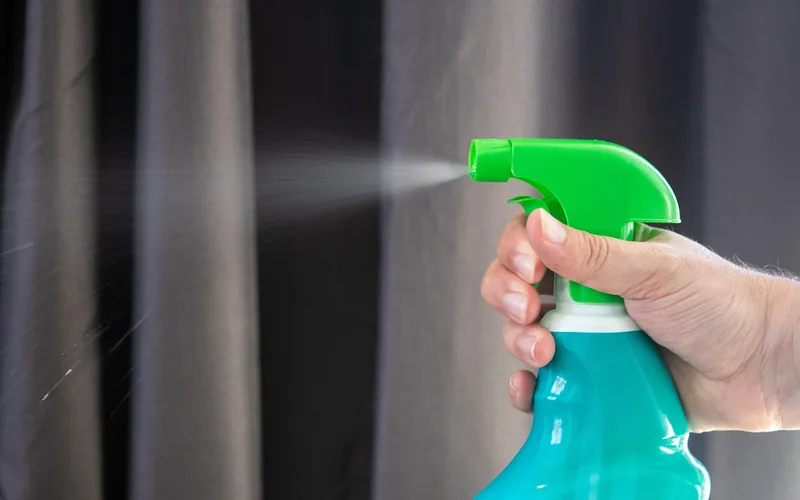
- Loosen surface residue: Wipe the area with a cloth dampened with warm water and a few drops of mild dish soap, then rinse.
- Soak, do not mist: Saturate the stain and the grout lines so the cleaner can reach as far as the urine did.
- Keep it wet: If the cleaner dries in a few minutes, re-wet it. Some guides suggest covering the spot with plastic wrap to hold moisture during long dwell times, which is worth trying on stubborn grout if your product label allows it.
- Brush the grout: After the dwell time, scrub only the grout lines with a soft brush, then rinse with clean water.
- Dry and re-check the smell: Judge the result after the floor is completely dry. Warm, damp conditions bring back any odor that is left.
- Repeat if needed: Old stains often need a second or third pass. That is normal, not a sign the product failed.
If a dark stain stays after the odor is gone, the grout itself is probably discolored. At that point the options are a grout-specific cleaner, re-grouting the worst lines, or switching to a stain-resistant grout, not repeated urine treatments.
Never Mix Bleach, Ammonia and Vinegar on a Urine Spill
This is the safety section most guides skip, and it matters more here than for most stains, because urine can give off ammonia as it ages. Bleach is the product people reach for when a floor looks gross, and it is the one to avoid.
- Bleach plus ammonia produces chloramine, a toxic gas that irritates the eyes, nose, throat and lungs.
- Bleach plus vinegar (or any acid) releases chlorine gas, which causes coughing, breathing problems and burning, watery eyes.
- Bleach on urine does not remove the odor and can damage grout, according to cleaning professionals.
📊 In 2016 the American Association of Poison Control Centers reported more than 6,300 exposures to chlorine gas, and about 35% were caused by mixing household cleaners. Source: Healthline, bleach and vinegar safety guide
Use one product at a time and rinse the floor with plain water between products. Open a window or run the bathroom fan. If you accidentally mix chemicals, get out to fresh air right away, and call 911 if breathing is difficult. Poison Control in the United States is 1-800-222-1222.
Do Vinegar and Baking Soda Work on Urine Stains?
They have a place, with limits. White vinegar and water can help with a fresh spill on glazed ceramic or porcelain tile, and baking soda gives a gentle scrub for the grout. For dried stains and set-in smell, they are weaker than an enzyme product, and neither should be your first choice on natural stone: vinegar is an acid that can etch it, and the Natural Stone Institute recommends a neutral cleaner instead.
The other rule is the one in the safety section: never combine them with bleach. If you used vinegar, rinse the floor with water before any other cleaner touches it.
Stop Urine Stains Coming Back: Seal the Grout and Fix the Source
- Seal the grout: After the floor is clean and fully dry, apply a grout sealer. Cleaning pros recommend resealing around the toilet about once a year because the area takes the most abuse.
- Wipe small splashes quickly: A folded paper towel after each use around a toilet prevents most buildup.
- Check the wall edge and toilet base: If the odor lingers after the floor is clean, urine may have reached the caulk line or the area under the toilet.
- Avoid extended moisture: Constant dampness softens grout, so fix leaks and dry the floor after mopping.
If the Spill Reached Hardwood Next to the Tile
Bathrooms and kitchens often meet wood floors at a threshold, and urine does not respect the boundary. Wood behaves very differently from tile: it absorbs liquid into the grain and can darken permanently. If a spill ran onto finished or unfinished wood, stop using the tile routine and follow our guide to removing urine stains from hardwood floors, and read about what hydrogen peroxide does to hardwood before you try it.
If pets are the source of the accidents, our breakdown of whether hardwood floors are bad for dogs covers why tile and sealed wood handle accidents so differently, and the hardwood over tile guide helps if you are thinking about changing the floor entirely.
Frequently Asked Questions
Does vinegar remove urine stains from tile?
It can lift a fresh stain from glazed ceramic or porcelain tile, but it is not a cure-all. Vinegar is an acid, and the Natural Stone Institute warns that vinegar and other acids may dull or etch calcareous stones such as marble and limestone. On dried stains and grout odor, an enzyme cleaner is the better choice.
What gets dried urine out of tile grout?
Saturate the grout with an enzyme-based urine cleaner, let it stay wet for the time on the label (longer for old stains), scrub the grout lines with a soft-bristled brush, then rinse and let it dry. Grout is porous, so urine soaks in, and repeat treatments are normal for old stains.
Can you use bleach to clean urine off tile?
It is not recommended. Bleach does not remove the urine odor, it can damage grout, and it is dangerous near urine because bleach mixed with ammonia releases toxic chloramine gas. Urine can give off ammonia as it ages. Use a bathroom-safe enzyme cleaner and rinse with plain water instead.
Why does my tile floor still smell like urine after cleaning?
The smell is usually coming from the grout, not the tile surface. Grout is porous and holds urine that a surface wipe never reaches. Treat the grout lines with an enzyme cleaner so the product soaks in as deeply as the urine did, and check the base of the toilet and the wall edge for old spots.
Is it safe to use an enzyme cleaner on natural stone tile?
Test first. Check the label for stone compatibility, try a hidden corner, and rinse well. The Natural Stone Institute recommends a neutral cleaner, stone soap, or mild dish detergent with warm water for routine stone cleaning, so use those for daily care and bring in a stone restorer for deep or etched damage.
How do you get urine stains out of tile without scrubbing hard?
Let the cleaner do the work by keeping it wet on the stain for its full dwell time. A cleaner that dries in seconds cannot work on dried urine, so re-wet it if the label allows. Then use a soft brush only on the grout lines, never an abrasive pad on glaze.
Blot first, rinse with water, use an enzyme cleaner on the tile and the grout, keep it wet for the full dwell time, and leave the bleach and the vinegar-on-stone shortcuts alone. Treat the grout as the real stain, seal it once it is clean, and the floor will stay fresh much longer.
Sponsored / affiliate links. As an Amazon Associate I earn from qualifying purchases. I may earn additional commission from eligible campaigns.