
What Happens When You Burn Cedar: Proven Benefits
When you burn cedar, you release a pleasing aroma that can help purify the air, deter insects, and promote a sense of calm. This ancient practice offers natural benefits for your home and well-being.
Have you ever smelled that distinct, pleasant scent wafting through the air and wondered what it was? Often, it’s the beautiful aroma of burning cedar. For centuries, people have used cedar smoke not just for its lovely fragrance, but for practical reasons too. If you’re curious about why burning cedar is a time-honored tradition and what it can do for you, you’ve come to the right place. It might seem simple, but there are some really great effects that happen when you light that cedar. We’ll walk through everything you need to know, making it easy to understand and even try yourself.
Burning cedar wood, whether it’s small pieces for incense, branches for smudging, or even logs in a fireplace, releases aromatic compounds into the air. These compounds are what give cedar its characteristic scent, but they also come with a surprising array of practical and even spiritual benefits. It’s a natural way to enhance your living space and well-being.
The Science & Tradition Behind Burning Cedar
Cedar has a long history of use across various cultures. Indigenous peoples, in particular, have utilized cedar smoke for purification rituals, healing ceremonies, and to cleanse spaces. This tradition is rooted in a deep understanding of the plant’s properties. Scientifically, cedarwood oil contains compounds like thujone and cedrol, which are responsible for both its scent and some of its effects. When burned, these volatile organic compounds are released into the atmosphere.
The process involves combustion, which breaks down the wood’s components. As the wood heats up, essential oils evaporate and are carried by the smoke. This is similar to how essential oils are diffused, but through a more ancient and primal method. Understanding this helps us appreciate why burning cedar has been a practice for so long.
Key Benefits Explored
- Aromatherapy and Stress Relief
- Natural Insect Repellent
- Air Purification
- Spiritual and Ritualistic Cleansing
- Potential Antimicrobial Properties
The Aromatic Experience: Aromatherapy and Stress Relief
One of the most immediate and noticeable effects of burning cedar is its aroma. The scent of cedar is often described as woody, warm, sweet, and slightly balsamic. In aromatherapy, this scent is widely recognized for its calming and grounding properties. When you inhale the smoke, the aromatic molecules interact with your olfactory system, which is directly linked to the limbic system in your brain. This system plays a huge role in emotions and memory.
This connection is why certain scents can instantly make you feel more relaxed or uplifted. Cedar smoke can help to:
- Reduce feelings of stress and anxiety.
- Promote a sense of peace and tranquility.
- Aid in relaxation and improve sleep quality.
- Create a grounding and centering atmosphere.
Think of it as a natural mood enhancer. After a long, stressful day, the gentle scent of burning cedar can help reset your mood and prepare you for rest. Many people find it creates a more peaceful environment, especially in spaces like bedrooms or meditation rooms.

Keeping Pests at Bay: Natural Insect Repellent
This is a benefit that’s been known for ages! Cedar wood itself is naturally resistant to many insects, which is why it’s often used for closets, chests, and outdoor furniture. When you burn cedar, these same repellent properties are released into the air in a more potent form. The smoke and aromatic compounds can create an environment that is unpleasant for many common household pests.
Specifically, cedar smoke has been shown to deter:
- Moths
- Mosquitoes
- Ants
- Cockroaches
- Some other crawling insects
Instead of using harsh chemical insecticides, burning a bit of cedar can offer a more natural and pleasant-smelling alternative for pest control. It’s a gentle yet effective way to make your home less inviting to unwelcome guests. For a deeper dive into cedar’s natural pest resistance, you can explore resources from the United States Department of Agriculture (USDA) Forest Products Laboratory, which has extensively researched wood properties.
Cleansing the Air: Natural Air Purification
While not a substitute for proper ventilation or air filters, the smoke from burning cedar can have a surprisingly positive effect on air quality. Certain compounds released from cedar have been found to possess antimicrobial properties. This means they may help to neutralize or inhibit the growth of bacteria and mold spores in the air.
Historically, burning cedar was used to ‘cleanse’ spaces, and this practice aligns with the potential of its smoke to purify the air from airborne contaminants.
While research is ongoing, some studies suggest that cedar smoke can contribute to a cleaner atmosphere by:
- Reducing airborne bacteria.
- Potentially inhibiting mold growth.
- Masking unpleasant odors with its pleasant scent.
This makes burning cedar an appealing option for refreshing living areas, especially after periods of dampness or when seeking a healthier indoor environment. It’s important to note that while beneficial, adequate ventilation is still crucial for overall air quality.
Spiritual and Ritualistic Significance: Cleansing and Connection
Beyond the physical benefits, burning cedar holds deep spiritual and ritualistic meaning for many traditions. In many Indigenous cultures across North America, cedar is considered a sacred plant. Its smoke is used in ceremonies like smudging to cleanse negative energy from a person, an object, or a space. It’s believed to clear away stagnant or harmful energies and invite positive, healing influences.
The act of burning cedar in this context is often accompanied by intention. People might burn it to:
- Prepare a space for meditation or prayer.
- Clear energy after an argument or illness.
- Welcome guests into a newly cleansed home.
- Mark significant life transitions.
The spiritual benefits are tied to the intention set by the user, making the act of burning cedar a mindful practice that can foster a sense of connection to nature and tradition. Organizations like the National Congress of American Indians often highlight the cultural significance of plants like cedar.
Choosing and Burning Cedar Safely
When you decide to burn cedar, choosing the right type of wood and burning it safely are crucial. Not all cedar is created equal, and safe practices ensure you get the most out of its benefits without any risks.
What Kind of Cedar to Burn?
For incense, smudging sticks, or small amounts for aroma, look for:
- Western Red Cedar (Thuja plicata): This is a very common and aromatic variety, known for its lovely scent and traditional uses.
- Eastern Red Cedar (Juniperus virginiana): Also highly aromatic and often used for moth repellent in closets.
- Spanish Cedar (Cedrela odorata): Though not true cedar, it has a similar aroma and is often used in humidor boxes; it’s also good for repelling insects.
Always ensure the cedar you are burning is natural, untreated wood. Avoid cedar that has been treated with chemicals, paints, or varnishes, as burning these can release toxic fumes.
How to Burn Cedar Safely
Whether you’re burning cedar chips, branches, or logs, safety is paramount. Here’s how:
- Ventilation is Key: Always ensure good airflow in the room. Open a window slightly, even if it’s cold out. Smoke, even pleasant-smelling smoke, can irritate the lungs if inhaled in large quantities or in a poorly ventilated space.
- Use Fire-Safe Containers: If burning small pieces or chips, use a heat-resistant dish or bowl, like a ceramic or metal incense holder. Ensure it’s placed on a stable, heat-proof surface.
- Supervise Burning: Never leave burning cedar unattended. Keep it away from flammable materials like curtains, papers, or upholstery.
- Extinguish Properly: Make sure the embers are completely out before leaving the area or disposing of ashes. A light sprinkle of water can ensure it’s extinguished.
- Consider Allergies/Sensitivities: If anyone in your household has respiratory issues, asthma, or sensitivities to smoke, it’s best to avoid burning cedar or to use it very sparingly in a well-ventilated area.
For burning larger pieces like logs in a fireplace or wood stove, follow standard fire safety practices. Ensure your chimney is clean and your appliance is in good working order. Cedar burns relatively quickly due to its resin content, so you’ll likely need to add more pieces frequently.
Cedar Burning Methods and Uses
There are several enjoyable ways to incorporate burning cedar into your life, each offering a slightly different experience and intensity of the benefits.
1. Smudging Sticks
These are bundles of dried cedar (often Western Red Cedar) tied together. You light one end, let it smolder, and then wave the smoke around a room or person. This is the most traditional method for spiritual cleansing.
2. Cedar Chips or Shavings
You can buy or collect small cedar chips or shavings. These are great for:
- Incense Burners: Place them in a heat-resistant incense burner.
- Campfires/Fireplaces: Add a few handfuls to a burning fire to release their aroma.
- Outdoor Spaces: Burn them in a safe, contained fire pit or brazier to deter mosquitoes.
3. Cedar Logs
Burning cedar logs in a fireplace or wood stove provides a sustained, warm aroma throughout your home. It’s a beautiful way to enjoy the cedar scent during cooler months while benefiting from its natural properties. Ensure your wood is seasoned (dried) properly for a cleaner burn.
4. Cedarwood Oil Diffusers (Indirect Benefit)
While not technically “burning,” diffusing cedarwood essential oil achieves similar aromatic and mood-lifting benefits. This is a smoke-free alternative if you’re sensitive to smoke.
Comparing Cedar Burning to Other Aromatic Woods
Cedar is popular, but it’s not the only aromatic wood people burn. Understanding how it compares can help you choose what’s best for you.
| Wood Type | Aroma Profile | Key Benefits | Burn Characteristics |
|---|---|---|---|
| Cedar | Warm, woody, sweet, balsamic | Insect repellent, air purification, calming, spiritual cleansing | Burns relatively fast, good smoke production, significant aroma |
| Pine | Resinous, fresh, slightly sweet | Air freshener, pleasant campfire scent | Burns quickly, can produce more creosote if not seasoned well, distinct aroma |
| Sandalwood | Rich, woody, creamy, sweet | Meditative, grounding, spiritual ceremonies, calming | Burns very slowly, produces minimal smoke but intense, long-lasting fragrance |
| Oak | Mild, slightly smoky, earthy | Good for cooking fires, provides ambiance | Burns slowly and produces steady heat, subtle aroma |
Cedar stands out for its potent combination of insect-repelling qualities and its well-known calming aroma, making it a versatile choice for home use. For instance, the Arbor Day Foundation provides great insight into the characteristics of different tree species, including their wood properties.
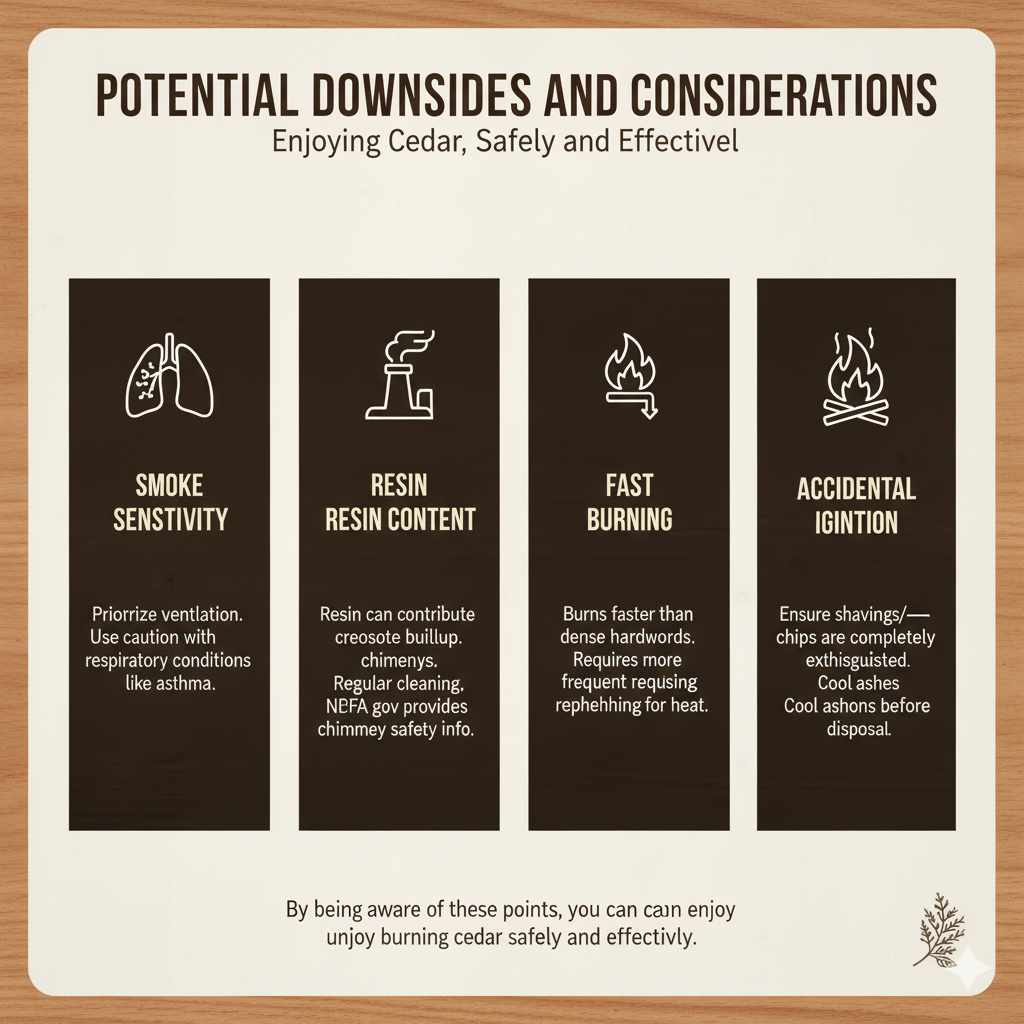
Potential Downsides and Considerations
While the benefits of burning cedar are plentiful, there are a few things to be mindful of.
- Smoke Sensitivity: As mentioned, some individuals, especially those with respiratory conditions like asthma, might be sensitive to smoke. Always prioritize ventilation.
- Resin Content: Cedar wood is resinous, which gives it its strong aroma. In fireplaces or wood stoves, this resin can contribute to creosote buildup in chimneys if not properly maintained. Regular chimney cleaning is essential for safety. A guide to chimney safety can be found on the National Fire Protection Association (NFPA) website.
- Fast Burning: Cedar tends to burn faster than denser hardwoods. This means if you’re using it for heat, you’ll need to replenish the wood more often.
- Accidental Ignition: Ensure that any cedar shavings or chips used as incense are completely extinguished and that ashes are cooled before disposal.
By being aware of these points, you can enjoy burning cedar safely and effectively.
Frequently Asked Questions (FAQ) about Burning Cedar
Q1: Is burning cedar indoors safe?
Yes, burning cedar indoors can be safe if done with proper precautions. Always ensure good ventilation by opening a window slightly. Use fire-safe containers and never leave burning cedar unattended. If you have respiratory issues, consult with a healthcare provider first.
Q2: What does burning cedar symbolize?
Traditionally, burning cedar, especially in smudging rituals, symbolizes purification, healing, and the clearing of negative energy. It is often used to cleanse spaces and invite positive influences.
Q3: Can I use any cedar wood to burn?
It’s best to use natural, untreated cedar wood. Avoid cedar that has been treated with chemicals, paints, or varnishes, as burning these can release harmful fumes. For aromatic purposes, wood from species like Western Red Cedar or Eastern Red Cedar is ideal.
Q4: How long does the scent of burning cedar last?
The intensity and duration of the scent depend on the method and amount used. Smudging with a stick might last for a cleansing ritual, while adding chips to a fire will scent the air as long as they are smoldering. Cedar generally has a noticeable aroma that dissipates within an hour or two after the smoke clears.
Q5: Does burning cedar actually purify the air?
While cedar smoke has compounds that may have antimicrobial properties and can help mask odors, it’s not a replacement for a HEPA air filter or regular ventilation. It can contribute to a fresher-smelling environment and may help reduce some airborne contaminants. For more on air purification, refer to resources like the Environmental Protection Agency (EPA).
Q6: Are there any health risks associated with burning cedar?
The primary risk comes from inhaling smoke, especially for individuals with respiratory sensitivities. Burning treated wood or in poorly ventilated spaces can be harmful. Unburned cedar wood itself is non-toxic and commonly used in crafts, clothing storage, and even some food products.
Conclusion: Embrace the Natural Goodness of Burning Cedar
As we’ve explored, burning cedar is far more than just a way to make your home smell nice. It’s a practice steeped in tradition that offers a range of tangible benefits, from creating a calming atmosphere and repelling insects naturally, to potentially contributing to a cleaner-smelling environment. Its woody, soothing aroma can transform your living space into a sanctuary of peace and tranquility.
Whether you’re drawn to the spiritual cleansing aspects of smudging, the practical pest control of cedar chips in an outdoor space, or simply the comforting scent filling your home from a fireplace, there’s a way for everyone to enjoy cedar’s gifts. Remember to always prioritize safety by ensuring good ventilation and using appropriate burn containers.
So, the next time you have a piece of natural cedar wood, consider burning a small amount. Breathe in its unique fragrance, embrace the centuries of tradition, and enjoy the proven benefits it can bring to your home and your well-being. It’s a simple, natural, and rewarding practice that connects us to the enduring qualities of nature.