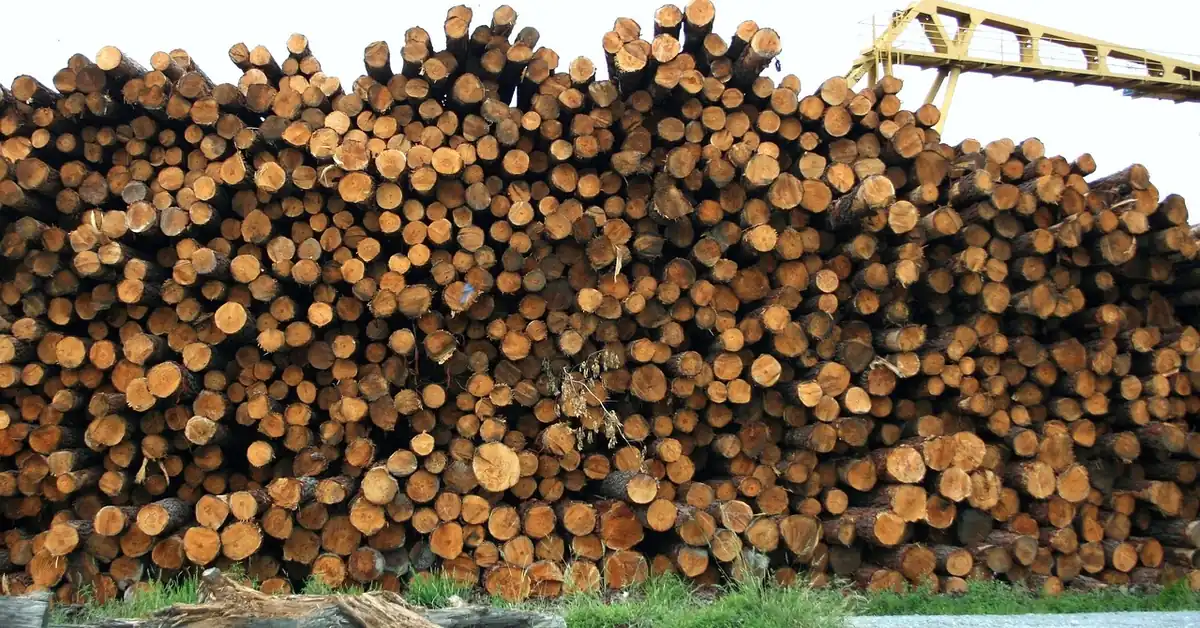
Cedar Wood Market Trends 2026: Rising or Falling Prices?
Cedar lumber is not following the rest of the softwood market down. General framing lumber fell about 11% over the past year toward a three-month low, but cedar has held firmer — squeezed by a 14.54% Canadian softwood tariff, over 1.3 billion board feet of capacity cuts, and reduced federal timber sales in California that constrain both redwood and cedar supply. This guide covers what is actually moving cedar prices in 2026, whether they will keep climbing, and how to time a purchase.
Quick Answer
Cedar prices are mostly flat to slightly up in 2026 even though general lumber is down about 11% year-over-year. The reason is supply, not demand: mill closures, a 14.54% tariff on Canadian softwood, and a sharp cut in California’s federal timber program are keeping cedar and redwood supply tight while commodity framing lumber gets cheaper.
Cedar Lumber Prices Right Now (2026)
Best Moisture Meter Pick for Checking Cedar
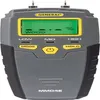
General Tools MMD4E Moisture Meter for Wood, Walls & Water Leak Detection
A pin-type meter that gives a fast, direct moisture percentage reading on cedar boards before you commit to an order.
- Best for: Confirming kiln-dried cedar reads under 19% before buying or installing
- Why we picked it: Simple pin-type readout, no calibration hassle, priced for a one-time lumber check
- Main drawback: Pins leave tiny marks — fine on framing/fencing stock, less ideal on show-face furniture boards
Compare more moisture meter options
 Option 1 Klein Tools ET140 Pinless Moisture Meter
|
 Option 2 Mecurate Digital Pin Type Wood Moisture Meter
|
 Option 3 TopTes TS-630 Digital Wood Moisture Meter
|
As an Amazon Associate we earn from qualifying purchases.
Cedar boards generally run $4 to $9 per board foot depending on grade and species, with knotty stock at the low end and clear, knot-free cedar at the high end — that has not changed much this year. What has changed is the gap between cedar and everything else. The Random Lengths framing lumber composite (the benchmark for SPF/pine framing stock) has been sliding toward roughly $580–$618 per thousand board feet, its lowest point in about three months, on weak new-home construction and general trade uncertainty.
Cedar has not tracked that decline. It is a specialty species with its own, much smaller supply chain, so it responds to different pressures than commodity SPF framing lumber. For exact current pricing by board size and species, see our full cedar wood cost breakdown, which tracks real lumberyard price lists rather than market-wide averages.
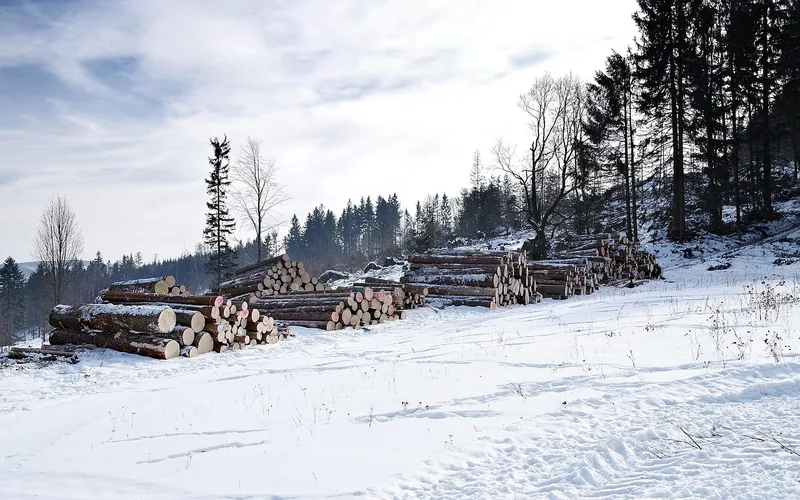
Why Cedar Isn’t Falling With the Rest of the Lumber Market
Cedar is a softwood species that stays comparatively expensive because its supply is shrinking even when demand for framing lumber softens. Three forces are driving that gap in 2026, and none of them are specific to cedar — they hit the whole specialty-softwood supply chain, which is exactly why cedar hasn’t gotten cheaper along with pine and SPF.
- Tariffs on Canadian softwood. Combined countervailing and anti-dumping duties on Canadian softwood lumber now run as high as 35.2% on some mills, with a standard 14.54% softwood lumber tariff adding roughly $60–$70 per thousand board feet to landed cost. Industry estimates put the added material cost at around $9,200 per new single-family home built with imported softwood.
- Mill closures and capacity cuts. Ongoing mill closures in British Columbia and the U.S. South are pulling more than 1.3 billion board feet of softwood lumber capacity out of the market, a cut large enough to firm up prices even where demand is flat.
- Reduced federal timber sales in California. Lower federal timber sale volume in California has constrained both redwood and cedar supply from West Coast sources, sustaining a pricing premium on both species even as broader softwood demand cools.
Put together, this is why the same softwood-market weakness that’s dragging pine and SPF prices down has barely touched cedar. Cedar’s supply cuts are running on their own timeline, independent of new-home construction demand.
| Lumber Type | 2026 Price Direction | Main Driver |
|---|---|---|
| Commodity framing (SPF/pine) | Down ~11% year-over-year | Weak new-home construction demand |
| Cedar (all grades) | Flat to slightly up | Mill closures, CA timber sale cuts, tariffs |
| Redwood | Flat to up, regional premium | Same CA federal timber sale constraint as cedar |
Buying Cedar in 2026: What to Check Before You Pay
With cedar holding its price rather than following the market down, getting real value out of a purchase comes down to buying the right grade and confirming what you’re actually getting — not waiting for a discount that general softwood pricing trends suggest isn’t coming for cedar specifically.
- Match grade to the job: Knotty cedar ($2–$5/bf) is fine for fencing and rustic siding; save clear, knot-free cedar ($4–$8/bf) for visible furniture and trim where the premium actually shows.
- Check moisture content before you buy, not after you build: Kiln-dried (KD) cedar should read under 19% on a moisture meter. Green or air-dried stock reading higher will shrink and can warp after installation — a $20–$40 meter pays for itself on a single deck-sized order.
- Ask which mill it came from: With BC and U.S. South mills closing, some yards are substituting stock from further away. That’s not necessarily bad, but it affects lead time and, on larger orders, freight-driven price.
- Price the whole order, not just the board foot rate: A lumberyard’s quoted per-board-foot price often excludes delivery, and with fewer active mills, delivery windows have gotten longer in some regions.
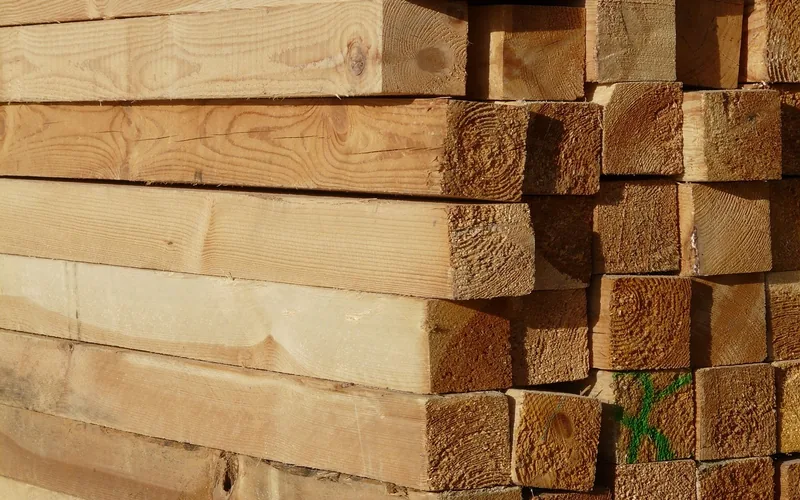
FSC Certification and the Sustainability Premium
FSC (Forest Stewardship Council) certification verifies that cedar was harvested from a responsibly managed forest, and it is becoming a bigger factor in both price and availability. FSC-certified wood usage has grown roughly 50% over the last five years, and the certified share of global industrial roundwood rose from about 38% in 2020 to an estimated 48% by 2025. On the buyer side, close to 40% of builders now recommend FSC-certified wood, and over 60% of consumers say they prefer sustainably sourced decking material.
This is showing up in code and ratings systems, not just marketing: LEED v4.1 awards credits for FSC-certified wood, and California’s 2025 Title 24 update requires environmental product declarations for wood decking used on public projects. Expect FSC-certified cedar to carry a modest but persistent price premium over uncertified stock as this becomes a spec requirement rather than an optional upgrade in more regions.
Regional Price Differences
Cedar pricing varies more by region than most framing lumber because so much of the U.S. supply comes from a relatively small number of Pacific Northwest and Canadian mills. Buyers on the West Coast, close to Western Red Cedar mills, typically see the least markup. Buyers in the Northeast and Midwest generally pay a freight premium on top of the mill price, and that gap has widened as some regional mills have closed and stock travels farther to reach yards. Always get a current local quote — national averages are a planning tool, not a substitute for calling your yard.
Cedar Price Forecast: Will It Keep Rising in 2026?
Broader softwood lumber forecasts call for prices to firm up later in 2026 as mill capacity cuts (over 1.3 billion board feet) meet a modest rebound in demand, with futures trading in a roughly $484–$534 per thousand board feet range. For cedar specifically, none of the pressure points behind this year’s relative price strength — the tariff, the carbon tax increase, or the California federal timber sale cuts — look likely to reverse in the near term. That points to cedar prices holding steady to modestly higher through the rest of 2026 rather than following commodity lumber into a discount.
If your project timeline is flexible, there is no strong price signal to wait on cedar the way there might be for SPF framing lumber. If anything, tightening mill capacity is a mild argument for buying sooner rather than later on a large order.
Frequently Asked Questions
Is cedar wood getting more expensive in 2026?
Yes, modestly. Cedar hasn’t fallen with the broader softwood lumber market, which is down about 11% year-over-year. Mill closures, a 14.54% Canadian softwood tariff, and reduced California federal timber sales are keeping cedar supply tight even as demand for general framing lumber softens.
Why is cedar not getting cheaper like other lumber?
Cedar is a specialty species with a much smaller, more concentrated supply chain than commodity SPF or pine framing lumber. Its price responds to mill closures, tariffs, and timber-sale policy more than to new-home construction demand, which is the main thing dragging general lumber prices down right now.
Is now a good time to buy cedar wood?
If your project is ready to go, yes — there’s no strong signal that cedar prices are about to drop. Ongoing mill capacity cuts are a mild argument for buying sooner rather than waiting, especially for larger orders where freight and lead times are also lengthening.
Does FSC certification make cedar more expensive?
Usually a modest premium, yes. But demand for certified wood is rising fast — FSC-certified wood usage is up about 50% over five years — and some codes and rating systems, like LEED v4.1 and California’s Title 24, now favor or require it, so the price gap is likely to narrow rather than widen over time.
Why does cedar price vary so much by region?
Most U.S. cedar supply comes from a relatively small number of Pacific Northwest and Canadian mills. Buyers farther from those mills pay a freight premium on top of the base price, and that gap has grown as some regional mills have closed and stock has to travel farther to reach local yards.
Cedar’s 2026 pricing story is really a supply story: tariffs, mill closures, a carbon tax increase, and cuts to California’s federal timber program are keeping cedar firm while general softwood lumber gets cheaper. For exact current pricing by board size, see our cedar wood cost guide, and if you’re deciding between species for a project, compare cedar for decking or cedar for fencing before you order.
Sponsored / affiliate links. As an Amazon Associate I earn from qualifying purchases. I may earn additional commission from eligible campaigns.