Which Cedar Smells the Best? Every Species Ranked
Western Red Cedar is the best-smelling cedar for most people — a sweet, mild, slightly fruity aroma that doesn’t overwhelm a closet or workshop. But Eastern Red Cedar (the “pencil cedar” scent) is stronger and lasts longer if you want a fragrance that actually perfumes a room for decades.
Picking the wrong one matters: Eastern Red Cedar’s aromatic oils can overpower a small closet, while true Cedrus species like Atlas or Deodar cedar smell almost nothing like the “cedar chest” scent Americans expect. This guide ranks six real cedar-family species by scent, explains the chemistry behind each one, and clears up which “cedars” — including Techny arborvitae — aren’t true cedars at all.
Quick Answer
Western Red Cedar has the mildest, sweetest scent and is the top pick for closets and drawers. Eastern Red Cedar (aromatic cedar) smells stronger and more pungent — the classic “pencil shavings” note — and holds its scent longer. True Cedrus species (Atlas, Deodar, Cedar of Lebanon) smell resinous and pine-like, not like the North American “cedar chest” scent at all.
Cedar Species Ranked By Smell
Best Cedar Closet Fragrance Pick
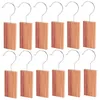
Cedar for Closets, Set of 12 Natural Cedar Wood Hangers – $18.39
Combines closet storage with the slow, steady Western Red Cedar scent release this guide recommends for enclosed spaces — no risk of overpowering stored clothing.
- Best for: everyday closets and wardrobes
- Why we picked it: exposed wood surface keeps releasing scent instead of sealing it in like a finished block
- Main drawback: milder scent than dedicated Eastern Red Cedar blocks, needs occasional light sanding to refresh
Compare more cedar scent-revival options
 Option 1 Colton’s Naturals Cedar Spray, 32 oz – $39.95
|
 Option 2 Colton’s Naturals Cedar Spray, 4 oz – $16.95
|
 Option 3 Cedar Oil, Giles & Kendall, 8 oz – $29.40
|
As an Amazon Associate we earn from qualifying purchases.
“Cedar” is a common name applied loosely to several unrelated conifer genera in North America, so the six wood types below don’t all belong to the same botanical family — that’s exactly why their scents differ so much.
| Species | Scent Profile | Best For |
|---|---|---|
| Western Red Cedar (Thuja plicata) | Sweet, mild, slightly fruity and earthy | Closets, siding, everyday woodworking |
| Eastern Red Cedar (Juniperus virginiana) | Strong, sharp, pencil-shaving scent | Chests, drawers, long-lasting moth defense |
| Atlas Cedar (Cedrus atlantica) | Warm, resinous, balsamic — true cedar/pine note | Essential oil blends, ornamental lumber |
| Deodar Cedar (Cedrus deodara) | Sweet, woody, faintly citrus | Incense, decorative carving |
| Spanish Cedar (Cedrela odorata) | Spicy, cigar-box aroma, not a true cedar | Cigar boxes, humidors, guitar linings |
| Techny Arborvitae (Thuja occidentalis ‘Techny’) | Faint, piney, sometimes citrusy — not a “cedar” smell | Privacy hedges, not fragrance use |
Note the split: Western Red Cedar, Eastern Red Cedar, and Techny arborvitae are all common North American landscape or lumber species people call “cedar,” but only Atlas and Deodar Cedar belong to the true cedar genus Cedrus. Spanish Cedar is a mahogany relative that just smells cedar-like. The scent families genuinely don’t overlap much, which is why direct comparisons between them online are so inconsistent.
Why “Cedar” Doesn’t Always Mean The Same Smell
Cedar is a common name applied to wood from several conifer genera — Thuja, Juniperus, and Cedrus among them — that share a resinous, aromatic character but are not closely related botanically. That’s the source of most “which cedar smells best” confusion: two woods can carry the same common name and smell nothing alike.
Does Techny Cedar (Arborvitae) Actually Smell Good?
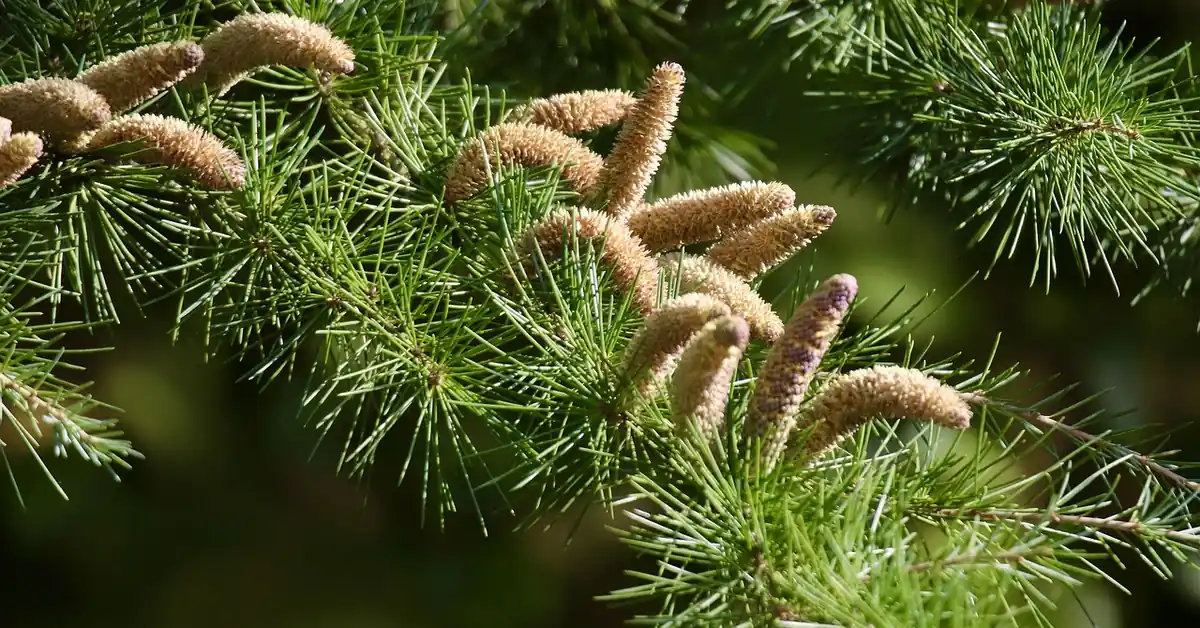
Yes, but not like cedar. Techny is a cultivar of Thuja occidentalis — Northern White Cedar, actually a member of the cypress family — grown mainly as a privacy hedge. Crushed foliage releases a faint, piney, sometimes citrusy scent, but it lacks the sweet-to-pungent aromatic oils that make Western and Eastern Red Cedar smell distinct. If you searched for “Techny cedar smell” expecting a strong cedar-chest aroma, that’s a different tree entirely — closer to arborvitae than to the cedars used in closets and lumber.
What Gives Eastern Red Cedar That “Pencil Shavings” Smell?
Eastern Red Cedar has been the standard wood for pencil casings since the early 1900s, which is why sharpening a pencil and opening a cedar chest smell almost identical — it’s the same wood. Manufacturers still use small amounts of it, along with basswood and incense-cedar substitutes, in modern pencils. The sharp, spicy note comes from high concentrations of cedrol and thujopsene in the heartwood.
The Chemistry Behind Cedar’s Scent
Cedar’s aroma comes from volatile organic compounds (VOCs) stored in the wood’s heartwood oils, not the bark or sapwood. Three compounds account for most of the scent differences between species:
- Cedrol — the dominant compound in Eastern Red Cedar; gives the classic sweet, woody “cedar chest” note and is also used as a synthetic fragrance base.
- Thujopsene — found in higher concentrations in Western Red Cedar; contributes a spicier, earthier undertone.
- α-Cedrene — present in both species at lower levels; adds a fresh, sharp top note that fades fastest.
Because these oils sit in the heartwood, freshly cut or sanded cedar always smells strongest — exposing new wood surface is the fastest way to revive a faded scent (see the revival steps further down).
📊 Eastern Red Cedar has been the primary wood used for pencil casings in the U.S. since the early 1900s — Source: USDA Forest Service, Plant of the Week: Eastern Redcedar
Western Red Cedar remains the top pick when the goal is a scent that’s pleasant in an enclosed space without becoming overpowering — which is why it dominates closets, chests, and siding. For a full breakdown of what cedar smells like in general use (not just species-to-species ranking), see our companion guide on what cedar wood actually smells like.
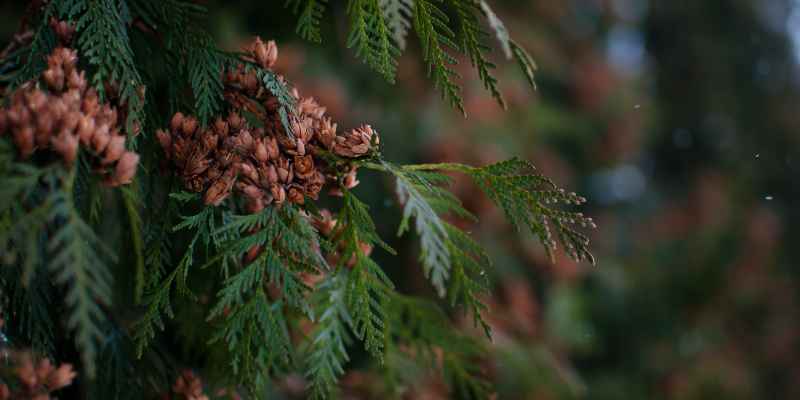
Best-Smelling Cedar For Closets And Chests
For closets specifically, Eastern Red Cedar outperforms Western Red Cedar because its scent is both stronger and slower to fade — the same trait that makes it effective against moths. Western Red Cedar is the better choice if the space is small or shared, since its milder aroma won’t linger on stored clothing.
- Cedar blocks and balls: easiest to place in drawers; need refreshing (light sanding or a few drops of cedar oil) every 3–6 months as the surface oils oxidize.
- Cedar hangers: combine function with a slow, steady scent release since the wood surface stays exposed to air.
- Cedar planks: installed on closet walls, these cover the largest surface area and last years longer than loose blocks before needing a refresh.
Reviving Faded Cedar Scent
Cedar’s scent fades as the surface oils oxidize — typically within 6–12 months for exposed blocks, longer for planks and furniture with less surface area exposed to air. The fix is almost always to expose fresh wood or oil, not to add artificial fragrance.
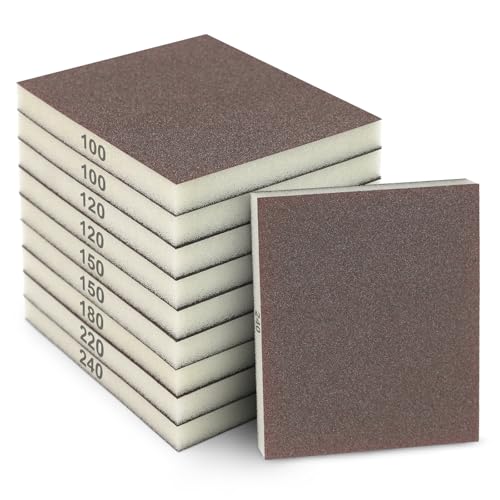
- Sand lightly: use 150–220 grit sandpaper to remove a thin oxidized layer and expose fresh, oil-rich wood underneath.
- Apply pure cedar oil: wipe a small amount onto the sanded surface with a cloth — a little goes a long way, since the oil is concentrated.
- Add fresh blocks alongside old ones: new cedar blocks placed near faded ones will refresh the overall scent in the space within days.
- Keep it dry: humidity slows oil evaporation and dulls the scent faster than normal use — a dry closet or chest holds scent longest.
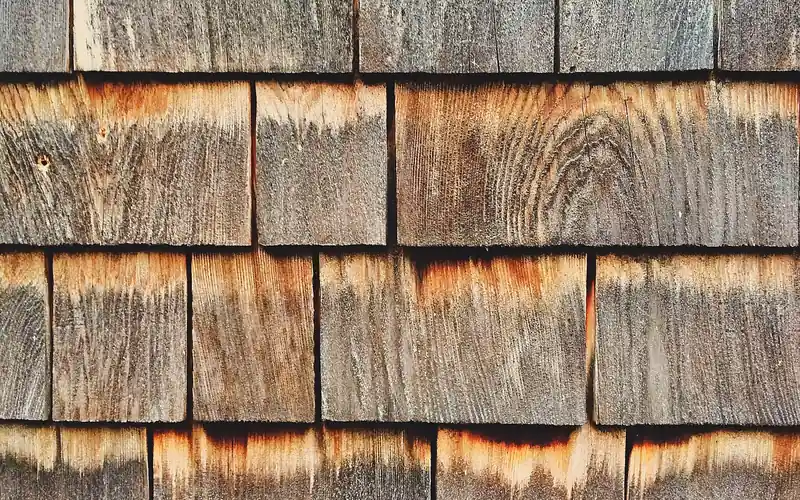
“Cedar closets lose their punch faster than people expect — usually inside the first year. A quick pass with 220-grit sandpaper on a block or plank brings the scent back almost instantly, because you’re exposing wood that hasn’t oxidized yet.”
Frequently Asked Questions
Which Cedar Has the Best Smell?
Western Red Cedar has the best all-around smell for most people — sweet, mild, and long-lasting without being overpowering. Eastern Red Cedar smells stronger and more pungent, which some people prefer for moth-proofing chests and drawers.
Do All Cedar Trees Smell the Same?
No. Western Red Cedar has a sweet, mild aroma, Eastern Red Cedar smells sharper and more like fresh pencil shavings, and true Cedrus species like Atlas and Deodar Cedar smell resinous and pine-like — closer to pine or fir than to a North American cedar closet.
Do Techny Cedars (Arborvitae) Smell Good?
Techny arborvitae has a faint, piney, sometimes citrusy scent when the foliage is crushed, but it’s not a true cedar — it’s a Thuja occidentalis cultivar in the cypress family. It doesn’t carry the sweet or pungent aromatic oils that make Western and Eastern Red Cedar smell distinct.
What Wood Holds Its Scent Best?
Eastern Red Cedar holds scent longest among common cedars because its heartwood carries a higher concentration of cedrol oils. Planks and solid blocks also hold scent longer than thin sachets, simply because there’s more oil-bearing wood mass to release fragrance over time.
Conclusion
Western Red Cedar wins for most everyday uses — closets, chests, and general woodworking — because its scent is pleasant without becoming overpowering. Choose Eastern Red Cedar when you want a stronger, longer-lasting fragrance for moth protection, and skip anything just labeled “cedar” at a garden center without checking the species, since Techny arborvitae and true Cedrus species smell nothing alike.
Sponsored / affiliate links. As an Amazon Associate I earn from qualifying purchases. I may earn additional commission from eligible campaigns.