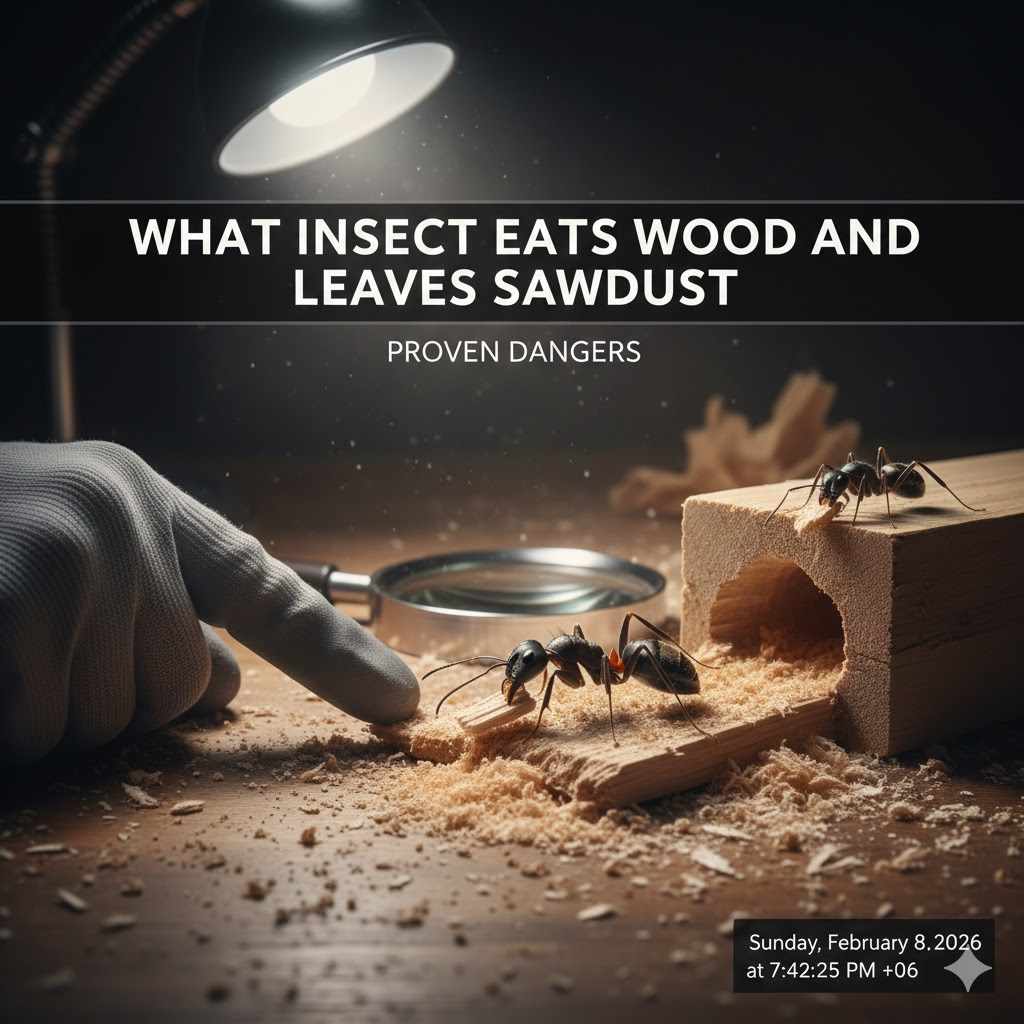
What Insect Eats Wood and Leaves Sawdust: Proven Dangers
Several insects eat wood and leave sawdust, but the most common culprits are Carpenter Ants, Powderpost Beetles, and Drywood Termites. Carpenter ants create coarse, fibrous shavings, while powderpost beetles leave a fine, flour-like powder. Drywood termites produce distinct, hard pellets. Identifying the type of sawdust, or “frass,” is the first step to addressing the serious structural damage they can cause.
Hello fellow makers and homeowners! It’s Md Meraj, and today we’re tackling a discovery that can make any heart sink: finding a mysterious pile of sawdust where there shouldn’t be one. You didn’t cut any wood, so where did it come from? This little pile is often the first sign that an unwanted guest is making a meal out of your home or your precious woodworking projects.
Finding this can feel alarming, but don’t worry. It’s a common problem, and figuring it out is easier than you think. This guide will help you play detective. We’ll look at the main insects that leave sawdust behind, show you how to tell them apart, and explain the real dangers they pose. Let’s get to the bottom of this so you can protect your wood with confidence.
The Telltale Clue: Understanding “Frass”
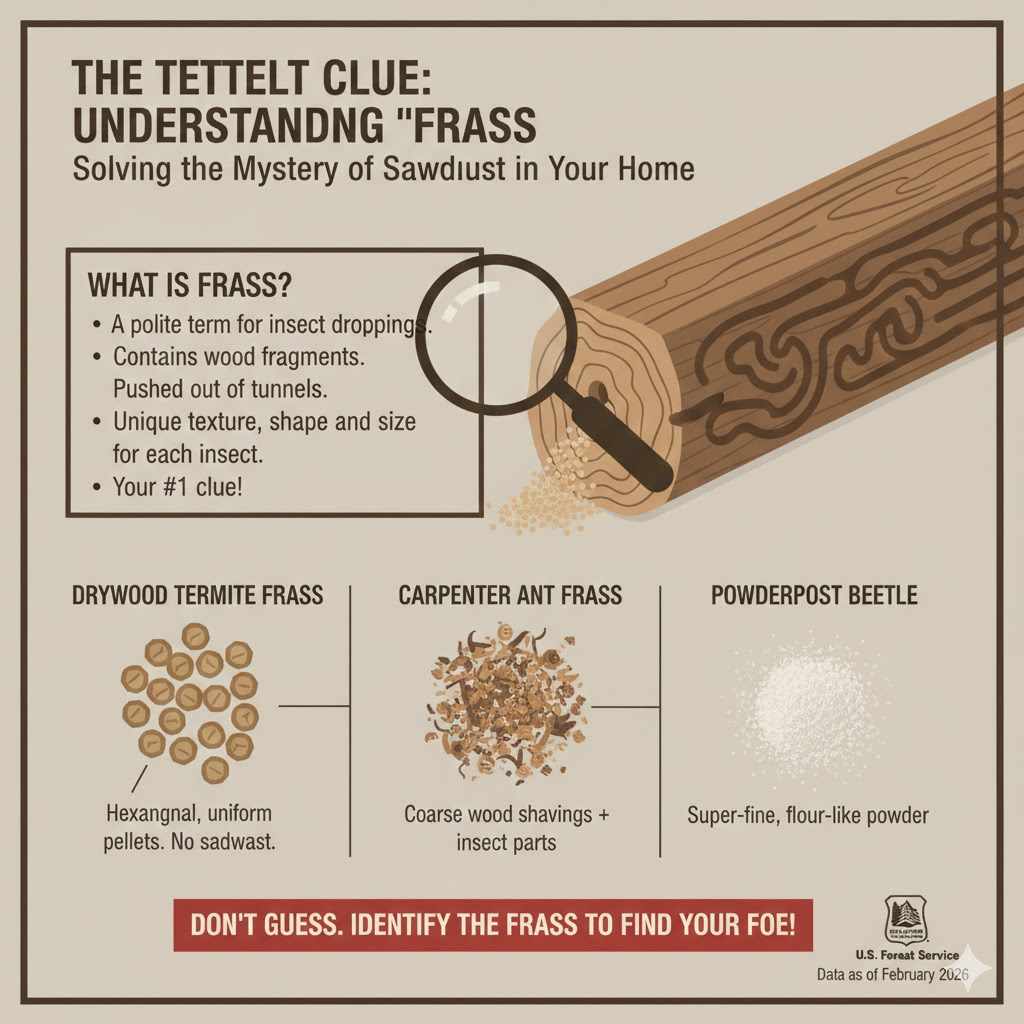
Before we meet our suspects, let’s talk about the evidence they leave behind. That “sawdust” you’re seeing isn’t actually sawdust in the way a saw makes it. In the world of pest control, it’s called “frass.” Frass is a polite term for insect droppings and wood fragments that are pushed out of the tunnels and nests they create inside wood.
The texture, shape, and consistency of frass are unique to each insect. It’s the most reliable clue you have for identifying who your uninvited guest is. Looking closely at the frass is your first and most important step in solving this mystery.
Meet the Suspects: The Top 3 Wood-Destroying Insects
When you find frass, it’s almost always one of three culprits. Let’s break down how to identify each one by the clues they leave behind.
1. Carpenter Ants: The Excavators
First up are carpenter ants. It’s a common misconception that carpenter ants eat wood. They don’t! Instead, they are powerful excavators. They chew through wood to create smooth tunnels and galleries for their nests. They prefer wood that has been softened by moisture, but they will move into dry, sound wood as well.
The Frass They Leave
Because they are just clearing out space, the frass they push out of their nests looks a lot like actual sawdust. Look for:
- Coarse, fibrous shavings: It will feel like tiny wood shavings or pencil shavings.
- Insect parts: Their frass is often mixed with parts of dead ants or other insects they’ve eaten. This is a dead giveaway.
- No mud: Unlike some termites, their galleries are clean and smooth, with no soil or mud mixed in.
You’ll typically find these piles of frass beneath small slits or holes in wood, often called “windows.” You might find it under window sills, in crawl spaces, attics, or hollow doors.
Other Signs of Carpenter Ants
- Faint rustling sounds: In quiet moments, you might hear a faint crinkling or rustling sound coming from inside your walls.
- Seeing the ants: Carpenter ants are large, typically black or reddish-black, and are very active at night. Seeing them foraging in your kitchen or along baseboards is a strong sign.
- Swarmers: Seeing large, winged ants emerge in the spring is a sure sign of a mature, active colony nearby.
The Danger of Carpenter Ants
While a single nest might not cause immediate alarm, a large, well-established colony can cause significant structural damage over several years. They hollow out wooden beams, support studs, and other critical parts of your home’s frame. This weakens the structure from the inside, often without any visible signs on the surface until the damage is severe. For more information on their habits, the University of Minnesota Extension offers excellent resources.
2. Powderpost Beetles: The Fine Powder Producers
Next on our list are powderpost beetles. These are small beetles whose larvae, often called woodworms, do all the damage. The adult beetles lay their eggs in the pores of untreated wood. When the eggs hatch, the tiny larvae tunnel through the wood, eating the starch and protein inside.
The Frass They Leave
The name “powderpost” tells you everything you need to know about their frass. It’s incredibly fine and powdery, much different from the coarse shavings of carpenter ants. Look for:
- Talcum-powder consistency: It feels as fine as baking flour or talcum powder when you rub it between your fingers.
- Light color: The frass is usually the same color as the wood it came from.
- Found beneath exit holes: The frass is pushed out of tiny, pinhole-sized “exit holes” that the adult beetles create when they emerge from the wood.
You often find their frass in little piles on or below antique furniture, hardwood floors, structural timbers in basements or attics, and even tool handles.
Other Signs of Powderpost Beetles
- Tiny exit holes: The most obvious sign is a series of small, round holes on the wood surface, about 1/16 to 1/8 inch in diameter. They look like someone poked the wood with a pin.
- Active season: Infestations are most active in the warmer months when beetles emerge. You might notice new piles of frass appearing in spring and summer.
The Danger of Powderpost Beetles
Powderpost beetles can be incredibly destructive, especially to hardwoods. Over time, the larvae can turn a solid piece of wood into a fragile, hollow shell filled with fine powder. Because some species can re-infest the same piece of wood for generations, an infestation can continue for years, eventually destroying flooring, furniture, and structural beams completely.
3. Drywood Termites: The Pellet Pushers
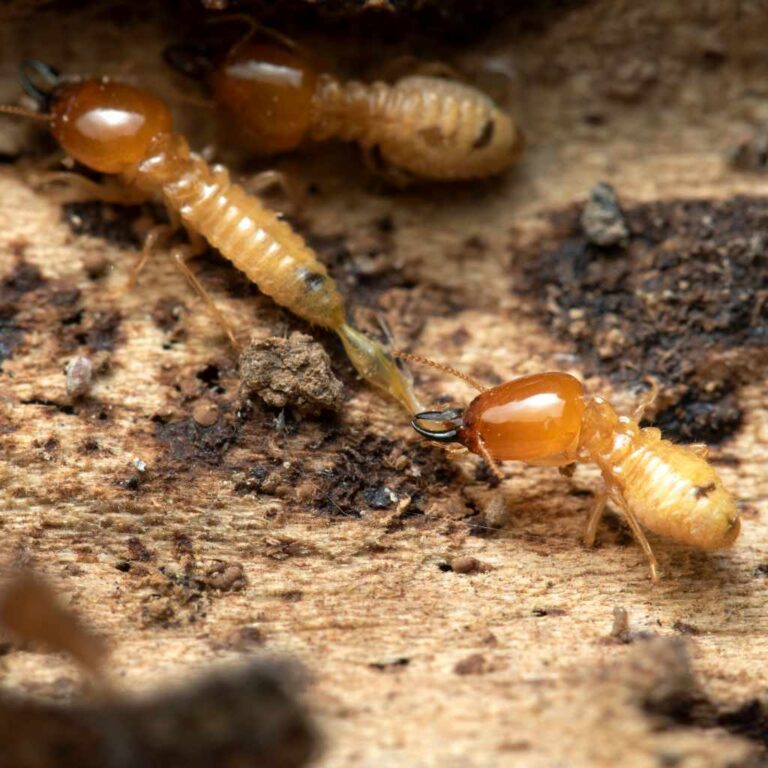
Finally, we have drywood termites. Unlike their more famous cousins, subterranean termites (who live underground and bring mud with them), drywood termites live entirely inside the wood they consume. They don’t need contact with soil and get all the water they need from the wood itself.
The Frass They Leave
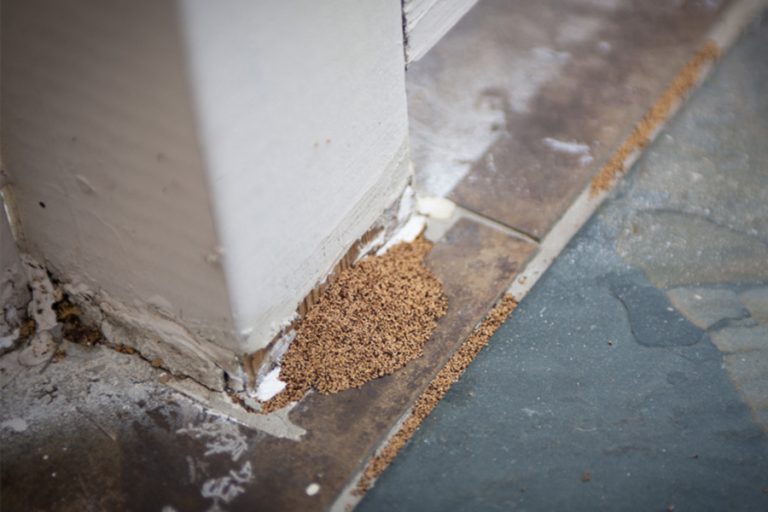
Drywood termite frass is very distinctive and easy to identify once you know what you’re looking for. They create hard, dry fecal pellets.
- Six-sided pellets: If you look very closely, perhaps with a magnifying glass, you’ll see the tiny pellets are oblong and have six distinct sides.
- Gritty texture: The pellets are hard and have a gritty feel, often compared to sand or coffee grounds. They are not powdery at all.
- Varied colors: The color of the pellets depends on the color of the wood they are eating.
Termites keep their tunnels and galleries very clean. They create small “kick-out” holes to push the pellets out, which then form small piles below. If you clean up a pile and it reappears, you have an active infestation.
Other Signs of Drywood Termites
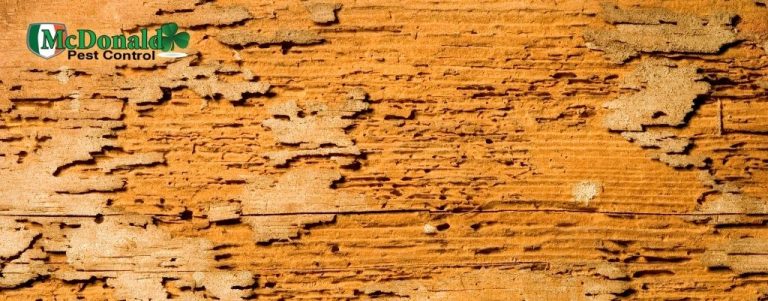
- Blistered or hollow wood: The wood surface may look normal, but it might have a blistered appearance or sound hollow when tapped.
- Discarded wings: Like carpenter ants, drywood termites have reproductive swarmers that shed their wings after finding a mate. Finding small, identical wings on window sills or in spider webs is a classic sign.
The Danger of Drywood Termites
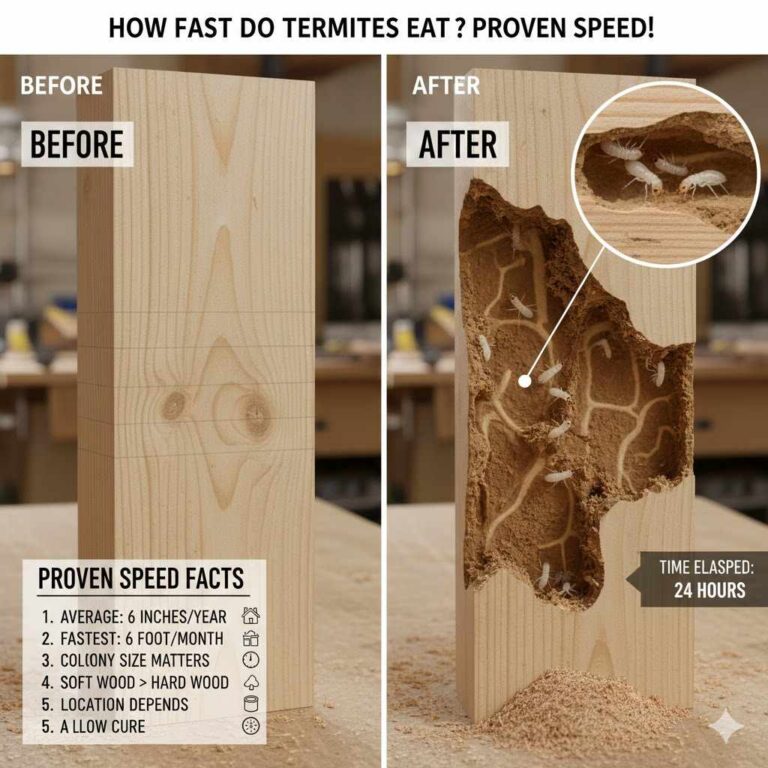
Termites are infamous for a reason. They eat wood 24/7, and an entire colony can cause widespread, severe damage before you even know they are there. They compromise the structural integrity of your home, eating through support beams, floor joists, and wall studs. The U.S. Environmental Protection Agency provides helpful guidance on termite identification and control, emphasizing their destructive potential.
Quick Identification Guide: Insect, Frass, and Damage
Here is a simple table to help you compare the evidence at a glance. It’s a great cheat sheet to keep handy when you’re investigating.
| Insect | Type of “Sawdust” (Frass) | Appearance of Wood Damage | Other Common Signs |
|---|---|---|---|
| Carpenter Ant | Coarse, fibrous shavings, like pencil shavings. May contain insect parts. | Smooth, clean galleries inside wood. Small slits or “windows” on the surface. | Visible large ants, faint rustling sounds in walls, winged swarmers. |
| Powderpost Beetle | Very fine, flour-like or talc-like powder. Gritty feel is minimal. | Multiple small, round “pinhole” exit holes (1/16″ to 1/8″). | Piles of fine dust beneath holes, especially on hardwood. |
| Drywood Termite | Hard, six-sided pellets. Gritty texture, like sand or poppy seeds. | Wood may sound hollow or appear blistered. Tiny “kick-out” holes. | Piles of pellets, discarded wings of equal size. |
Proven Dangers: Why Ignoring Frass Is a Costly Mistake
Discovering frass might seem like a small issue, but it’s a huge warning sign. Ignoring it can lead to serious consequences for your home and your wallet.
1. Structural Damage
This is the most significant danger. All three of these pests compromise the structural integrity of wood. Over time, their tunneling and eating can weaken critical components of your house:
- Support Beams and Joists: Weakened beams can lead to sagging floors and ceilings.
- Wall Studs: Damaged studs can cause walls to buckle or lose their load-bearing capacity.
- Roofs and Attics: Infestations in rafters can lead to serious and expensive roof damage.
In the worst-case scenario, this damage can lead to a partial or total structural collapse, posing a direct threat to your family’s safety.
2. Extreme Financial Costs
Dealing with a wood-destroying insect infestation is never cheap, but the costs skyrocket the longer you wait. You’re not just paying for pest control treatment. You’re also paying for:
- Structural repairs: Replacing load-bearing beams or joists can cost thousands of dollars.
- Cosmetic repairs: This includes replacing drywall, flooring, and paint.
- Furniture replacement: Powderpost beetles and drywood termites can destroy irreplaceable antique furniture.
3. Decreased Home Value
A history of infestation, especially one that caused significant damage, can drastically lower your property’s value. Prospective buyers are often wary of homes that have had issues with termites or carpenter ants, and you may be required by law to disclose past infestations.
Your Action Plan: What to Do When You Find Sawdust
Okay, so you’ve found frass and identified a likely suspect. Now what? It’s time to act, but in a calm and methodical way. Here is your step-by-step plan.
- Don’t Disturb the Scene Too Much: Your first instinct might be to clean it all up, but leave some of the frass in place. It’s valuable evidence for a professional.
- Collect a Sample: Scoop a small amount of the frass into a clear plastic bag or a small jar. This will be incredibly helpful for a pest control expert to make a positive identification. Take a few clear, well-lit photos as well.
- Pinpoint the Location: Try to find exactly where the frass is coming from. Look directly above the pile. Do you see tiny holes, cracks, or slits in the wood? Note the exact location (e.g., “under the third floor joist from the left in the basement”).
- Call a Professional Immediately: This is not a DIY situation. Wood-destroying insects can be very difficult to eliminate completely. A licensed and reputable pest control company has the training, equipment, and products to correctly identify the pest and implement an effective treatment plan.
- Look for Moisture Problems: While you wait for the expert, check for sources of moisture near the infestation. Carpenter ants, in particular, are drawn to damp wood. Fixing a leaky pipe, improving ventilation in a crawlspace, or redirecting a downspout could help prevent future problems. The U.S. Forest Service provides great information on how moisture affects wood durability.
Long-Term Prevention: Protecting Your Home and Workshop
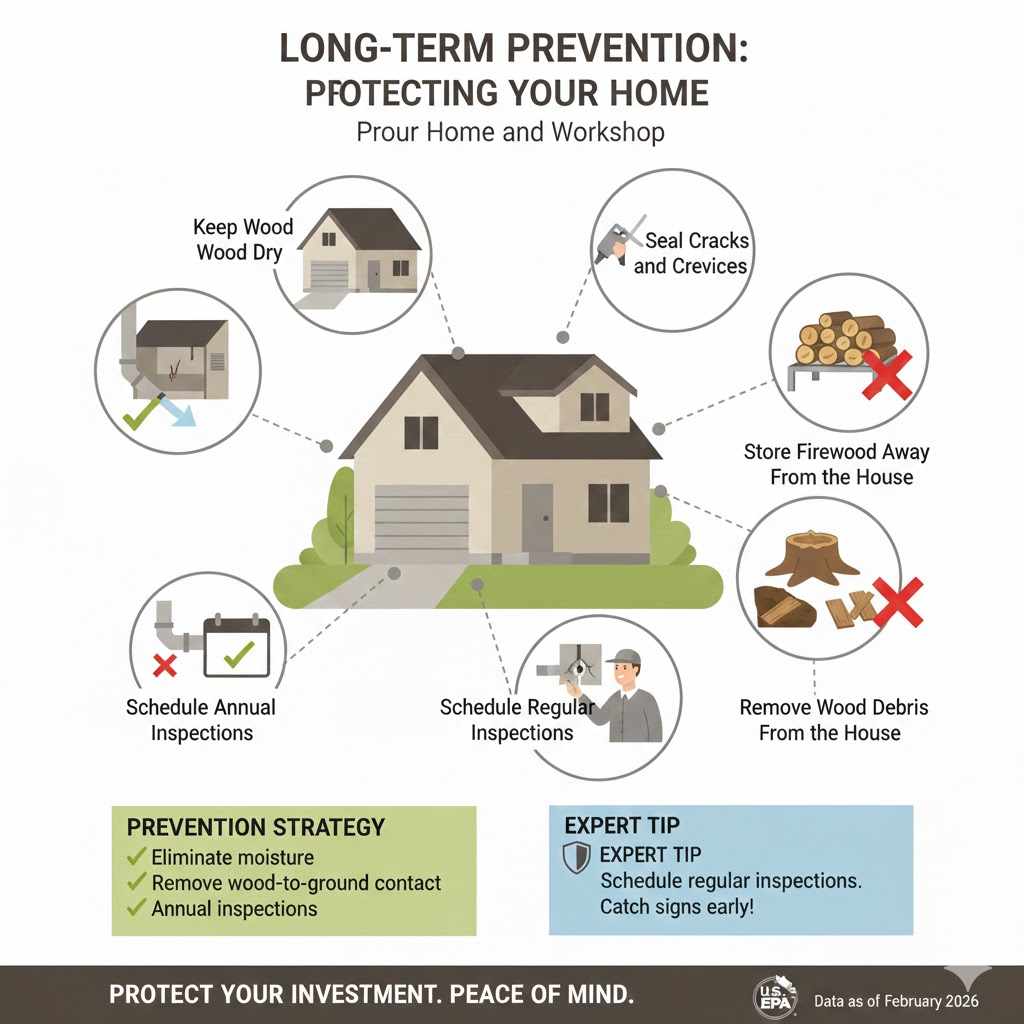
Once you’ve dealt with an infestation, the last thing you want is a repeat performance. Prevention is key. Here are some simple, effective ways to make your home less attractive to these pests.
| Prevention Tip | Why It Works |
|---|---|
| Keep Wood Dry | Most wood-destroying insects, especially carpenter ants and fungi that soften wood for termites, are attracted to moisture. Ensure good drainage and ventilation in attics, basements, and crawl spaces. |
| Seal Cracks and Crevices | Seal any gaps in your foundation, around utility pipes, and on siding. This closes off potential entry points for ants and termite swarmers. |
| Store Firewood Away From the House | Keep firewood stacked on a rack off the ground and at least 20 feet away from your home. Firewood is a prime nesting spot. |
| Remove Wood Debris | Get rid of old tree stumps, buried lumber, and other wood debris in your yard. These can attract and harbor colonies that may eventually move to your house. |
| Schedule Annual Inspections | Having a professional pest control expert inspect your home once a year is one of the best investments you can make. They can spot the early signs of trouble before you can. |
Frequently Asked Questions (FAQ)
What is the difference between sawdust from my saw and sawdust from insects?
Sawdust from a saw cut is usually uniform and directly related to a project you just did. Insect “sawdust,” or frass, appears mysteriously in piles. It’s often finer (beetles), coarser and mixed with debris (ants), or in the form of hard pellets (termites), and it will keep reappearing after you clean it up if the infestation is active.
Can I just vacuum up the frass and use a store-bought spray?
You can vacuum it up, but that does not solve the problem. The insects are living deep inside the wood. Store-bought sprays are typically contact killers and will not penetrate the wood to eliminate the colony. This often gives a false sense of security while the insects continue to do damage out of sight.
Do carpenter bees also leave sawdust?
Yes, they do! Carpenter bees excavate perfectly round, half-inch diameter holes in wood to lay their eggs. They leave behind a coarse, sawdust-like frass that is often found on the ground directly below their entrance hole. Their damage is usually more cosmetic than structural, unless many bees tunnel in the same area for years.
Is the frass from wood-boring insects dangerous to my health?
The frass itself is generally not considered toxic or a direct health hazard. However, like any fine dust, it can irritate the respiratory system if inhaled in large quantities. More importantly, the frass is a sign of an insect infestation, which can cause mold issues (from moisture) and structural dangers that are definite health risks.
How can you tell if the sawdust is from a new or old infestation?
Old frass from powderpost beetles often looks clumpy and may have cobwebs in it. For all types, the best test is to carefully sweep or vacuum the pile away. Check back in a day or two. If a fresh, new pile has appeared in the same spot, you have an active, ongoing infestation.
Does finding one big ant inside mean I have a carpenter ant problem?
Not necessarily. A single ant could be a scout looking for food. However, if you see large ants regularly, especially indoors during winter or early spring, or if you see winged ants (swarmers) trying to get out, it’s a very strong indicator that a colony is nesting somewhere inside your home.
Can these insects damage pressure-treated wood?
Generally, no. Pressure-treated wood is infused with chemicals specifically designed to be toxic to insects and fungi. Wood-destroying insects will almost always avoid it. This is why it’s commonly used for decks, sill plates, and other areas where wood is in contact with the ground.
Conclusion: Your Eyes Are Your Best Tool
Discovering that something is eating away at your home can be unnerving, but knowledge is your best defense. That little pile of sawdust is not just a mess to be cleaned up; it’s a message. It’s telling you to look closer and take action. By learning to read the signs—the coarse shavings of a carpenter ant, the fine powder of a beetle, or the gritty pellets of a termite—you’ve already won half the battle.
Remember, you don’t have to handle this alone. Your job as a homeowner or woodworker is to be a good observer. Spot the problem, identify the likely culprit using this guide, and then call in a professional to handle the eviction. By acting quickly and confidently, you can stop these tiny destroyers in their tracks, protecting your projects, your home, and your peace of mind for years to come.