What Is Butcher Block Oil Used For
Many people wonder, What Is Butcher Block Oil Used For? It’s a common question for anyone with a beautiful butcher block countertop or cutting board. Sometimes, the best tools and treatments seem a little mysterious, especially when you’re new to caring for your kitchen surfaces. You might feel unsure about where to start or what products to choose.
But don’t worry! This guide will walk you through everything you need to know in simple steps. We’ll explore how this special oil keeps your wood looking great and lasting longer.
Let’s find out how to give your butcher block the best care possible.
Understanding Butcher Block Oil
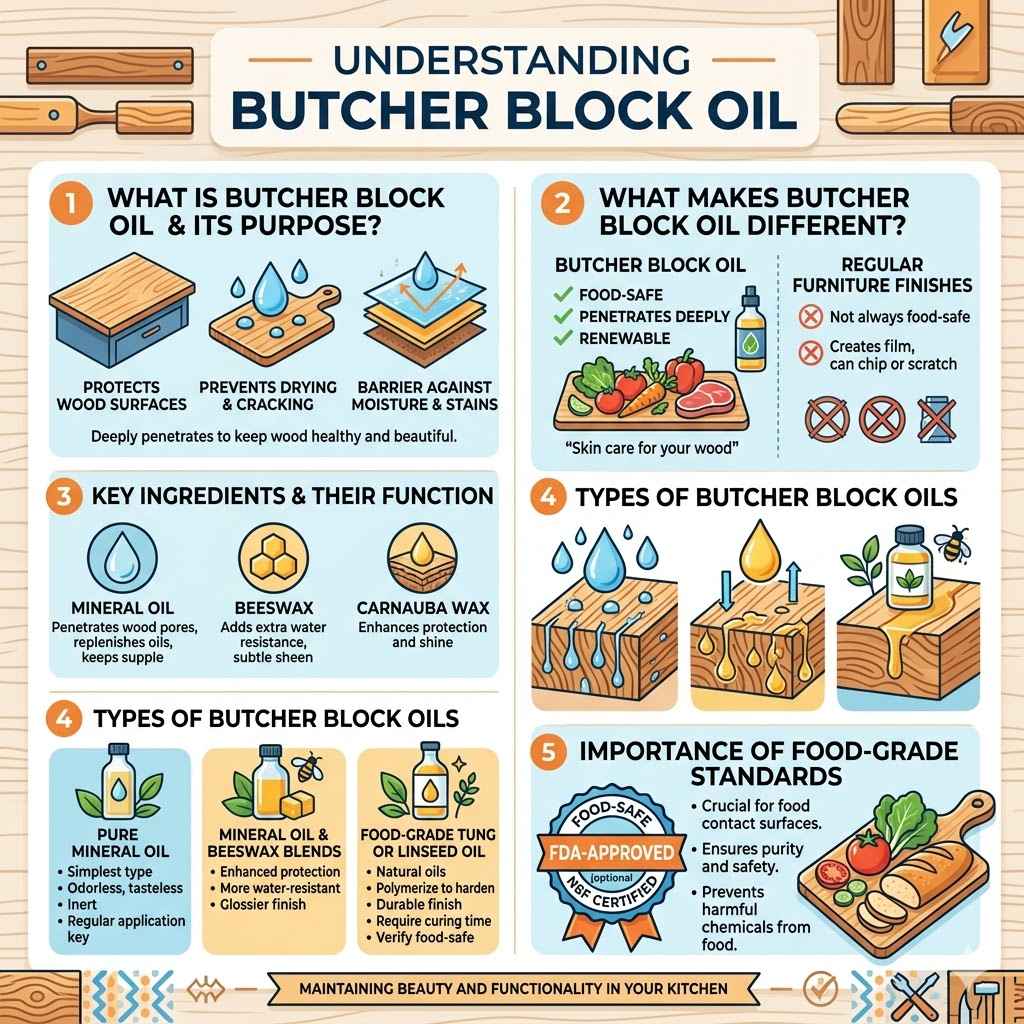
Butcher block oil is a special type of finish designed to protect and enhance wooden surfaces, particularly butcher block countertops and cutting boards. Its primary purpose is to prevent the wood from drying out, cracking, and absorbing stains or moisture. Unlike regular wood finishes, butcher block oil is food-safe and penetrates the wood deeply.
This creates a barrier that keeps the wood healthy and looking its best. It’s an essential part of maintaining the beauty and functionality of these popular kitchen features.
What Makes Butcher Block Oil Different
The key difference lies in its composition and application. Many oils used for butcher block are mineral oil-based, often combined with beeswax or carnauba wax. This blend allows the oil to soak into the wood pores, while the wax provides an extra layer of water resistance.
Food-grade mineral oil is safe to use around food, which is crucial for cutting boards and countertops. Regular furniture oils or varnishes might not be food-safe or may create a surface film that can chip or scratch easily.
Think of it like skin care for your wood. Just as your skin needs moisturizer to stay supple, wood needs oil to prevent it from becoming dry and brittle. This oil penetrates the wood’s fibers, replenishing lost oils and creating a natural, protective barrier.
Types of Butcher Block Oils
While mineral oil is the most common base, you’ll find variations. Some products are pure mineral oil, which is excellent for regular conditioning. Others are a blend of mineral oil and beeswax.
The beeswax adds a slightly harder finish, offering better water repellency and a subtle sheen. There are also specialty blends that might include natural oils like tung oil or linseed oil, but it’s vital to ensure these are food-safe and properly cured if used on food preparation surfaces. For most users, a simple food-grade mineral oil or a mineral oil/beeswax blend is ideal.
- Pure Mineral Oil: This is the simplest and most common type. It’s odorless, tasteless, and inert, making it perfectly safe for food contact. It penetrates well and keeps wood from drying out. Regular application is key.
- Mineral Oil and Beeswax Blends: These offer enhanced protection. The beeswax creates a more water-resistant surface, which can be beneficial for high-moisture areas like kitchens. It also gives a slightly glossier finish than pure mineral oil.
- Tung Oil or Linseed Oil (Food-Grade): These natural oils penetrate the wood and polymerize (harden) to create a durable finish. However, they can take longer to cure and require careful application to ensure they are food-safe. It’s important to verify the source and type of oil.
The Importance of Food-Grade Standards
When dealing with surfaces that come into direct contact with food, safety is paramount. Food-grade mineral oil meets strict standards set by regulatory bodies like the FDA. This means it’s pure and safe for consumption in small amounts, although the primary goal is surface protection, not ingestion.
Using non-food-grade oils could introduce harmful chemicals into your food. Always look for labels that explicitly state “food-grade,” “food-safe,” or “FDA-approved.” This ensures you are protecting your wood safely and responsibly.
What Is Butcher Block Oil Used For
The core function of butcher block oil is to protect and maintain wooden surfaces. It prevents dryness and damage, keeping the wood looking its best. Beyond just protection, it enhances the wood’s natural beauty.
Protecting Against Moisture and Stains
Wood, especially in a busy kitchen, is constantly exposed to moisture from spills, washing, and humidity. Without proper treatment, wood can absorb liquids. This can lead to swelling, warping, and the development of mold or mildew.
Butcher block oil creates a barrier that repels water. This means spills bead up on the surface instead of soaking in. This protection is vital for the longevity of your countertops and cutting boards.
Stains are another common issue. Dark liquids like wine, coffee, or even certain sauces can penetrate untreated wood, leaving unsightly marks. The oil seals the pores, making it much harder for these liquids to seep into the wood fibers.
Regular oiling ensures that any spills can be wiped away easily without leaving a permanent stain.
Imagine a porous sponge versus a sealed surface. The oil effectively seals the microscopic pores in the wood, much like a sealant for a ceramic tile grout. This makes cleaning simpler and prevents deep-set stains from becoming a permanent part of your kitchen’s character.
Preventing Drying and Cracking
Wood naturally loses moisture to the surrounding air. This process can cause the wood to shrink. Over time, repeated drying can lead to the wood becoming brittle.
Brittle wood is prone to cracking and splintering, especially along the grain lines. Butcher block oil replenishes the wood’s natural oils, keeping it supple and preventing excessive shrinkage. This is crucial for maintaining the structural integrity of your butcher block surfaces.
A dry cutting board might start to develop small cracks, which can harbor bacteria. A dry countertop can lose its smooth finish and become more susceptible to damage. Regular oiling is like giving your wood a drink, keeping it hydrated and flexible.
This prevents the surface from becoming dull, dry, and prone to damage from daily use.
Statistics highlight the importance of proper wood care. For example, unfinished wood left in a dry environment can lose up to 10% of its moisture content in just a few weeks, leading to significant structural changes. Proper oiling helps to stabilize this moisture content.
Enhancing Natural Beauty
One of the most satisfying aspects of using butcher block oil is how it brings out the wood’s natural beauty. The oil seeps into the wood grain, enriching its color and highlighting the patterns. It gives the wood a warm, inviting glow and a smooth, satiny finish.
This natural enhancement makes your butcher block surfaces look richer and more appealing. It’s a way to preserve and celebrate the natural aesthetics of the material.
The transformation is often quite noticeable. A dry, dull piece of wood can become vibrant and lustrous after a good oiling. This is why many people love the look of butcher block; the oil simply amplifies its inherent charm.
It’s a simple process that yields beautiful results, making your kitchen feel more welcoming.
- Revives Color: Oil darkens the wood slightly, bringing out deeper tones and richer hues within the grain.
- Adds Sheen: It provides a subtle, natural sheen that makes the wood look healthy and cared for.
- Highlights Grain: The oil makes the wood grain patterns more prominent and visually appealing.
Extending the Lifespan of Wood
By protecting against moisture, preventing cracks, and maintaining the wood’s overall health, butcher block oil significantly extends the lifespan of your wooden surfaces. A well-maintained butcher block can last for many years, often decades, providing reliable and beautiful service. Neglecting to oil your butcher block can lead to premature wear and tear, potentially requiring costly repairs or replacement much sooner than necessary.
Think of it as an investment in durability. Regular maintenance with the right products ensures that your butcher block remains functional and attractive for a very long time. It’s a small effort that pays off handsomely in terms of longevity and reduced future costs.
How to Use Butcher Block Oil
Applying butcher block oil is a straightforward process, but doing it correctly ensures the best results. It involves preparing the wood, applying the oil, and allowing it to penetrate.
Preparation is Key
Before you start oiling, ensure your butcher block surface is clean and dry. If it’s a new installation, it may have a factory finish that you’ll need to remove. For existing surfaces, give them a thorough cleaning.
Use mild soap and water, then wipe it down with a clean, damp cloth. Allow the surface to air dry completely; this can take several hours. If there are any stubborn spots or old finishes, you might need to lightly sand the surface.
Light sanding is best done with a fine-grit sandpaper (around 120-220 grit). Sand in the direction of the wood grain. After sanding, wipe away all dust with a tack cloth or a slightly damp cloth.
The surface should feel smooth and be completely free of dust before you apply any oil. This prep work ensures the oil can penetrate evenly and effectively.
A dry surface is crucial. If there is any residual moisture, it can get trapped under the oil, potentially leading to mold or an uneven finish. Patience during the drying phase will be rewarded with a better outcome.
Applying the Oil
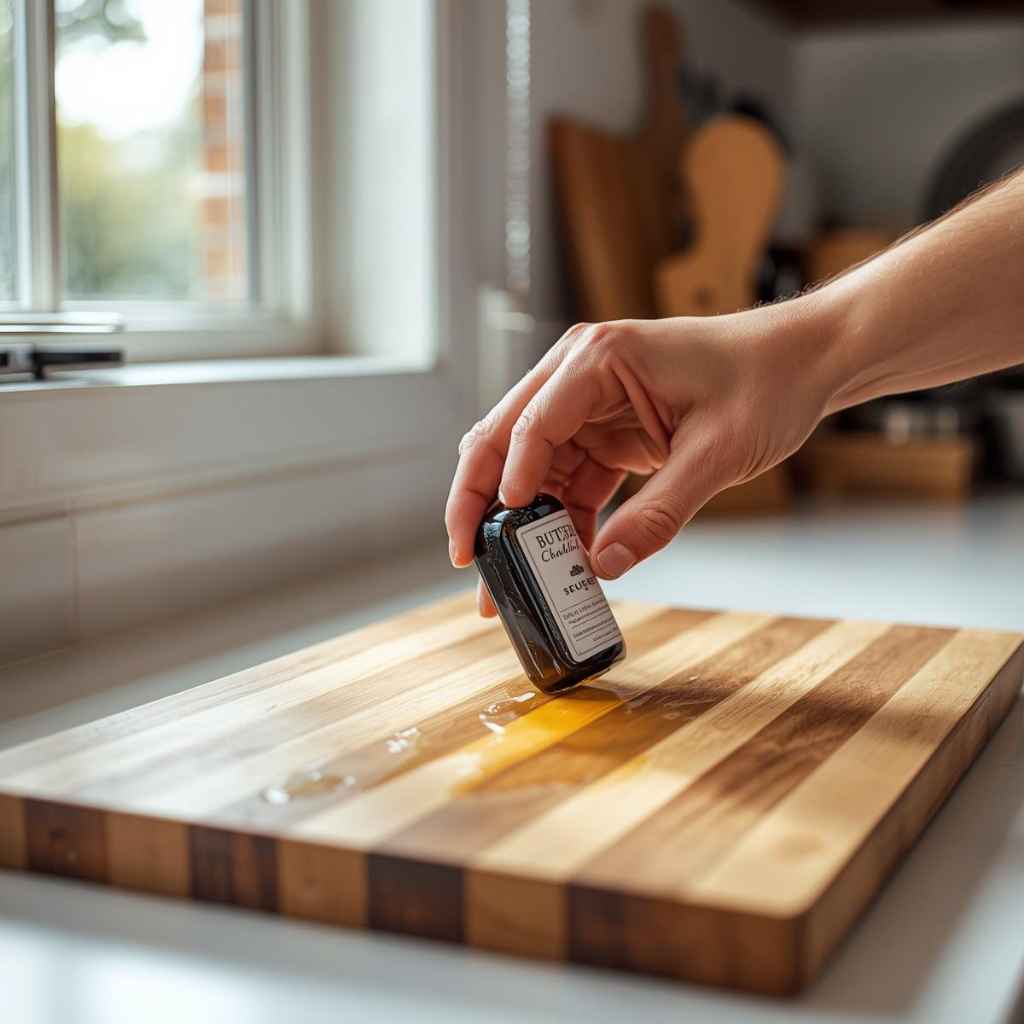
Once your butcher block is clean and dry, it’s time to apply the oil. Pour a generous amount of food-grade mineral oil directly onto the surface. You can also use a clean, lint-free cloth or a foam brush to spread it.
Work the oil into the wood, covering the entire surface, including the edges and ends. Don’t be shy with the oil; the wood will absorb what it needs. For very dry wood, you might see the oil soak in almost immediately.
For cutting boards, ensure you oil both sides to prevent warping. If you are using a mineral oil and beeswax blend, you might apply the oil first and then use the cloth to buff the wax into the wood. The application should be liberal.
It’s better to use a little too much than too little.
The key is to ensure complete coverage. Missed spots will remain unprotected and may dry out faster. If you are treating a large countertop, section it off to make sure you don’t miss any areas.
A common mistake is applying too thin a layer. The goal is to saturate the wood, not just coat the surface. Think of it like deeply moisturizing thirsty skin.
Allowing for Penetration and Buffing
After applying the oil, let it sit on the surface for at least 20 to 30 minutes, or even longer if the wood is particularly dry. During this time, the oil will penetrate deep into the wood fibers. You may notice that some areas absorb oil faster than others.
If you see dry spots appearing, apply more oil to those areas. Once the penetration time is complete, take a clean, lint-free cloth and wipe away any excess oil. Then, buff the surface to a smooth finish.
This helps to remove any oil that the wood couldn’t absorb and gives the surface a nice sheen.
For best results, especially on new or heavily dried wood, consider letting the oil penetrate overnight. You can cover the surface with plastic wrap to prevent it from drying out the surrounding air, though this is not always necessary. The goal is to allow maximum absorption.
Buffing is the final step that brings out the luster. It removes any stickiness and creates a smooth feel. You’re essentially polishing the wood with its own absorbed oil.
Frequency of Oiling
How often you need to oil your butcher block depends on several factors, including how frequently you use it, the climate you live in, and the type of wood. As a general rule, aim to oil your butcher block once a month. If you notice the wood starting to look dry, feel rough, or if water no longer beads up on the surface, it’s time for another oiling.
Cutting boards, which are used more intensely and washed frequently, might need oiling more often, perhaps every few weeks.
Pay attention to visual cues. A dull appearance or a lack of water repellency are clear signs that more oil is needed. Over-oiling is generally not a problem, as the wood will only absorb what it needs.
Excess can always be wiped away.
For a busy kitchen countertop, monthly is a good starting point. For a decorative cutting board that sees less action, quarterly might suffice. The key is consistent care rather than infrequent, heavy treatments.
- Monthly Oiling: This is a good baseline for regularly used butcher block surfaces.
- As Needed: Watch for signs of dryness or reduced water repellency. This indicates it’s time for more oil.
- New Surfaces: New butcher block may require more frequent oiling initially until it is fully saturated.
Example Scenario: Reviving a Dry Cutting Board
Let’s say you have a wooden cutting board that looks dull and has water spots that don’t wipe away easily.
- First, wash the board thoroughly with soap and water and let it dry completely for several hours.
- This ensures no residue interferes with the oil.
- Next, liberally apply food-grade mineral oil all over the board, making sure to cover all sides and edges.
- Let it soak in for at least 30 minutes. You’ll see the dry parts absorb the oil quickly.
- After soaking, wipe off any excess oil with a clean cloth. Then, buff the board to a smooth, slightly shiny finish.
Your cutting board will look and feel much healthier.
Benefits of Using Butcher Block Oil
The consistent application of butcher block oil offers significant advantages, making it an indispensable part of kitchen maintenance. These benefits go beyond simple aesthetics, contributing to the health, safety, and longevity of your wooden surfaces.
Food Safety and Hygiene
One of the most critical benefits of using food-grade butcher block oil is enhanced food safety and hygiene. Untreated wood can be porous, allowing bacteria and food particles to become trapped within its surface. This can create an environment for unwanted microbial growth, posing a health risk.
By sealing the wood pores with oil, you create a smoother, less porous surface. This makes it much harder for bacteria to embed themselves.
Furthermore, a well-oiled surface is easier to clean effectively. Liquids and food debris are less likely to seep into the wood, so they can be wiped away more easily. This regular cleaning, combined with the protective barrier of the oil, contributes to a more hygienic food preparation area.
A study by the USDA found that properly cleaned and maintained wooden cutting boards can be as hygienic as plastic ones. The key is maintenance, and oiling is a significant part of that.
This makes a tangible difference in day-to-day kitchen tasks. Spills are no longer a deep concern about permanent contamination. They become manageable cleaning moments.
- Reduces Bacteria Pockets: A sealed surface leaves fewer places for harmful bacteria to hide.
- Improves Cleanliness: Food debris and liquids are easier to wipe away from an oiled surface.
- Prevents Odor Absorption: Properly oiled wood is less likely to absorb lingering food odors.
Ease of Maintenance and Cleaning
Caring for butcher block is made significantly easier with regular oiling. As mentioned, spills bead up and are easy to wipe away, preventing them from becoming stains. Cleaning becomes a simple wipe-down rather than a battle against absorbed liquids or grime.
This makes daily kitchen upkeep less time-consuming and more effective.
When wood is well-conditioned with oil, it repels dirt and grime more effectively. This means less scrubbing is needed to keep surfaces looking clean. The smooth, conditioned surface feels better to touch and looks more inviting.
It simplifies your kitchen routine, allowing you to focus more on cooking and less on worrying about your countertops.
Consider a scenario where you accidentally spill some red wine on your countertop. On an untreated surface, this could mean hours of scrubbing or a permanent mark. On a well-oiled surface, a quick wipe with a damp cloth usually does the trick, leaving no trace behind.
Aesthetic Appeal and Wood Health
The visual impact of well-oiled butcher block cannot be overstated. The oil treatment brings out the natural warmth, depth, and character of the wood. It enhances the grain patterns, giving the wood a rich, inviting look that is hard to achieve with other finishes.
This aesthetic improvement makes your kitchen a more beautiful and welcoming space.
Beyond beauty, the oil is crucial for the wood’s internal health. It keeps the wood fibers hydrated, preventing them from drying out, becoming brittle, and eventually cracking. This internal health translates to a more durable and longer-lasting surface.
A healthy piece of wood is less prone to damage from everyday use.
Wood is a living material, and like any living thing, it needs care to thrive. Oil is the lifeblood that keeps it supple, strong, and beautiful. It’s a dual benefit: your kitchen looks better, and your butcher block lasts longer.
Real-world impact is significant. Many homeowners choose butcher block for its natural beauty, and the oil is what truly allows that beauty to shine through for years to come. It’s the maintenance that preserves the initial appeal.
Cost-Effectiveness Over Time
While there is an initial cost associated with purchasing butcher block oil and perhaps some application tools, the long-term savings are considerable. Regular oiling prevents minor damage that could escalate into costly repairs or the need for full replacement. A small investment in oil and maintenance can save you hundreds or even thousands of dollars over the life of your butcher block surfaces.
Compared to the expense of refinishing or replacing damaged countertops or cutting boards, the cost of a bottle of butcher block oil is minimal. It’s a preventive measure that pays dividends. Many bottles of butcher block oil can last for years, given the relatively small amount used per application.
This makes it one of the most cost-effective ways to care for your kitchen’s wooden elements.
Here’s a simple comparison:
| Treatment | Initial Cost | Ongoing Cost | Lifespan Impact |
|---|---|---|---|
| No Oil (Poor Maintenance) | Low | High (for repairs/replacement) | Shortened |
| Regular Oiling (Monthly) | Moderate (Oil & Tools) | Low (for oil) | Significantly Extended |
This table illustrates how regular oiling, despite a small ongoing cost, greatly increases the lifespan and reduces future expenses compared to neglecting the wood.
When to Oil Butcher Block
Knowing when to apply butcher block oil is as important as knowing how to do it. Paying attention to your wood’s condition will tell you when it’s time for a refresh. Consistent observation prevents damage before it starts.
Visual Cues
The easiest way to tell if your butcher block needs oiling is by looking at it. If the wood appears dull, dry, or lighter in color than usual, it’s a strong sign that it needs conditioning. The natural oils in the wood have likely dissipated, leaving it looking lackluster.
The grain might seem less defined, and the overall surface might have lost its vibrancy. These visual changes indicate that the wood is becoming dehydrated and needs replenishing. A healthy, well-oiled surface has a subtle sheen and rich color.
If that’s gone, it’s time to reach for the oil.
Look for areas that seem to have lost their “depth.” This is when the wood starts to look flat.
Tactile Cues
Another indicator is how the surface feels to the touch. If your butcher block feels rough, dry, or even slightly splintery, it’s definitely time to oil it. Well-conditioned wood should feel smooth and almost silky.
The oil fills in the microscopic pores and smooths the surface.
Run your hand over the countertop or cutting board. If you feel any grain that seems raised or if the surface doesn’t feel consistently smooth, it’s a signal that the wood is drying out. This roughness is often a precursor to cracking if left unaddressed.
The change in texture is very noticeable. It’s the difference between dry, chapped skin and well-moisturized skin.
Water Beading Test
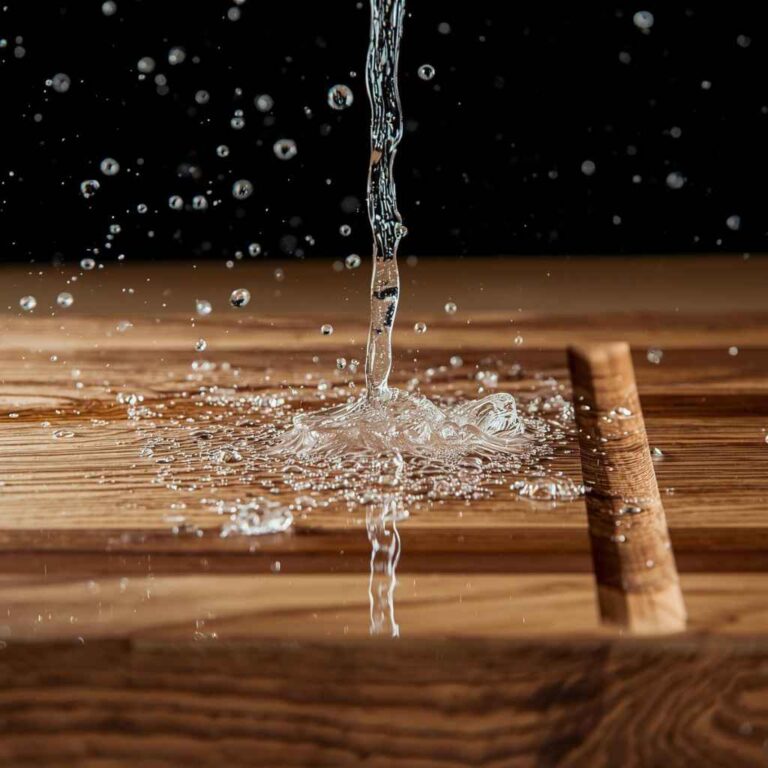
A simple test to gauge your butcher block’s protection level is the water beading test. Sprinkle a few drops of water onto the surface. If the water beads up and sits on top, your wood is well-protected.
If the water soaks into the wood quickly, leaving a darker patch that slowly disappears, it means the protective barrier has diminished, and it’s time to reapply oil.
This test is a direct indicator of the oil’s effectiveness in repelling moisture. Consistent beading means your wood is protected against stains and water damage. A lack of beading suggests the oil needs to be replenished.
Perform this test regularly, perhaps once a week, to stay ahead of potential issues.
- Quick Absorption: If water disappears into the wood within a minute or two, oiling is needed.
- Darkening Patches: Water soaking into the wood will temporarily darken it, a sign of compromised protection.
- Consistent Beading: Water remaining in small beads indicates the oil finish is still effective.
After Deep Cleaning or Scrubbing
If you’ve had to deep clean your butcher block, perhaps to remove stubborn stains or sanitize it thoroughly, you may have stripped away some of the protective oil. In such cases, it’s a good idea to reapply the oil shortly after cleaning and drying. This ensures the wood is immediately re-protected.
Similarly, if you’ve had to lightly sand a section of your butcher block to address a scratch or damage, the oiled finish in that area will be removed. After sanding and cleaning, you should always re-oil the treated area, and often the entire surface, to ensure a consistent finish and protection.
This is a proactive step to maintain the integrity of the surface after a more intensive cleaning or repair.
When Using for the First Time (New Butcher Block)
New butcher block, whether it’s a new countertop or a brand-new cutting board, needs to be seasoned. This means applying several coats of oil before the item is put into regular use. The wood is often dry from manufacturing and shipping.
Applying multiple coats over a few days allows the wood to become thoroughly saturated and protected from the start.
This initial seasoning process is critical for establishing a strong protective base. It helps prevent issues down the line and ensures the butcher block looks its best from day one. For new items, it’s not uncommon to apply oil daily for the first week or two.
- Apply the first generous coat of oil to the entire surface.
- Let it soak in for at least 30 minutes, then wipe off excess.
- Repeat this process daily for the first week.
- After the first week, transition to monthly oiling or as needed.
This intensive initial care sets the stage for long-term durability and beauty.
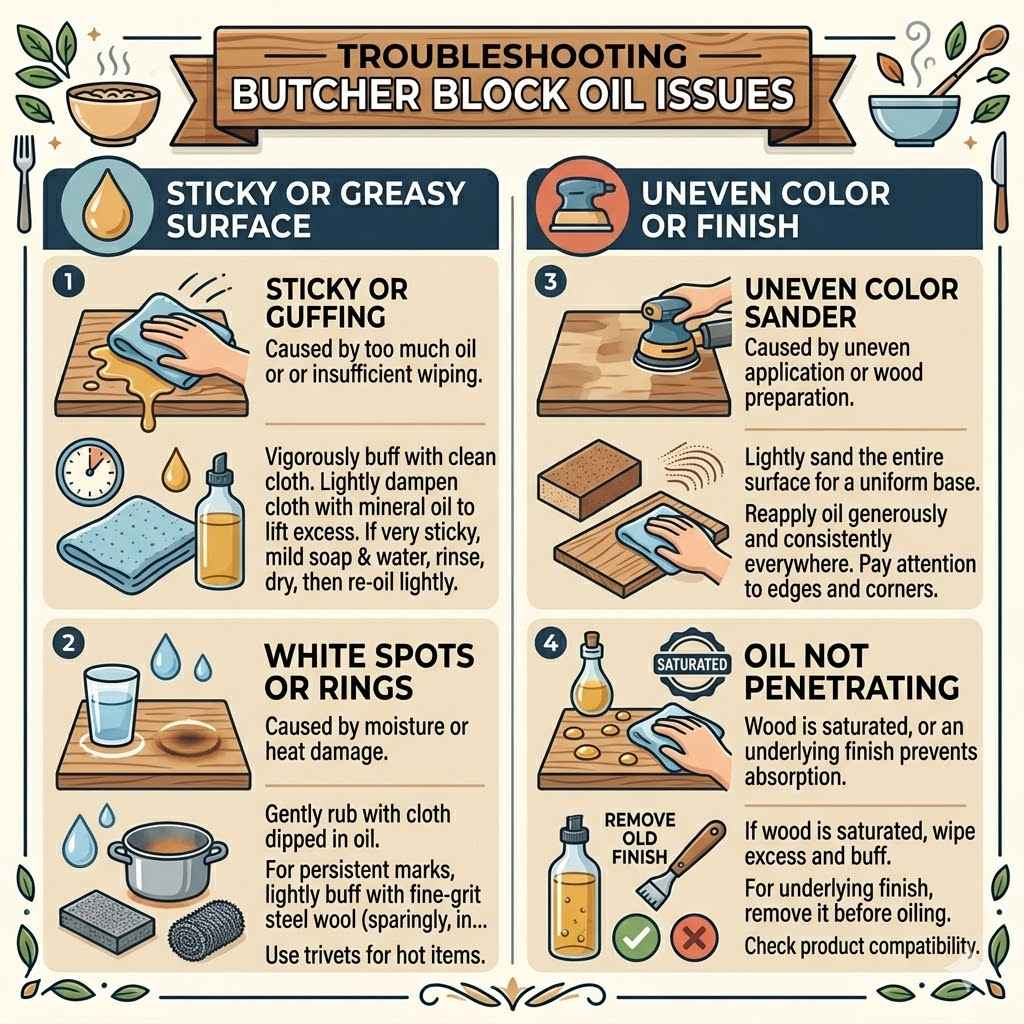
Troubleshooting Butcher Block Oil Issues
While generally straightforward, applying butcher block oil can sometimes lead to minor issues. Most of these are easily resolved with a little patience and the right approach. Understanding common problems and their solutions will help you maintain a beautiful, functional butcher block surface.
Sticky or Greasy Surface
This often happens when too much oil is applied, or when excess oil isn’t properly wiped away. The wood can only absorb so much oil at a time. If you leave too much on the surface, it can create a sticky or greasy film.
Solution: The fix is usually simple. Take a clean, lint-free cloth and buff the surface more vigorously. You can also use a cloth lightly dampened with mineral oil to help lift and redistribute the excess oil, then buff again with a dry cloth.
If it’s very sticky, you might need to lightly wipe down with a cloth dipped in a tiny amount of mild dish soap and water, then rinse and dry thoroughly before re-oiling with a lighter application.
The key is to remove the excess rather than letting it sit.
White Spots or Rings
White spots or rings on butcher block are typically caused by moisture or heat damage. Water sitting on the surface for too long can penetrate the finish and cause these marks, especially if the wood isn’t well-protected. Heat from hot pans or dishes can also damage the wood and its finish.
Solution: For minor white marks, gently rub the spot with a soft cloth dipped in the butcher block oil. Sometimes, the oil can help blend the mark back into the wood. For more persistent marks, you might need to very lightly buff the area with fine-grit steel wool (use sparingly and in the direction of the grain), then clean and re-oil the spot or the entire surface.
Always ensure you are using a well-oiled, protected surface to prevent these issues.
Heat damage is harder to fix, so always use trivets for hot items.
Uneven Color or Finish
This can occur if oil was applied unevenly, or if some areas were better protected than others during the oiling process. It can also happen if the wood was not uniformly prepared before the first oiling.
Solution: To correct uneven color, you may need to lightly sand the entire surface to create a uniform base. Then, reapply the oil evenly over the entire area. Ensure you’re applying a generous, consistent coat everywhere.
For minor inconsistencies, sometimes a liberal re-oiling and buffing can help blend the tones. Pay close attention to edges and corners, as these often get less attention but need protection too.
This is why consistent, thorough application is so important from the start.
- Sanding and Re-oiling: For significant unevenness, a light sanding followed by re-oiling is often the best remedy.
- Careful Application: Always ensure you are covering every part of the surface equally during oiling.
- Patience: Sometimes, multiple oiling sessions can help to even out minor color variations as the wood absorbs the oil over time.
Oil Not Penetrating
If the oil seems to be sitting on the surface and not soaking in, it might be because the wood is already well-saturated, or there could be an underlying finish that is preventing absorption. It could also be due to the type of oil used; some finishes are more resistant to penetration.
Solution: If the wood appears well-oiled and is still not absorbing, it’s likely saturated. In this case, just wipe away the excess and buff. If you suspect an underlying finish, you may need to remove it first.
For standard butcher block oil on untreated wood, this issue is rare unless the wood is already in excellent condition. If using a specialty oil blend, consult the product instructions to ensure compatibility with your wood.
Ensure you are using a true food-grade mineral oil or a blend specifically designed for butcher block.
Frequently Asked Questions
Question: What type of oil is best for butcher block
Answer: Food-grade mineral oil is generally considered the best and safest option for butcher block. Blends of mineral oil with beeswax or carnauba wax can offer enhanced water resistance and a slightly glossier finish.
Question: How often should I oil my butcher block
Answer: You should oil your butcher block about once a month. However, this can vary. If it looks dry or water no longer beads up, it’s time to oil it sooner.
Question: Can I use olive oil or vegetable oil on my butcher block
Answer: It’s not recommended. While natural, these oils can go rancid over time, leaving an unpleasant smell and potentially sticky residue.
Question: How do I clean my butcher block after oiling
Answer: After oiling and buffing, you can clean your butcher block with mild soap and water. Make sure to wipe it dry immediately and reapply oil as needed.
Question: Will oiling my butcher block prevent scratches
Answer: Oiling helps to keep the wood healthy and resilient, which can make it less prone to minor scratches. However, it will not prevent deep scratches or significant damage.
Conclusion
Using butcher block oil is essential for protecting your wood, enhancing its beauty, and ensuring it remains hygienic. It keeps your surfaces from drying, cracking, and staining. Regular oiling makes cleaning easy and extends the life of your butcher block surfaces significantly.
Pay attention to visual and tactile cues, and perform the water beading test to know when it’s time for more oil. Enjoy your beautiful, well-maintained butcher block for years to come.