What is the Best Stain for Pressure Treated Wood: Expert Picks
Choosing the right stain for your pressure-treated wood can feel like a puzzle. You’re investing time and money, and you want to get it right.
The wrong choice could leave you with a blotchy finish or wood that’s unprotected from the elements. But when you find the perfect stain, your deck or fence not only looks fantastic but also stands strong against weather and wear.
Your outdoor space becomes a haven of beauty and durability. Are you ready to discover which stain will bring out the best in your pressure-treated wood? Dive in, and let’s uncover the secrets to long-lasting, stunning woodwork.
Credit: www.homedepot.com
Types Of Pressure Treated Wood
Pine and spruce are popular softwoods. They are easy to find. These woods are light and soft. They absorb stain well. Pine is often used for decks. Spruce is good for fences. Both are affordable options. They need regular care to stay strong. Stains help them last longer. Choose a stain that protects from sun and rain. Softwoods need this protection to stay beautiful.
Oak and maple are strong hardwoods. They are harder than softwoods. Stains bring out their natural beauty. Oak is great for furniture. Maple is used for floors. Both resist scratches and dents. They need less care than softwoods. Hardwood stain should enhance grain patterns. Pick a stain that matches your style. Protect hardwoods from moisture and sun. This keeps them looking new.
Credit: www.olympic.com
Benefits Of Staining Pressure Treated Wood
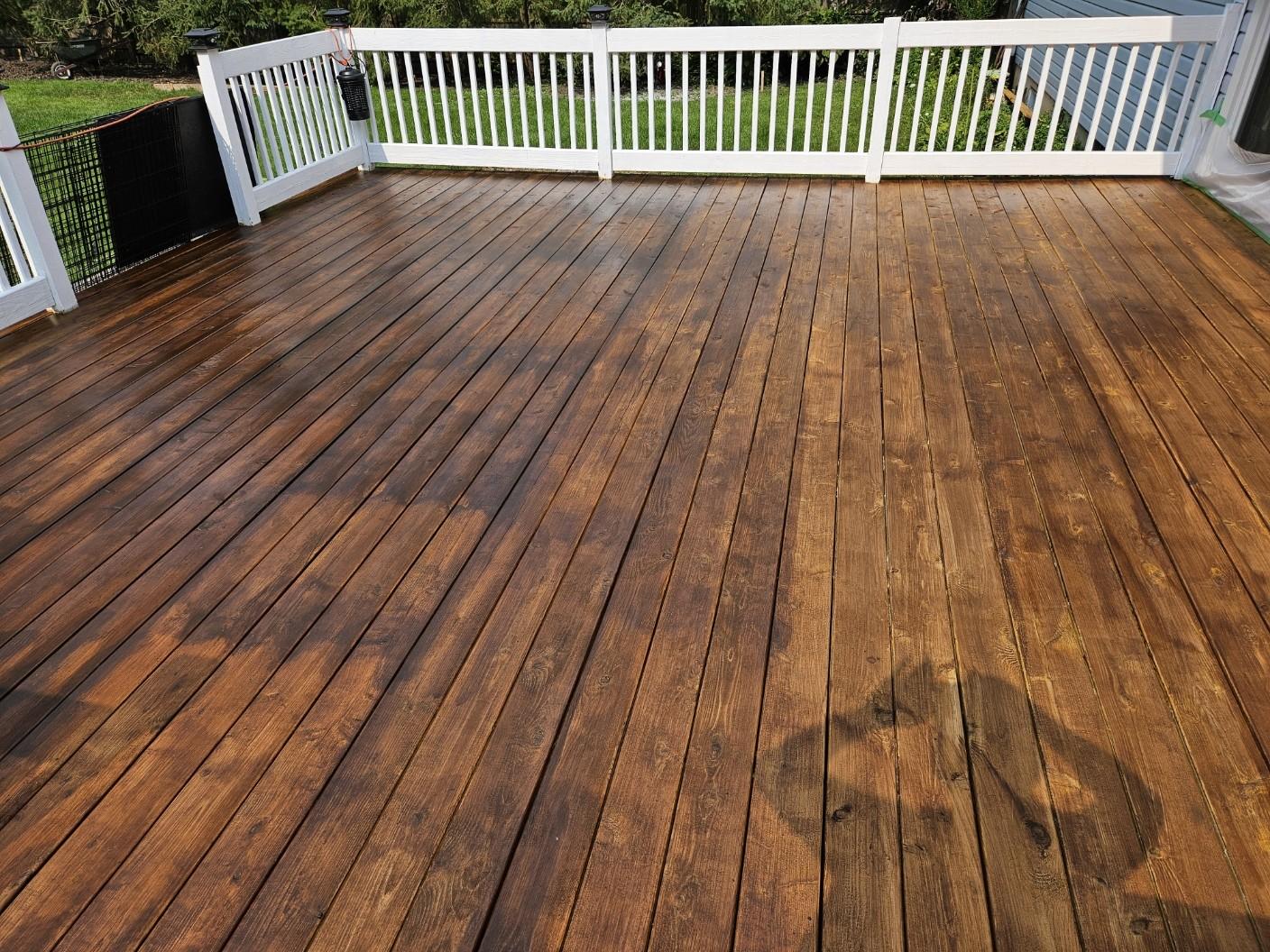
Staining pressure treated wood makes it last longer. It adds a protective layer. This layer keeps out water and bugs. Without stain, wood can crack or rot. Stain helps the wood stay strong. It can handle rain, sun, and snow better. Your deck or fence will stay safe for years. Stain is like a shield for the wood.
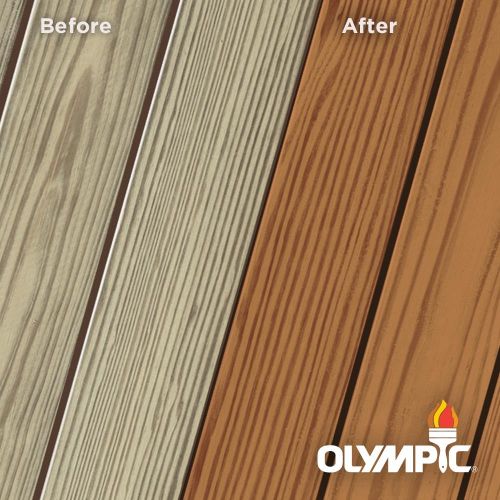
Stain makes wood look nicer. It can change the colorof the wood. You can choose from many colors. Some people like dark wood, others like light. Stain can make the wood shiny. It hides marks and scratches. Stained wood looks clean and new. It can make your garden or porch look beautiful.
Factors To Consider When Choosing A Stain
The weatheraffects the stain you choose. In rainy areas, you need a stain that fights water. In sunny places, pick a stain with UV protection. Hot and cold areas need different stains too. Think about your local climatebefore buying a stain. This way, your wood stays safe.
Consider how you will use the wood. For decks, use a stain that can handle foot traffic. For fences, a simple stain works fine. Think about how often you need to clean the wood. Some stains make cleaning easy. Choose a stain that matches your wood’s purpose.
Popular Stain Types
Water-based stains are easy to use and clean. These stains dry quickly and have less smell. They are safe for the environment and your skin. Colors are bright and last long. Water-based stains are best for decks and fences. They let wood breathe better. That helps the wood stay strong.
Oil-based stains go deep into the wood. They bring out the natural beauty of wood. These stains are good for harsh weather. They protect from sun and rain. Oil-based stains need more time to dry. They can be sticky and smelly. Cleaning tools after use is harder.
Hybrid stains mix oil and water. They offer the best of both worlds. These stains dry fast and protect well. They are easy to clean. Hybrids give a rich color and are durable. They are great for all kinds of wood. Hybrid stains are perfect for new projects.
Expert Recommendations
Pressure treated woodneeds a special stain. Some brands are very good for this. Thompson’s WaterSealis popular. It protects wood from water and sun. BEHR Premiumis another good brand. It comes in many colors. People like it because it lasts long. Ready Sealis easy to use. No priming is needed. These brands help wood look nice and stay strong.
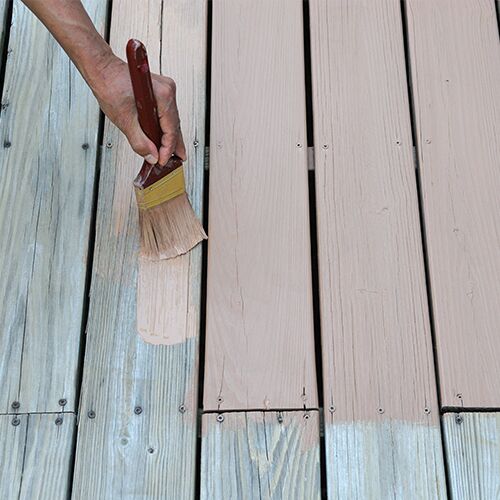
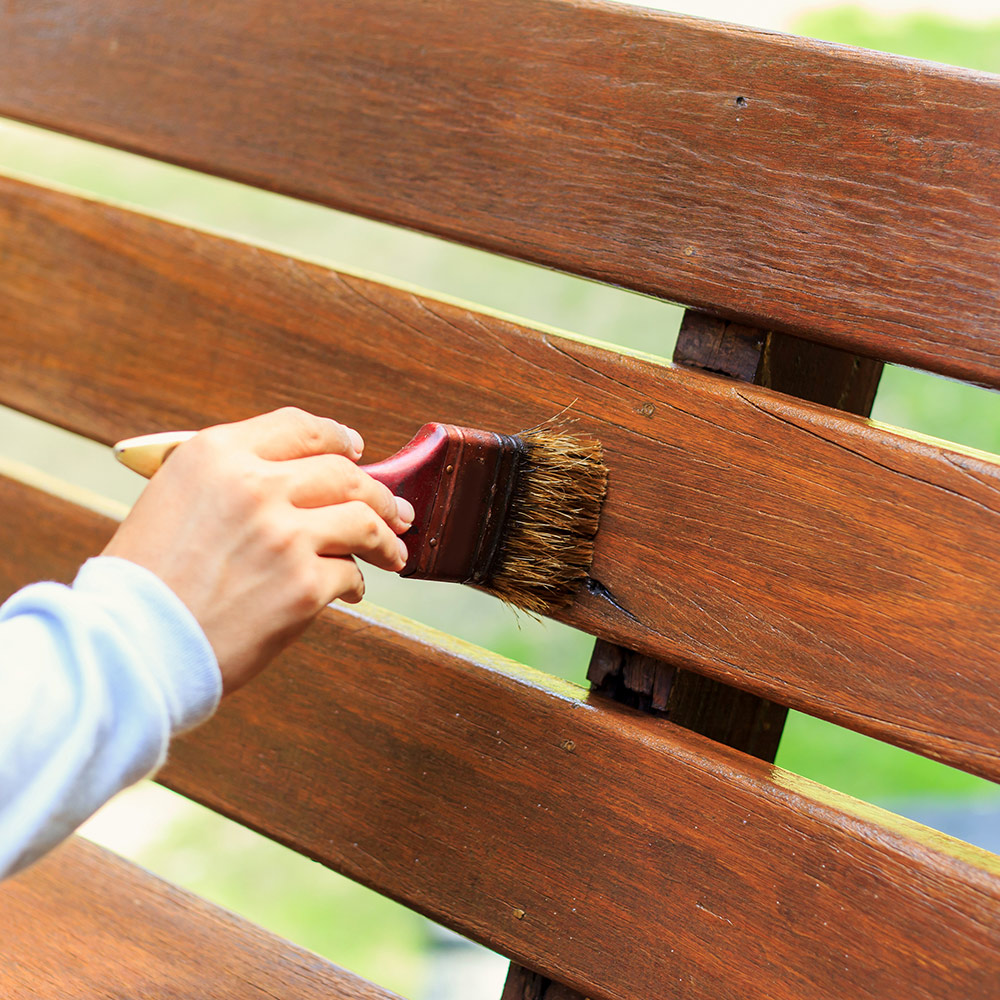
Use a brushor a sprayerto apply stain. Clean the wood first. Dirt can stop stain from working. Do not stain in the rain. Wet wood does not absorb stain well. Dry woodis best for staining. Stain in the morning or late afternoon. The sun can dry stain too fast. Two coatsmake wood look better. Wait for the first coat to dry. Then, add the second coat. Your wood will look nice and last longer.
DIY Vs Professional Staining
Choosing between DIY and professional staining can impact the finish on pressure treated wood. Oil-based stains are often preferred for their durability and deep penetration. Professional staining might offer a more consistent look, while DIY allows for personal touch and cost savings.
Cost Comparison
Choosing DIY staining can save money. Buying stain and tools costs less. Hiring a professional is expensive. They charge for labor and materials. DIY requires time and effort. Professionals do it quickly. But their quality is often better. Think about your budget before deciding.
Quality Outcomes
Staining pressure treated wood can be tricky. DIY results vary. Some look great. Others may not last long. Professionals ensure even coating. Their stains often resist weather. They know how to prepare wood well. This helps stains stick better. Good prep leads to better results. Consider professional help for high quality.
Maintenance And Care
Regular cleaning keeps wood looking fresh. Dust and dirt can harm wood. Use a gentle brush to sweep the surface. Mild soap mixed with water can clean stains. Rinse with clean water after washing. Dry the wood completely to prevent mold. Avoid harsh chemicals. They can damage the wood’s surface.
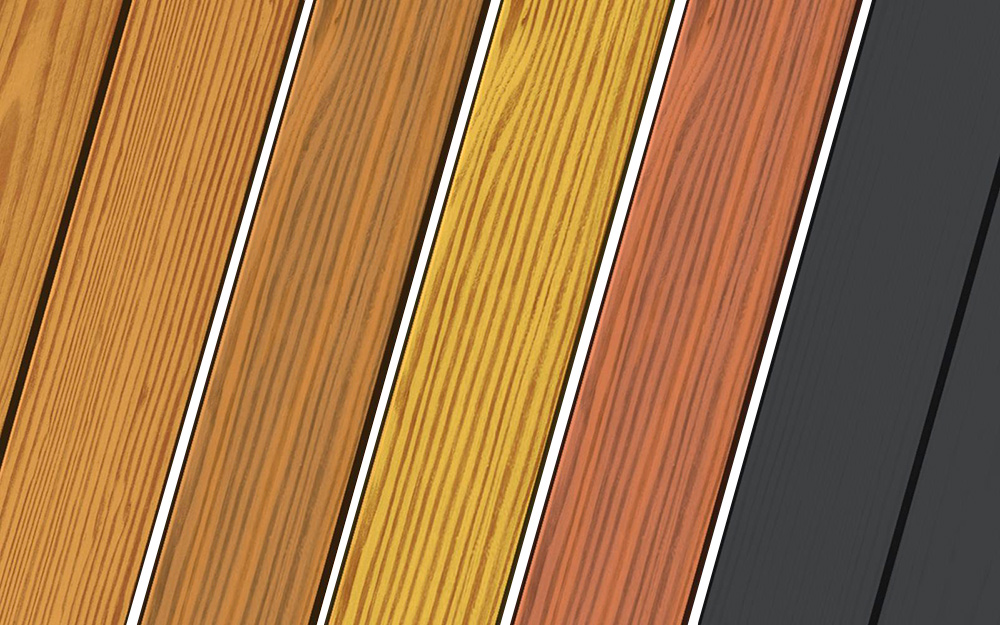
Stains wear off over time. Reapply stain every couple of years. Check the wood’s color. If it fades, it is time to stain. Clean the wood before reapplying. Let the wood dry completely. Apply stain evenly for best results. Follow the stain’s instructions carefully. This keeps the wood protected and looking good.
Credit: www.homedepot.com
Frequently Asked Questions
What Kind Of Stain Should I Use On Pressure Treated Wood?
Use a penetrating oil-based stain for pressure-treated wood. It protects against moisture and UV damage. Ensure the wood is dry before applying the stain for best results.
Is Water Or Oil-based Stain Better For Pressure Treated Wood?
Water-based stains are ideal for pressure-treated wood. They dry quickly and offer easy cleanup. Oil-based stains penetrate deeper, providing better durability. Choose based on desired finish and maintenance preference.
What Should Never Be Done With Pressure Treated Wood?
Avoid burning pressure treated wood due to toxic chemicals. Don’t use it for indoor projects. Never compost it. Avoid using it for food preparation surfaces. Do not dispose of it improperly; follow local regulations for safe disposal.
Which Deck Stain Lasts The Longest?
Oil-based deck stains typically last the longest. They penetrate wood deeply, providing protection against moisture and UV rays. Choose a high-quality brand for maximum durability. Regular maintenance extends lifespan, ensuring your deck remains vibrant and protected over time. Consider your climate and wood type for optimal results.
Conclusion
Choosing the best stain for pressure-treated wood is essential. It protects and enhances your wood’s appearance. Consider the wood’s age and your climate. Oil-based stains work well for older wood. Water-based stains suit newer wood. Test a small area first.
Check the color and finish. Regular maintenance keeps your wood looking fresh. Stain every few years for lasting beauty. Your choice of stain impacts durability. Make informed decisions for the best results. Protect your investment. Enjoy long-lasting, beautiful wood surfaces.