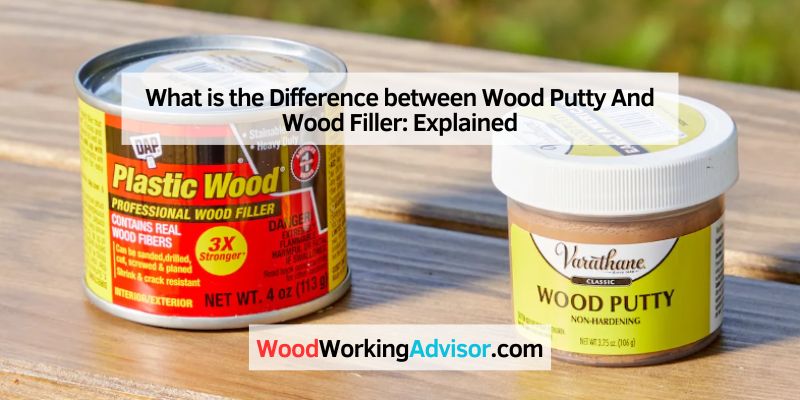
What is the Difference between Wood Putty And Wood Filler: Explained
Have you ever found yourself staring at a damaged piece of wood, wondering how to bring it back to life? Whether you’re a seasoned DIY enthusiast or just starting out, knowing the right tools for the job is crucial.
When it comes to repairing wood, two common products come to mind: wood putty and wood filler. At first glance, they might seem interchangeable, but they serve different purposes and knowing which one to use can make all the difference in your project’s outcome.
Imagine confidently walking into your local hardware store, knowing exactly what you need to fix those pesky cracks or holes. Understanding the difference between wood putty and wood filler will empower you to make informed decisions, saving you time and ensuring a flawless finish. As you delve deeper into this article, you’ll discover the unique characteristics of each product, learn when to use them, and understand how to elevate your woodworking skills to the next level. Are you ready to transform your wood repair projects from daunting to delightful? Let’s unravel the mystery together!
Definition And Purpose
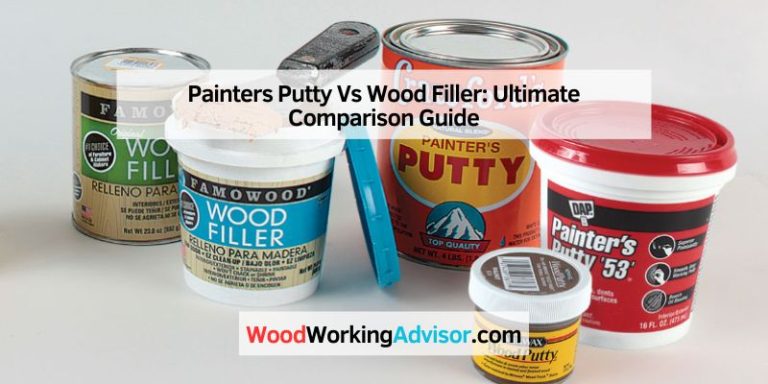
Wood putty is a soft, pliable substance. It is used to fill small holes in wood. Perfect for repairing minor surface damage. Wood putty remains flexible. This flexibility helps it last longer on finished wood. It is often oil-based. This makes it good for outdoor use. However, it takes longer to dry.
Wood filler is different. It is used to fill larger gaps and holes. Made of sawdust and binder. It can be sanded and painted. Great for unfinished wood projects. Wood filler dries quickly. It becomes hard and solid. Not ideal for outdoor use as it can crack. Best for indoor repairs.
Composition And Ingredients
Wood putty is a paste. It’s made from oil-based ingredients. Linseed oil is common. Sometimes, other oils are used. It doesn’t dry quickly. Needs more time to harden. Used mainly for finished wood. Helps cover holes or cracks. Not suitable for raw wood. Putty remains flexible. It can move with wood. Offers a smoother finish. Less chance of cracking.
Wood filler is different. It contains sawdust or wood fibers. Mixed with water-based binders. It dries fast. Easy to sand. Perfect for raw wood surfaces. Filler hardens like wood. It doesn’t move with wood. Provides a solid base. Can be painted or stained. Helps in big repairs. Great for unfinished projects.
Application Techniques
Wood putty is used for small cracksand gaps. It is softand easy to spread. Use a putty knife to apply it. Push the putty into the crack. Make sure it fills the space completely. Let it dry before sanding. Drying can take a few hours. Some putties need overnight drying.
Wood filler is used for larger holes. It’s thicker than putty. You apply it with a stiff tool. Fill the hole until it’s level with the surface. Wood filler dries faster than putty. Sand it after it dries. Sanding makes the surface smooth. Paint or stain can cover the filler later.

Credit: www.youtube.com
Drying And Curing Times
Wood putty takes longer to dry and cure compared to wood filler. This is because wood putty remains flexible. Wood filler dries hard and fast, making it ideal for repairing and sanding wooden surfaces.
Time Required For Wood Putty
Wood putty takes a long time to dry. It can take several hours or even days. It remains pliablefor a while. This is good for minor adjustments. It is best used indoors. Moisturedoes not affect it much. It can dry faster in warm rooms. Humidity slows the process down.
Time Required For Wood Filler
Wood filler dries quickly. Usually within 15 to 30 minutes. It becomes hardfast. Sand it after it dries. It is good for outdoor use. It is affected by temperature. Warm air speeds it up. Cold air slows it down. Use it in dry conditions for best results.
Suitability For Different Projects
Wood putty is ideal for filling small holes on finished wood surfaces, while wood filler suits raw wood repairs. Choose wood putty for painted or stained wood. Use wood filler for larger gaps or unfinished wood. Both products help restore wood’s appearance, but their applications differ.
Best Uses For Wood Putty
Wood puttyis great for indoor projects. It works well on finished wood surfaces. Use it to fill small holesor cracks. It’s often used on furnitureand cabinetry. Wood putty can be paintedor stainedonce dry. It doesn’t shrink, which is helpful for long-term use. Not ideal for outdoor projects. It doesn’t hardenlike wood filler. Great for small touch-ups.
Best Uses For Wood Filler
Wood filleris best for unfinished woodrepairing large gapsand holes. Use it on floorsand walls. It hardens, making it strong. Wood filler can be sandedafter drying. Ideal for outdoor projectsbecause it resists weather. Not suitable for flexible surfaces. It can shrinkover time, unlike wood putty.
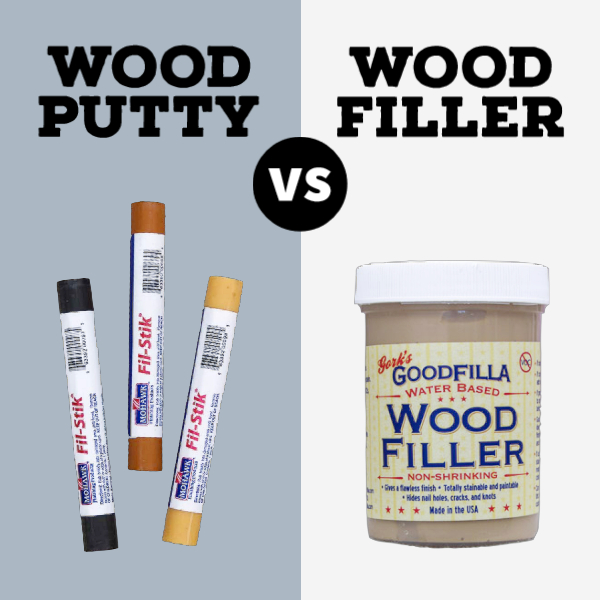
Credit: sawsonskates.com
Durability And Longevity
Wood putty is ideal for filling small gaps and cracks, offering flexibility and durability. Wood filler, however, is perfect for larger holes, providing a solid, long-lasting repair. Each serves a unique purpose, ensuring your woodworking projects stand the test of time.
Durability Of Wood Putty
Wood putty is great for small cracks. It lasts long. Putty stays flexible. It adapts to wood movements. Oil-based putty resists water damage. It doesn’t shrink or crack easily. But, it may not be as hard as wood filler. Putty is best for indoor use. It suits painted surfaces well.
Durability Of Wood Filler
Wood filler is strong and hard. It’s best for big gaps. Filler dries fast. It becomes solid like wood. It can be sanded and painted. Filler works well outdoors. It resists harsh weather. It can shrink over time. Latex filler is more flexible. It suits areas with frequent moisture.
Cost Comparison
Wood putty is often cheaper. You can find small tubes for a few dollars. Bigger containers cost more. Sometimes, the price goes up to $20. Quality affects price. Better brands cost more. But, even the best brands are not expensive. You won’t spend a lot on wood putty.
Wood filler can be more pricey. Small tubs start at about $5. Large tubs can reach up to $30. Special fillers cost more. Some fillers are for big holes. Others match wood colors. Those may cost extra. But, prices can vary. It’s good to check different stores.
Environmental Impact
Wood putty and wood filler differ in their environmental impact. Wood putty, often solvent-based, may release harmful chemicals. Wood filler, typically water-based, is usually more eco-friendly and safer for indoor use. Understanding these differences helps make environmentally conscious choices in woodworking projects.
Eco-friendliness Of Wood Putty
Wood putty is often made from synthetic materials. These materials are not always eco-friendly. Many wood putties contain chemicals. These can be harmful to the environment. Some brands try to use fewer chemicals. They aim to be more eco-friendly. Choosing these brands can reduce harm.
Eco-friendliness Of Wood Filler
Wood filler usually uses natural ingredients. It is often made from real wood fibers. This makes it more eco-friendly. Some wood fillers have added chemicals. These can affect the environment. Always check the label for ingredients. Choose fillers with fewer chemicals. This helps keep the earth clean.
:max_bytes(150000):strip_icc()/SPR-wood-filler-vs-wood-putty-7553299-03-8a449bda7e8b4ebea9ab63445752c88f.jpg)
Credit: www.thespruce.com
Frequently Asked Questions
What Is Wood Putty Used For?
Wood putty is used to fill small holes, cracks, and imperfections in wood. It is ideal for outdoor use due to its oil-based composition. Wood putty remains flexible and is resistant to moisture, making it perfect for exterior wooden surfaces.
How Does Wood Filler Work?
Wood filler works by filling and hardening in gaps, cracks, or holes in wood. Made from wood fibers and a binder, it is used to repair indoor wooden surfaces. Once dried, wood filler can be sanded, painted, or stained for a seamless finish.
Can Wood Putty Be Painted?
Yes, wood putty can be painted, but it requires preparation. Ensure the putty is dry before applying paint. Sand the surface smooth, then apply a primer for better adhesion. Use compatible paint for best results, usually oil-based paints work well with wood putty.
Is Wood Filler Waterproof?
Wood filler is not typically waterproof and is best suited for interior use. It can absorb moisture and may deteriorate over time when exposed to water. For exterior applications, consider using wood putty, which is more resistant to moisture.
Conclusion
Choosing between wood putty and wood filler depends on your project needs. Wood putty is great for filling minor scratches on finished wood. It remains flexible and is oil-based. Wood filler works best for filling gaps and holes in unfinished wood.
It dries hard and can be sanded and painted. Both serve unique purposes in woodworking. Understanding their differences helps in making the right choice. For lasting results, use the product that suits your specific task. Proper application ensures your woodwork looks flawless and enduring.
Make informed decisions for successful woodworking projects.