How to Separate Glued Wood Pieces: Heat, Steam or Solvent
Match the method to the glue: PVA wood glue loosens when the joint is warmed to around 150°F, hide glue releases with hot water or steam, CA super glue yields to acetone, and cured epoxy needs roughly 250°F plus a chisel. Pick the wrong method and you scorch the wood, swell the panel, or snap a thin part without freeing the joint. This guide goes by glue type, with the temperatures that matter and the fire and fume cautions for heat and solvents.
Which Method Works for Your Glue Type?
Best Variable-Temp Heat Gun Pick
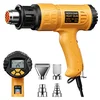 |
SEEKONE 1800W Heat Gun with LCD Display (122 to 1112 F) – $31.99 A heat gun with a digital temperature setting lets you start gentle on a PVA joint and step up for epoxy, instead of guessing with a fixed-heat hairdryer.
|
Not sure which glue you have? Dab a little hot water on a squeezed-out bead. If it turns gummy, you are most likely dealing with PVA or hide glue. A hard, glassy amber film points to epoxy, and a brittle clear crust to super glue. Use the table to pick a method, then jump to the matching section.
| Glue type | Release method | Key number | Fire or fume caution |
|---|---|---|---|
| PVA (Titebond Original, II) | Heat, then steam | 150°F cuts bond strength by more than half | Scorching; keep the gun moving |
| Hide glue | Hot water or steam | Designed to be reversible | Steam burns; avoid soaking veneer |
| CA (super glue) | Acetone on a swab | Acetone flash point: -4°F (-20°C) | Flammable vapor; no heat gun nearby |
| Epoxy | Heat, then chisel while warm | Softens at roughly 250°F | Ventilate or wear a respirator |
| Polyurethane (Gorilla Glue) | Mechanical: chisel, scrape, sand | Solvents barely affect it | Dust mask when sanding |
Two notes before you start. First, glue-up age matters: a joint that is still inside its working time can often just be pulled apart and re-clamped, and our guide to how long PVA glue takes to dry shows where that window ends. Second, Titebond I vs II vs III explains why the water-resistant versions fight back harder than the original.
Safety first, whichever method you pick
- Wear safety glasses and gloves. Heated wood, steam and flying chisel chips are the usual injuries.
- Remove nails, screws and dowel pins you can see before you apply heat or force, so you are not fighting two things at once.
- Never use a heat gun on or near anything wet with acetone or another solvent. Let solvent evaporate completely first.
- Test on scrap or a hidden spot. Heat can lift finish, and solvents can strip it.
How to Separate PVA Wood Glue (Titebond, Elmer’s and Similar)
PVA is the glue behind most shop and household joints, and it is the one heat handles best. Titebond’s own technical guidance says that raising the glue line to about 150°F cuts its strength by more than half, and that moisture, with steam the best form, helps further. That is a modest temperature, which is the point: you only need to weaken the glue until it is weaker than the wood, so the joint gives instead of the grain.
- Warm the joint: Hold a heat gun on a low setting 4 to 6 inches away, moving constantly in small circles for 30 to 60 seconds. A hairdryer works on thin parts, only more slowly.
- Add steam or a hot damp cloth: Steam from an iron held above a wet cloth carries heat into the glue line. Keep it localized, because soaking swells the wood.
- Open the seam: Slide a thin putty knife or a flexible blade into the line and widen it a little at a time.
- Pull while warm: PVA stiffens again as it cools, so work in short heat-and-pry cycles.
- Clean the faces: Scrape or sand off the old glue before re-gluing, so the new glue meets bare wood fibers.
If you have an infrared thermometer, aim it at the wood next to the glue line: roughly 150°F on the surface is the target, and anything much hotter just risks scorching. Without one, the rule is simple: if the wood is too hot to hold your hand against for a few seconds, ease off.
How Do You Take Apart a Glued Cabinet Door, Bookcase or Picture Frame?
These are usually PVA glue reinforced with nails, dowels or small corner pins. Pull or clip any visible fasteners first, then heat one joint at a time for 30 to 60 seconds on a cabinet door or bookcase, and only 20 to 30 seconds on thin picture-frame stock. Working the whole frame at once stresses neighboring joints and can split the side panels, and mitered frame corners splinter easily, so support both sides as you pry. If dowel holes come out oversized, our guide to reaming out a hole in wood covers resizing them for reassembly.
A caution for MDF, plywood and veneer
Steam and soaking are risky on MDF and thin veneer, because water makes them swell and can lift the surface layer. Favor dry heat and a thin blade there. If you are choosing glue for the repair, see which glue works for MDF.
How to Separate Hide Glue Joints (Antique and Instrument Work)
Hide glue is made from animal collagen and has been the standard for antique furniture and string instruments because it is reversible: heat and moisture soften it on purpose. Apply hot water or steam directly to the glue line, give it several minutes to penetrate, and test the joint with gentle pressure. Once the glue turns tacky, work the joint back and forth rather than yanking. Old hide-glue joints sit in dry, brittle wood, so patience pays more here than force.
How to Separate Wood Glued with CA (Super Glue)
Acetone is the reliable release for cyanoacrylate. Dab it onto a cotton swab and hold it against the glue line for about 30 to 60 seconds on a fresh bond, or several minutes on fully cured glue, adding more as it evaporates. Acetone strips most finishes and can cloud some plastics, so test a hidden spot or stick to raw wood. Our guide on whether acetone dissolves super glue goes deeper, and how long super glue takes to cure explains why a bond that feels set after a minute is not yet fully cured.
Fire caution: Acetone has a flash point of -4°F (-20°C), so its vapor can ignite at normal shop temperatures. Keep it away from heat guns, pilot lights, space heaters and open flames, work with ventilation, and let it evaporate completely before any heat goes near the part. Source: OSHA Chemical Sampling Information, Acetone
How to Separate Wood Glued with Epoxy or Polyurethane
Both cure into hard, chemically resistant bonds, so solvents do little. Epoxy does soften with heat, though: West System’s user guidance puts the softening point at roughly 250°F, hot enough to ease a bond without needing a flame near the wood.
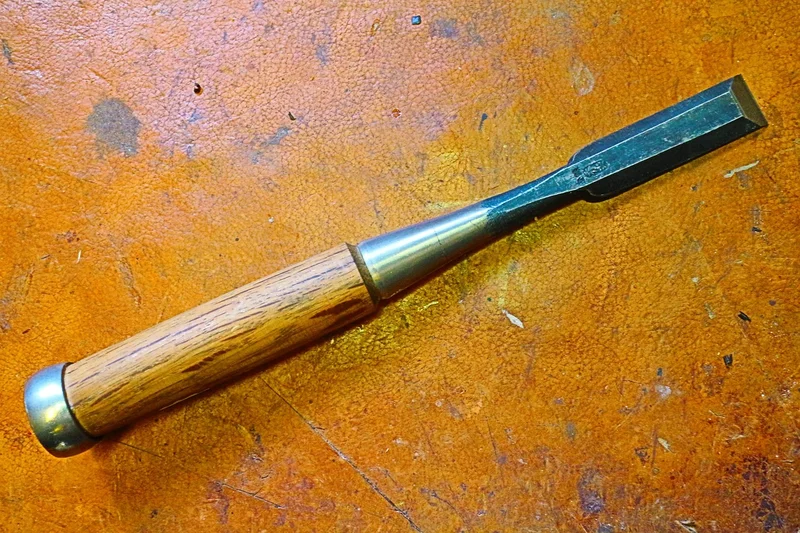
Epoxy: Heat one section at a time with a heat gun, then work a sharp chisel into the line at a shallow angle while the epoxy is still warm. Scrape or sand off the film left behind. Heated epoxy can give off fumes, so ventilate or wear a respirator, and keep the heat moving to avoid burning the wood.
Polyurethane (Gorilla Glue): This glue foams as it cures and locks into the grain, so chiseling, scraping and sanding are the realistic options. Expect a slow job and wear a dust mask, since sanding cured polyurethane produces fine particles.
Which Method Is Safest for the Wood?
Work from least to most aggressive. Start with warmth and steam on PVA and hide glue, move to a solvent only if the glue type calls for it, and keep chiseling and prying as the last step on any joint. Water-based methods suit solid wood, but not MDF or veneer. Heat suits most wood but can blister finishes such as lacquer. Solvent suits raw wood and nothing you want to keep finished.
After the Joint Is Apart: Cleanup and Repair
- Scrape off softened residue while the wood is still warm, then sand with 120 grit along the grain.
- Fill small gaps or chipped edges with wood filler. For larger gaps see our guide to using wood filler for large gaps.
- Wipe off dust before regluing. For next time, a thin glue line on clean bare wood makes joints that are strong and, when needed, easier to take apart.
Frequently Asked Questions
How can I safely separate glued wood pieces?
Identify the glue first, then use the gentlest method that works: warmth and steam for PVA and hide glue, acetone for CA glue, and heat plus a chisel for epoxy. Wear eye protection, work in small cycles, and never use a heat gun near solvent vapor.
What temperature releases PVA wood glue?
Titebond reports that heating the glue line to about 150 F cuts its strength by more than half. Warm the joint with a heat gun on a low setting, keep it moving, and pry gently while the glue is still warm.
Can I use water to separate glued wood?
Hot water or steam helps on PVA and hide glue, but soak only the glue line. Water swells MDF, plywood and veneer, so use dry heat and a thin blade on those.
Can I separate wood glued with super glue?
Yes. Hold acetone on the glue line with a cotton swab for 30 to 60 seconds on a fresh bond, or several minutes on cured glue. Test a hidden spot first because acetone strips finishes.
How do you separate wood glued with epoxy?
Heat the joint to roughly 250 F with a heat gun, then chisel while it is warm. Ventilate or wear a respirator, and keep the gun moving to avoid scorching the wood.
How do you separate antique furniture joined with hide glue?
Apply hot water or steam to the glue line for several minutes until it turns tacky, then work the joint back and forth gently. Hide glue is designed to be reversible.
Sponsored / affiliate links. As an Amazon Associate I earn from qualifying purchases. I may earn additional commission from eligible campaigns.