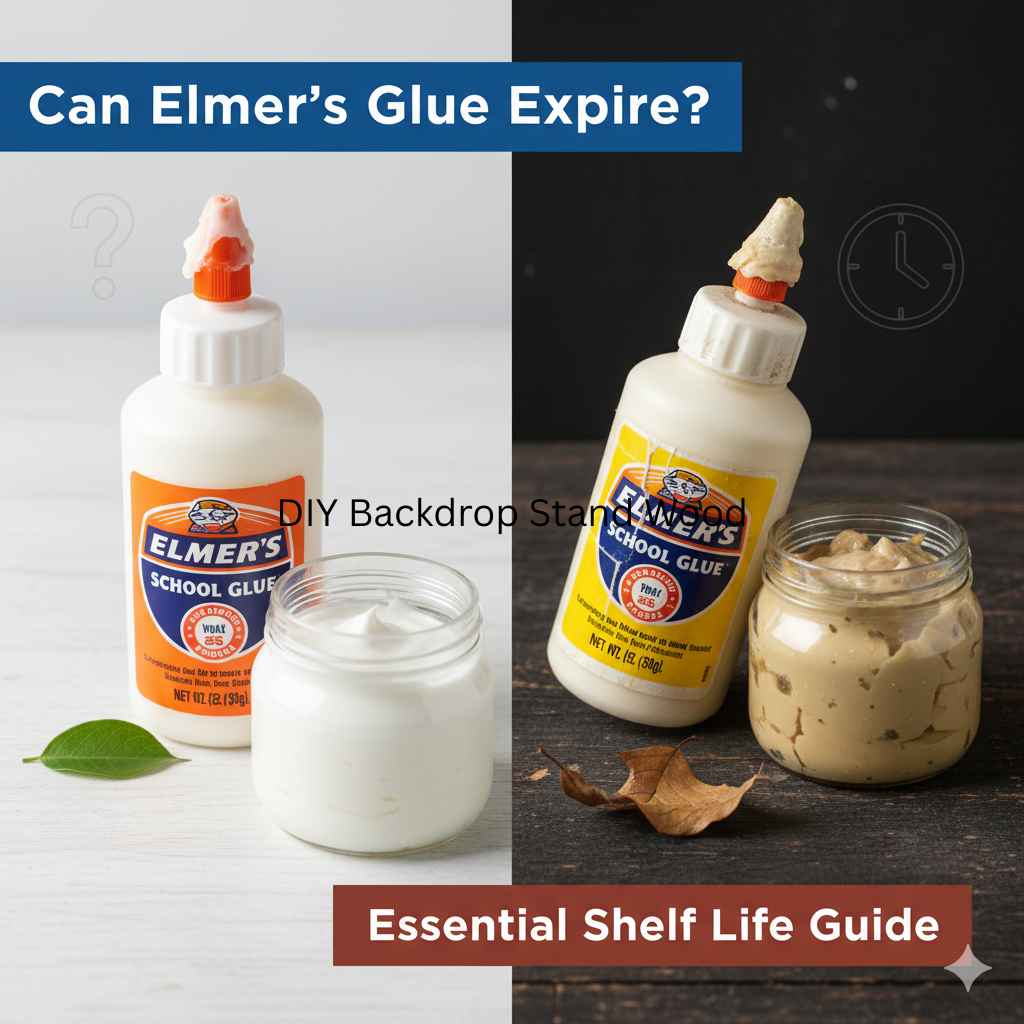
Can Elmer’s Glue Expire? Essential Shelf Life Guide
Yes, Elmer’s Glue can expire, and its effectiveness decreases over time, especially when stored improperly. While it doesn’t typically “go bad” in a way that makes it dangerous, old glue loses its adhesive strength. Knowing the shelf life and proper storage helps ensure your projects hold together securely. This guide will walk you through everything you need to know.
According to Elmer’s own Help Center, an unopened bottle is rated for 2 to 5 years, dropping to 1 to 3 years once it’s been opened and exposed to air. That’s a wide range, and where your bottle actually falls in it comes down almost entirely to how it’s been stored — not how old the label makes it look.
We’ve all been there, pulling out a bottle of glue for a quick fix or an exciting new project, only to find it’s turned into a gloopy mess or just isn’t holding anymore. Below, we’ll break down exactly what happens to Elmer’s Glue over time, how to tell if yours is past its prime, and how to store it so it lasts as long as possible.
Understanding Glue Shelf Life: The Basics
This post contains Amazon affiliate links. As an Amazon Associate we earn from qualifying purchases at no extra cost to you.
If your bottle failed the test, here’s what to replace it with
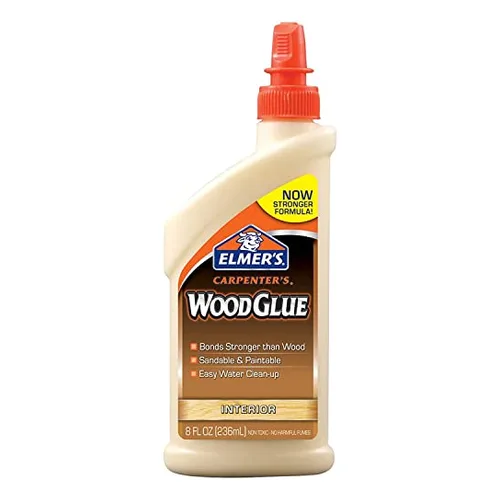
Elmer’s Carpenter’s Wood Glue, 8 oz
Best for: Replacing an expired bottle with the exact same everyday PVA formula, at a size that won’t sit around long enough to expire again.
Why we picked it: Same 20-30 minute clamp time and 24-hour full cure as the glue this article is about, so your existing project notes and habits carry over directly.
Main drawback: Standard PVA, not water-resistant — not the right pick for outdoor or high-moisture projects.
Check on Amazon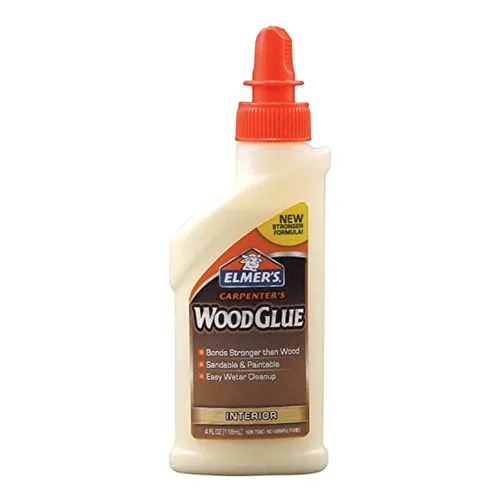
Elmer’s Carpenter’s Wood Glue, 4 oz
Best for: Occasional users who want a bottle small enough to finish before it ever nears its shelf-life limit.
Why we picked it: Smaller bottles are the storage tip this article recommends — less chance of the “half-used, forgotten in a drawer” scenario.
Main drawback: Costs more per ounce than the 8 oz size.
Check on Amazon →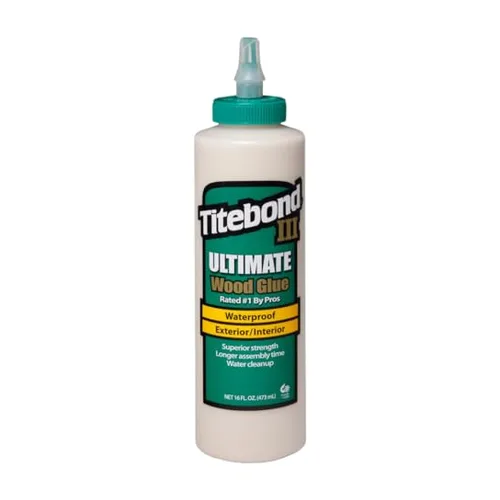
Titebond III Ultimate Wood Glue, 16 oz
Best for: Outdoor furniture, cutting boards, and anywhere the glue joint will see water.
Why we picked it: Water-resistant (ASTM D4236 rated) where standard Elmer’s PVA is not — a genuine upgrade, not just a replacement.
Main drawback: Slightly longer open (working) time to account for — don’t rush the clamp step.
Check on Amazon →Glue, like many things we use around the house and in the workshop, has a shelf life. It’s not like milk that spoils and smells bad, but its ability to do its job – sticking things together – can diminish. For common household glues like those made by Elmer’s, this shelf life is influenced by several factors, but the main culprits are time and storage conditions. Understanding this lifecycle is key to avoiding project failures.
What Happens to Glue Over Time?
When you open a bottle of white PVA (polyvinyl acetate) glue, like many Elmer’s products, you’re interacting with a carefully formulated emulsion. This emulsion contains tiny particles of polymer that are suspended in water. When the glue is applied and the water evaporates, these particles come together, creating a strong bond.
However, over time, several things can happen:
Water Evaporation: Even with the cap on tight, some slow evaporation of water can occur, leading to the glue thickening and becoming less pliable.
Chemical Changes: The polymers themselves can degrade slightly over extended periods, reducing their bonding strength.
Contamination: Little bits of debris or even bacteria can find their way into the glue, not typically causing it to rot, but potentially affecting clarity and bond integrity.
Freezing/Thawing: For glues stored in unheated spaces, repeated freezing and thawing can permanently break down the emulsion, rendering the glue useless.
These changes mean that older glue might be thicker, harder to spread, and most importantly, won’t create as strong or as durable a bond as fresh glue.
Why Does Storage Matter So Much?
Where and how you store your glue makes a huge difference. Think of it like this: if you left a bottle of water out in the sun, it would eventually evaporate much faster than if it were in a cool, dark cupboard. Glue is similar, but with more delicate ingredients.
Key storage factors include:
Temperature: Extremes of heat or cold are the biggest enemies.
Air Exposure: A tightly sealed cap is crucial to prevent drying out.
Sunlight: Direct sunlight can degrade the glue’s formulation.
Proper storage maximizes the glue’s intended lifespan. It’s a simple step that pays off big time in project reliability.
How Long Does Elmer’s Glue Actually Last?
Elmer’s, a brand trusted by crafters and DIYers for generations, produces a range of glues. The shelf life can vary slightly depending on the specific product and how it’s treated, but generally, you can expect a good lifespan if stored correctly.
General Shelf Life Guidelines for Elmer’s Glue
For most standard Elmer’s white PVA glues (like “School Glue” or “Wood Glue”):
Unopened Bottle: If kept in ideal conditions (cool, dry, away from direct sunlight), an unopened bottle can last between 2 to 5 years. Some sources suggest even longer, but effectiveness may start to wane after the 3-year mark.
Opened Bottle: Once opened, the clock starts ticking a bit faster. If used regularly and the cap is always sealed tightly, an opened bottle can typically last 1 to 3 years. If it’s left uncapped for longer periods or stored poorly, its usable life can be significantly shorter.
It’s important to note that these are general guidelines. The glue’s performance is what truly matters.
Factors Affecting Shelf Life
Let’s break down what can shorten or extend your glue’s life:
Temperature Fluctuations: Storing glue in a shed that gets freezing in winter and scorching in summer will drastically reduce its shelf life. Consistent, moderate temperatures are best.
Humidity: While less critical than temperature, very high humidity can potentially affect some formulations over very long periods.
Type of Glue: Different Elmer’s products might have slightly different lifespans. For instance, specialized glues like wood glues or cyanoacrylate (super glue) might have different optimal storage and shelf-life recommendations.
Container Integrity: If the bottle is cracked or the cap doesn’t seal properly, air and moisture can get in, accelerating degradation.
For the most accurate information on a specific product, it’s always a good idea to check the manufacturer’s recommendations on their website or the product packaging. You can often find detailed product information on websites like Elmer’s official site.
By the numbers: Elmer’s own Help Center puts an unopened bottle’s shelf life at 2 to 5 years, and an opened bottle at 1 to 3 years with proper storage. Those numbers assume ideal, moderate-temperature storage — real-world results vary based on how the bottle is actually kept, which is exactly what the next sections cover.
Signs Your Elmer’s Glue Has Expired
So, how can you tell if that bottle in your craft box is still good to go? It’s usually pretty evident once you get hands-on with it. Don’t just toss it if you suspect it’s old; give it a quick test.
Visual and Tactile Clues
Before you even try to glue something, check these:
Consistency: Is the glue thicker than usual, almost jelly-like, or has it started to form hard clumps within the bottle? Fresh glue should be milky white and flow easily. If it’s lumpy, stringy, or incredibly thick, it’s likely past its prime.
Separation: Has the water completely separated from the solids, leaving a layer of liquid at the top and a hardened mass at the bottom? While some minor separation can sometimes be stirred back, complete separation often means the emulsion has broken down.
Color Change: While rare, significant discoloration (e.g., turning brown or yellowish) can indicate degradation. Most white glues should remain white.
Mold or Mildew: If you see any fuzzy growth or discoloration that looks like mold, it’s definitely time to discard the glue. This is more likely in humid storage conditions.
Performance Test
The best test is always a practical one. Grab two scrap pieces of the material you intend to glue (wood scraps, cardboard, etc.).
1. Apply a small amount of the suspect glue to one piece.
2. Press the second piece onto it firmly.
3. Let it dry completely according to the glue’s instructions (usually several hours, or overnight for full cure).
4. Try to pull the pieces apart.
If the pieces separate easily, or if the bond feels weak and rubbery, the glue has lost its adhesive power. If it holds them together tenaciously, it’s probably still good to use, even if it seemed a little thick.
Best Practices for Storing Elmer’s Glue
Preventing your glue from expiring is much easier than dealing with a failed project. Simple storage habits make a world of difference. Think of it as giving your glue a comfortable home, and it will serve you well for a long time.
Ideal Storage Conditions
Temperature: Store glue in a location with a stable, moderate temperature. Aim for the standard room temperature range, typically between 50°F and 80°F (10°C to 27°C). Avoid attics, garages, or outdoor sheds that experience extreme temperature fluctuations.
Dry Environment: While not as critical as temperature, a moderately dry environment is best. Avoid damp basements.
Darkness: Keep glue away from direct sunlight or intense artificial light. A cupboard, drawer, or toolbox is perfect.
Upright Position: Always store bottles upright. This minimizes the surface area exposed to air if a small leak were to occur and keeps the contents settled.
“My personal rule? Three years max. After that, I toss it—because I probably don’t remember exactly how it was stored.” — James Hamilton, Stumpy Nubs Woodworking Journal
Tips for Sealing and Maintaining Bottles
Tight Cap: This is paramount! Always ensure the cap is screwed on tightly after each use. If the threads are sticky, wipe them clean with a damp cloth before re-sealing.
Clean the Nozzle: For bottles with a precision tip, clean off dried glue from the nozzle immediately after use. A toothpick or the tip of a utility knife can gently clear clogs. This prevents hardened glue from blocking the opening and helps maintain a good seal.
Store in Original Container: Unless you have a specific reason, keep the glue in its original bottle. The packaging is designed to help preserve the contents.
Consider Smaller Bottles: If you don’t use a lot of glue, consider buying smaller bottles. This way, you’re more likely to use it up before it has a chance to degrade significantly.
A well-cared-for bottle of glue can be a reliable tool in your workshop for years.
When to Dispose of Old Glue
There comes a time when even the best-stored glue should be retired. If your glue exhibits the signs of expiration, or if it fails a performance test, it’s time to let it go. Continuing to use ineffective glue can lead to weak joints, project failures, and wasted time.
Safe Disposal Methods
Disposing of Elmer’s Glue is generally straightforward and environmentally friendly.
Small Amounts: For small quantities, you can typically let the glue dry out completely. Once solid, it can usually be disposed of in your regular household trash. Some municipalities may have specific guidelines, so it’s worth checking local environmental regulations if you’re concerned or have large amounts.
Larger Amounts: If you have a significant amount of liquid glue, try to dry it out in a shallow container in a well-ventilated area away from children and pets. Once solid, dispose of as above.
Never Pour Down the Drain: Do not pour liquid glue down sinks or storm drains, as it can accumulate and potentially cause drain blockages or harm aquatic life.
When in doubt, err on the side of caution and ensure the glue is fully solidified before discarding.
Types of Elmer’s Glues and Their Shelf Lives
Elmer’s offers a variety of glues, each formulated for different purposes. While the general principles of shelf life apply, some types might have slightly different characteristics or sensitivities.
White PVA Glues (School Glue, Wood Glue, Craft Bond)
These are the workhorses. The standard white PVA glues are the most common and have the shelf life discussed above. Elmer’s Carpenter’s Wood Glue is a premium version, and while designed for stronger bonds on wood, its basic PVA formulation means it also benefits from similar storage.
Specialty Glues
Cyanoacrylate (Super Glue): These glues have a much shorter shelf life, often around 6-12 months, even when unopened. Once opened, they can thicken and become less effective very quickly due to exposure to moisture in the air. Always store these in a cool, dry place and keep the cap tightly sealed.
Spray Adhesives: Shelf life can vary widely for spray adhesives. Again, storage conditions—especially avoiding extreme heat or cold that can alter the propellant or adhesive chemistry—are critical. Typically, unopened cans have a shelf life of 1-2 years.
Fabric Glues: These tend to have a shelf life similar to standard white glues, usually 1-3 years when opened and stored properly.
A quick look at the Elmer’s product page can offer specific details for their various offerings.
Table: Elmer’s Glue Shelf Life Summary
Here’s a quick look at what you can expect for common Elmer’s glues:
| Glue Type | Unopened Shelf Life (Approx.) | Opened Shelf Life (Approx., Proper Storage) | Key Storage Considerations |
|---|---|---|---|
| White PVA (School, Craft) | 2-5 years | 1-3 years | Stable temp, sealed, dark |
| Wood Glue (PVA) | 2-5 years | 1-3 years | Stable temp, sealed, dark |
| Cyanoacrylate (Super Glue) | 6-12 months | A few months to 1 year (variable) | Very cool & dry, tightly sealed |
| Spray Adhesives | 1-2 years | 1-2 years (variable) | Stable temp, sealed |
| Fabric Glue | 2-3 years | 1-2 years | Stable temp, sealed, dark |
Remember, these are estimates, and actual performance can depend heavily on storage conditions.
Troubleshooting Common Glue Problems
Even with the best intentions, sometimes you run into issues. Here are a few common problems and how to address them, often related to glue that’s past its prime or was used incorrectly.
Glue is Too Thick or Clumpy
Cause: Slow evaporation of water, or perhaps minor temperature fluctuations.
Solution: For slightly thickened white glue, sometimes adding a tiny amount of water (just a few drops for a whole bottle) and mixing thoroughly can help. However, be cautious, as adding too much water will weaken the bond. If it’s severely clumpy or has hard bits, it’s usually unsalvageable. Black & white photos from bygone eras demonstrate how crucial stable environments were for preserving materials. Good storage practices for glue echo these same principles. You can learn more about material preservation from resources like the U.S. National Archives’ Preservation section.
Glue Isn’t Holding
Cause: The glue has expired, was applied too thinly, the surfaces weren’t properly prepared, or not enough clamping pressure was used.
Solution: First, test the glue on scrap material. If it fails, you know the glue is the issue. If the glue seems okay, re-evaluate your application. Ensure surfaces are clean and free of dust, oil, or old finishes. Apply an even layer of fresh glue and use adequate clamping pressure while it dries completely. For wood projects, proper joint preparation is as important as the glue itself.
Glue Leaves White Residue After Drying
Cause: Usually caused by excess glue that wasn’t wiped away before it dried, or sometimes by a glue that’s starting to break down and doesn’t form a clear, flexible bond.
Solution: For minor residue on non-porous surfaces, it can sometimes be gently scraped or peeled off. For wood, careful scraping with a chisel or block plane can remove dried glue squeeze-out. In the future, try to wipe away excess glue with a damp cloth immediately after clamping for a cleaner finish.
Frequently Asked Questions About Elmer’s Glue Expiration
It’s common to have questions, so let’s clear a few up with quick, straightforward answers.
Q1: How do I know for sure if my Elmer’s Glue is expired?
A1: Look for visual clues like hardening, clumping, or complete separation of liquids. Test its adhesive strength on scrap material; if it peels apart easily, it has likely expired.
Q2: Can expired Elmer’s Glue be dangerous?
A2: No, expired Elmer’s Glue is generally not dangerous. It simply loses its adhesive effectiveness. It won’t spoil in a way that creates harmful bacteria or toxins.
Q3: Should I just add water to old, thick glue?
A3: You can try adding water to slightly thickened white PVA glue, but keep it to no more than about 5% of the total volume (a few drops per bottle) and mix thoroughly. Add more than that and the bond strength drops noticeably. Heavily thickened or clumpy glue is best discarded.
Q4: What’s the best way to store Elmer’s Glue to make it last longer?
A4: Store it in its original container, upright, with the cap sealed tightly, in a cool, dry place away from direct sunlight and extreme temperatures.
Q5: Does freezing Elmer’s Glue ruin it?
A5: Yes, repeated freezing and thawing cycles can permanently break down the emulsion in white PVA glues, rendering them ineffective. It’s best to keep them in a temperature-stable environment.
Q6: If my glue has been open for 3 years, is it definitely bad?
A6: Not necessarily. How well it was sealed and stored matters more. If it still performs well on scrap material, it might still be usable for less critical projects, but its bond strength might be reduced.
Q7: Where can I find the expiration date on Elmer’s Glue?
A7: Unlike food products, most Elmer’s Glue bottles do not have a printed expiration date. The shelf life is based on general product formulation and storage conditions rather than a specific “best by” date.
Sponsored / affiliate links. As an Amazon Associate I earn from qualifying purchases. I may earn additional commission from eligible campaigns.