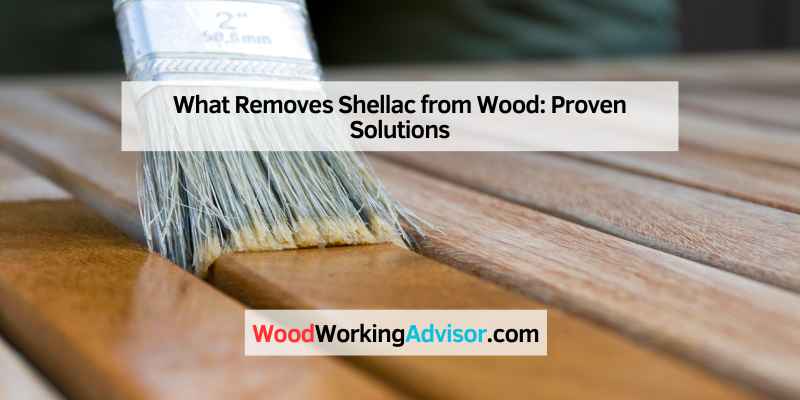
What Removes Shellac from Wood: Proven Solutions
Shellac is a natural finish used on wood. It gives wood a beautiful shine. However, sometimes you may want to remove it. This could be due to wear, damage, or simply a change in style. In this article, we will explore how to safely and effectively remove shellac from wood surfaces. We will look at various methods and tips to ensure the best results.
Understanding Shellac
Before we dive into removal methods, let’s understand shellac. Shellac is made from the secretions of the lac bug. It is a natural resin that is processed and dissolved in alcohol. It can be applied easily and dries quickly. This makes it a popular choice for wood finishes.
 Why Remove Shellac?
 Why Remove Shellac?
There are several reasons to remove shellac:
- To repair damaged wood.
- To change the color or finish.
- To prepare the surface for a new finish.
Tools and Supplies Needed
To remove shellac, gather the following tools:
- Paint stripper or denatured alcohol.
- Soft cloths or rags.
- Scraper or putty knife.
- Fine-grit sandpaper.
- Protective gloves and goggles.
Method 1: Using Denatured Alcohol
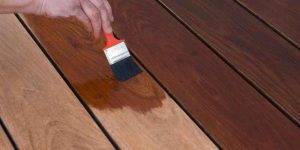
One of the safest ways to remove shellac is by using denatured alcohol. Here’s how to do it:
- Put on your gloves and goggles for safety.
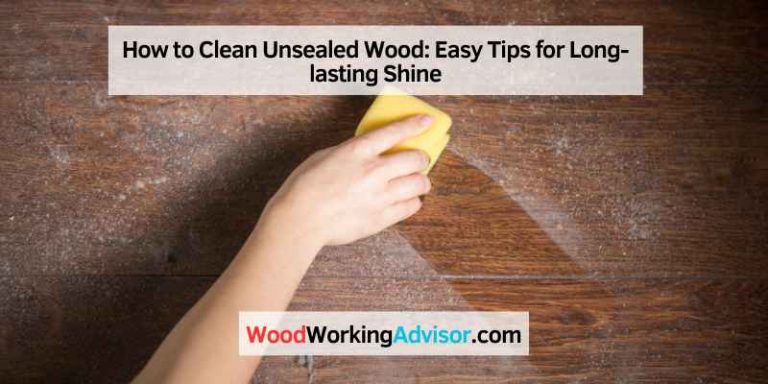
- Soak a soft cloth in denatured alcohol.
- Wipe the shellac surface with the cloth.
- Let it sit for a few minutes. This helps dissolve the shellac.
- Use a scraper to gently remove the softened shellac.
- Repeat the process as needed until all shellac is removed.
Method 2: Using Paint Stripper
If the shellac is thick, a paint stripper may be more effective. Follow these steps:
- Choose a non-toxic paint stripper for safety.
- Apply the paint stripper to the shellac surface.
- Wait for the time recommended on the product label.
- Use a scraper to remove the shellac gently.
- Wipe the area with a cloth soaked in water.
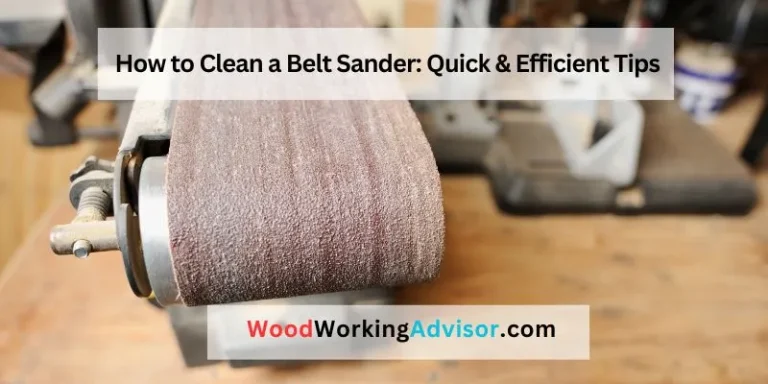
Method 3: Sanding
Sanding is another option to remove shellac. Use this method if the surface is not delicate. Here’s how:
- Start with coarse sandpaper, around 80-grit.
- Sand the shellac gently, following the wood grain.
- Switch to finer sandpaper, like 220-grit, for a smooth finish.
- Wipe away dust with a damp cloth.
Precautions
When removing shellac, always take precautions:
- Work in a well-ventilated area.
- Wear gloves and goggles to protect your skin and eyes.
- Keep children and pets away from the work area.
After Removal: Cleaning and Preparing the Surface
Once you have removed the shellac, clean the surface. Use a damp cloth to wipe away any residue. Then, allow it to dry completely. This prepares the wood for a new finish.
Choosing a New Finish
After removing the shellac, you may want to apply a new finish. Consider these options:
- Oil-based finishes provide a warm look.
- Water-based finishes are easy to clean up.
- Varnish offers a strong protective layer.
Frequently Asked Questions
What Products Remove Shellac From Wood?
Denatured alcohol and shellac thinner effectively dissolve shellac from wood surfaces.
Can Vinegar Remove Shellac From Wood?
Vinegar is not effective for removing shellac from wood. Use denatured alcohol instead for best results.
How To Test For Shellac Finish?
Apply a few drops of alcohol on the surface. If it dissolves, the finish is likely shellac.
Is Sanding Effective To Remove Shellac?
Sanding can remove shellac, but it may damage the wood surface. Use liquid removers for safer results.
Conclusion
Removing shellac from wood can be easy with the right methods. Using denatured alcohol or paint stripper works well. Sanding is also effective, but be gentle. Always take safety precautions to protect yourself. Once you remove shellac, you can apply a new finish. This will revive your wood surfaces and enhance their beauty.
By following these steps, you can successfully remove shellac and prepare your wood for a fresh look. Happy DIY-ing!