What Vegetables Like Wood Ash: Boost Your Garden Yield
Have you ever wondered how you can make your garden thrive with simple, natural ingredients? Imagine boosting your plants’ health without resorting to costly fertilizers or chemicals.
Well, wood ash might be the secret ingredient you’ve been searching for. But not all vegetables love wood ash, and knowing which ones do can transform your gardening experience. You’ll discover exactly which vegetables benefit the most from wood ash, and how you can use it to enrich your soil effortlessly.
Get ready to unlock the potential of your garden and watch your vegetables flourish like never before. Curious to find out more? Keep reading to uncover the magic of wood ash in your garden.
Benefits Of Wood Ash In Gardening
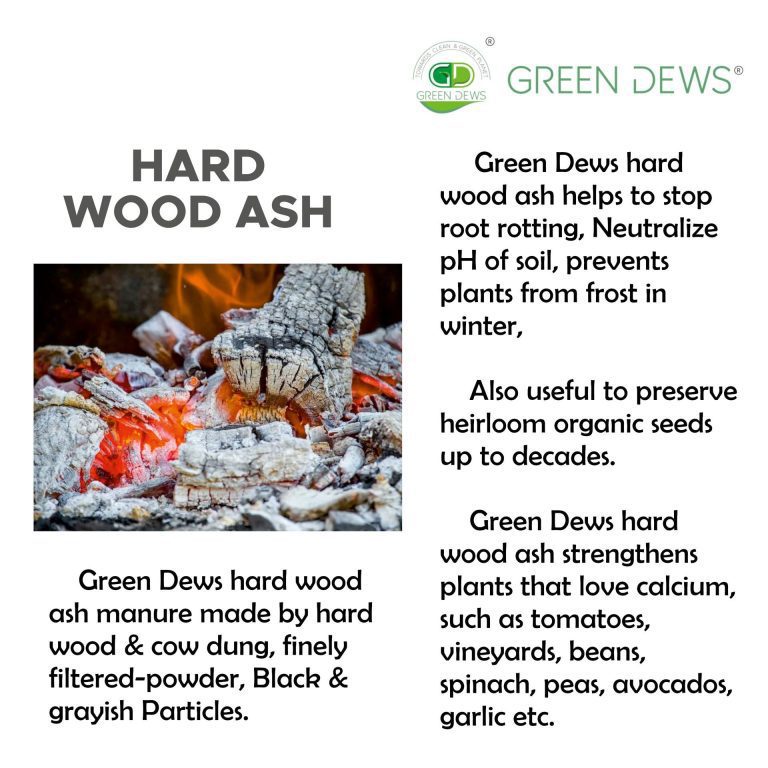
Wood ash is great for plants. It provides important nutrients like potassium and calcium. These nutrients help plants grow strong. Wood ash can also raise the soil’s pH. This means it can make the soil less acidic. Some plants love this. Like tomatoes and beans. They grow better with wood ash.
Use wood ash in small amounts. Too much can harm plants. Always mix it well in the soil. Avoid using ash from treated wood. It can be harmful. Fresh ash can be too strong. Let it sit for a while before using. Remember, not all plants like wood ash. Check what your plants need first.
Credit: www.gardenersbasics.com
Nutrient Composition Of Wood Ash
Wood ash is rich in many nutrients. It contains high amounts of calcium and potassium. These are important for plant growth. Calcium helps build strong cell walls. Potassium helps plants use water well. Adding wood ash can improve soil health.
Wood ash also has phosphorus and magnesium. Phosphorus helps roots grow. Magnesium helps plants make food. It is important for green leaves. Wood ash can be a good natural fertilizer. It helps plants grow strong and healthy.
Soil Ph And Wood Ash
Wood ash can change soil pH. It is alkaline and can raise soil pH. Many vegetables like soil that is neutral or slightly alkaline. Ash can help if the soil is too acidic. Use it with care. Too much ash can harm plants. Spread it thinly and mix well. Test soil pH before using ash. This helps to know how much ash is needed. Some vegetables love ash. Carrots, beets, and parsnips like it.
They grow better in neutral soil. Potatoes do not like ash. They need acidic soil. Tomatoes like slightly alkaline soil. Ash can help them grow big and healthy. Peas and beans also benefit from ash. They enjoy the nutrients it provides. Use ash wisely for best results. It can help plants grow strong. But be careful not to use too much.
Vegetables That Thrive With Wood Ash
Tomatoes love extra calcium and potassium. Wood ash gives them just that. It helps keep the soil not too acidic. Tomatoes grow better this way. Happy tomatoes mean juicy fruits.
Carrots enjoy a sweet soil. Wood ash helps make soil sweet. It also keeps bugs away. Carrots grow long and strong. Healthy soil makes tasty carrots.
Onions like balanced soil. Wood ash adds needed minerals. It helps onions grow big and round. Soil stays healthy with ash. Onions become less spicy too.
Garlic enjoys rich soil. Wood ash gives garlic a boost. It adds important nutrients. Helps garlic grow fast and big. Strong garlic is tasty and good.
Application Tips For Wood Ash
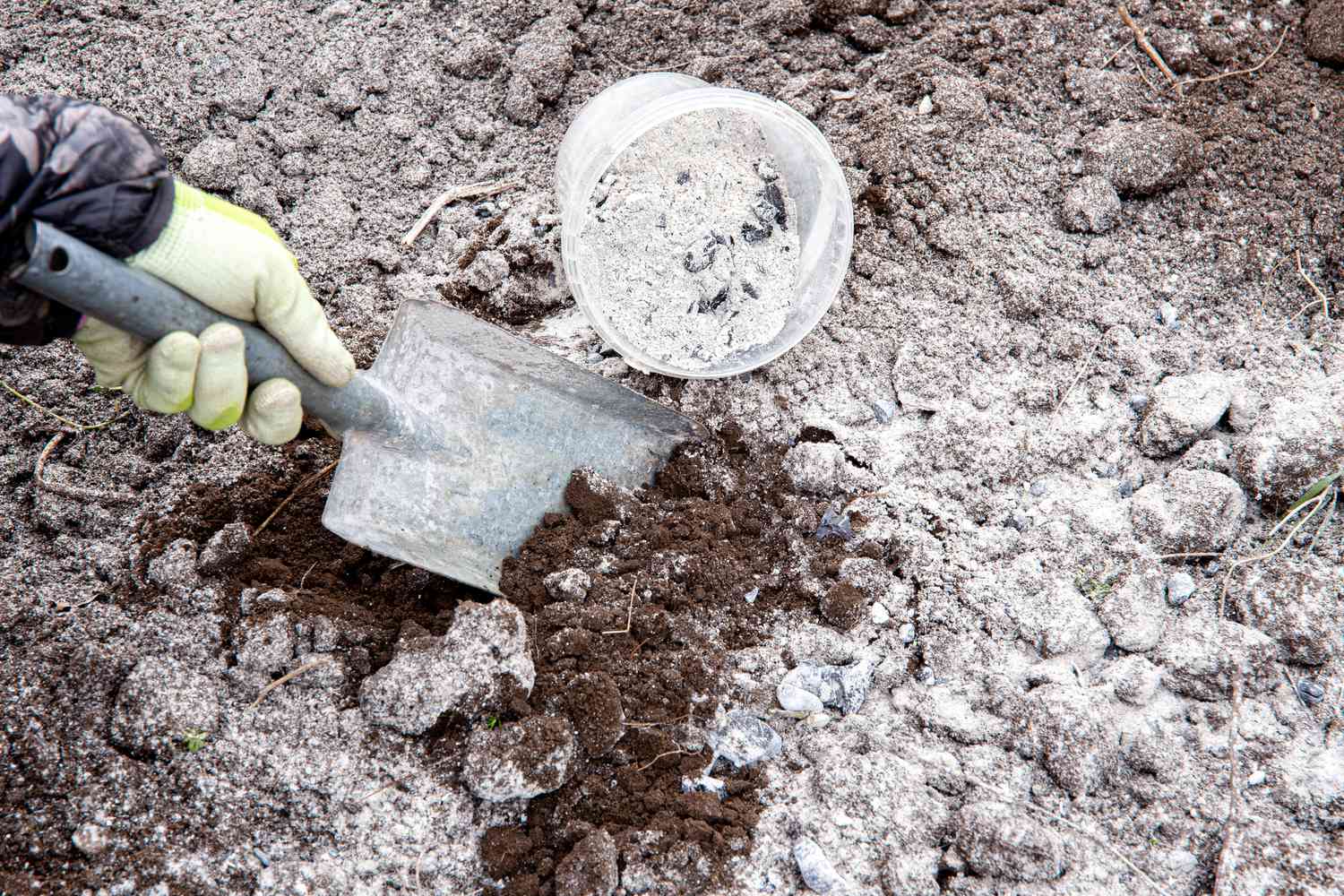
Use wood ash carefully in the garden. A small amount is best. One cup per square yard is often enough. Too much ash can harm the soil. Always mix it well. This helps it blend with the dirt. Keep ash away from plants. Ash can burn leaves and stems.
Apply wood ash in early spring. This is the best time. The soil gets ready for planting. Avoid wet days. Ash can clump when wet. Spread it evenly. Use a rake for this. Make sure it does not pile up. This helps the soil stay balanced.
Credit: www.ehow.com
Potential Risks And Precautions
Using too much wood ash can harm plants. It can make the soil too alkaline. This change might stop plants from growing well. Some plants may not get enough nutrients. Always use wood ash in small amounts. Check the soil’s pH level often. This helps in knowing if the soil is too alkaline. Mixing wood ash with compost can be helpful. It makes the soil balanced. Keep wood ash away from the plant’s base. This prevents any burn to the plant’s roots.
Some plants do not like wood ash. Blueberries and strawberries are among them. They prefer acidic soil. Wood ash makes soil less acidic. Plants like potatoes also dislike wood ash. Wood ash can cause potato scab. Always know what plants are sensitive. Use wood ash only for plants that like it. This keeps your garden healthy. A little research can save your plants.
Complementary Soil Amendments
Compost is great for your garden. It helps plants grow strong. Mixing compost with wood ash can be good for soil. The compost adds nutrients. Wood ash adds minerals. Both help plants grow better. They work well together. This mix is good for many vegetables. It keeps soil healthy and rich.
Organic fertilizers are natural and safe for plants. They give plants the food they need. Adding wood ash makes them even better. Wood ash gives extra potassium. This helps plants make strong roots. It helps vegetables like tomatoes and potatoes. Use the right amount for best results. Too much can harm plants. Always mix carefully.

Credit: www.pinterest.com
Frequently Asked Questions
What Vegetables Do Well With Wood Ash?
Wood ash benefits vegetables like tomatoes, carrots, and lettuce by providing essential potassium and raising soil pH. Use sparingly to avoid nutrient imbalance.
What Plants Benefit Most From Wood Ash?
Wood ash benefits alkaline-loving plants like tomatoes, carrots, and roses. It enriches soil with potassium and calcium. Avoid using it on acid-loving plants like blueberries. Always apply in moderation to prevent soil imbalance.
Is Wood Ash Good For Tomatoes?
Wood ash is beneficial for tomatoes, providing essential potassium and raising soil pH. Use sparingly to avoid over-alkalizing. Mix into the soil before planting for best results. Avoid using ash from treated wood, as it may contain harmful chemicals. Proper application can enhance tomato growth and fruit production.
Do Peppers Like Wood Ashes?
Peppers benefit from wood ashes as they provide essential nutrients like potassium. Use ashes sparingly to avoid pH imbalance. Mix ashes into the soil for best results. Ensure ashes are cool and dry before application. Too much can harm the plant, so moderation is key.
Conclusion
Wood ash can boost vegetable growth. It’s rich in potassium and calcium. These nutrients improve soil health and support plant development. Not all vegetables benefit from wood ash. Root vegetables like carrots and beets thrive with it. Beans and peas also grow well with added ash.
Adding wood ash requires care. Too much can harm plants. Balance is key for healthy growth. Test soil before adding ash to prevent problems. Use wood ash wisely for a fruitful garden. Watch your vegetables flourish with the right care.
Happy gardening!