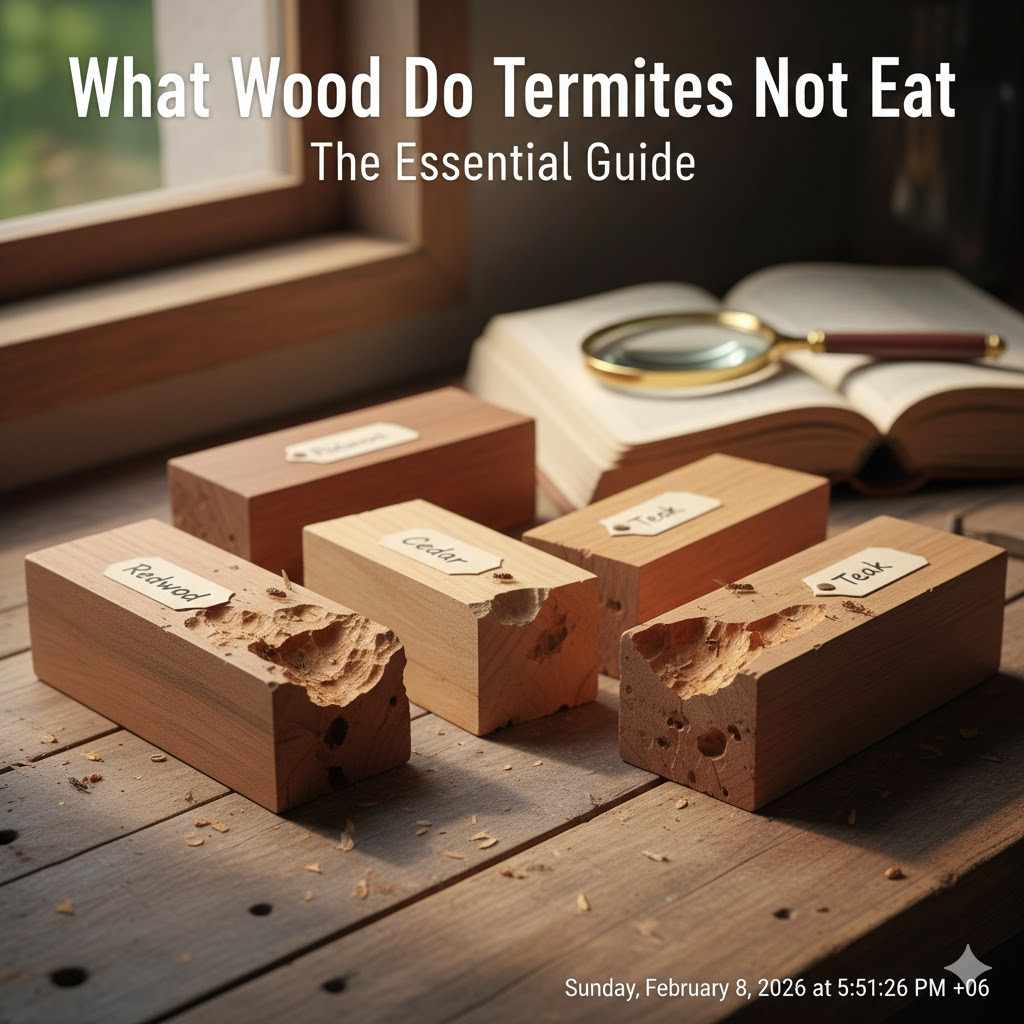
What Wood Do Termites Not Eat: The Essential Guide
Termites do not eat certain woods that are naturally dense and contain repellent oils or chemicals. The most resistant woods include teak, redwood, cedar, and cypress, particularly their heartwood. Man-made options like pressure-treated wood and composite materials are also highly effective at deterring termites and are ideal for structural and outdoor projects.
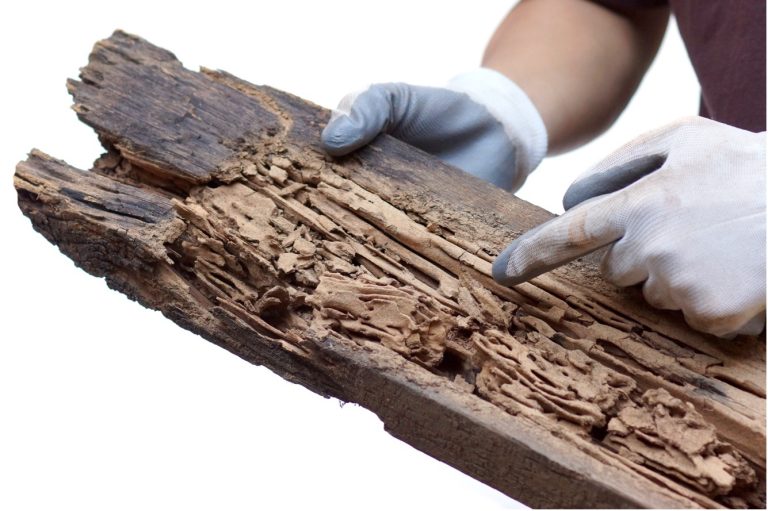
Hello friends! It’s Md Meraj, your guide in the workshop. Few things are as frustrating as discovering that tiny, unwelcome guests—termites—have been munching on your hard work. You spend time and effort on a project, only to worry about it being destroyed from the inside out. It can feel defeating, I know.
But what if I told you that one of the best ways to protect your projects is by making a smart choice right at the start? It all comes down to the wood you use. Don’t worry, you don’t need to be an expert to figure this out. I’m here to walk you through it, step by step. Together, we’ll explore the woods that termites tend to avoid, so you can build with confidence and create things that truly last.
Why Do Termites Eat Wood in the First Place?
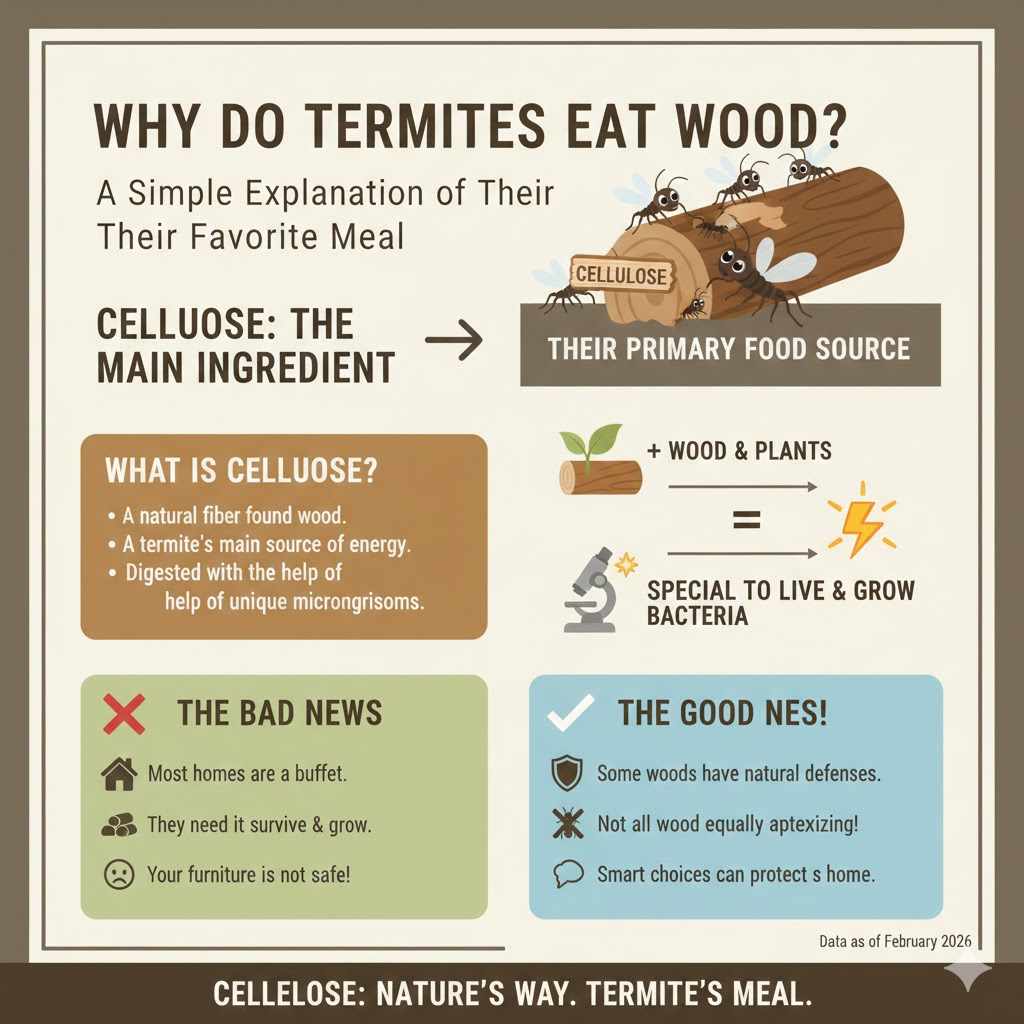
Before we look at the woods termites hate, let’s quickly understand why they love most wood. The main reason is something called cellulose. Cellulose is a natural fiber found in wood and other plants. For termites, cellulose is their primary food source. It’s like their version of bread and butter—they need it to live, grow, and fuel their colonies.
Termites have special bacteria and microorganisms in their digestive systems that help them break down tough cellulose fibers and turn them into usable energy. Unfortunately for us, that means most of our homes and wooden furniture are basically a giant buffet for them. But here’s the good news: not all wood is created equal in the eyes of a termite. Some woods have natural defenses that make them a very unappetizing meal.
The Secret Weapon: Naturally Termite-Resistant Woods
Mother Nature has a few tricks up her sleeve. Certain trees develop natural chemicals, oils, and resins as they grow. These compounds are stored in the densest part of the tree, known as the “heartwood.” These substances make the wood taste bad, act as a poison, or are simply too hard for termites to chew through. When you choose one of these woods for your project, you’re using the tree’s own built-in defense system!
Let’s take a closer look at some of the best naturally resistant woods you can use.
Teak
Teak is a champion when it comes to durability. Originally from the tropics of Asia, this wood is famous for its high content of natural oils and silica (the same stuff found in sand). This combination does two things: the oils repel insects like termites, and the silica makes the wood very dense and difficult to chew. It’s why you often see teak used for expensive outdoor furniture, boats, and decks. It’s a premium choice, but its resistance is unmatched.
Redwood
Grown primarily on the West Coast of the United States, redwood is another fantastic choice. Its beautiful reddish color comes from natural chemicals called tannins. These tannins make the heartwood naturally resistant to both decay and termites. It’s very important to use the heartwood of the redwood tree, which is the darker, redder core. The lighter-colored outer layer, called sapwood, does not have the same level of protection.
Cedar
You’ve probably smelled the wonderful aroma of a cedar closet or chest. That pleasant smell comes from natural oils in the wood, specifically an acid called thujaplicin. While we find it delightful, termites and other pests find it repulsive. Western Red Cedar and Alaskan Yellow Cedar are especially effective. This is why cedar is a classic choice for siding, shingles, outdoor planters, and, of course, lining closets to protect clothes from moths and other insects.
Cypress
Cypress trees often grow in swampy, wet environments, so they have to be tough to survive. They produce a preservative chemical called cypretine, which makes their heartwood exceptionally resistant to decay and insects. Cypress is a great option for projects that will be exposed to moisture, like outdoor furniture, siding, and docks. It’s a reliable, sturdy wood that stands up to the elements and pests alike.
Osage Orange (Bodark)
This one might be less common at your local lumber yard, but it’s one of the toughest out there. Osage Orange, also known as Bodark or Horse Apple, is incredibly dense, hard, and rot-resistant. Early settlers used it for fence posts because it would last in the ground for decades without rotting. While it can be tough to work with due to its hardness, its termite-fighting ability is legendary.
A Quick-Look Table: Top Naturally Resistant Woods
To make things easier, here is a simple table comparing these powerful woods. Remember, “heartwood” is always the best choice for maximum resistance.
| Wood Type | Key Resistant Compound | Common Uses | Relative Cost |
|---|---|---|---|
| Teak | Natural Oils & Silica | Outdoor Furniture, Decks, Boat Building | Very High |
| Redwood | Tannins | Decks, Fences, Siding, Pergolas | High |
| Cedar | Thujaplicin (Natural Oils) | Closet Lining, Shingles, Outdoor Structures | Medium to High |
| Cypress | Cypretine | Siding, Docks, Porch Swings | Medium to High |
| Osage Orange | High Density & Rot Resistance | Fence Posts, Tool Handles, Outdoor Projects | Medium (when available) |
Are Any Woods “Termite-Proof”? The Honest Answer
This is a really important point to understand. While we talk about “termite-resistant” woods, there is no wood that is 100% “termite-proof.” Given enough time and with no other food source, a very hungry and determined termite colony might try to nibble on even the most resistant wood. They may not be able to digest it properly, and it might even kill them, but they can still cause some cosmetic damage.
Think of it like this: resistance means the termites will avoid that wood if there is any other choice available. It’s their last resort, and not a very good one for them. This is why using these woods is so effective—you’re making your home and your projects the least attractive meal on the block.
Also, remember the difference between heartwood and sapwood. The sapwood is the outer layer of the tree, and it doesn’t have the same concentration of protective oils and chemicals as the heartwood. When buying wood like cedar or redwood, always look for the deep, rich-colored heartwood for the best protection.
Beyond Natural Wood: Man-Made and Treated Options
Naturally resistant woods are fantastic, but they aren’t the only solution. Technology has given us some other powerful options that are often more affordable and readily available, especially for structural projects.
Pressure-Treated Wood: Your Go-To for Structural Projects
If you’ve ever seen lumber with a greenish or brownish tint and small slits along the surface, you’ve seen pressure-treated wood. This is typically a standard wood, like Southern Yellow Pine, that has been put into a special chamber. Preservative chemicals are then forced deep into the wood fibers under high pressure.
These chemicals are toxic to termites, fungi, and other wood-destroying organisms. It is an extremely effective way to protect wood that will be used for things like deck frames, fence posts, or the wooden sill plate that sits on top of your home’s foundation. For more information on the safety and use of treated wood, you can consult resources from the U.S. Environmental Protection Agency (EPA). This wood is built to last in the toughest conditions.
Composite Wood: A Modern, Low-Maintenance Choice
Composite decking and lumber have become very popular in recent years, and for good reason. This material is made from a mix of wood fibers (like sawdust) and recycled plastics. This mixture is heated and formed into boards.
Termites don’t recognize composite materials as a food source. The cellulose fibers are encased in plastic, making them inaccessible and unappealing. This makes composite wood virtually immune to termites. It’s a great choice for decking, railings, and outdoor trim because it also resists rot, warping, and splintering, and never needs to be stained or sealed.
Heartwood vs. Sapwood: Why It Matters for Termite Resistance
Let’s spend another moment on this because it’s a game-changer. Imagine a tree trunk. The very center of it is the heartwood. It’s the tree’s strong, dense backbone. As the tree gets older, the heartwood stops transporting water and becomes a storage area for those natural protective chemicals we talked about.
The outer rings are the sapwood. This is the living part of the tree that moves water and nutrients up from the roots. Because it’s younger and more “active,” it contains fewer of those defensive compounds and more of the starches and sugars that termites love. So, when you’re buying a naturally resistant wood like redwood, ask for “all-heart” grades for the best possible protection.
Choosing the Right Wood for Your Project
So, how do you pick the right material for your specific project? It’s all about matching the wood to the job. Here’s a simple guide.
For Outdoor Projects (Decks, Fences, Pergolas)
For the hidden, structural parts of your outdoor projects—like the posts in the ground or the frame of a deck—pressure-treated wood is almost always the best and most affordable choice. It’s specifically designed for this purpose.
For the parts you see and touch, like decking boards, railings, and stair treads, you have more options. Redwood and cedar offer a beautiful, natural look. Composite decking provides the ultimate in low-maintenance durability. Your choice will depend on your budget and the style you prefer.
Here’s a table to help you decide:
| Material | Pros | Cons | Best For |
|---|---|---|---|
| Pressure-Treated Wood | Affordable, rot and termite resistant, widely available. | Not as visually appealing, contains chemicals. | Structural frames, posts, parts in contact with soil. |
| Redwood/Cedar | Beautiful natural look, naturally termite resistant, lightweight. | More expensive, requires regular maintenance (staining/sealing). | Visible surfaces like decking, railings, siding, fences. |
| Composite | Extremely low maintenance, immune to termites, won’t splinter. | Highest initial cost, can get hot in direct sun. | Decking, railings, and outdoor trim. |
For Indoor Projects (Furniture, Shelving)
The risk of termites indoors is generally lower, especially if your home has proper termite protection around its foundation. For most indoor furniture, you can use any wood you like. However, if you live in an area with a very high termite risk or simply want extra peace of mind, using woods like cypress or even some types of cedar for a project can be a great choice. And of course, lining a closet with cedar planks is a time-tested way to protect your clothes from insects.
For Direct Ground Contact
This is one rule you should never break: never place untreated wood directly on or in the ground. It’s an open invitation for both moisture and termites. For any project that involves ground contact—like setting a fence post or a mailbox post—you must use pressure-treated wood that is specifically rated for “ground contact.” You can find this information on the tag attached to the end of the board. This rating, often set by organizations like the American Wood Protection Association (AWPA), ensures the wood has enough chemical preservative to last for years, even in wet soil.
Other Tips to Keep Termites Away From Your Wood
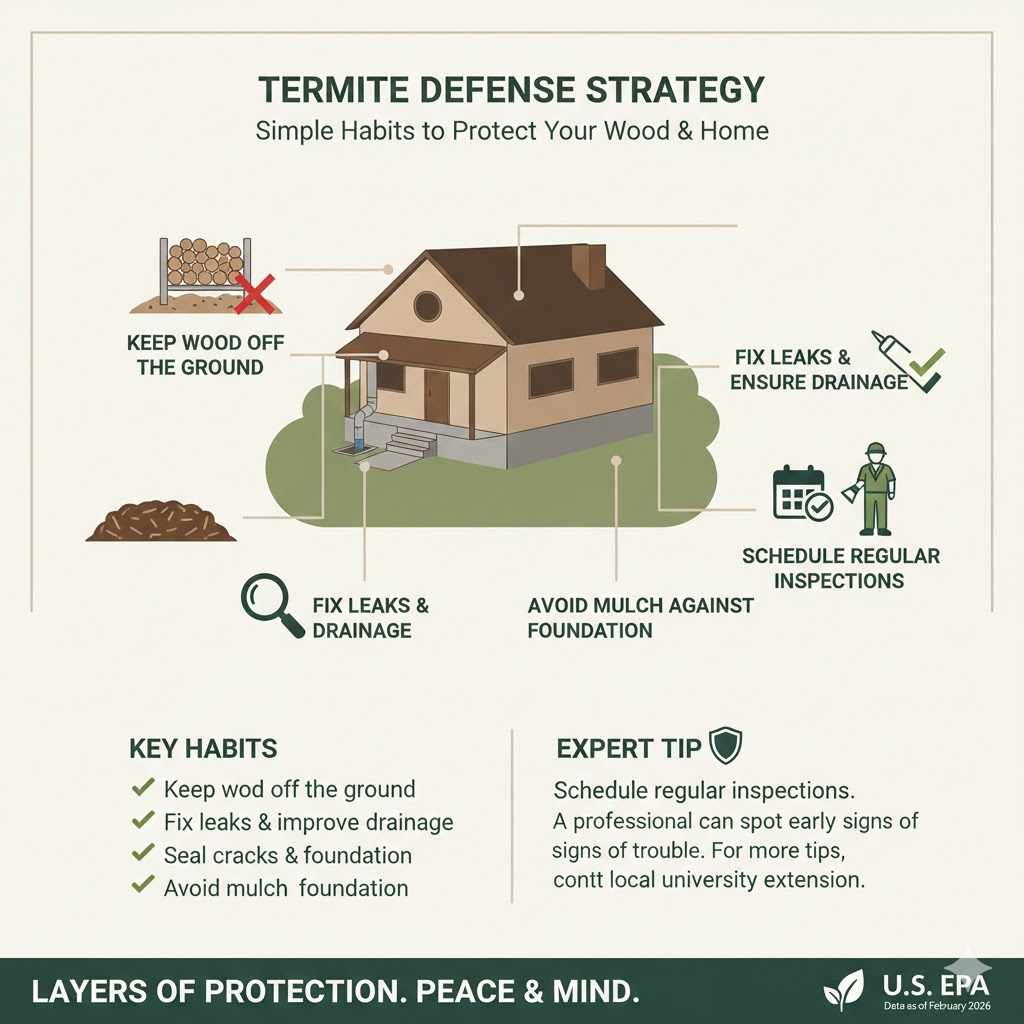
Choosing the right wood is a huge step, but a good defense strategy has multiple layers. Here are a few simple habits that will make your home and projects even safer:
- Keep wood off the ground: Never stack firewood or store scrap lumber directly against your house foundation. Keep it elevated on a rack.
- Fix leaks and ensure good drainage: Termites need moisture to survive. Fix leaky pipes and faucets, and make sure your gutters and downspouts direct water away from your home’s foundation.
- Seal cracks in your foundation: Termites can get through tiny cracks. Periodically check your foundation for cracks and seal them up.
- Avoid mulch against the foundation: Wood mulch can attract termites. If you use it, keep a clear space of at least six inches between the mulch and your foundation wall.
- Schedule regular inspections: It’s a good idea to have a professional pest control company inspect your home every year or two. They can spot signs of trouble you might miss. For more tips on identifying termite activity, your local university extension service is often a great, unbiased resource.
Frequently Asked Questions (FAQ)
I get a lot of questions about this topic, so I’ve gathered some of the most common ones here to give you quick and easy answers.
Do termites eat bamboo?
Yes, they can. While many people think bamboo is a wood, it’s actually a type of grass. It contains cellulose, and some species are quite susceptible to termite damage. If you’re using bamboo, especially for outdoor projects, make sure it has been properly treated for insect resistance.
Is painted or stained wood safe from termites?
No, a coat of paint or stain is not enough to stop termites. While it provides a thin layer of protection, termites can easily bypass it by finding a small crack, an unpainted edge, or simply chewing right through it. They can also travel behind the painted surface. Paint and stain are great for protecting wood from weather, but not from termites.
Can termites eat pressure-treated wood?
It is extremely unlikely. The chemicals in modern pressure-treated wood are highly effective at repelling and killing termites. The only time it might be at risk is if the wood is very old and the chemicals have leached out, or if an untreated end was cut and not properly sealed before being put in the ground.
What is the most termite-resistant wood available?
Many experts consider Teak to be the king of termite-resistant woods due to its dense nature and high concentration of natural protective oils. However, it is also one of the most expensive and may not be necessary for every project. Redwood, cedar, and cypress are all excellent and more accessible alternatives.
How can I tell if a piece of wood is pressure-treated?
There are a few clues. Pressure-treated wood often has a greenish or brownish color. You may also see small, uniform slits on the surface—these are incision marks that help the preservative chemicals penetrate deeper into the wood. The surest way is to check the tag stapled to the end of the board, which will list the type of treatment and its appropriate use (e.g., “Ground Contact”).
Is cedar 100% termite-proof?
No wood is 100% termite-proof, including cedar. However, the heartwood of cedar is highly resistant due to its natural oils. A termite colony would much rather find an easier meal and will typically avoid cedar if other food sources are available.
A Final Word of Encouragement
Building things with your own two hands is one of the most rewarding things you can do. Knowing that you’re creating something beautiful and durable makes it even better. By choosing the right wood from the start, you are giving your project the best possible defense against termites.
You don’t need to feel overwhelmed. Just remember the basics: for ultimate natural protection, choose the heartwood of woods like cedar, redwood, or teak. For strong, long-lasting structural work, rely on pressure-treated wood. And for a modern, maintenance-free finish, consider composite materials.
Making these smart choices will give you peace of mind and allow you to enjoy your hard work for many, many years to come. Now, get out there and build something great!