What Wood to Use for Door Jamb: Top Durable Choices
For door jambs, use hardwoods like oak or maple for durability. Softwoods like pine are also suitable for interior applications.
Choosing the right wood for door jambs is crucial for both functionality and aesthetics. Hardwoods offer strength and durability, making them ideal for exterior doors. They resist wear and tear, providing a longer lifespan. Softwoods, while less durable, can work well for interior doors and are often more cost-effective.
Selecting the right type of wood helps ensure a secure fit and enhances the overall look of your space. Consider factors such as climate, door weight, and style when making your choice. Investing in quality wood now can save you time and money on repairs in the future.
Introduction To Door Jamb Materials
A door jamb is a key part of a door frame. It holds the door in place. Choosing the right material is very important. Strong materials help doors last longer. The jamb must withstand daily use and weather changes.
Common materials for door jambs include wood, metal, and fiberglass. Each has its own benefits. Wood is popular for its natural look and strength. Metal offers durability and security. Fiberglass resists moisture and is low-maintenance.
Consider the environment where the door will be placed. For example, choose weather-resistant materials for outdoor use. For indoor doors, aesthetics may matter more than durability.
Hardwood Options For Durability
Oak is a classic choice for door jambs. It is strong and durable. This wood resists wear and tear over time. Oak also has a beautiful grain pattern. This makes it appealing for many homes.
Mahogany offers a luxurious option for door jambs. It is known for its rich color and fine texture. This wood is also very long-lasting. Mahogany resists swelling and warping. Many people choose mahogany for its elegance.
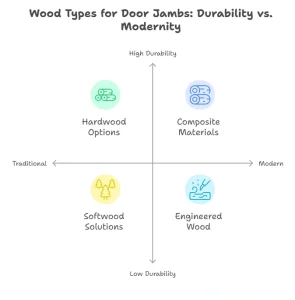
Softwood Solutions
Pine is a popular choice for door jambs. It is both economical and easily accessible. This wood is lightweight and easy to work with. Many builders prefer pine for its affordability.
Cedar offers natural resistance to decay. This wood can withstand moisture and pests well. It is a great choice for outdoor use. Cedar is also known for its pleasant aroma.
| Wood Type | Benefits |
|---|---|
| Pine | Economical, lightweight, easy to work with |
| Cedar | Decay resistant, moisture resistant, pleasant aroma |
Engineered Wood: A Modern Alternative
Engineered wood is a great choice for door jambs. It offers durability and stability. Many people prefer it over solid wood.
MDF stands for Medium Density Fiberboard. It is known for its consistency and affordability. MDF is smooth and easy to paint. This makes it a popular option for many homeowners.
Plywood is another excellent choice. It combines strength with flexibility. Plywood can handle changes in temperature and humidity well. This makes it a reliable option for door jambs.
Composite Materials: The Future Of Door Jambs
Composite materials are changing the way we think about door jambs. They combine strength and style, making them ideal for modern homes.
Fiberglass offers great durability and a sleek appearance. It resists warping and can handle various weather conditions. This material is perfect for those who want a long-lasting option.
Vinyl is another excellent choice. It requires very little maintenance and performs well in many environments. This material is also energy-efficient, helping to save on energy costs.
| Material | Benefits |
|---|---|
| Fiberglass | Durable, stylish, weather-resistant |
| Vinyl | Low maintenance, energy-efficient, high performance |
Factors To Consider When Choosing Wood For Door Jambs
Choosing the right wood for door jambs is important. Climate and exposure affect wood choices. For wet areas, cedar or redwood work well. In dry climates, pine is a good option.
Aesthetic compatibility matters too. Match the wood type with your home’s style. Oak offers a classic look, while maple gives a modern feel. Color and grain patterns can enhance the design.
Budget constraints are a key factor. Hardwoods tend to be more expensive than softwoods. Pine is often budget-friendly. Consider long-term value over initial cost.
Installation Tips For Long-lasting Door Jambs
Choosing the right wood for your door jamb is crucial. Softwoods like pine are budget-friendly. They are easy to work with and provide decent durability. For a more robust option, consider hardwoods like oak or maple. These woods offer better resistance to wear and tear.
Proper sealing techniques help protect your door jamb from moisture. Use a quality sealant to create a barrier. Apply it evenly on all sides. This prevents water damage and extends the jamb’s life.
Avoid common installation mistakes. Ensure the jamb is level before securing it. Use shims if necessary. Check for gaps after installation. Fill any spaces with caulk to keep drafts out.
Maintenance And Care For Wooden Door Jambs
Regular cleaning keeps wooden door jambs looking great. Use a soft cloth to wipe dust. A mild soap solution works well for stains. Avoid harsh chemicals that can harm the wood.
Check for scratches or dents regularly. If the finish looks worn, it may need refinishing. Sand lightly and apply a new coat of finish. This can protect the wood and enhance its look.
Replace the jamb if it shows signs of severe damage. Cracks or rot can weaken the structure. Installing a new jamb ensures safety and longevity for your door.
Frequently Asked Questions
What Type Of Wood Is Best For Door Jambs?
The best wood for door jambs is typically softwood, such as pine or fir. These woods are durable and cost-effective. Hardwoods like oak or maple can be used for a more elegant look but may be pricier. Consider the climate and environment when choosing the wood type.
Can I Use Plywood For Door Jambs?
Yes, plywood can be used for door jambs. It is strong and resistant to warping, making it a suitable option. However, it may not have the same aesthetic appeal as solid wood. Ensure the plywood is of high quality for durability and longevity.
How Thick Should Door Jamb Wood Be?
Door jamb wood should typically be at least 1-inch thick. This thickness provides sufficient strength and stability for the door. However, the exact thickness may vary based on door size and style. Always check the manufacturer’s specifications for the best fit.
Is Treated Wood Suitable For Door Jambs?
Treated wood can be suitable for door jambs, especially in humid or outdoor environments. It resists moisture and pests, enhancing durability. However, it may not offer the same finish as untreated wood. If aesthetics matter, consider using treated wood for structural areas only.
Conclusion
Choosing the right wood for your door jamb is essential for durability and aesthetics. Hardwoods like oak or maple offer strength, while softwoods like pine provide cost-effective options. Consider your climate and style when making a selection. Investing in quality wood will enhance your home’s overall look and longevity.