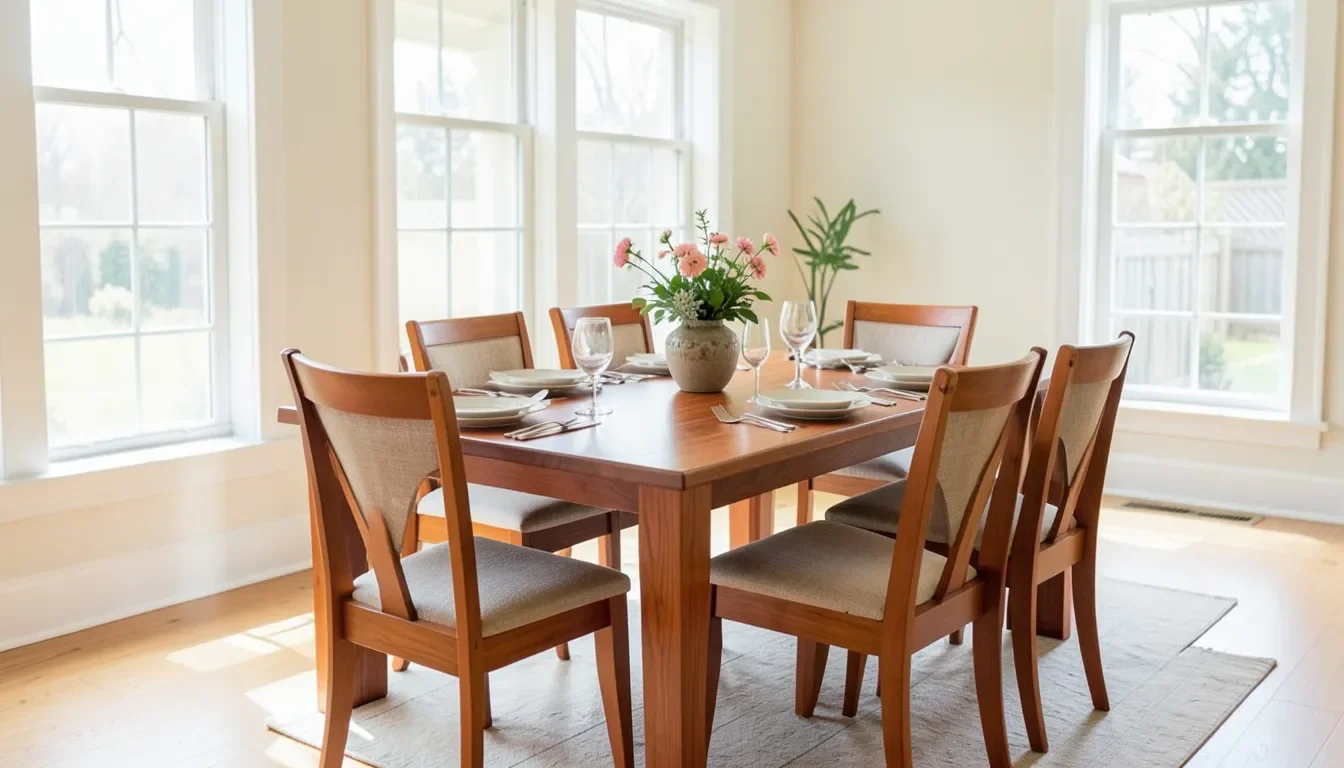
Is Fruitwood Furniture Good Quality? Depends If It’s Real
Genuine fruitwood furniture — made from cherry, apple, pear, or similar fruit-bearing trees — is real, good-quality hardwood, not a marketing gimmick. Cherry, the most common fruitwood in furniture, rates about 950 lbf on the Janka hardness scale, solidly in the “good furniture wood” range, harder than mahogany and only somewhat softer than oak. The catch: “fruitwood” is also commonly used as a finish or color name applied to other, cheaper woods, so the term alone doesn’t guarantee you’re getting the real thing.
Real Fruitwood Species vs. a “Fruitwood” Finish
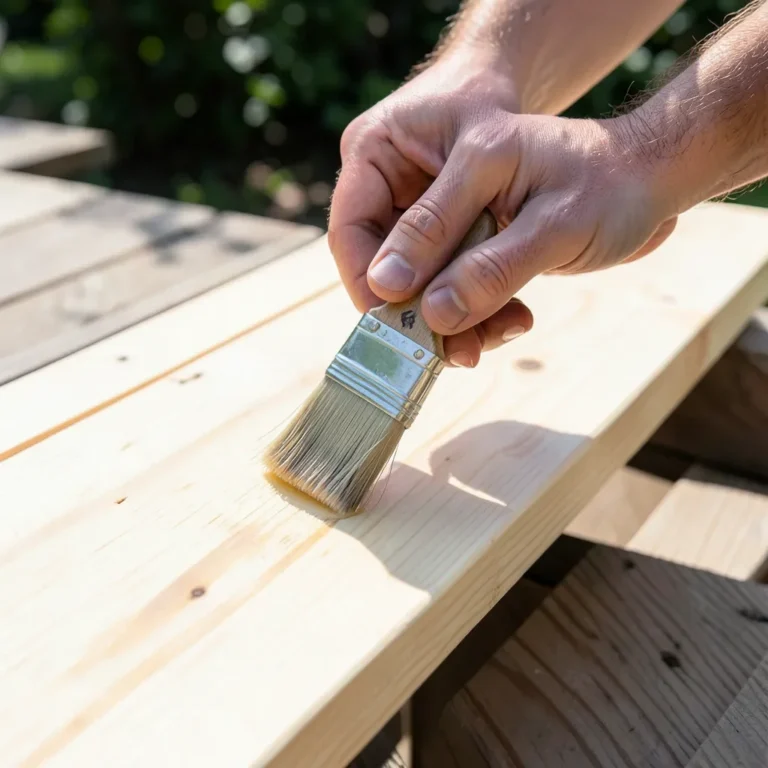
Keeping Real Fruitwood Looking Right
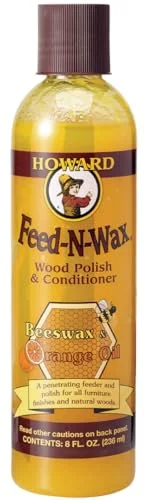 |
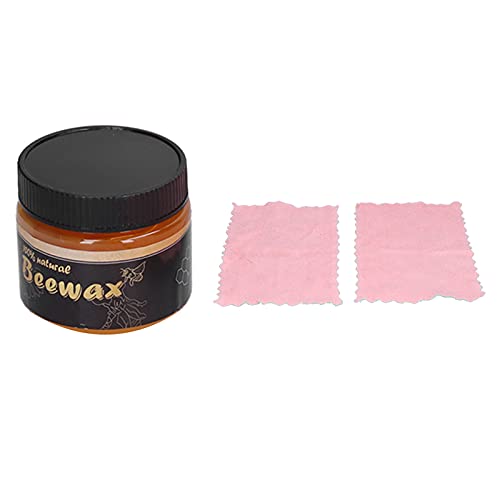
Howard Feed-N-Wax Wood Polish & Conditioner, 8 oz – $6.45 Real fruitwood’s finish is genuinely worth maintaining — this conditions and feeds the wood beneath, not just adding surface shine.
|
When furniture is described as “fruitwood,” check whether the listing names an actual species (cherry, apple, pear, or occasionally plum) or simply describes a finish color and tone. A birch or oak piece with a “fruitwood” stain looks similar at a glance but has different hardness, grain, and aging characteristics than genuine cherry — this is the same naming pattern seen with “mahogany” hangers or “beach oak” flooring, where the word describes an appearance, not necessarily the species underneath.
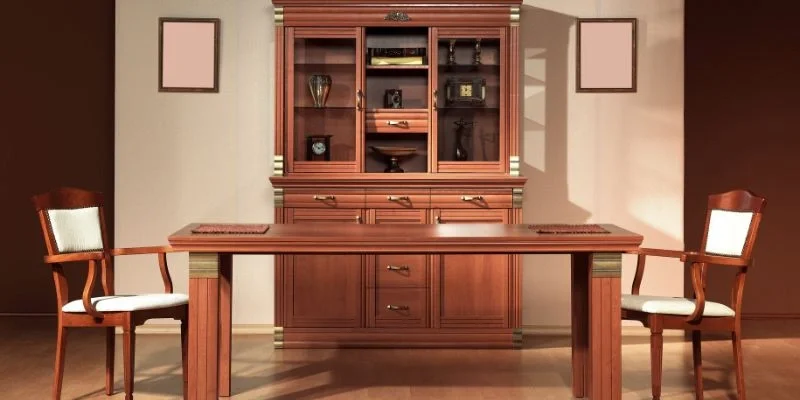
Why Genuine Fruitwood Earns Its Reputation
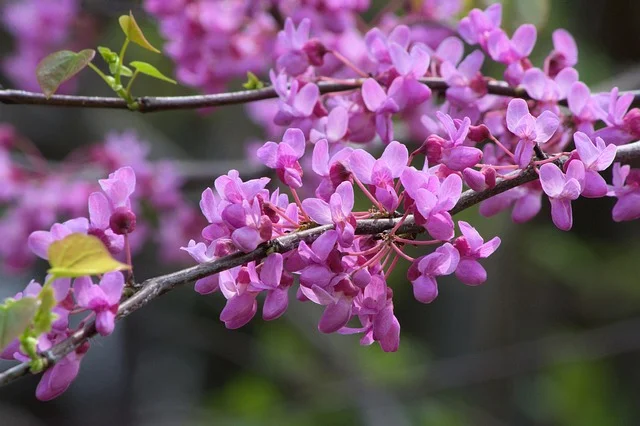
Cherry specifically is prized in furniture-making for its fine, even grain, excellent workability, and the way its color deepens from a light pinkish-brown to a rich reddish-brown with age and light exposure — a genuine characteristic, not a defect, similar to mahogany’s aging pattern. Apple and pear wood are less common in furniture (harder to source in furniture-grade dimensions since fruit trees are typically smaller) but share cherry’s fine grain and good workability when available.
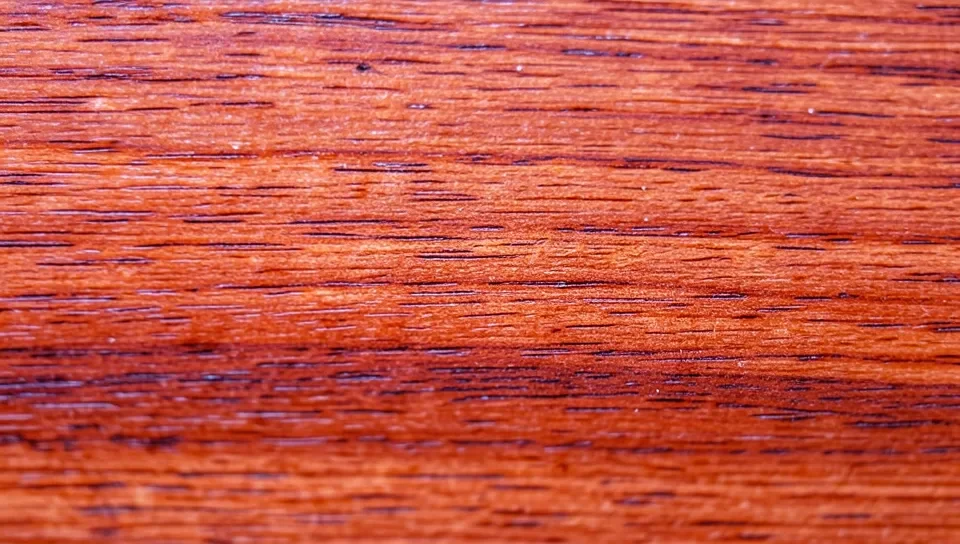
How to Actually Verify It’s Real
Ask the retailer or check the product listing for the specific species name, not just “fruitwood” as a description — a legitimate cherry piece will typically say so. Weight is a rough secondary check: genuine cherry furniture has real heft consistent with its 950 lbf hardness, while a lightweight piece claiming to be solid fruitwood is worth questioning. When in doubt, the same grain and weight checks used for verifying genuine mahogany apply here too.
Frequently Asked Questions
Is genuine fruitwood furniture good quality?
Yes. Real fruitwood, especially cherry, is a genuine quality hardwood at about 950 lbf Janka hardness, with fine grain and good workability that furniture makers have valued for generations.
Is “fruitwood” always a real wood species?
Not always. “Fruitwood” is sometimes used as a finish or color name applied to other woods, similar to how “mahogany” or “beach oak” can describe an appearance rather than the actual species.
What’s the most common real fruitwood used in furniture?
Cherry, by far. Apple and pear appear occasionally but are less common since fruit trees typically don’t grow large enough for furniture-grade lumber as consistently as cherry does.
Conclusion
Genuine fruitwood, especially cherry, is real, good-quality furniture wood with a legitimate reputation — but confirm the actual species rather than trusting “fruitwood” as a description alone, since it’s also used as a finish name on other woods. Check the listing for a named species, and use weight as a rough secondary check.
New to the term? Our explainer on what fruitwood is compares cherry, apple, pear and plum side by side.
Sponsored / affiliate links. As an Amazon Associate I earn from qualifying purchases. I may earn additional commission from eligible campaigns.