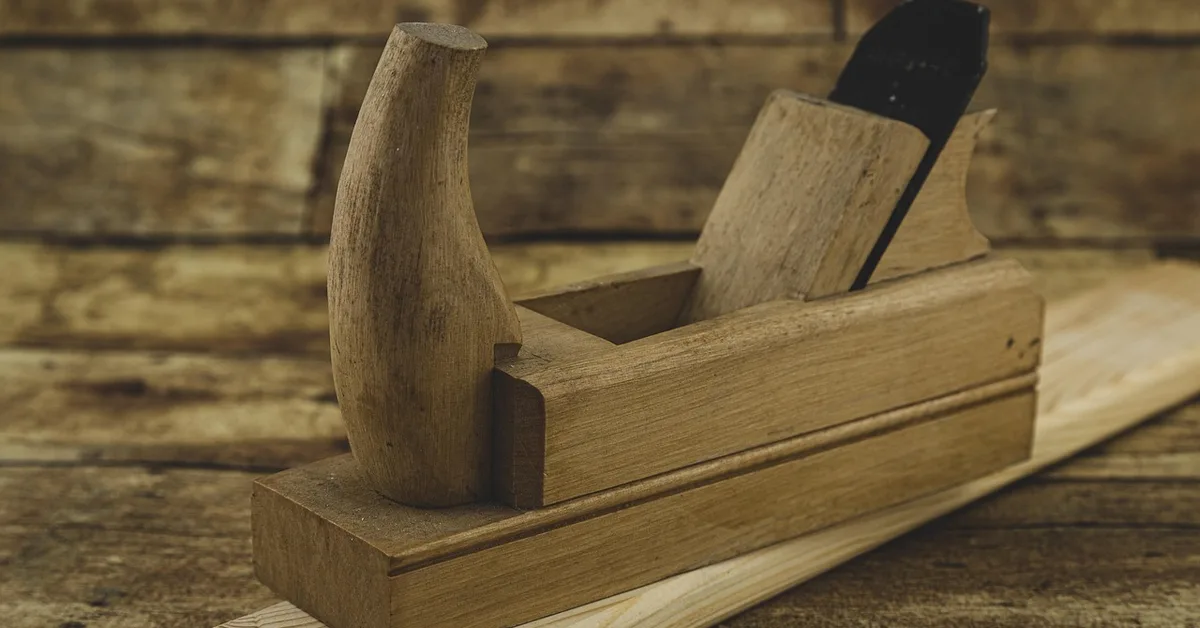
Where Can I Get a Piece of Wood Planed: Top Solutions
Are you working on a woodworking project? Do you have a piece of wood that needs to be smooth and flat? If yes, you might be wondering, where can I get a piece of wood planed? This article will guide you on how to find the best services for planing wood, compare your options side by side, and show you how to plane a board yourself if you’d rather skip the trip.
Understanding Wood Planing
Wood planing is the process of making a piece of wood smooth and flat. This helps improve the look and feel of the wood. It also makes it easier to use in various projects.
Here are a few reasons why you might need wood planed:
- To prepare wood for furniture making.
- To create a smooth surface for painting or staining.
- To ensure the wood fits perfectly in your project.
Options for Getting Wood Planed
There are several options for getting your wood planed. Let’s explore them one by one.
1. Local Woodworking Shops
Many local woodworking shops offer planing services. These shops usually have professional equipment. Here, you can get high-quality results.
To find a local shop:
- Search online for woodworking shops near you.
- Ask friends or family for recommendations.
- Check community bulletin boards for local services.
2. Lumber Yards
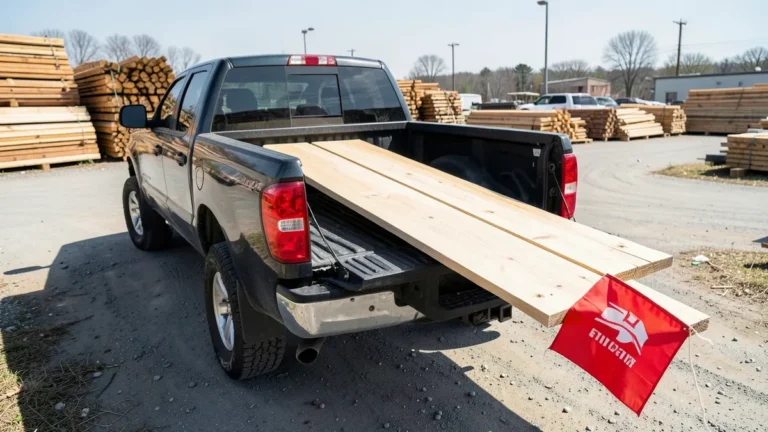
Lumber yards often have planers available. They can plane your wood quickly and efficiently. It’s a great option if you buy wood from them.
When visiting a lumber yard, ask if they provide planing services. Many yards will do it for free or for a small fee.
3. Home Improvement Stores
Many home improvement stores have a woodworking section. Some of these stores offer wood planing services. Check with your local store if they can help you.
Popular home improvement stores include:
- Home Depot
- Lowes
- Menards
4. Furniture Makers
Furniture makers often have the tools needed to plane wood. If you know a local furniture maker, ask them for help. They might offer planing as a service.
Building a relationship with a furniture maker can also lead to more woodworking tips and tricks.
5. Mobile Planing Services
In some areas, mobile planing services are available. These services come to your location with the necessary equipment. This is a convenient option if you have large pieces of wood.
Look online for mobile planing services in your area. Many of them have websites or social media pages.
6. Woodworking Makerspaces and Community Shops
Many cities now have membership-based makerspaces or community woodshops with shared tools, including stationary planers that would otherwise cost thousands to own. Membership typically runs $50–$150 a month, and most require a brief safety orientation before you can use the equipment. This is a strong middle ground if you plan to plane wood more than once or twice a year but don’t want to pay a shop’s per-board fee every time.
Comparing Your Options
Each option trades off cost, turnaround time, and quality differently. Here’s how they stack up:
| Option | Typical Cost | Turnaround | Quality/Notes |
|---|---|---|---|
| Local lumberyard/mill planing service | $0.50–$2.00 per board foot | Same day to a few days | Most consistent results; industrial planers handle wide/long boards |
| Big-box home improvement store | Often free or low-cost with lumber purchase | Same day, limited hours | Basic pass-through planing only; not all locations offer it — call ahead |
| Woodworking makerspace/community shop | $50–$150/month membership | Same day, on your own schedule | Good if you’ll plane multiple times a year; requires an orientation |
| Benchtop electric planer (DIY) | $150–$400 one-time | Immediate, once purchased | Good for repeat home use; learning curve for feed rate and depth |
| Hand plane (DIY) | $30–$150 one-time | Immediate, but slower per board | No electricity, quiet, best control on figured/wide boards; most skill required |
DIY Wood Planing
If you enjoy woodworking, consider planning wood yourself. You can do this with the right tools and some practice. Here are a few tools you may need:
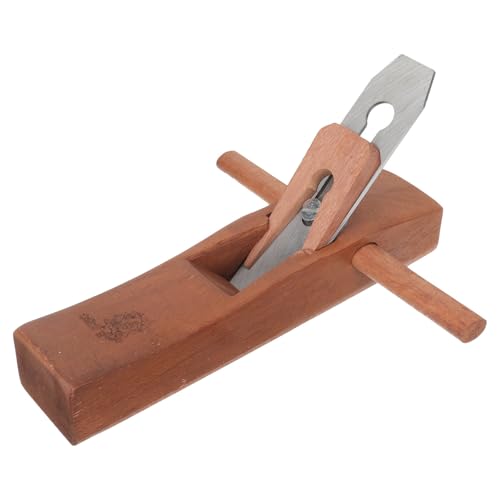
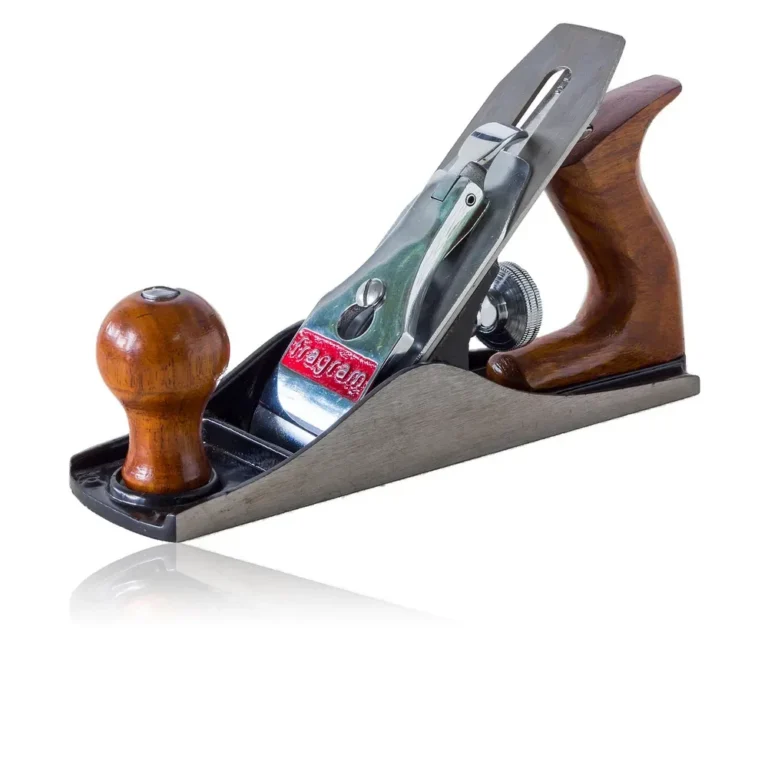
- Hand plane
- Power planer
- Sandpaper
Using a hand plane is a traditional method. It requires skill and patience. A power planer is faster and easier for beginners.
How to Plane a Board Yourself: Step-by-Step
With a hand plane:
- Secure the board flat on your workbench with clamps or a bench dog so it can’t shift.
- Check the grain direction — run your hand along the board and plane in the direction that feels smooth, not against rising grain, to avoid tear-out.
- Set the blade for a light, shallow cut (a thin curl of shaving, not a thick chip).
- Push the plane the full length of the board in smooth, even strokes, overlapping each pass slightly.
- Check flatness periodically with a straightedge across the board and diagonally, planing down any high spots.
- Finish with a very light final pass once the board is flat, then lightly sand to smooth any plane-track ridges.
With a benchtop or handheld electric planer:
- Set the depth of cut low for the first pass — 1/32 inch or less is safest for most boards.
- Feed the board through evenly (benchtop) or move the planer steadily across the board (handheld), supporting the workpiece so it doesn’t dip at the ends.
- Take multiple shallow passes rather than one deep pass, flipping or rotating the board as needed for even results on both faces.
- Check thickness with calipers at several points to confirm the board is even, not tapered.
- Sand lightly after the final pass to remove any snipe or planer marks.
What to Ask a Lumberyard or Mill Before You Drop Off Wood
- Thickness tolerance: ask how close to your target thickness they can hold (e.g. ±1/32 inch) — tighter tolerances may cost more or take longer.
- Snipe policy: snipe is the shallow gouge some planers leave at the very ends of a board. Ask whether they trim ends after planing or if you should plan for a couple extra inches of length to cut off yourself.
- Minimum quantity or fee: some mills have a minimum charge or won’t run a single small board through their planer at all — confirm before making the trip.
- Moisture content: if the wood isn’t already kiln-dried, ask whether they can check moisture content, since planing wet wood that later dries can warp it out of flat.
Common Mistakes to Avoid
- Removing too much material in one pass: whether by hand or machine, aggressive deep cuts cause tear-out, especially on figured or curly grain, and can take a board below your target thickness with no way to add material back.
- Ignoring grain direction: planing against the grain lifts and tears wood fibers instead of shaving them cleanly, leaving a rough, chipped surface that needs extra sanding to fix.
- Not supporting long boards: letting the ends of a long board droop while feeding it through a planer causes snipe or an uneven, bowed result.
- Skipping a flatness check before planing: a planer makes a board a consistent thickness, but it won’t flatten a board that’s cupped or twisted — that needs a jointer or hand-planing pass first, or the twist just gets planed thinner instead of flat.
Tips for Getting Wood Planed
Here are some tips to help you get the best results when planning wood:
- Choose high-quality wood for better results.
- Ensure the wood is dry and free of defects.
- Communicate your needs clearly to the service provider.
Being clear about what you want helps the provider understand your project. This leads to better results.
Costs of Wood Planing
The cost of wood planing can vary. It depends on the size of the wood and the service provider. Here are some common price ranges:
| Wood Size | Estimated Cost |
|---|---|
| Small (up to 1 foot) | $5 – $10 |
| Medium (1 to 4 feet) | $10 – $30 |
| Large (4 feet and above) | $30 – $100 |
Always ask for a quote before starting the work. This way, you know what to expect.
Final Thoughts
Finding a place to get wood planed is easier than you think. Local woodworking shops, lumber yards, home improvement stores, and community makerspaces can all help. If you prefer, you can learn to plane wood yourself with a hand plane or an electric planer.
Remember to choose the right service for your project. Make sure to communicate your needs clearly, ask about thickness tolerance and snipe, and take shallow passes if you’re planing it yourself. With the right approach, your woodworking project will turn out great.
Now that you know where to get wood planed, what will you create next? Happy woodworking!
Frequently Asked Questions
Where Can I Find Wood Planing Services?
Local lumber yards, woodworking shops, home improvement stores, and community woodworking makerspaces often provide wood planing services.
How Much Does Wood Planing Cost?
Costs vary by location and service provider, typically ranging from $0.50 to $2.00 per board foot.
Can I Plane Wood Myself?
Yes, using a hand planer or electric planer can achieve great results, but it requires practice and skill. Take shallow passes, mind the grain direction, and support long boards to avoid snipe.
What Types Of Wood Can Be Planed?
Most softwoods and hardwoods can be planed, including pine, oak, and maple, depending on your project needs.
What Should I Ask a Lumberyard Before Getting Wood Planed There?
Ask about their thickness tolerance, whether they trim snipe from the ends or you should allow extra length, any minimum quantity or flat fee, and whether they check moisture content before planing.
Will a Planer Fix a Warped or Twisted Board?
No — a planer only makes a board a consistent thickness, it doesn’t flatten cupping or twist. A cupped or twisted board needs to be flattened first on a jointer or with hand-planing before running it through a thickness planer, or the warp just gets planed thinner instead of removed.
Sponsored / affiliate links. As an Amazon Associate I earn from qualifying purchases. I may earn additional commission from eligible campaigns.