Whats a Band Saw Used for: Essential Workshop Tool Guide
A band saw is primarily used for cutting wood, metal, and other materials into various shapes and sizes. It offers precise cuts, making it ideal for intricate designs and curves.
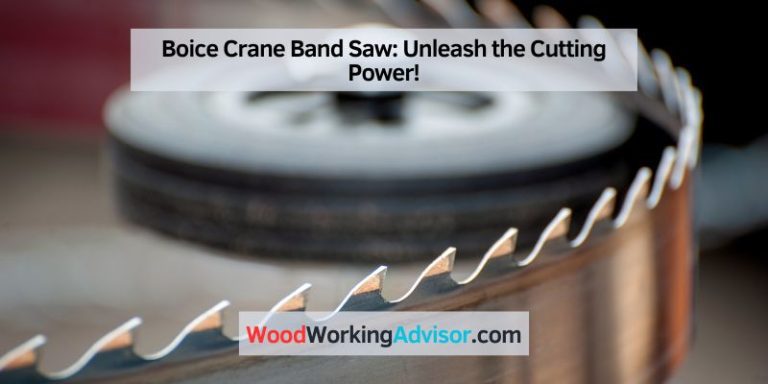
Band saws are versatile tools found in many workshops, from carpentry to metalworking. They consist of a long, serrated blade that moves continuously around two wheels. This design enables smooth, controlled cuts, perfect for both straight lines and curves. Craftsmen appreciate band saws for their ability to handle thick materials efficiently.
The adjustable blade speed allows users to adapt to different materials and tasks. Whether you’re a hobbyist or a professional, mastering a band saw can significantly enhance your woodworking or metalworking projects. Understanding its features and applications can maximize your results.
Introduction To Band Saws
A band saw is a versatile tool found in many workshops. It features a long, continuous blade that moves in a loop. This design allows for smooth and precise cuts in various materials.
Woodworkers love band saws for their ability to cut curves and intricate shapes. Metalworkers also use them for straight cuts and detailed work. These saws can handle different thicknesses, making them very useful.
Every workshop should have a band saw. It saves time and ensures accuracy. Whether for hobby projects or professional tasks, a band saw is essential.
Types Of Band Saws
Benchtop models are small and great for home use. They are perfect for light tasks. Many people choose them for their compact size.
Floor-standing models are larger and more powerful. These are ideal for heavy-duty projects. They can handle thicker materials easily.
Portable band saws are lightweight and easy to carry. They are useful for jobs that need movement. Many builders and contractors prefer them for their convenience.

Key Features To Consider
Throat capacity and depth of cut are crucial features. They determine how thick materials can be cut. A larger throat allows for wider pieces. Check the specifications before buying.
Power and motor size affect performance. A more powerful motor cuts through tough materials easily. Choose a motor size based on your projects. Higher wattage means better efficiency.
Blade selection is vital for different tasks. Blades come in various sizes and teeth counts. Picking the right blade ensures clean cuts. Regular maintenance keeps blades sharp and effective. Replace dull blades promptly to maintain quality.
Materials Suitable For Band Saws
Band saws are great for cutting wood. They can make straight cuts and curves easily. This tool is perfect for making furniture or crafts.
These saws also work well for slicing metals. Use them to cut aluminum, steel, or brass. Band saws provide clean edges and reduce waste.
When working with plastics, band saws shine too. They can cut different types of plastic materials. This includes acrylic and PVC, offering smooth and accurate cuts.
Precision Cuts And Curves
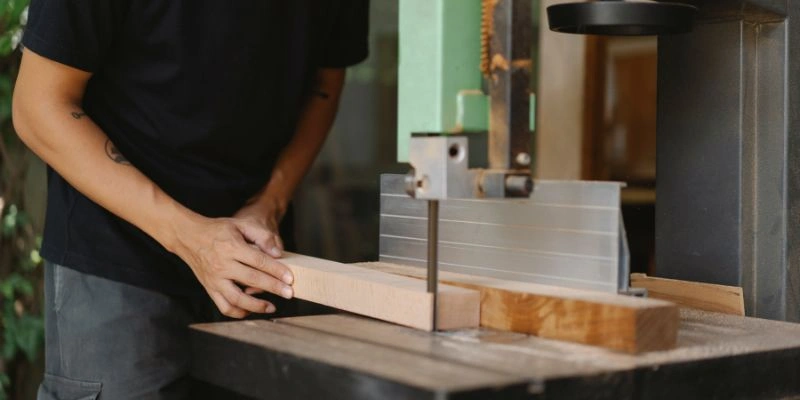
A band saw is great for making precision cuts. It helps create intricate shapes in wood and metal. This tool uses a long, sharp blade that moves in a loop. The thin blade can cut very curvy lines easily.
For resawing, a band saw cuts thick pieces into thinner ones. It makes the most of the material without wasting it. Ripping involves cutting along the grain of the wood. Both techniques are essential for woodworkers.
| Technique | Description |
|---|---|
| Resawing | Cutting thick wood into thinner sheets. |
| Ripping | Cutting along the grain for straight pieces. |
Safety Measures
Using a band saw safely is very important. Always wear proper Personal Protective Equipment (PPE). This includes safety glasses, gloves, and hearing protection.
Check your clothing. Avoid loose clothes that can get caught in the saw. Long hair should be tied back securely.
| PPE Item | Purpose |
|---|---|
| Safety Glasses | Protect eyes from flying debris |
| Gloves | Protect hands from sharp edges |
| Hearing Protection | Reduce noise exposure |
Always stay focused while using the band saw. Avoid distractions to prevent accidents. Keep the work area clean and organized.
Follow all safety guidelines for using the band saw. These rules help keep everyone safe.
Maintenance Tips
Routine cleaning keeps your band saw in top shape. Remove sawdust and debris after each use. Check the surfaces for any rust or damage. Use a soft cloth for cleaning.
Blade care is essential for safety and performance. Regularly inspect the blade for wear and tear. Replace any dull or damaged blades immediately. Lubricate the blade to reduce friction and wear.
Machine calibration ensures accurate cuts. Check the alignment of the blade regularly. Adjust the tension as needed for optimal performance. Always refer to the manufacturer’s instructions for proper calibration.
Creative Projects With Band Saws
Band saws are great for furniture making. They cut wood into various shapes. This tool helps create tables, chairs, and cabinets easily. Smooth curves and straight lines become simple tasks.
Crafting wooden puzzles is another fun use. Band saws allow for intricate designs. Kids love playing with unique, handmade puzzles. This process sparks creativity and imagination.
For decorative art pieces, band saws shine. Artists shape wood into beautiful sculptures. These pieces can enhance any home decor. Each creation tells a unique story.
Band Saw Versatility
A band saw is known for its flexibility in cutting various materials. It is ideal for curved cuts and intricate designs. Unlike other saws, it can handle both wood and metal. This makes it a popular choice among woodworkers and metalworkers alike.
When comparing it to other saws, a band saw excels in precision. Circular saws are great for straight cuts, but they lack versatility. A jigsaw is handy for curves, yet a band saw offers more power and stability.
Choosing a band saw is best when needing to cut complex shapes. It is also suitable for thicker materials that other saws struggle with. This tool is essential for anyone wanting to achieve professional-level results.
Advanced Techniques
Stack cutting is a great technique for band saws. It allows cutting multiple pieces at once. This method saves time and ensures uniform thickness. Perfect for projects needing many identical parts.
Book-matched lumber creates stunning designs. It involves cutting two pieces from the same log. These pieces mirror each other when opened. This technique enhances the beauty of furniture and decor.
Template and pattern work make complex cuts easy. Using a template guides the band saw accurately. This method is ideal for making repeated shapes or intricate designs. It helps achieve precision in every cut.
Accessories And Upgrades
Fences help make straight cuts. They keep the wood steady while you cut. A miter gauge allows for angled cuts. This tool is great for making precise shapes.
Guides and bearings improve accuracy. They help the blade stay in line. Good bearings reduce friction, making cuts smoother. This leads to better results in your projects.
Aftermarket blades can change the way you work. They come in different sizes and shapes. Choosing the right blade helps with different materials. For example, some blades work better on wood, while others cut metal.
Frequently Asked Questions
What Materials Can A Band Saw Cut?
A band saw is versatile and can cut various materials. It is commonly used for wood, metal, and plastic. The saw’s thin blade allows for intricate cuts and curves. This makes it ideal for both detailed woodworking and heavy-duty metalwork.
Always choose the right blade for optimal results.
Is A Band Saw Better Than A Table Saw?
Each saw serves different purposes, making them unique. A band saw excels in making curved cuts and resawing. In contrast, a table saw is better for straight cuts and large sheets. Choosing the right tool depends on your specific project needs and the type of cuts required.
Can A Band Saw Be Used For Beginners?
Yes, a band saw is beginner-friendly with proper training. Its design allows for easy handling and control. Beginners can practice making straight and curved cuts safely. However, always prioritize safety measures, like using blade guards and wearing protective gear. Learning proper techniques will enhance your skills effectively.
What Is The Difference Between A Band Saw And A Scroll Saw?
A band saw and a scroll saw differ mainly in cutting capacity. A band saw is suited for thicker materials and larger projects. In contrast, a scroll saw is perfect for intricate, detailed work on thinner materials. Your choice depends on the complexity and scale of your tasks.
Conclusion
A band saw is an essential tool for various cutting tasks. It excels in creating intricate shapes and curves in wood and metal. Understanding its versatility can enhance your projects significantly. Whether you are a hobbyist or a professional, mastering the band saw can elevate your craftsmanship to new heights.