Delta 28-276 Bandsaw: Specs, Blade Size & Price Guide
The Delta 28-276 is a 14-inch band saw with a 3/4-HP motor, a 93-1/2 inch blade, and cast-iron trunnion bases — but Delta discontinued it, so every unit sold today is used. Skip the tire and blade check and you can sink $200+ into a saw that still needs new urethane tires. This guide covers the specs, the exact blade sizes it takes, current used prices, and how to fix the two parts that wear out first.
Delta 28-276 Specs at a Glance
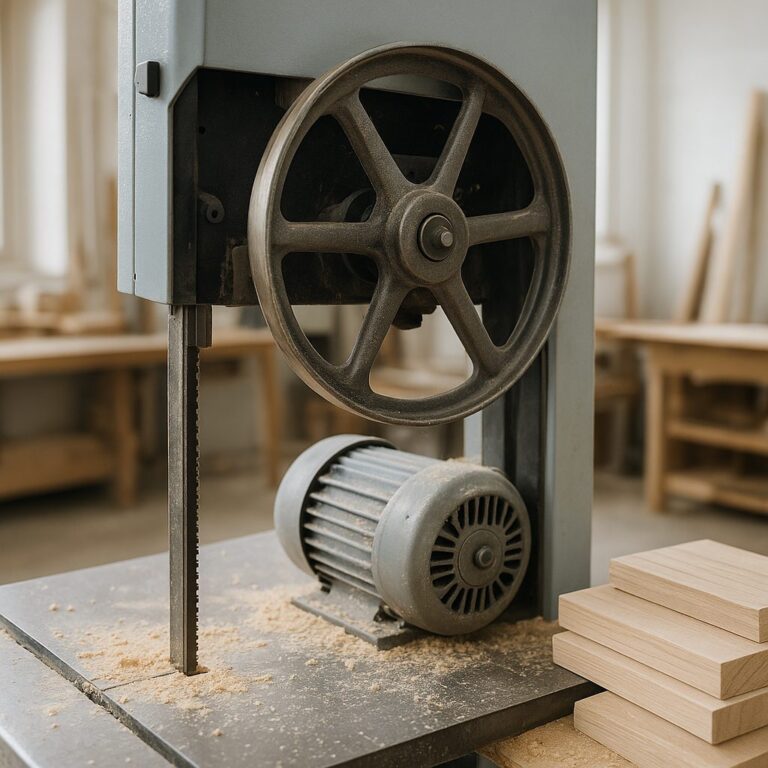
Delta sold the 28-276 as a 14 inch, open-stand band saw built around a steel frame and cast-iron trunnion base. The table below compiles the specs scattered across the owner’s manual and parts listings into one place.
| Spec | Delta 28-276 |
|---|---|
| Wheel size | 14 in, cast iron, 9-spoke |
| Blade length | 93-1/2 in (2375 mm) |
| Blade width range | 1/8 in to 1/2 in |
| Factory blade | 1/4 in, 6 TPI general-purpose |
| Motor | 3/4 HP, 120V |
| Max cutting height | 6 in |
| Production status | Discontinued — sold only used |
What Blade Does the Delta 28-276 Take?
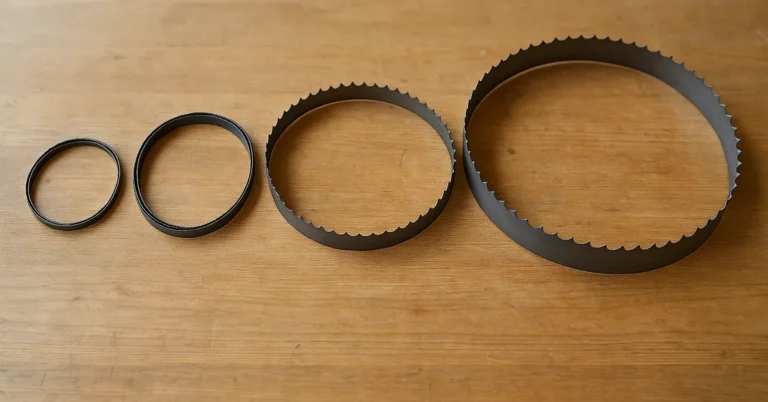
The Delta 28-276 takes a 93-1/2 inch (2375mm) blade — the same length used across nearly every Delta 14 inch bandsaw built on this frame. Blade width is where you have room to choose: 1/8 inch blades handle tight scroll-style curves, while 3/8 to 1/2 inch blades track straighter for resawing thicker stock. Measuring a bandsaw blade the same way before ordering a replacement avoids the single most common return reason: the wrong length for the wheel spacing.
The factory blade was a general-purpose 1/4 inch, 6 TPI blade, a reasonable middle ground for straight cuts and moderate curves. If most of your work is resawing larger pieces into thinner boards, a wider 1/2 inch blade with fewer TPI will track truer through thick hardwood than the stock blade does.
📊 The 93-1/2 inch blade length is confirmed directly in Delta’s own 28-276 owner’s manual — Source: Delta 28-276 Instruction Manual, Band Saw Blades section
How Much Does a Delta 28-276 Bandsaw Cost?
Delta’s original list price for the 28-276 was $892.50, though retailers routinely discounted it to $300–$400 while it was still in production. Because Delta has discontinued the model, the only way to buy one today is used, and prices swing hard on condition: expect $100 on the low end for a saw with a cracked trunnion arm or missing fence, up to $400 for a clean unit with tight trunnions and a recently-replaced blade and tires.
Two things move the price more than cosmetic condition. First, check the trunnion arms (see the maintenance section below) — a cracked one is expensive to source secondhand and often costs more in parts-hunting time than the saw itself is worth. Second, budget an extra $25–$40 on top of the asking price for a fresh set of tires and a new blade, since both wear out whether or not the previous owner used the saw much.
📊 Delta’s original list price was $892.50 — Source: CamelCamelCamel price history, Delta 28-276
Replacing the Tires on Your Delta 28-276
Both wheels on a Delta 28-276 are wrapped in urethane tires, not rubber, and urethane perishes with age even on a saw that barely got used. A glazed, cracked, or slipping tire shows up as a blade that wanders off-track mid-cut or a saw that seems to lose power under load — the blade is simply skating on a hardened tire instead of gripping it.
The original Delta tire, part number 905145, is discontinued along with the saw itself, but aftermarket urethane replacements are sized to match it exactly and install without any adhesive — soak them in hot water for a few minutes and they stretch onto the wheel rim by hand. Budget 10–15 minutes per wheel for a first-time swap.
As an Amazon Associate we earn from qualifying purchases.
Delta built a long run of 14 inch bandsaws on essentially the same wheel and frame design, which is why the 28-276’s blade and tires cross over to so many other model numbers. If you’re shopping used and can’t find a 28-276 specifically, a 28-203, 28-206, 28-243, or 28-270 will take the same 93-1/2 inch blade and the same replacement tires.
- 28-203, 28-205, 28-206, 28-207, 28-209
- 28-230, 28-240, 28-243, 28-248, 28-248F, 28-248G
- 28-254, 28-255, 28-262, 28-263, 28-269, 28-270
- 28-275, 28-278, 28-280, 28-283, 28-285, 28-290, 28-293
- 28-299, 28-299A, 28-300, 28-303, 28-306, 28-348, 28-348F, 28-348G, 28-380, 28-475X
That parts overlap is also why shopping for bandsaw blades by wheel size rather than model number usually turns up more in-stock options than searching the exact “28-276” model number alone.
Common Problems and Maintenance
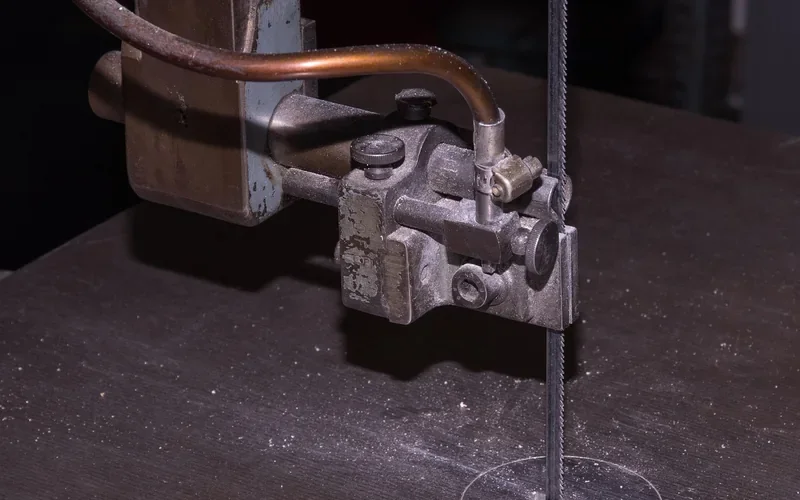
The 28-276’s most reported failure point isn’t the motor or the blade — it’s the trunnion, the cast bracket that lets the table tilt. Only the base that bolts to the frame is cast iron; the tilting trunnion arms are a lighter pot-metal casting less than 1/16 inch thick in places, and owners on woodworking forums report they can crack if the table-tilt lock is cranked down with a wrench instead of by hand.
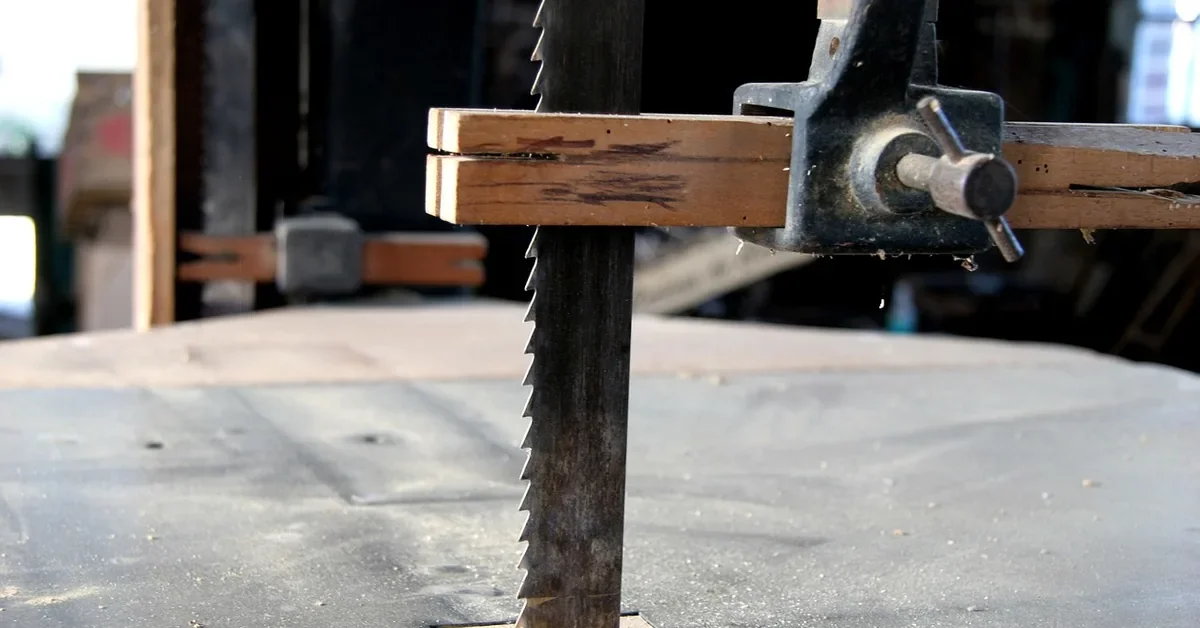
- Blade drift: re-square the blade guides and check tire glaze before assuming the blade itself is bad.
- Cracked trunnion arm: snug the table-tilt lock hand-tight only, never with a wrench.
- Vibration at speed: check that both tires are seated evenly on the wheel rim; a tire that’s stretched unevenly throws the wheel out of balance.
- Blade won’t hold tension: inspect the tension spring behind the upper wheel for stretch before replacing the blade itself.
“The single most common 28-276 complaint we hear from readers isn’t the motor — it’s a cracked trunnion arm from over-tightening the table-tilt lock. Snug it hand-tight only; the arms are pot metal, not cast iron, despite what the base casting might suggest.”
Is the Delta 28-276 Worth Buying Used?
For a hobby shop, yes, with the caveats above. The 3/4 HP motor and 6 inch cutting height put it in the same class as most entry-level 14 inch bandsaws still sold new today, and Delta’s frame and wheel design were solid enough that parts — blades, tires, even trunnion hardware — are still manufactured decades after the saw itself was discontinued. If you already know how to set up and use a bandsaw, a clean 28-276 at $150–$250 with tight trunnions is a reasonable way into a 14 inch saw without paying new-saw prices.
Frequently Asked Questions
What blade does a Delta 28-276 band saw take?
The Delta 28-276 takes a 93-1/2 inch (2375mm) band saw blade, the standard length for every Delta 14 inch bandsaw built on this frame. Blade width can run from 1/8 inch for tight scroll cuts up to 1/2 inch for resawing, and the saw shipped from the factory with a general-purpose 1/4 inch, 6 TPI blade.
How much does a Delta 28-276 bandsaw cost?
Delta listed the 28-276 at $892.50 when it was in production, though most retailers sold it new for $300 to $400. Since Delta discontinued the model, it only sells used now, typically for $100 to $400 depending on trunnion condition, tire wear, and whether the original fence and miter gauge are included.
Is the Delta 28-276 band saw still made?
No. Delta discontinued the 28-276 and it is no longer sold new. Replacement parts such as tires, blades, and the trunnion assembly are still manufactured by third-party suppliers, so an existing 28-276 remains fully serviceable even though Delta itself no longer lists the saw.
What other Delta bandsaws use the same parts as the 28-276?
Because the 28-276 shares Delta’s common 14 inch bandsaw frame, its 93-1/2 inch blade and urethane tires also fit the Delta 28-203, 28-206, 28-243, 28-270, 28-275, 28-283, and roughly two dozen other 14 inch Delta models built on the same wheel and frame design.
Why do Delta 28-276 trunnions crack?
Owners on woodworking forums report that only the trunnion base bolted to the frame is cast iron; the tilting trunnion arms themselves are a lighter pot-metal casting less than 1/16 inch thick in places, and they can crack if the table-tilt lock is over-tightened. Snugging the lock hand-tight, without a wrench, avoids the problem.
Conclusion
The Delta 28-276 is a discontinued 14 inch band saw, but its 93-1/2 inch blade, urethane tires, and trunnion hardware are all still available, so an existing saw is worth keeping running. Buying used comes down to two checks: inspect the trunnion arms for cracks before you buy, and budget for fresh tires and a blade shortly after — both wear out on their own timeline regardless of how the saw looks otherwise.
Sponsored / affiliate links. As an Amazon Associate I earn from qualifying purchases. I may earn additional commission from eligible campaigns.