When Was MDF Invented: A Journey Through Its History
Have you ever wondered about the origins of the versatile material known as MDF? If you’ve used it for crafting, construction, or interior design, you might be curious about when and how this popular material came to be.
Understanding its invention isn’t just a trip down memory lane; it offers insights into why MDF has become a staple in so many projects today. You’ll discover the fascinating history behind MDF’s invention, unraveling the story of how it revolutionized the way we build and create.
Stay with us as we explore the journey of MDF from its inception to its widespread use, and find out why it might just be the perfect solution for your next project.

Credit: timberatnbcs.wordpress.com
Origins Of MDF
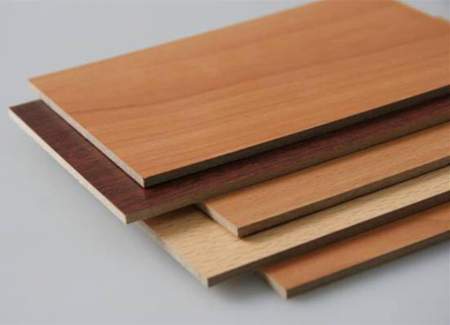
MDF stands for Medium Density Fiberboard. It was first invented in the 1960s. People wanted a new kind of wood. MDF is made from wood fibers. These fibers are glued together. They are pressed into sheets. MDF is used a lot in furniture. It is also used in building. The process makes MDF strong. It is smoother than other wood. This makes it easy to paint. MDF can be cut into any shape. It does not have knots like real wood. This makes it better for some projects. MDF is cheaper than real wood. It is also lighter. This helps in making furniture.

Credit: en.wikipedia.org
Early Developments
Wood has always been important. People used it for many things. Plywood was an early innovation. It was strong and versatile. But, it had limits. It needed improvement. Engineered wood was the answer. It offered new possibilities.
Engineered wood became popular. It was better than regular wood. MDF, or Medium Density Fiberboard, was a big part of this. MDF was first made in the 1960s. It was smooth and strong. People liked it for furniture and building. MDF changed how we used wood. It opened new doors for designers.
The Birth Of MDF
MDF, or Medium Density Fiberboard, was created by clever minds. William Mason played a key role. He found a way to use wood waste. His invention made strong boards. These boards were useful for many things. They were a new choice in building. William Mason’s idea changed how we use wood. He made it better for the planet. Other inventors helped too. They worked together to improve MDF. Their work made MDF popular worldwide.
Making MDF was not easy at first. The first steps involved pressing wood fibers. Heat and pressure were important. These steps made the fibers stick together. A special glue was used. This glue was strong and safe. The process made flat, smooth boards. Factories improved the process over time. They made it faster and better. Today, MDF is made in many places. It is a popular choice for builders and makers.
MDF In The 20th Century
MDF, or Medium Density Fiberboard, began its journey in the 20th century. It was first used for commercial production in 1966. The process involved combining wood fibers with wax and resin. These were then pressed into sheets. This process made MDF strong and smooth. Factories could produce it quickly and affordably. It became popular in making furniture and cabinets. People liked its smooth surface and easy handling. MDF was easy to cut and shape.
As MDF gained popularity, it spread across the globe. Factories started to produce it in many countries. It became a favorite for its versatile uses. You could find it in homes, offices, and schools. Its affordable price made it accessible to many. People used it for making shelves, doors, and panels. It was a solution for replacing solid wood. MDF’s expansion made it a household name.
Technological Advancements
MDF, or Medium Density Fiberboard, is a strong wood product. It is made from wood fibers and resin. This process creates a smooth surface. MDF can be cut and shaped easily. The techniques for making MDF improved over time. Machines became more precise. This led to better quality boards.
Environmental concerns are important for MDF. The wood fibers come from recycled wood. This helps save trees. The glue used in MDF can be harmful. New glues are being made to be safer. MDF can be reused. It is also easy to recycle. This helps the planet. MDF is a smart choice for builders.
Modern Uses Of MDF
MDF is a popular choice for cabinetry and furniture. It offers a smooth surface for painting. Designers love its ability to mimic wood. It is less expensive than solid wood. You can find MDF in shelves and paneling. MDF is used in decorative molding. Its versatility makes it ideal for custom designs.
MDF plays a key role in office furniture. It is used in partition systems. MDF is strong and durable for shop fittings. Factories use it for packaging materials. It is found in soundproofing panels. MDF is also used in acoustic enclosures. Its density helps in noise reduction.
Future Of Mdf
MDF is changing. New technology is making MDF even better. Stronger and lighter MDF is coming. New designs will be possible. Builders are excited. MDF will soon be more durable. It will last longer. This will save money. People want better materials. MDF is stepping up.
MDF is becoming more eco-friendly. Factories are using less energy. This helps the planet. MDF uses recycled wood. This saves trees. People care about the environment. MDF is listening. New practices are greener. This makes MDF a better choice. Builders are happy. MDF is helping the earth.

Credit: en.wikipedia.org
Frequently Asked Questions
Why Is MDF Banned In The Us?
MDF is not banned in the US. Concerns exist due to formaldehyde emissions, which can impact indoor air quality. Regulations ensure MDF meets safety standards to protect health. Always check local guidelines and choose products with low formaldehyde levels for safer use.
When Did MDF Start Being Used?
MDF, or Medium Density Fiberboard, started being used in the 1960s. It gained popularity for its versatility and affordability in furniture and construction industries. Its smooth surface and ease of machining made it a preferred choice for many applications. MDF continues to be widely used today.
What Are 5 Disadvantages Of MDF?
MDF is less durable than solid wood and can sag under heavy loads. It swells with moisture exposure. It releases formaldehyde, which can harm indoor air quality. MDF is difficult to repair if damaged. It doesn’t hold screws well, affecting stability.
When Did MDF Get So Expensive?
MDF prices soared in 2021 due to supply chain disruptions and high demand in construction. Production slowdowns and increased shipping costs contributed to the price hike. The pandemic’s impact on manufacturing and logistics played a significant role in rising MDF costs, affecting availability and market pricing.
Conclusion
MDF, born in the 1960s, changed the world of materials. It offers versatility for furniture and construction. Its smooth surface is easy to paint. MDF’s affordability makes it a favorite choice. People use it for cabinets, shelving, and more. It’s eco-friendly, using recycled wood fibers.
MDF’s invention brought new possibilities. It has become a staple in homes and industries. Today, MDF continues to be popular. Its history shows innovation and creativity in material design. Understanding MDF helps in choosing the right material. It’s a dependable option for various projects.
MDF remains a key player in modern building.