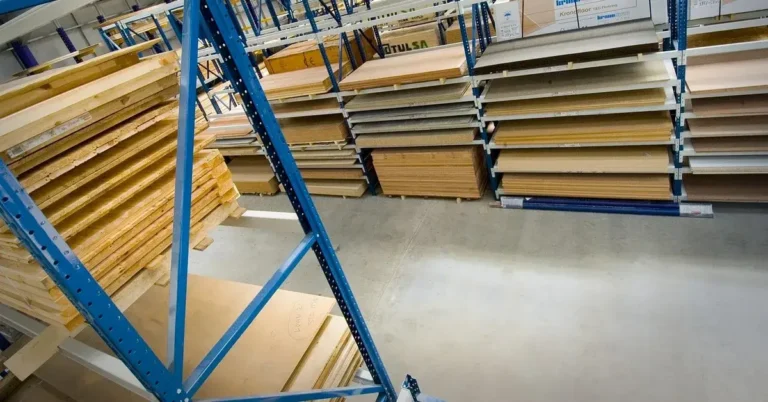
Do MDF Cabinets Hold Up? Real Durability Facts
Yes, MDF cabinets hold up well for 10-15+ years under normal kitchen and bathroom use, provided they stay dry and the hardware is installed correctly. The two real failure points are water damage at the base (near sinks and dishwashers) and screws stripping out of the MDF where hinges attach, not the material breaking down from ordinary daily use.
MDF cabinets are the standard construction for most mid-range kitchen cabinetry sold today, not a budget compromise that fails early — the durability question is really about installation quality and moisture exposure, not whether MDF itself is “durable enough.”
What Are MDF Cabinets?
MDF cabinet boxes and doors are built from medium-density fiberboard — compressed wood fiber and resin — then typically covered with a painted, laminated, or thermofoil finish rather than left raw. The dense, uniform fiber structure is actually an advantage for cabinetry specifically: it takes paint smoother than plywood’s visible grain and doesn’t warp with humidity the way solid wood panels can.
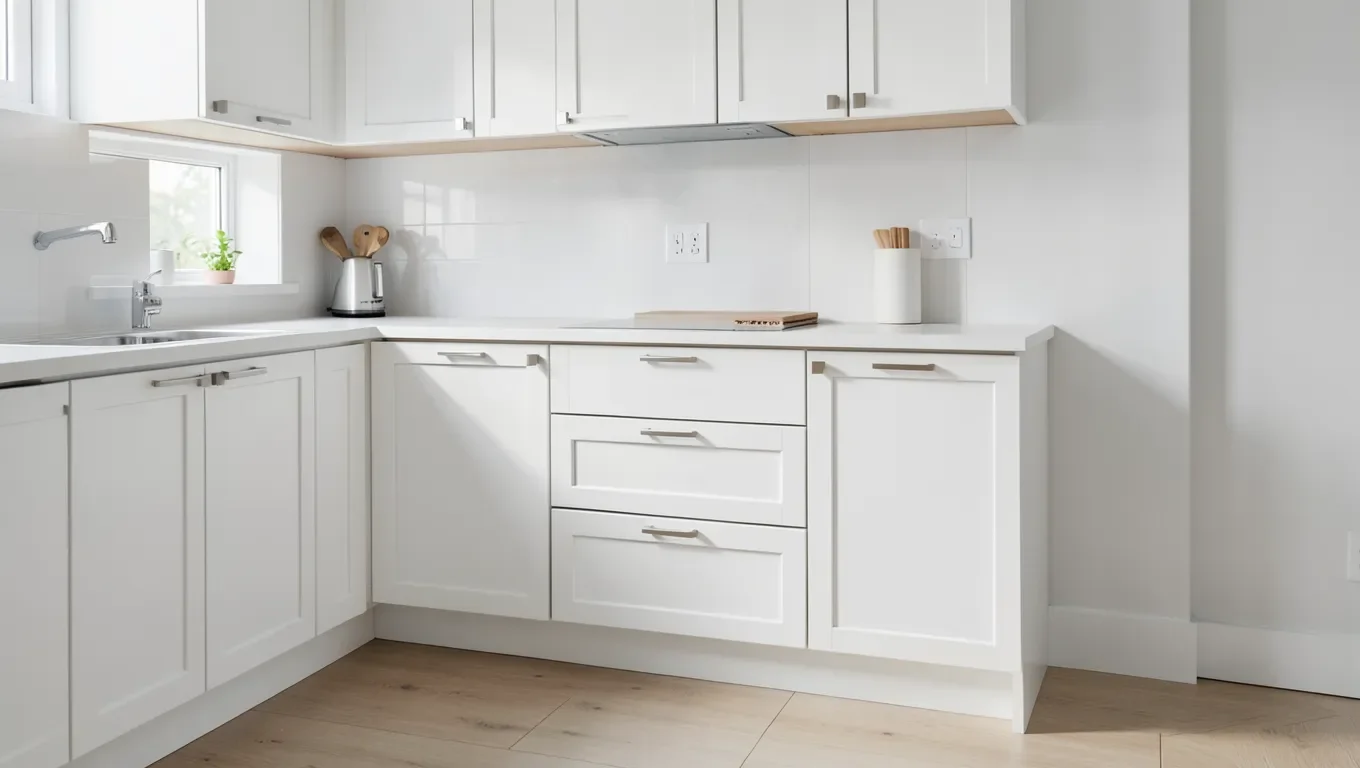
Most “shaker style” painted cabinet doors sold at big-box stores and by mid-range cabinet makers are MDF, not solid wood or plywood — the smooth, flat-panel look that shaker style depends on comes from MDF’s ability to hold a perfectly even paint finish without grain telegraphing through.
Reduce Hinge Screw Wear
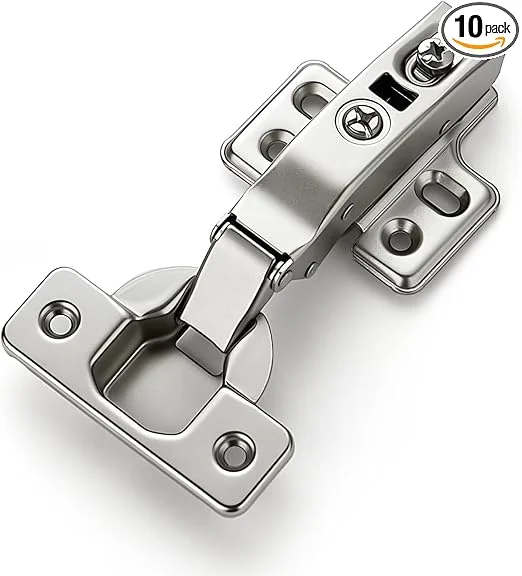 |
Soft-Close Concealed Cabinet Hinges, 5-Pair – $17.99 Slamming is the real reason hinge screws strip out of MDF over time — soft-close hardware removes that repeated impact.
|
Construction And Durability Factors
The cabinet box (carcass) is usually MDF or particleboard with a laminate or melamine surface, while doors and drawer fronts get a painted or thermofoil MDF finish for a smooth, consistent look. Quality varies significantly by manufacturer — density, resin quality, and edge-banding thoroughness all affect how well a specific cabinet line holds up, which is why “MDF cabinets” as a category spans genuinely budget builder-grade to solid mid-range options.
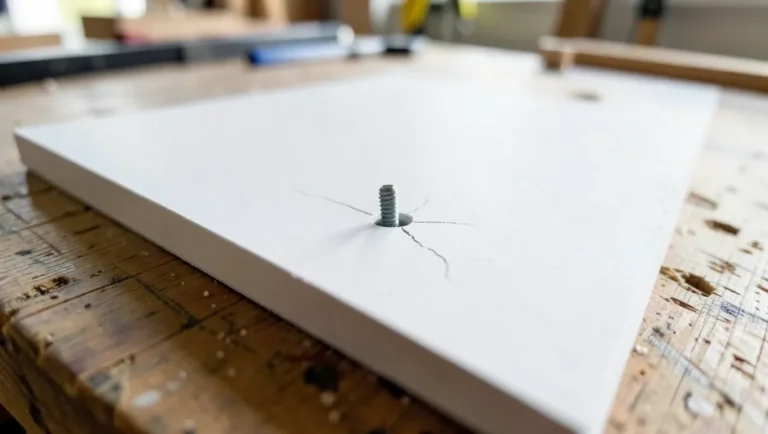
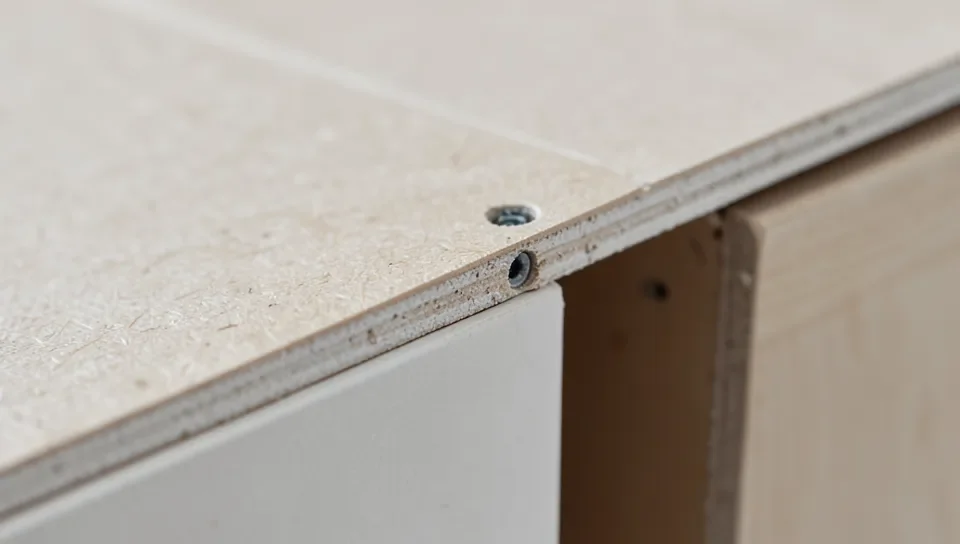
Screws holding hinges and drawer slides are the real mechanical weak point. MDF has no long wood-grain fibers to grip a screw thread the way solid wood does, so a screw driven and removed repeatedly (adjusting a hinge, for example) can strip the hole faster than in solid wood or plywood. Pre-drilling pilot holes and not over-torquing screws during installation prevents most of this.
Comparing MDF To Other Cabinet Materials
Plywood cabinet boxes hold screws better and resist water damage slightly longer than MDF, which is why higher-end cabinet lines often use plywood boxes with MDF doors — getting MDF’s smooth paintable surface where it’s visible while using plywood’s better fastener-holding strength where structural screws matter most. Solid wood costs significantly more and can expand/contract with humidity, something MDF’s engineered uniformity avoids.
Particleboard (larger wood chips, less dense than MDF) is the actual budget-tier material sometimes confused with MDF — it holds screws and moisture even worse than MDF. If a cabinet feels notably lighter and rougher-surfaced than a typical MDF door, it may be particleboard rather than true MDF.
Maintenance And Care
Wipe up spills and condensation immediately, especially at the cabinet base near sinks and dishwashers — standing water is the single biggest threat to MDF cabinet longevity, and swelling at the toe-kick or base is the most common failure mode reported by MDF cabinet owners. A dehumidifier or good ventilation in a bathroom cabinet setting meaningfully extends life in consistently humid rooms.
Avoid over-tightening hinge and slide screws during adjustment, and use a slightly larger screw (not a bigger drill bit) if a hole ever does strip — a common, effective fix rather than a sign the cabinet needs replacing.
Pros And Cons Of MDF Cabinets
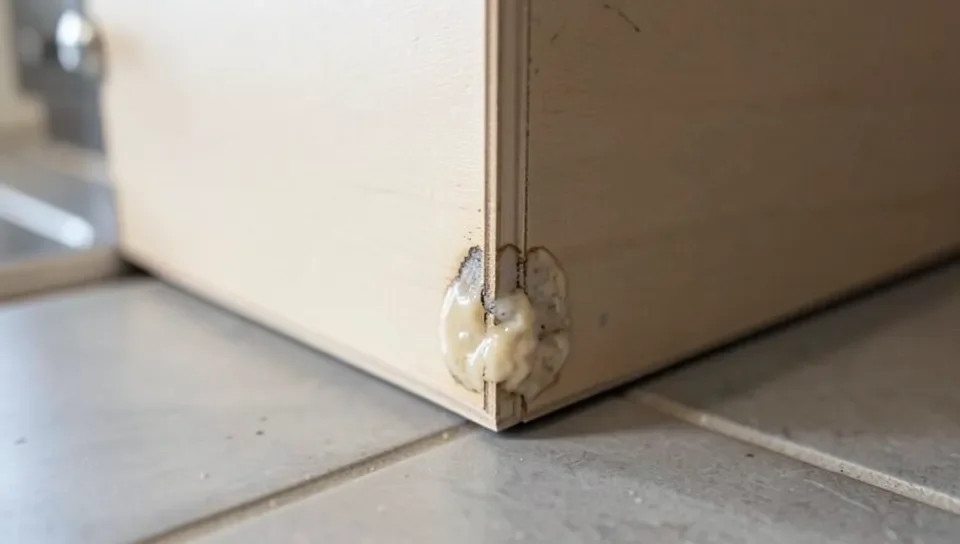
Pros: smooth, consistent paint finish with no visible grain, lower cost than solid wood or plywood, dimensionally stable (won’t warp or cup like solid wood), quieter than some materials due to its density. Cons: vulnerable to water damage at unsealed edges, screws can strip with repeated removal, and it’s heavier than plywood of the same dimensions, which matters for wall-mounted upper cabinets and their mounting hardware.
None of these cons make MDF a bad choice for cabinetry — they’re manageable with correct installation and normal care, which is exactly why MDF remains the dominant material for painted cabinet doors industry-wide.
Real-World Performance
Well-installed MDF kitchen cabinets in normal residential use commonly last 15-20 years or longer before a remodel, not a durability failure, is what replaces them. The cabinets most likely to show early problems are ones installed with poor edge-sealing (raw MDF edges exposed to steam and splashes) or in rooms with chronic humidity issues, not cabinets that simply saw years of normal cooking and cleaning.
Rental and builder-grade installations sometimes get a worse reputation for MDF cabinet failure, but that’s usually a quality-of-installation and maintenance issue (renters less likely to wipe up spills promptly, builders using the cheapest MDF grade available) rather than evidence MDF itself is unreliable.
Frequently Asked Questions
Do MDF Cabinets Hold Up In A Kitchen?
Yes, MDF cabinets hold up well in kitchens for 15-20 years or more under normal use, as long as spills are wiped up promptly and the cabinet base stays dry near sinks and dishwashers.
Are MDF Cabinets Better Than Plywood?
Neither is universally better. Plywood holds screws and resists water slightly better; MDF takes paint more smoothly and costs less. Many higher-end cabinet lines use plywood boxes with MDF doors to get both advantages where each matters most.
Do MDF Cabinet Screws Strip Out Easily?
MDF screws can strip with repeated removal and reinstallation (adjusting a hinge many times, for example) since MDF lacks the long grain fibers solid wood uses to grip a thread. A slightly larger screw fixes a stripped hole, and pre-drilling pilot holes prevents most stripping during initial installation.
How Long Do MDF Cabinets Typically Last?
Well-installed, properly maintained MDF cabinets commonly last 15-20 years in normal residential use. Most that fail earlier do so from water damage at unsealed edges or the cabinet base, not from the material simply wearing out.
Conclusion
MDF cabinets genuinely hold up well for 15-20 years of normal use — the real risks are water at the base and edges, and hinge screws loosening from repeated adjustment, both of which are manageable with correct installation and prompt spill cleanup, not inherent flaws in the material.
MDF being the industry-standard material for painted cabinetry isn’t an accident or a compromise — it’s the material that actually does the job well when installed and cared for correctly.
Sponsored / affiliate links. As an Amazon Associate I earn from qualifying purchases. I may earn additional commission from eligible campaigns.