Where Can I Buy Teak Wood? Best Sources Today
Figuring out Where Can I Buy Teak Wood? Best Sources Today can seem like a puzzle at first. Many people, especially those new to woodworking, find it tricky to know where to start. Don’t worry, though! It’s actually a pretty straightforward process once you know the basics. This guide will walk you through everything, making it easy to find the best teak wood for your needs. We’ll explore the best sources and the factors that influence your choice, getting you ready to select the perfect teak for your project.
Locating the Best Teak Wood Dealers
The first step is pinpointing reliable sources. Numerous sellers offer teak wood, but quality can vary significantly. Finding the right dealer requires research, and there are many places to find wood. Teak wood, famed for its durability and natural oils, is a favorite for outdoor furniture, boat building, and indoor projects. It’s important to know the difference between established vendors and lesser-known suppliers. Understanding these differences will help you source high-quality teak.
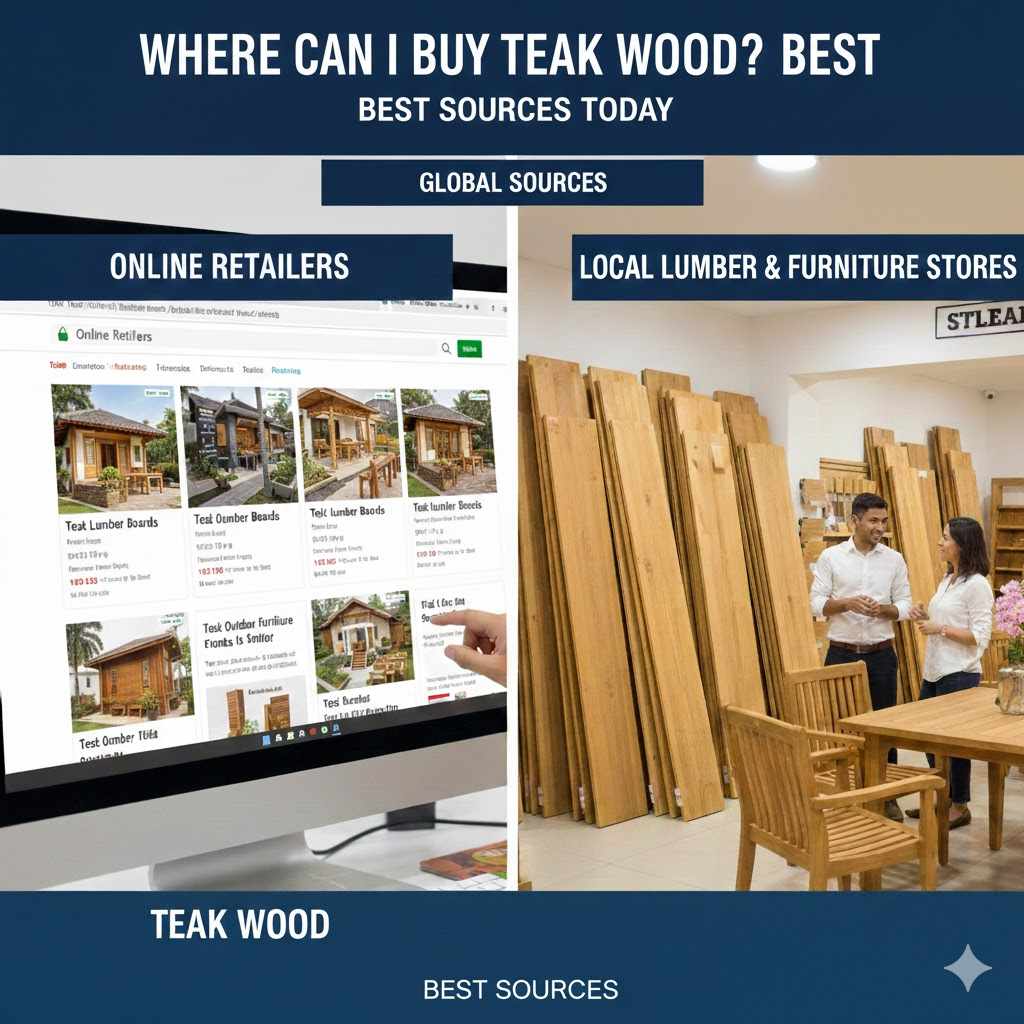
There are many options for vendors, including specialized lumber yards. These yards usually focus on hardwoods like teak. They often have experienced staff who can advise you. Online marketplaces are another avenue, offering a wider range of options. Remember that the selection might be extensive, and checking the seller’s reputation is vital before committing. Consider the location of the dealer to work out shipping costs and delivery times.
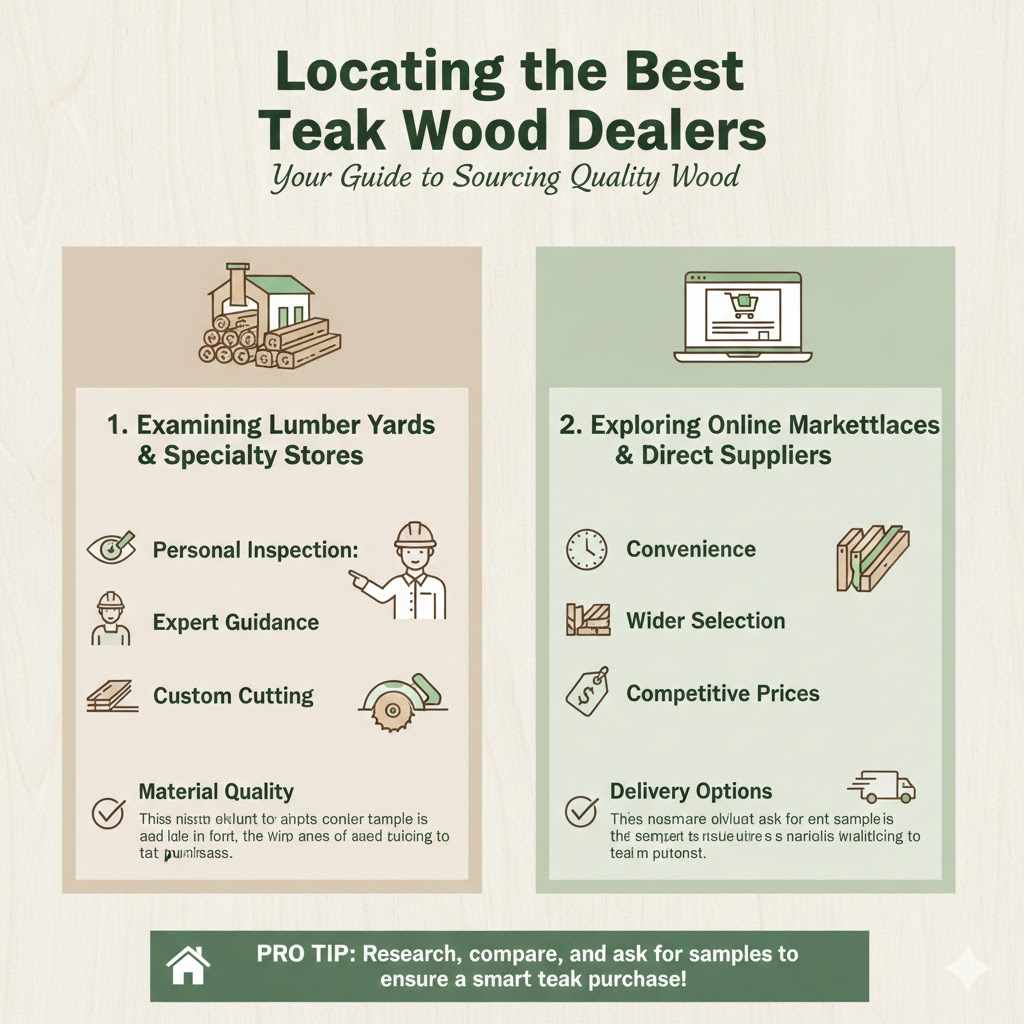
Examining Lumber Yards and Specialty Stores
Lumber yards and specialty stores represent great places to start your search for teak wood. These establishments usually hold a decent stock of teak in various sizes and grades. Visiting these places lets you inspect the wood. This inspection is a key step, allowing you to check for imperfections, grain patterns, and overall quality. Lumber yards provide an opportunity to discuss your project with experts, who can offer tailored advice. This interaction can be particularly helpful if you’re uncertain about which type of teak or size to buy.
- Personal Inspection: You can physically inspect the teak wood to see its quality up close. Look for straight grain, few knots, and rich color.
- Expert Guidance: The staff often has in-depth knowledge and can guide your choice, offering project-specific suggestions.
- Custom Cutting: Many lumber yards provide cutting services, saving you time and effort to prepare the wood to your project’s specific measurements.
- Material Quality: The wood quality is usually high, with dealers sourcing from reputable suppliers, which means the wood is more likely to be of good quality.
It’s important to remember that lumber yards might carry different grades of teak. Grades determine how the wood has been processed, the amount of natural features, and the price. Premium grade teak will offer the highest level of uniformity in grain and color. This makes it ideal for projects where aesthetics are important. Lower grades might have more knots or a less consistent color, but still work for other applications. Knowing your project’s needs can help you select a suitable grade and avoid unnecessary expenses.
Exploring Online Marketplaces and Direct Suppliers
Online marketplaces broaden your options when looking for teak wood. Websites present a large selection, allowing comparison of prices, grades, and sizes. Online dealers often offer detailed product descriptions, including images of the wood. This information lets you assess the wood’s appearance, even if you cannot see it. This is usually accompanied by buyer reviews that are useful, providing insights into the seller’s reliability.
- Convenience: Shopping from your home is convenient, with options available 24/7.
- Wider Selection: Online platforms display a vast inventory from various sellers.
- Competitive Prices: Competition can drive down prices, leading to more affordable options.
- Delivery Options: Most vendors provide delivery services, saving you time and effort.
Working with direct suppliers can provide benefits. Many of these suppliers work with plantations or import teak from overseas. Sourcing directly can save money, cutting out middlemen. You can often ask questions and learn about the wood’s origin and harvesting practices. Checking a supplier’s reputation is vital, whether through online reviews or testimonials. Ask for samples to assess the wood’s grain and overall quality. This extra step helps prevent disappointment once the teak arrives.
Evaluating Factors That Affect Teak Wood Purchasing
Before purchasing teak, consider the factors that affect your choice. These factors influence both the wood’s suitability for your project and your budget. Understanding these influences ensures you make a smart investment. Teak wood comes in various grades, from premium to lower grades. It’s harvested using different methods, and its origin affects its features. By reviewing these aspects, you can align your purchase with your project’s requirements.
Size, grade, and origin influence the wood’s cost. Consider the intended use of the teak. For example, outdoor furniture requires weather-resistant teak that can stand the elements. Indoor projects may accept lower grades. Take into account shipping and handling costs, especially when buying online. By considering these factors, you can make an informed decision when searching Where Can I Buy Teak Wood? Best Sources Today. The better you know what you are looking for, the easier your search becomes.
Understanding Teak Wood Grades and Their Impact
The grade of teak wood is a key consideration, affecting the wood’s price and suitability for various projects. Teak wood grading is based on factors like grain consistency, knot size, and overall appearance. Different grades cater to specific applications. Higher grades, like A-grade teak, have tight, straight grains and minimal imperfections. They are often utilized in premium furniture, boat building, and other visible applications. The higher grades are more expensive due to their superior appearance and minimal waste.
- A-Grade: Offers the highest quality. Has straight grain and few knots. Ideal for furniture and boat decks.
- B-Grade: Exhibits a good appearance, but may have minor imperfections. Suitable for general-purpose use.
- C-Grade: Contains more knots and variations in grain. Appropriate for hidden components.
- Reclaimed Teak: Recovered from old structures or boats. Can have unique character and environmental benefits.
Lower grades of teak wood, like C-grade, are generally less expensive, but may contain more knots and grain variations. They work well for hidden parts of projects, where appearance matters less. Reclaimed teak represents an eco-friendly option, with its unique appearance and environmental benefits. This wood often shows historical character, adding a unique touch to projects. When selecting teak, balance your aesthetic preferences and budget. Choosing a suitable grade ensures the wood meets your project’s practical and visual needs.
Considering the Source and Sustainability of Teak Wood
Thinking about the source of teak wood is important. Knowing where the wood comes from provides information about the wood’s quality. Teak harvested from sustainably managed plantations assures the wood is of high quality. These operations usually follow responsible forestry practices. This includes methods that minimize environmental impact. Certifications from organizations like the Forest Stewardship Council (FSC) can indicate that the teak has been sourced and harvested in a sustainable manner. FSC-certified teak meets strict environmental standards. Look for these certifications to support responsible sourcing.
- Forest Stewardship Council (FSC) Certification: Confirms that the teak has been sustainably harvested and managed.
- Origin: Teak from certain regions may have distinct properties. Burmese teak is considered premium, known for its density and durability.
- Harvesting Practices: The method of harvesting affects both the wood and the environment. Responsible forestry methods are ideal.
- Environmental Impact: Choose teak from sustainable sources to limit deforestation and habitat loss.
When selecting teak, check the supplier’s practices and certifications. Ask for information on the source. Consider the environmental impact when buying teak. Supporting sustainably sourced teak can benefit your projects and the planet. This awareness is important for customers and the timber industry. It encourages responsible forestry and helps preserve teak resources for future generations. Choosing sustainable teak ensures durability and beauty while contributing to environmental protection.
Preparing to Purchase Teak Wood and Finalizing Your Choice
Preparing to purchase teak wood involves several key steps. These steps ensure you get the right wood for your project. Knowing your project’s specifications, comparing different options, and making a well-considered purchase is key. Reviewing your project’s scope includes understanding the required size, grade, and quantity of teak. Comparison is an important stage to help determine your decision. Evaluating multiple options and verifying the seller’s credibility can help ensure that you select the perfect teak.
When you know the key steps for your project, you can confidently approach the buying process. You can select the correct teak for the job, from outdoor furniture to boat decks or interior designs. This method offers confidence and gives you a good start. By following these steps, you’ll feel better when you are making a purchasing decision, knowing where to find and select the teak wood that best meets your needs.
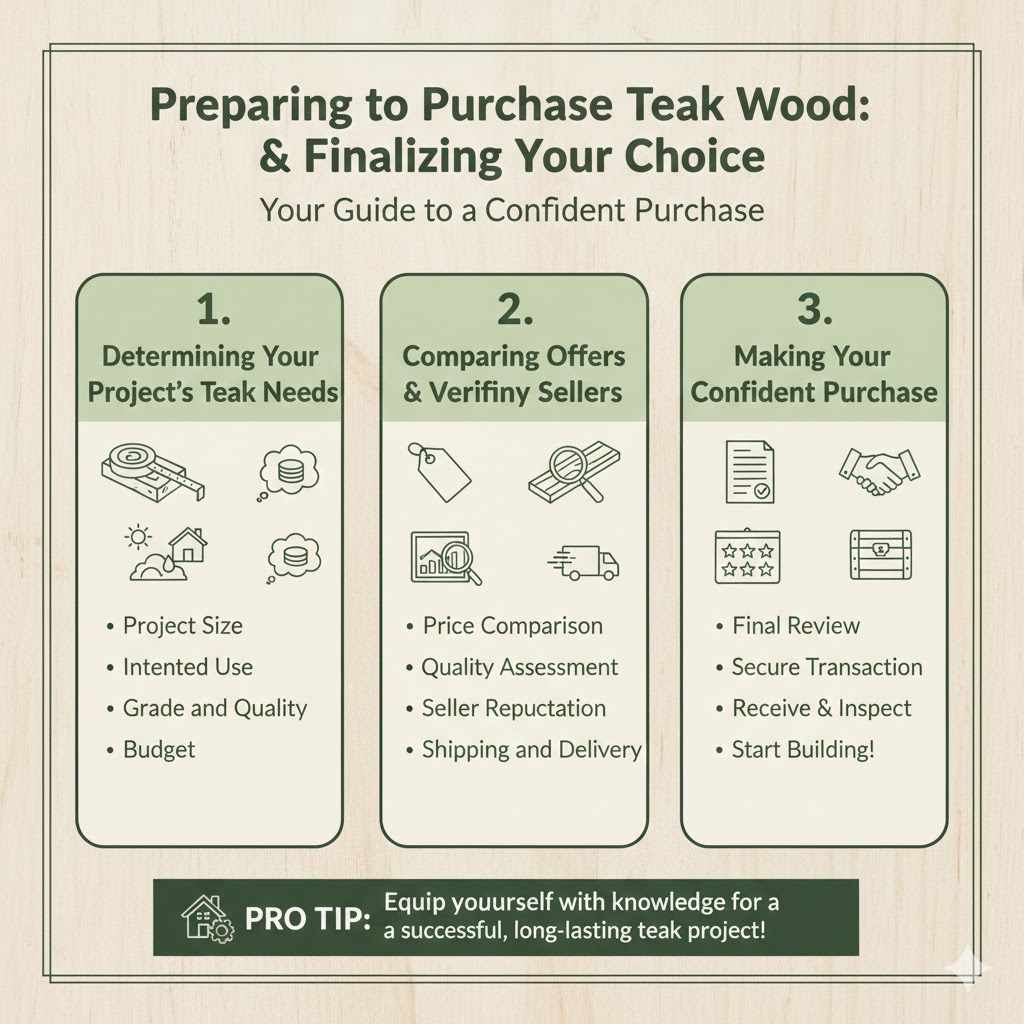
Determining Your Project’s Teak Wood Needs
Knowing your project’s requirements before searching Where Can I Buy Teak Wood? Best Sources Today is essential. This assessment forms the basis of the purchasing process. Start by evaluating the project’s specific requirements. These requirements include the project’s size, its intended use, and its visual design. For outdoor furniture, consider teak that’s water-resistant and durable. For interior projects, the wood’s aesthetic appearance becomes more important. Determining the necessary quantity of teak is also important. Accurate measurements avoid wasting materials or causing shortages.
- Project Size: Measure the components to determine the wood’s size and quantity.
- Intended Use: Consider weather resistance for outdoor projects and aesthetic appeal for interiors.
- Grade and Quality: Select the grade that fits your project’s visual and performance requirements.
- Budget: Establish a budget to guide your selection of grades and quantities.
Take time to design a layout of the project, including dimensions and cuts. This layout helps in figuring out the required amount of teak. You can often ask vendors for help to optimize the layout, reducing wood waste. Consider the thickness and width of the teak wood to see how well it suits your design. Taking into account these requirements gives you a plan, minimizing unexpected expenses. A clear plan simplifies the buying process. That makes it easier to compare the vendors’ offerings.
Comparing Offers and Verifying Sellers
After outlining your requirements, you can start comparing offers from different teak wood vendors. Comparing prices between different vendors will make sure you get the best deal. Ask for quotes from multiple suppliers, including lumber yards and online marketplaces. You can also review the teak grades, dimensions, and quantities available. Compare the offers based on wood quality and cost. This comparison allows you to see how the cost aligns with the wood’s features.
- Price Comparison: Get quotes from multiple vendors to know the price for comparable teak.
- Quality Assessment: Review the wood grade, appearance, and source. Compare the level of quality offered by different sellers.
- Seller Reputation: Review seller feedback and testimonials. Check their ratings.
- Shipping and Delivery: Verify the delivery options, costs, and timeline. Confirm that these work for your schedule.
Always check the supplier’s credibility before making a purchase. Check reviews, testimonials, and ratings from past customers. These ratings and reviews show their reputation. See if the supplier has clear terms of sale, including return policies and warranties. Request samples of the teak, if possible. You can then assess the wood’s grain, color, and general quality.
Contact the vendor directly to ask questions. This communication will clarify any concerns you have. By comparing these factors, you can make a knowledgeable decision, making sure the teak meets your project’s needs and that you are working with a trustworthy vendor.
Frequently Asked Questions
Question: Is teak wood good for outdoor furniture?
Answer: Yes, teak is excellent for outdoor furniture because it’s naturally water-resistant and durable, standing up well to weather conditions.
Question: How do I maintain teak wood?
Answer: Regular cleaning with a mild soap and water solution is often enough. Applying teak oil can help preserve its color and prevent drying out.
Question: What are the different grades of teak wood?
Answer: Teak wood is graded based on grain, knots, and appearance, with A-grade being the highest quality and C-grade the lowest, ideal for hidden applications.
Question: Can I buy reclaimed teak wood?
Answer: Yes, reclaimed teak is available, often sourced from old structures or boats, offering an eco-friendly option with unique character.
Question: Where can I find FSC-certified teak?
Answer: Look for lumber yards, specialty stores, and online vendors that specify FSC certification for their teak, ensuring sustainable harvesting practices.
Final Thoughts
Knowing Where Can I Buy Teak Wood? Best Sources Today involves research, consideration, and careful comparison. You can find quality teak wood by checking lumber yards, exploring online vendors, and understanding grades, sourcing, and project needs. From selecting the right lumber dealer to checking wood grades, and from verifying the wood’s origin to getting the right quantity, the process can be straightforward. Take your time. Knowing the important steps helps you make informed choices, ensuring your project’s success. Use your knowledge to find the best teak wood to create lasting pieces of value.