Why is Ash Tree Losing Leaves? Causes & Solutions
Have you ever wandered through your garden, only to notice your ash tree shedding its leaves unexpectedly? You might find yourself worrying about why this is happening and whether your tree is in trouble.
You’re not alone. Many people experience this with their ash trees, and understanding the reasons behind it can be crucial for maintaining a healthy garden. Imagine the peace of mind you’ll feel once you know what’s causing your tree to lose its leaves and what steps you can take to nurture it back to health.
You’ll uncover the common causes behind this leaf loss and discover effective solutions that can transform your gardening experience. Get ready to dive into the fascinating world of ash trees and ensure your garden thrives.

Credit: www.reddit.com
Common Causes Of Leaf Loss In Ash Trees
Ash trees lose leaves in fall. It is a natural process. Leaves fall to prepare for winter. This helps the tree save energy. New leaves grow in spring. The tree becomes green again.
Hot weather can stress ash trees. Lack of water makes it worse. Leaves turn brown and fall early. Too much rain can also harm the tree. It is important to keep balance. Healthy soil helps the tree grow.
Insects can harm ash trees. They eat leaves and bark. Emerald ash borer is a common pest. It makes leaves fall. Regular checks can help prevent damage. Use safe methods to control pests.
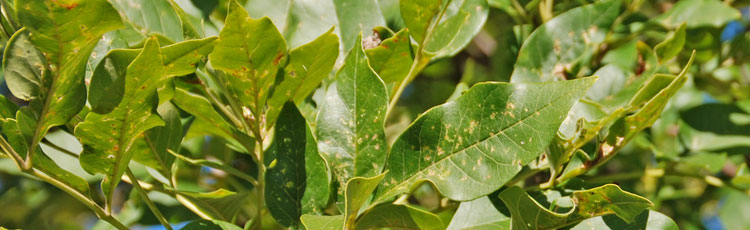
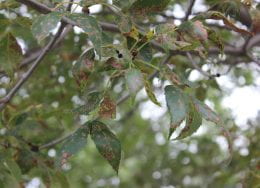
Fungi can attack ash trees. Diseases like ash anthracnose cause leaf loss. Leaves get spots and fall off. Good air flow helps keep trees healthy. Remove infected leaves to stop spread.
Identifying Pest Problems
Tiny holes in the bark mean trouble. Emerald Ash Borer are small beetles. They eat the inside of ash trees. Leaves turn yellow and fall. Branches die. Spotting these beetles early helps save trees.
Aphids suck sap from leaves. Leaves curl and become sticky. Sticky leaves attract sooty mold. The mold covers leaves. Trees look sick and weak. Aphid infestations must be controlled.
Scale insects look like bumps on branches. They suck sap like aphids. Leaves fall off and branches die. Strong winds can spread these insects. Check branches for scales regularly. Use natural sprays to stop them.
Fungal Diseases Affecting Ash Trees
Brown spots appear on the leaves. These spots may grow larger. Leaves start curling and falling. Look for black streaks on branches. Sometimes, the tree might lose most of its leaves. Wet and cool weather helps the fungus spread faster. Spotting early signs can save the tree.
Leaves become yellow and wilt. Branches may die suddenly. The tree looks weak and unhealthy. Soil fungus is the cause. It blocks water from reaching leaves. This disease can kill trees. Prevent infection by checking soil health. Use healthy trees for planting.
Leaves turn yellow and drop. Slow growth of branches. Twigs become short and thin. Bark splits or cracks. The tree may lose its shape. This disease is caused by a microbe. Spread by insects that suck sap. Keep trees strong to fight this disease.
Credit: www.melindamyers.com
Environmental Factors
Ash trees need plenty of water. Drought stress makes them weak. Without enough water, leaves turn yellow and fall off. The roots cannot find moisture. This leads to the tree losing its leaves. Water helps the tree stay healthy. A dry spell is tough for ash trees. They need rain to thrive.
Ash trees grow best in loose soil. Soil compaction squeezes the air out. Roots cannot grow well in hard soil. Compacted soil stops water and nutrients. This makes the tree lose leaves. Trees need space to breathe. Loose soil helps roots spread. Without it, leaves drop early.
Pollution harms ash trees. Air pollution can damage their leaves. Chemicals in the air hurt the tree’s health. Polluted water affects the roots. This makes the tree lose leaves. Clean air and water are important. They help trees grow strong. Without them, leaves fall too soon.
Preventive Measures
Dry spells and pest invasions often lead to ash trees shedding leaves. Regular watering and pest control can help mitigate this issue. Checking soil health and applying suitable fertilizers also promote leaf retention and overall tree health.
Proper Watering Techniques
Watering ash trees correctly is crucial. Trees need the right amount of water. Too much water can harm them. Not enough water can dry them out. Water slowly and deeply. This helps roots grow strong. Use a soaker hose for best results. Check soil moisture often. Adjust watering based on weather. Proper watering keeps leaves healthy.
Regular Tree Inspections
Inspect trees regularly. Look for signs of disease or pests. Check leaves and branches closely. Find problems early and fix them. Healthy trees lose fewer leaves. Hire a professional for help if needed. Professionals know what to look for. Regular inspections protect your trees. Keep them strong and thriving.
Fertilization Tips
Fertilize trees to provide nutrients. Use the right fertilizer for ash trees. Read labels carefully. Follow instructions for best results. Fertilize in spring and fall. This helps trees grow well. Don’t over-fertilize. Too much can damage roots. Balanced fertilization keeps leaves from falling. Healthy trees need good care.
Treatment Solutions
Ash trees often lose leaves due to pests. Insect infestations damage trees. Use insecticides to protect them. Spray the leaves. Follow instructions carefully. It’s vital to choose the right product. Ask a tree expert for advice. Regular checks help spot pests early. This can save your tree. Ensure your garden is clean. Remove fallen leaves. Bugs hide in them.
Fungi can also harm ash trees. Fungal infections cause leaf loss. Apply fungicides to the tree. This stops fungi from spreading. Always read the label first. Use the correct amount. Get help from a garden center. They know which fungicide to use. Keep the area around the tree dry. Fungi like damp spots. Ensure good airflow.
Pruning helps trees stay healthy. Cut off dead branches. This lets sunlight reach all parts. It boosts tree health. Trim branches in spring. Use clean tools. Dirty tools spread disease. Regular maintenance is key. Water the tree when needed. Check the soil. It must be healthy. Good soil keeps trees strong.
When To Consult A Professional
Severe infestations of pests can harm ash trees. Bugs eat leaves and weaken branches. These bugs multiply quickly. Trees suffer greatly. Professionals know how to remove pests safely. They use special treatments.
In advanced disease stages, ash trees may lose leaves. Fungal infections spread fast. Symptoms include wilting and discoloration. Trees may die if untreated. Experts can diagnose diseases. They offer effective solutions.
Complex environmental issues affect trees. Pollution, drought, or poor soil can harm ash trees. Professionals analyze soil health. They recommend proper care. Solutions include soil treatments and watering schedules.
Credit: blogs.k-state.edu
Frequently Asked Questions
Why Are The Leaves Falling Off My Ash Tree?
Leaves may fall due to drought, disease, or pest infestations. Check for signs of ash borer beetles or fungal infections. Proper watering and treatment can help.
How Do I Stop My Tree From Dropping Leaves?
Ensure proper watering and mulching to maintain soil moisture. Fertilize appropriately to provide essential nutrients. Inspect for pests or diseases and treat promptly. Prune damaged branches to promote health. Avoid sudden environmental changes to reduce stress.
How Can You Tell If An Ash Tree Is Dying?
An ash tree might be dying if you notice thinning leaves, bark cracks, or dead branches. Check for signs of emerald ash borer infestation, like D-shaped holes. Early leaf drop and yellowing are also indicators. Consult an arborist for a thorough assessment and appropriate action.
How Do You Save A Dying Ash Tree?
Treat the ash tree with insecticides to combat emerald ash borer. Prune dead branches and provide deep watering. Mulch the base to retain moisture. Consult an arborist for professional care and monitoring. Ensure the tree receives adequate sunlight and nutrients.
Conclusion
Ash trees lose leaves for several reasons. Natural cycles play a role. Seasonal changes also affect leaf shedding. Pests and diseases can harm the tree’s health. Environmental stress adds to the challenge. Proper care helps trees recover. Regular watering and pruning support healthy growth.
Watch for signs of distress in your ash trees. Early action prevents further damage. Seek expert advice if problems persist. Protect your ash trees from threats. Healthy trees offer beauty and shade. Stay informed and proactive. Your efforts keep ash trees thriving.
Enjoy their presence in your landscape.