Why is My Stain Still Tacky?: Quick Fix Solutions
A tacky stain often results from insufficient drying time or improper application of the product. Environmental factors, like humidity and temperature, can also affect drying.
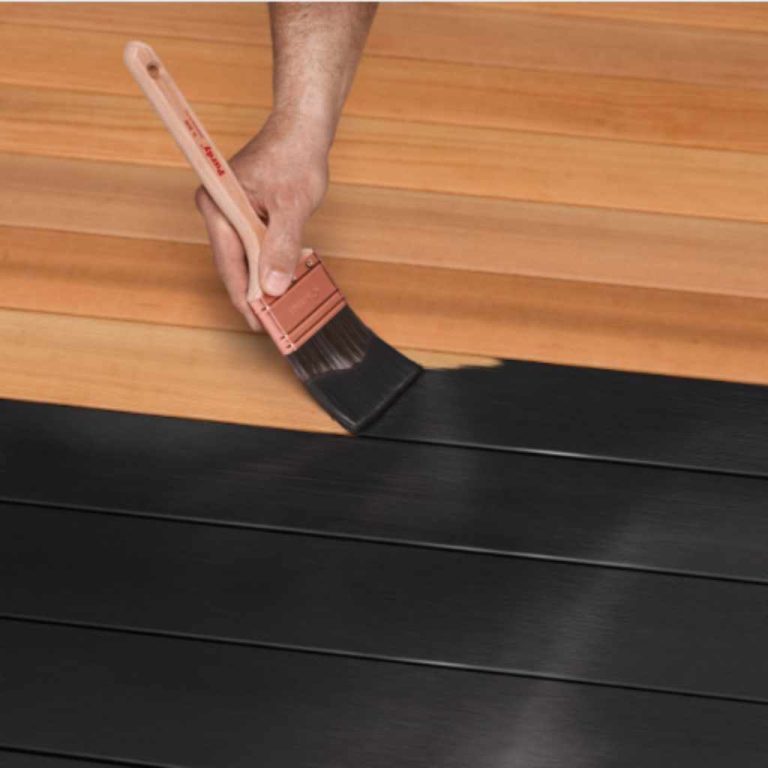
Stains can enhance the beauty of wood surfaces, but a sticky finish can be frustrating. Many factors contribute to this tackiness, including application techniques and environmental conditions. Understanding these factors helps you troubleshoot and achieve a smooth finish. Whether you’re working on furniture, floors, or crafts, knowing why your stain remains tacky is essential.
This guide will explore common reasons for a sticky stain and provide solutions to rectify the issue. By addressing these problems, you can ensure a professional-looking finish that enhances your project’s appeal.
Introduction To Sticky Situations
Sticky finishes can be frustrating. Many factors can cause this issue.
- Humidity: High moisture levels can prevent proper drying.
- Temperature: Cold environments slow down the drying process.
- Poor ventilation: Lack of air circulation makes finishes tacky.
- Incorrect product use: Using too thick a layer can trap moisture.
- Old or expired products: They may not perform as expected.
Sticky finishes can ruin your hard work. They impact the look and feel of projects.
Address these issues early. Doing so saves time and effort in the long run.
Essential Factors In Stain Application
Choosing the right stain is crucial for successful results. Different stains work better on certain wood types. For softwoods like pine, use a penetrating stain. It absorbs well and enhances the wood’s natural beauty.
On the other hand, hardwoods like oak require a gel stain. Gel stains sit on top and provide even color. Always test the stain on a small area first. This helps ensure the desired look.
Consider the finish you want. A matte finish gives a natural look. Glossy finishes can add shine and protect the wood. Understanding these factors helps achieve the best results.
Troubleshooting Tacky Stains
Identifying tacky stains can help solve the problem quickly. Common reasons include using too much product or not allowing it to dry properly. Check the application method. A thick layer can cause stickiness.
Immediate steps can make a difference. First, gently wipe the area with a clean cloth. Use a small amount of water or solvent to help remove the tackiness. Allow the area to air dry afterward.
For tougher stains, consider sanding the surface lightly. After sanding, clean the area again to ensure all residues are gone. Always test on a small area first to prevent damage.
Quick Fix Solutions
To remove a tacky stain, use a clean cloth. Gently dab the area. Avoid rubbing too hard. This helps lift the stain without spreading it.
Applying heat can also help. Use a hairdryer on a low setting. Hold it a few inches away. The heat can soften the stain, making it easier to remove.
Always test a small area first. This ensures the method won’t damage the surface. Keep the area well-ventilated while using heat.
Preventive Measures For Next Time
To avoid a tacky stain, follow proper application techniques. Always prepare the surface well before applying the stain. Clean the area thoroughly to remove dirt and grease. Use a high-quality brush or roller for even application. Apply the stain in thin layers. This helps it dry faster and prevents stickiness.
Testing is crucial for best results. Always test the stain on a small area first. This shows how the color looks and how it dries. Knowing this helps you adjust your technique. A quick test can save time and effort later.
Advanced Tips And Tricks
Using thinners can help reduce the tackiness of stains. Thinners work by breaking down the sticky components in the stain. Choose a thinner that matches your stain type for best results.
Conditioners can also help. They improve the absorption of stains in difficult woods. Apply the conditioner before staining to achieve a smoother finish.
For difficult woods, consider these expert tips:
| Wood Type | Tip |
|---|---|
| Oak | Use a pre-stain conditioner. |
| Pine | Apply in thin layers for even coverage. |
| Mahogany | Sand lightly before staining for better adhesion. |
When To Call A Professional
Stains can be tricky. Sometimes, they remain tacky after drying. This can happen due to poor application or incorrect products. It’s essential to know when to seek help.
Recognizing when you’re out of depth is crucial. Signs include persistent stickiness or unusual texture. If the stain isn’t improving, it might be time for a pro.
Finding the right help is key. Look for professionals with good reviews. Ask for recommendations from friends or family. They can often point you to trusted experts.
Conclusion: Moving Forward With Confidence
Stains can be tricky. A tacky stain means it didn’t dry well. Common reasons include high humidity or using too much product. Always check the instructions before applying any stain. Using the right tools can help avoid this issue.
To fix a tacky stain, allow it to dry completely. If it remains tacky, consider applying a topcoat. This can seal the stain and provide a smooth finish. Testing on a small area first is smart.
Embrace future projects with confidence. Mistakes are part of learning. Each experience helps improve your skills. Remember to enjoy the process of creating.
Frequently Asked Questions
Why Is My Stain Still Tacky?
A tacky stain often indicates insufficient drying time. Factors like high humidity, low temperature, or applying too thick a layer can cause this issue. Ensure proper ventilation and follow the manufacturer’s recommended drying times. If it persists, you might need to reapply or use a compatible topcoat.
How Can I Fix A Tacky Stain?
To fix a tacky stain, you can try lightly sanding the area. This helps remove excess stain and promotes better adhesion. After sanding, clean the surface thoroughly and allow it to dry. Consider applying a new coat of stain or a compatible finish to achieve a smooth surface.
What Causes Stain To Remain Sticky?
Stains can remain sticky due to several reasons. Applying too much product or not allowing adequate drying time are common culprits. Additionally, environmental factors like humidity and temperature play a significant role. Always read the product instructions for best results and proper application techniques.
Can Humidity Affect Stain Drying?
Yes, humidity greatly affects stain drying times. High humidity levels can slow down the evaporation of solvents in the stain. This can lead to a sticky finish. To ensure proper drying, work in a well-ventilated area with low humidity whenever possible.
Conclusion
A tacky stain can be frustrating, but understanding the causes is key to resolving it. Factors like humidity, incorrect application, or inadequate drying time often play a role. By addressing these issues, you can achieve a smooth finish. Stay patient and follow the right techniques for the best results.