How to Restain a Wood Garage Door in 5 Steps That Last
To restain a wood garage door, strip the old finish, sand to bare wood, then apply an oil-based exterior stain and UV-protective sealer in thin, even coats. Skipping the strip step traps moisture under the new stain and can cause peeling within a single season. This guide covers surface prep, sanding grits, stain application, and the 2-3 year resealing schedule that keeps the door from fading.
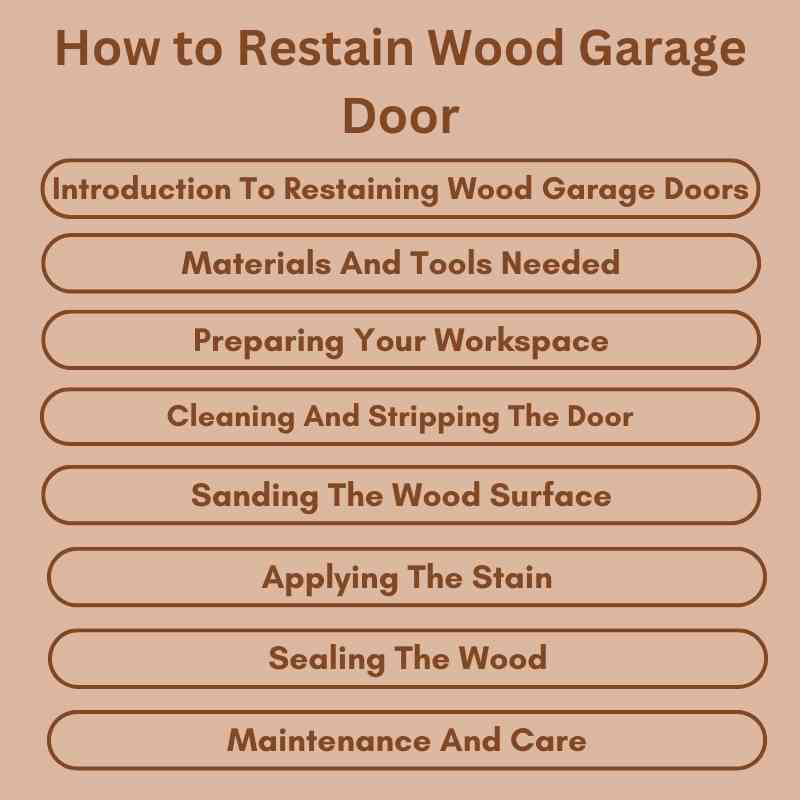
Introduction To Restaining Wood Garage Doors
Best Wood Garage Door Stain Pick

Ready Seal Exterior Wood Stain & Sealer, Natural Light Oak, 1 Gallon – $40.98
A one-can oil-based stain and sealer that matches this guide’s stain-then-seal method — no separate sealing coat needed after the final application.
- Best for: garage doors that need stain color and UV protection in one product
- Why we picked it: “Goof Proof” no-lap, no-streak oil-based formula built for exterior wood, doubling as the UV-blocking sealer this guide recommends
- Main drawback: fewer color options than a dedicated stain-only line
Compare more garage door staining supplies
 Option 1 Armstrong-Clark Oil-Based Wood Stain – $84.95
|
 Option 2 Thompson’s WaterSeal Clear Sealer – $19.94
|
 Option 3 Bates Deck Stain Brush Applicator – $15.98
|
Restaining wood garage doors offers many benefits. A fresh coat protects against weather damage. It also improves the appearance of your home. A well-restored door looks inviting and stylish. Regular maintenance keeps the wood in great shape.
New stain can hide scratches and blemishes. It enhances the natural grain of the wood. Choosing the right color can match your home’s aesthetic. A good stain can last for years, saving you time and money.
Materials And Tools Needed
To get started, choose the right stain for your wood garage door. Oil-based stains provide a rich color and long-lasting finish. Water-based stains dry faster and are easier to clean. Consider the color that matches your home’s style.
Essential tools for the job include a paintbrush or roller for even application. A sandpaper or sander is needed to prepare the surface. A drop cloth will help protect your driveway. Don’t forget gloves and a mask for safety.
| Tool/Material | Purpose |
|---|---|
| Stain | Color and protect the wood |
| Brush/Roller | Apply the stain evenly |
| Sandpaper/Sander | Prep the wood surface |
| Drop Cloth | Protect surrounding areas |
| Gloves & Mask | Ensure safety while working |
Preparing Your Workspace
Safety should always come first when working on your garage door. Wear protective gear like gloves and goggles. This will keep you safe from dust and chemicals.
Ensure your workspace is clean and organized. Remove any clutter around the area. This helps you work more efficiently and prevents accidents.
Ventilation is also important. Open windows or use fans to circulate air. This keeps harmful fumes away from you.
Gather all your supplies before starting. You will need wood stain, brushes, and rags. Having everything ready makes the process smoother.
Cleaning And Stripping The Door
Start by removing old stain and paint from the wood garage door. Use a stripper designed for wood surfaces. Apply it evenly and let it sit as directed. Scrape off the old finish with a putty knife or scraper. Be careful not to damage the wood.
For thorough cleaning, wash the surface with soapy water. Use a soft cloth or sponge to avoid scratches. Rinse the door with clean water and let it dry completely. Once dry, sand the surface lightly. This helps the new stain adhere better.
Make sure to wear gloves and safety goggles during this process. Proper safety measures protect your skin and eyes from chemicals. Following these steps ensures a clean surface for the new stain.
Sanding The Wood Surface
Selecting the right sandpaper is crucial for a smooth finish. Use coarse sandpaper, like 80-grit, to remove old stains. Move to a medium grit, around 120, for smoothing. Finish with fine sandpaper, such as 220-grit, to prepare for staining.
Technique matters for the best results. Always sand with the grain of the wood. This prevents scratches and gives a nice finish. Apply even pressure while sanding to avoid uneven spots. Use a sanding block for flat surfaces to ensure uniformity.
For corners and detailed areas, consider using sandpaper wrapped around a block. This helps reach tight spots. Regularly check your progress to ensure the surface is even. Clean dust thoroughly before applying new stain.
Applying The Stain
To achieve even coverage, start with a clean surface. Remove dirt and old paint first. Choose a high-quality stain for the best results.
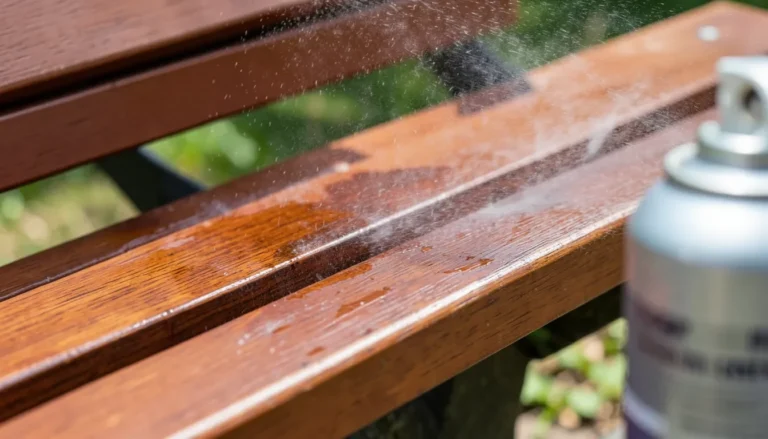
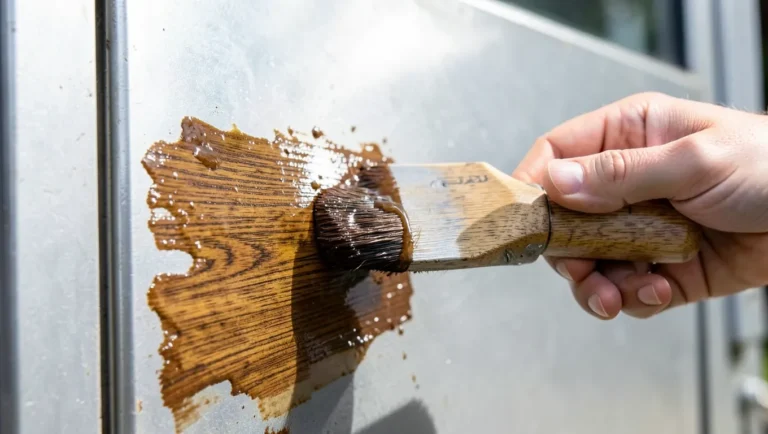
Use a brush or roller for application. Apply the stain in the direction of the wood grain. This helps the wood absorb the stain evenly.
Work in small sections to avoid overlapping. This prevents streaks and ensures uniform color. Allow the stain to dry completely before applying a second coat.
Check for any missed spots after the first coat. Touch up these areas for a flawless finish. Always follow the manufacturer’s instructions for drying times.
Sealing The Wood
Selecting the right sealer is vital for your wood garage door. Choose a high-quality product that is water-resistant and UV-protective. Look for a sealer that matches your wood type. This helps in maintaining the natural beauty of the wood.
Application techniques are crucial for a smooth finish. Start by cleaning the surface well. Use a brush or roller to apply the sealer evenly. Make sure to follow the manufacturer’s instructions for best results. Allow each coat to dry completely before applying the next.
Maintenance And Care
Regular maintenance keeps your wood garage door in great shape. Check for peeling, cracking, or fading regularly. These signs indicate it is time to restain. Use a gentle cleaner to wash the door. Rinse well to remove any dirt or debris.
Apply a new coat of stain every two to three years. This helps protect the wood from moisture and UV rays. Also, inspect the door for damage or wear. Fix any issues right away to prevent further problems.
| Signs to Restain | Frequency |
|---|---|
| Peeling | Every 2-3 years |
| Cracking | Every 2-3 years |
| Fading | Every 2-3 years |
Frequently Asked Questions
How Do I Prepare My Wood Garage Door For Restaining?
To prepare your wood garage door for restaining, start by cleaning it thoroughly. Remove dirt and old finish using a wood cleaner or mild soap. Sand the surface lightly to create a smooth finish for better adhesion. Finally, ensure the door is completely dry before applying any stain.
What Type Of Stain Is Best For Wood Garage Doors?
The best stain for wood garage doors is a high-quality, exterior-grade stain. Look for options that offer UV protection and water resistance. Oil-based stains provide deep penetration and durability, while water-based stains are easier to clean up. Choose a color that complements your home’s exterior design.
How Often Should I Restain My Wood Garage Door?
You should restain your wood garage door every 2 to 5 years. The frequency depends on your local climate and the quality of your stain. Inspect the door annually for signs of wear, fading, or peeling. Timely restaining helps maintain both appearance and protection against the elements.
Can I Use Paint Instead Of Stain On My Garage Door?
Yes, you can use paint instead of stain on your garage door. However, paint forms a thicker layer that can peel over time. Stain, on the other hand, penetrates the wood and provides a more natural look. If paint fits your project better, see our guide on painting a garage door for surface prep and product picks specific to that method.
Conclusion
Restaining your wood garage door enhances its beauty and prolongs its life. Regular maintenance keeps the wood protected from the elements. Following the right steps ensures a professional finish. Enjoy your transformed garage door while adding value to your home.
Embrace the satisfaction of a job well done with this DIY project.
Sponsored / affiliate links. As an Amazon Associate I earn from qualifying purchases. I may earn additional commission from eligible campaigns.