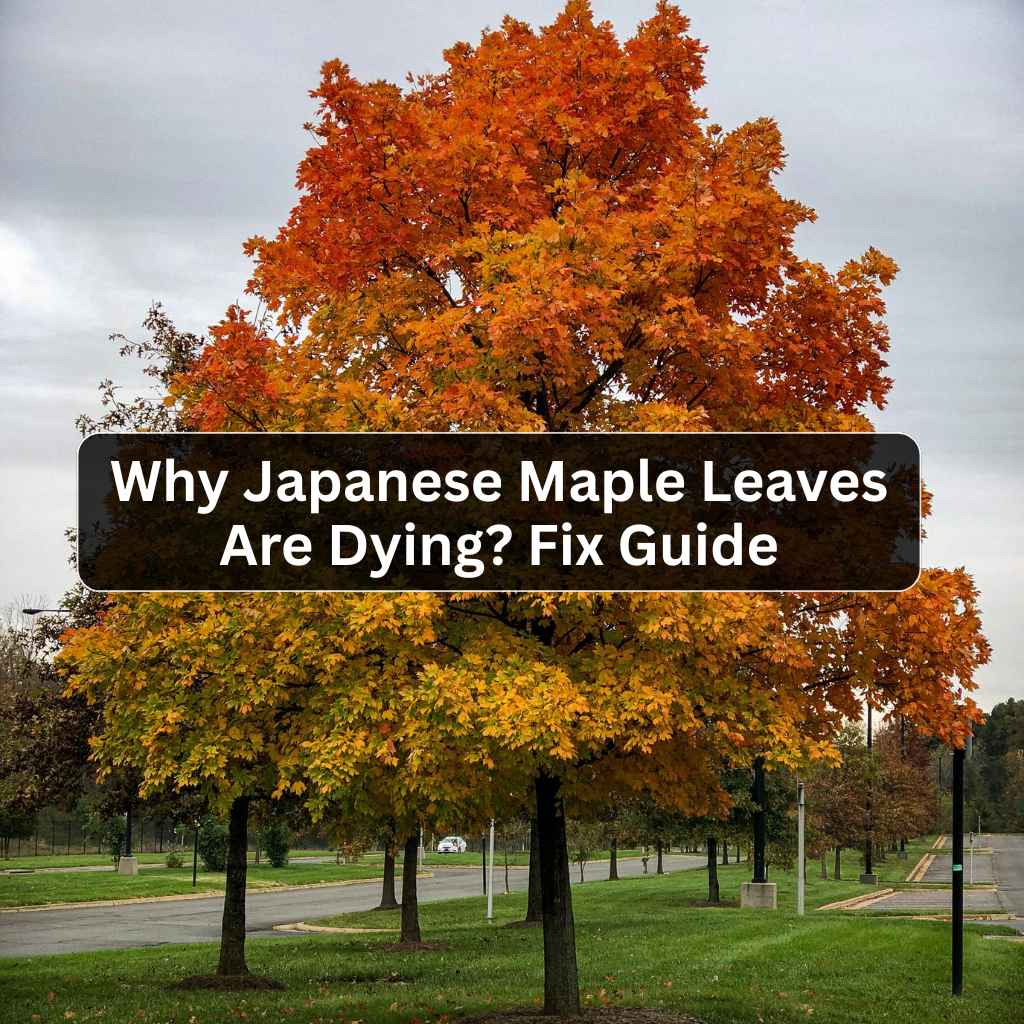
Why Japanese Maple Leaves Are Dying? Fix Guide
It can be really worrying when your beautiful Japanese maple’s leaves start to turn brown or fall off. You might be wondering, “Why Are Japanese Maple Leaves Dying? Fix Guide,” especially if you’re new to caring for these special trees.
It might seem like a big problem, but don’t worry! We’ll walk through it step by step and figure out how to help your tree bounce back. This guide will show you the simple steps to get your Japanese maple healthy again.
Common Reasons For Japanese Maple Leaf Problems
Seeing your Japanese maple’s leaves looking sad is a common concern for many gardeners. These trees are known for their stunning colors and delicate leaves, making any sign of distress quite noticeable. The challenge often lies in pinpointing the exact cause.
Is it too much water, not enough, a pest, or something else entirely? This section will explore the most frequent culprits that lead to Japanese maple leaves wilting, browning, or dropping prematurely. We’ll break down each issue in simple terms so you can easily identify what might be affecting your tree.
Overwatering And Poor Drainage
One of the biggest enemies of Japanese maples is too much water. Their roots need air to breathe, and constantly soggy soil can suffocate them. This leads to root rot, which prevents the tree from taking up water and nutrients.
You might notice leaves turning yellow, then brown, and eventually dropping. This is often the first sign that the roots are struggling.
Poor drainage makes overwatering even worse. If your soil doesn’t drain well, water just sits around the roots. This can happen with heavy clay soils or if the tree is planted in a low spot.
The roots can’t get the oxygen they need, and this stress shows up in the leaves.
Signs of overwatering include:
- Leaves turning yellow and then brown, often starting at the tips or edges.
- Leaves wilting even when the soil is wet.
- A mushy, unhealthy appearance to the leaves.
- The soil staying wet for several days after watering.
When your Japanese maple is overwatered, the roots can’t function properly. This means the tree can’t transport water and nutrients up to the leaves. Even if the soil is wet, the leaves will look like they are drying out.
It’s a confusing sign, but it’s a strong indicator of waterlogged roots. Over time, this can weaken the entire tree, making it more susceptible to diseases and pests.
Underwatering And Drought Stress
On the other hand, not giving your Japanese maple enough water is also a major problem. These trees prefer consistent moisture, especially when they are young or during hot, dry periods. When the soil dries out too much, the tree can’t get the water it needs to keep its leaves healthy and green.
Drought stress can cause leaves to turn brown and crispy, often starting from the edges and moving inward. The leaves might also curl up. This is the tree’s way of trying to conserve moisture.
If the drought is severe, the leaves can fall off completely, sometimes even before they turn brown.
Look out for these signs of underwatering:
- Leaves turning brown and crispy, especially around the edges.
- Leaves curling upwards or appearing scorched.
- The soil feeling dry several inches down.
- Premature leaf drop, even in summer.
When a Japanese maple is underwatered, its leaves can’t stay hydrated. This causes them to lose turgor pressure, making them droop and eventually turn brown. The tree is essentially sacrificing its leaves to survive the lack of water.
This stress weakens the tree and makes it less able to withstand other environmental challenges. Providing consistent watering is key to preventing this.
Sunburn And Heat Stress
Japanese maples, especially younger or more delicate varieties, can suffer from too much direct sunlight. While they need some sun to thrive, intense afternoon sun, particularly in hot climates, can scorch their leaves. This is often referred to as sunburn.
Sunburn typically appears as brown or bleached patches on the leaves. These areas are essentially dead tissue where the leaf has been damaged by excessive heat and light. The damage can be quite sudden after a few days of intense sun.
Symptoms of sunburn include:
- Brown or dry patches on the upper surfaces of leaves.
- Leaves that look bleached or faded in sunny spots.
- Leaf edges that turn brown and brittle.
- The damage is usually worse on leaves exposed to the hottest afternoon sun.
When Japanese maple leaves get too much direct sun, especially during the hottest part of the day, they can burn. This is similar to how human skin gets sunburned. The intense heat and UV rays damage the leaf cells.
The affected areas turn brown and dry, making them look quite unsightly. Planting these trees in locations with morning sun and afternoon shade can prevent this issue.
Pests And Diseases
Like any plant, Japanese maples can be targets for various pests and diseases. These can weaken the tree and cause significant damage to its leaves. Common pests include aphids, spider mites, and Japanese beetles, while fungal diseases like verticillium wilt can also be problematic.
Aphids are tiny insects that suck sap from the leaves, causing them to curl and distort. Spider mites, which are very small, create fine webbing and cause stippling (tiny dots) on the leaves, leading to yellowing and browning. Japanese beetles can defoliate the tree rapidly by chewing holes in the leaves.
Fungal diseases, such as verticillium wilt, enter the tree through the roots and block the water-conducting tissues. This can cause wilting and death of branches, often with one side of the tree affected more than the other. The leaves on affected branches may turn yellow, then brown, and drop.
Key indicators of pest or disease problems:
- Visible insects on leaves or stems (aphids, beetles).
- Fine webbing on leaves (spider mites).
- Small dots or stippling on leaves.
- Leaves curling, distorting, or sticky residue (honeydew) from aphids.
- Wilting of branches or sections of the tree, often with streaking under the bark.
When pests or diseases attack, they directly harm the leaves or the tree’s ability to support them. Aphids and spider mites feed on the leaf’s sap, draining its energy and causing discoloration and damage. Fungal infections, like verticillium wilt, block the tree’s vascular system, preventing water from reaching the leaves.
This leads to wilting and death of foliage, even if the soil has enough moisture. Early detection and treatment are vital for the tree’s survival.
The Why Are Japanese Maple Leaves Dying? Fix Guide Step By Step
Now that we’ve looked at the common reasons why your Japanese maple might be struggling, let’s move on to how you can fix it. This step-by-step guide will help you identify the problem and take the right actions to bring your tree back to health. We’ll focus on practical, easy-to-follow solutions so you can feel confident in caring for your tree.
Step 1 Checking Soil Moisture Levels
The very first thing to do when you notice your Japanese maple’s leaves are dying is to check the soil moisture. This is the most common issue and often the easiest to correct. You want to feel the soil to understand if it’s too wet or too dry.
How to check soil moisture:
- Use your finger: Stick your finger about 2-3 inches into the soil near the base of the tree. If it feels dry, your tree needs water. If it feels wet or soggy, you might be overwatering.
- Use a moisture meter: These simple tools can be purchased at garden stores and give you a clear reading of the soil’s moisture level.
It’s important to check the soil a few inches down, not just the surface. The top layer can dry out quickly, but the roots might still be in moist soil. Consistent moisture is key for Japanese maples.
They don’t like to dry out completely, nor do they like to sit in waterlogged conditions. Finding that happy medium is crucial for healthy leaf development and overall tree vitality.
Step 2 Adjusting Watering Habits
Based on your soil moisture check, you’ll need to adjust your watering habits. The goal is to provide consistent, even moisture without drowning the roots or letting the soil become parched.
If the soil is dry:
- Water deeply: When you water, make sure to soak the root zone thoroughly. This encourages deeper root growth, making the tree more resilient. A slow, deep watering is much better than frequent, shallow watering.
- Water in the morning: Watering in the morning allows the leaves to dry off before nightfall, which can help prevent fungal diseases.
If the soil is too wet:
- Reduce watering frequency: Stop watering until the top few inches of soil have dried out.
- Improve drainage: If your soil drains poorly, consider amending the soil around the tree with compost or sand to improve aeration. For trees in containers, ensure the pot has drainage holes and use a well-draining potting mix.
Watering correctly is more art than science, but by paying attention to your tree’s needs and the soil conditions, you can get it right. Avoid a strict watering schedule; instead, water based on what the plant actually needs. A Japanese maple that is consistently watered correctly will have vibrant, healthy leaves.
Step 3 Protecting From Sunburn
If you suspect sunburn is the issue, especially during hot summer months, you’ll need to protect your Japanese maple. These trees often prefer dappled shade or morning sun with protection from the harsh afternoon rays.
Solutions for sunburn:
- Provide shade: If your tree is in an exposed location, consider using shade cloth or temporary barriers during the hottest parts of the day. This is especially important for young or newly planted trees.
- Mulch generously: A thick layer of mulch around the base of the tree helps keep the soil cool and moist, which can indirectly reduce heat stress on the roots. Keep the mulch a few inches away from the trunk itself to prevent rot.
- Relocation (if possible): For smaller trees, you might consider transplanting them to a more suitable location with morning sun and afternoon shade. This is best done during the dormant season.
Observing your tree’s location and the sun’s path throughout the day will help you determine if it’s getting too much direct sun. If you notice leaf edges crisping up or brown patches appearing on leaves exposed to the strong afternoon sun, it’s a clear sign that some protection is needed. A little shade can make a huge difference in preventing leaf scorch and keeping your tree looking its best.
Step 4 Addressing Pests and Diseases
Identifying and treating pests and diseases is crucial for restoring your Japanese maple’s health. Early detection is key, as a small infestation or infection can spread quickly and cause significant damage.
For common pests like aphids and spider mites:
- Hose them off: Often, a strong blast of water from a garden hose can dislodge many pests.
- Insecticidal soap or neem oil: These are less toxic options that can be effective. Always follow product instructions carefully.
For more serious issues like fungal diseases:
- Improve air circulation: Prune away any crowded branches to allow for better airflow, which discourages fungal growth.
- Remove infected material: Prune off any dead or diseased branches, and dispose of them away from your garden to prevent spreading.
- Fungicides: In some cases, a fungicide might be recommended by a local garden expert.
If you’re unsure about the pest or disease, take a clear photo or a sample of the affected part of the tree to your local nursery or agricultural extension office. They can help you identify the problem and recommend the most effective treatment. A healthy tree is less susceptible to pests and diseases, so focusing on proper watering, soil health, and sunlight is also a form of prevention.
Step 5 Proper Pruning Techniques
Pruning plays a vital role in maintaining the health and shape of your Japanese maple, but improper pruning can actually harm the tree. The goal of pruning is to remove dead, damaged, or diseased branches, improve air circulation, and shape the tree. It’s not about drastically altering its appearance, but about supporting its natural growth.
When and how to prune:
- Dormant season pruning: The best time to do major pruning is during the late winter or early spring when the tree is dormant and before new growth begins. This minimizes stress on the tree and reduces the risk of disease.
- Remove dead or damaged branches: Always start by carefully inspecting your tree for any branches that are dead, broken, or show signs of disease. Prune these back to healthy wood.
- Improve airflow: Thin out crowded branches to allow for better circulation of air and sunlight within the canopy. This helps to prevent fungal diseases.
- Make clean cuts: Use sharp, clean pruning tools. Make cuts just outside the branch collar, which is the slightly swollen area where the branch meets the trunk or a larger branch. Avoid leaving stubs.
It’s important to note that Japanese maples are often pruned to enhance their natural form, not to create intricate shapes. Over-pruning can stress the tree and make it more vulnerable. If you’re unsure about how to prune, it’s always best to consult a local arborist or experienced gardener.
Correct pruning encourages new, healthy growth and helps the tree recover from any stress it may be experiencing.
Preventative Care For A Healthy Japanese Maple
Once you’ve addressed any immediate issues causing your Japanese maple leaves to die, it’s time to focus on preventing future problems. Consistent, proper care will ensure your tree stays vibrant and healthy year after year. Think of this as building a strong defense against common issues.
The Importance Of Mulching
Mulching is one of the simplest yet most effective ways to care for your Japanese maple. A good layer of mulch around the base of the tree offers numerous benefits that contribute to overall health and prevent common problems that lead to leaf issues.
Benefits of mulching:
- Moisture retention: Mulch helps the soil retain moisture, which is crucial for Japanese maples. It acts like a sponge, keeping the soil consistently damp without becoming waterlogged. This is especially helpful during dry spells.
- Temperature regulation: It insulates the soil, keeping the roots cooler in the summer and warmer in the winter. This protection from extreme temperature fluctuations reduces stress on the tree.
- Weed suppression: A thick layer of mulch helps to block sunlight from reaching weed seeds, significantly reducing weed growth. Weeds compete with your tree for water and nutrients, so their control is important.
- Soil improvement: As organic mulches like wood chips or compost break down, they add valuable nutrients and organic matter to the soil, improving its structure and fertility over time.
When applying mulch, make sure to spread it in a ring around the base of the tree, extending out to the drip line (the outer edge of the canopy). It’s important to keep the mulch a few inches away from the trunk itself. This prevents moisture from accumulating against the bark, which can lead to rot and disease.
A 2-4 inch layer of mulch is generally recommended. Properly mulched trees are more resilient and require less frequent watering, contributing to healthier foliage.
Choosing The Right Location And Soil
Where you plant your Japanese maple and the type of soil it’s in can make a huge difference in its health and appearance. These trees have specific needs that, when met, can prevent many common problems that cause leaves to die.
Ideal conditions:
- Partial shade: Most Japanese maples thrive in locations that receive morning sun and afternoon shade. This protects them from the intense heat of the midday and afternoon sun, which can scorch their delicate leaves. While some varieties can tolerate more sun, it’s generally safer to err on the side of shade.
- Well-draining soil: Japanese maples absolutely despise soggy feet. Their roots need oxygen, and waterlogged soil will lead to root rot and, consequently, dying leaves. The ideal soil is slightly acidic, rich in organic matter, and drains freely.
- Protection from strong winds: While not directly related to leaf death, strong winds can dry out the leaves and cause physical damage, making them more susceptible to other issues. Planting in a somewhat sheltered spot is beneficial.
If your soil is heavy clay, you can improve drainage by amending it with compost or other organic matter before planting. For trees planted in containers, use a high-quality potting mix formulated for acid-loving plants and ensure the pot has ample drainage holes. Choosing the right spot from the start is a preventative measure that pays off significantly in the long run, leading to healthier foliage and a more robust tree.
Understanding Specific Variety Needs
While this guide covers general care, it’s important to remember that there are hundreds of Japanese maple varieties, and each can have slightly different needs. Some are more tolerant of sun, while others require more protection. Knowing your specific variety can help you tailor your care even further.
For instance:
- Acer palmatum ‘Bloodgood’: This is a very popular and relatively hardy variety that can tolerate more sun than some others, though it still benefits from afternoon shade in very hot climates.
- Acer palmatum ‘Dissectum’ varieties (laceleaf maples): These delicate-looking maples often require more protection from harsh sun and wind due to their finer foliage.
- Red-leafed varieties: Many red-leafed Japanese maples need sufficient sunlight to maintain their vibrant color, but too much intense sun can cause the leaves to scorch or turn a duller, bronzy color.
If you’re unsure about your specific Japanese maple’s needs, it’s always a good idea to research its particular cultivar. Local nurseries or online horticultural resources can provide detailed information. Understanding these nuances can help you provide the best possible environment for your tree, preventing issues before they even start and ensuring its leaves stay beautiful and healthy.
Real-Life Scenarios And Solutions
Let’s look at a couple of real-life situations where Japanese maple leaves started to die and how the owners solved the problem. These examples illustrate how the steps we’ve discussed can be applied in practice.
Scenario 1 The Overwatered Acer
Sarah had a beautiful Japanese maple in her front yard that she loved. Over the summer, she noticed its leaves were turning yellow and then brown, and many were falling off. She was worried because she watered it every day, thinking it needed a lot of water.
What happened:
- Sarah’s tree was planted in a spot where water tended to collect.
- She was watering it too often, not letting the soil dry out enough between waterings.
- This led to waterlogged roots, preventing the tree from getting the oxygen it needed.
The solution:
- Sarah stopped watering daily. She checked the soil with her finger and only watered when the top 2-3 inches felt dry.
- She also added a layer of mulch around the base of the tree to help regulate soil moisture and temperature.
- Over time, as the roots recovered and the watering schedule was corrected, the tree began to produce new, healthy leaves.
This case highlights how a well-intentioned but incorrect watering strategy can harm a Japanese maple. The key was identifying the overwatering and adjusting the approach.
Scenario 2 The Sunburned Red Maple
Mark had a vibrant red Japanese maple that was planted in a new bed that got a lot of direct afternoon sun. In the first few weeks of summer, he noticed the edges of the leaves turning brown and crispy, and some leaves looked bleached. He thought it might be a disease.
What happened:
- The intense afternoon sun was directly hitting the leaves of the relatively young tree.
- The leaves were getting scorched from the heat and light, causing them to dry out and turn brown.
The solution:
- Mark decided to provide temporary shade during the hottest part of the day. He used a piece of shade cloth supported by stakes for about a month.
- He also made sure the tree was well-watered during this period, as stressed trees need adequate moisture.
- Once the tree had a chance to recover and adjust, Mark decided to move it to a more suitable location with morning sun and afternoon shade the following fall.
This situation shows how quickly a tree can suffer from sunburn. By recognizing the signs and providing immediate protection, Mark was able to save his tree and then relocate it to a spot where it would thrive.
Frequently Asked Questions
Question: My Japanese maple leaves are turning brown and falling off in the middle of summer What could be the problem
Answer: This is often a sign of underwatering or heat stress. Check the soil moisture a few inches down. If it’s dry, water deeply.
If it’s very hot, the tree might need some temporary shade.
Question: What is the best way to water a Japanese maple to prevent leaf problems
Answer: Water deeply and less frequently. Let the top 2-3 inches of soil dry out between waterings. Always water the soil directly, not the leaves.
Question: Can pruning cause Japanese maple leaves to die
Answer: Yes, improper pruning can stress the tree. Prune only when necessary to remove dead or damaged branches, and do so during the dormant season with clean tools.
Question: I see tiny green bugs on my Japanese maple leaves Should I worry
Answer: Those are likely aphids. They suck sap and can cause leaves to curl. Try spraying them off with water or using insecticidal soap.
Question: How can I tell if my Japanese maple has root rot
Answer: Signs include yellowing and wilting leaves even when the soil is wet, mushy soil, and a foul odor from the roots. Improving drainage and reducing watering is key.
Conclusion
Helping your Japanese maple recover from dying leaves is achievable. By checking soil moisture, adjusting watering, providing shade, and managing pests, you can revive your tree. Proper care, including thoughtful pruning and mulching, keeps it healthy long-term.
Focus on consistency and observation to enjoy your tree’s beauty.