DIY Wood Wall Shelves: Transform Your Space with Style
DIY wood wall shelves add style and function to any room. They are simple to make and cost-effective.
Creating your own wood wall shelves is a fun and rewarding project. You get to design shelves that fit your space perfectly. They provide extra storage and can display your favorite items. Plus, making them yourself saves money. You can choose the wood, finish, and size that match your decor.
This project is great for beginners and experienced DIYers alike. With some basic tools and materials, you can create beautiful and sturdy shelves. Ready to transform your walls? Let’s explore how you can make your own DIY wood wall shelves.
Introduction To DIY Wood Wall Shelves
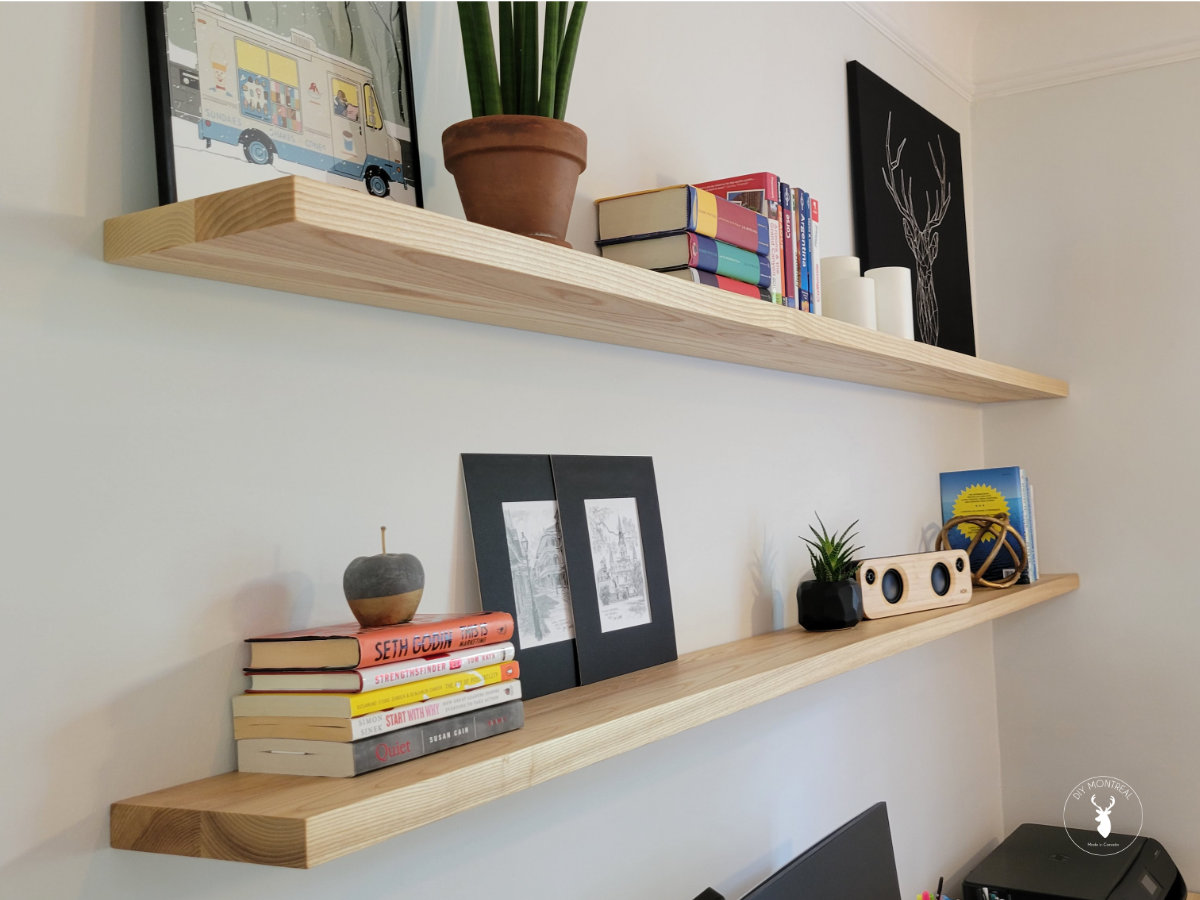
DIY wood wall shelves are a great way to add storage. They look stylish and are easy to make. You can create them to fit any room. They can hold books, plants, or decorations. Building shelves yourself saves money. It also lets you personalize your home. You choose the size, color, and design.
Wood wall shelves are strong and last a long time. They add a natural touch to any room. Wood shelves are also easy to clean. They can be painted or stained. You can match them with other furniture. Shelves keep your items organized. They also make your space look neat and tidy.
Pick a wood that matches your style. Pine is light and easy to work with. Oak is strong and has a nice grain. Plywood is a good option for a budget. Make sure the wood is straight and has no cracks. Measure your space before buying. This helps you get the right amount of wood.
Credit: www.diymontreal.com
Essential Tools And Materials
To make wood wall shelves, you will need some tools. A measuring tape is a must. You also need a saw to cut the wood. A drill helps make holes for screws. Use a level to keep shelves straight. A screwdriver is also needed. Don’t forget sandpaper to smooth the wood. Clamps can hold pieces together. Safety gear like goggles and gloves is important too.
Choose the right materials for your shelves. Wood planks are the main part. Screws hold everything together. Use brackets to support the shelves. Wood stain or paint can make your shelves look nice. Wood filler is good for fixing holes. Sealant can protect the wood. Anchors help secure shelves to the wall. Make sure everything is strong and safe.
Preparing Your Workspace
Wear safety goggles to protect your eyes. Use gloves to keep your hands safe. Keep your workspace well-lit. This helps you see what you are doing. Ensure a clean and tidy area. This reduces the risk of accidents. Store sharp tools in a safe place. Always cut away from your body. If using power tools, follow the manual. Unplug tools when not in use. Take breaks to avoid fatigue. Fatigue can lead to mistakes.
Choose a flat surface to work on. This keeps your project stable. Use a sturdy table or workbench. Clear the area of any clutter. Lay out your tools and materials. Keep everything within reach. This saves time. Use a drop cloth to catch debris. This makes cleanup easier. Have a trash bin nearby. Dispose of waste materials promptly. Ensure proper ventilation. This helps with dust and fumes. Keep a first aid kit handy. Be prepared for minor injuries.
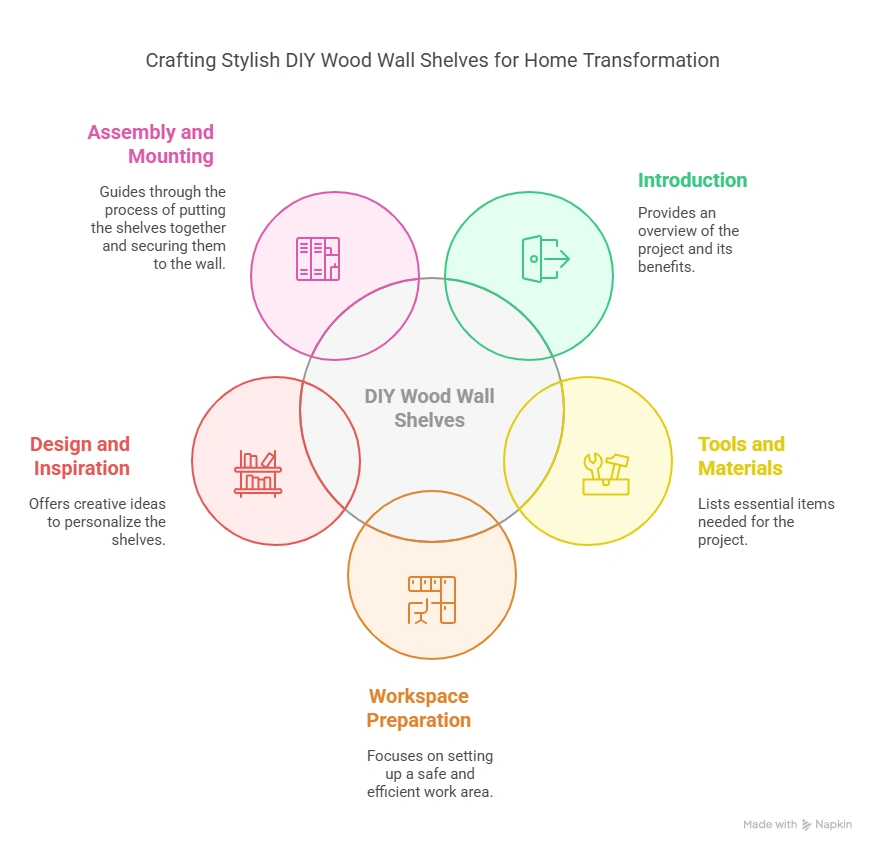
Design Ideas And Inspiration
Floating shelves are very popular. They look modern and simple. You can paint them any color.
Corner shelves use space well. They fit in small areas. You can add plants or books.
Box shelves are good for storage. They come in different sizes. You can stack them.
Measure your wall first. Choose a shelf that fits. Think about what you will put on the shelf.
Use strong brackets. They hold up heavy items. Paint your shelves to match the room.
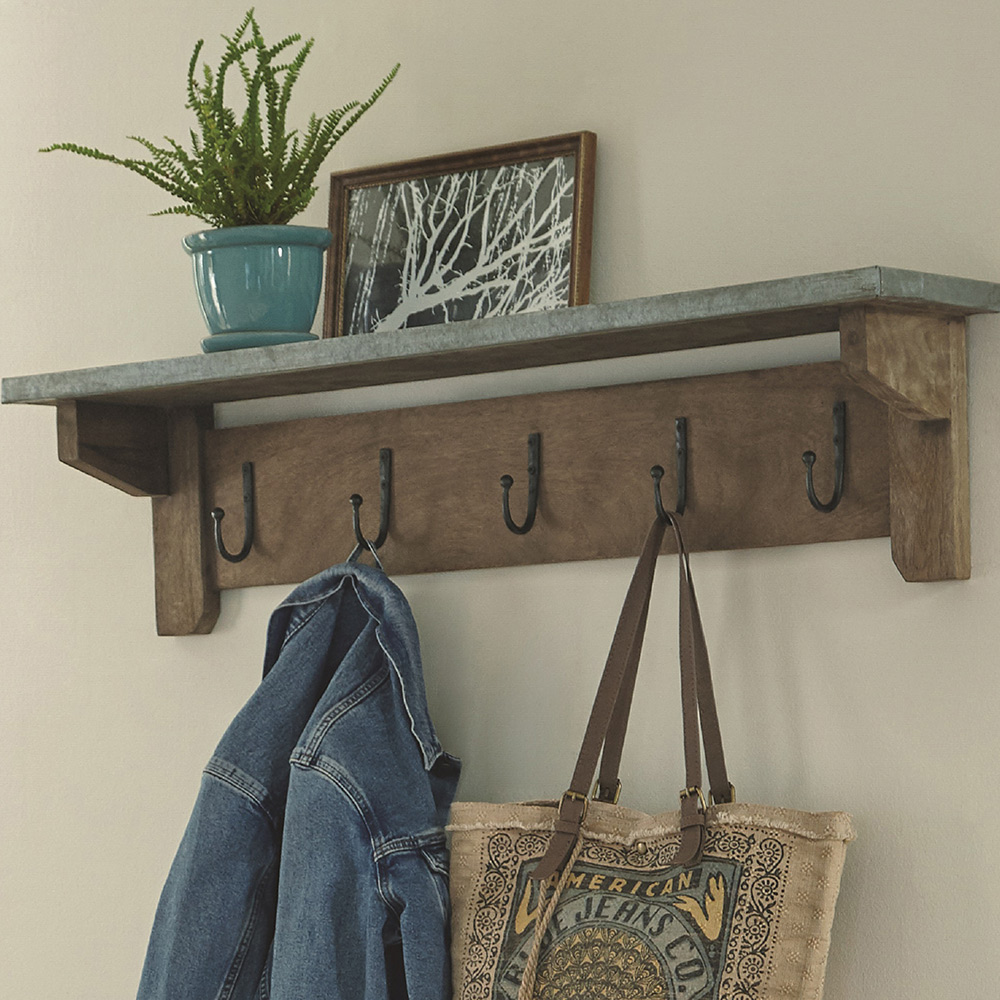
Add hooks below the shelf. They hold keys or bags. Use labels for easy finding.
Measuring And Cutting Wood
Accurately measuring and cutting wood is essential for DIY wood wall shelves. Ensure precise measurements to achieve a perfect fit.
Accurate Measuring Tips
Use a tape measure to get exact lengths. Always double-check your measurements. Mark the wood with a pencil. Ensure marks are clear and precise. Place the tape measure at the edge of the wood. Measure twice, cut once. This saves time and wood.
Proper Cutting Techniques
Choose the right saw for your wood. A fine-tooth saw gives a cleaner cut. Hold the wood steady while cutting. Cut along the pencil line. Use clamps to keep the wood from moving. Safety first: wear gloves and goggles. Smooth the edges with sandpaper. This prevents splinters.
Credit: www.woodshopdiaries.com
Assembling Your Shelves
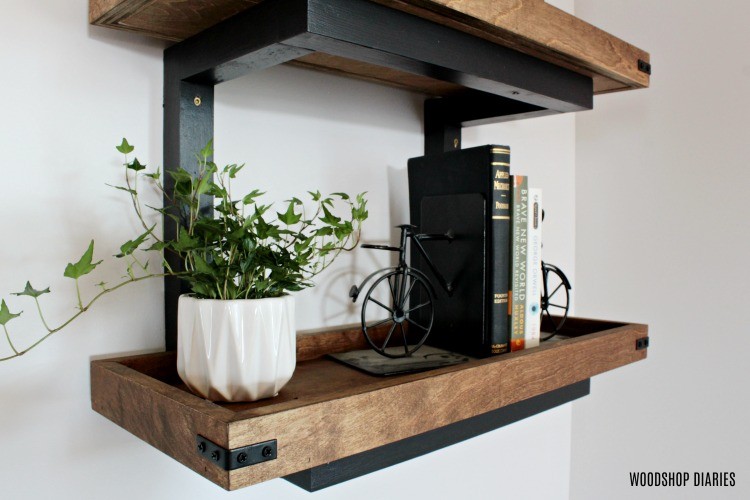
Gather all tools and materials first. Place the wood on a flat surface. Measure and mark where you want the brackets. Use a drill to make holes for the screws. Attach the brackets to the wood. Ensure they are tight. Hang the shelf on the wall. Use a level to make sure it is straight. Secure it with screws. Check stability.
Skipping the measuring step can cause misalignment. Using the wrong screws can weaken the shelf. Not checking the level can make the shelf crooked. Forgetting to secure brackets can lead to falls. Choosing weak wood may result in breaks. Always double-check your work.
Mounting Shelves On The Wall
Choose a wall free of obstructions. Make sure it is strong enough to hold the shelves. A stud finder helps locate studs behind the wall. Mark the studs with a pencil for easy reference. Check the level to keep the shelf straight.
Use a drill to make holes in the wall. Attach brackets to the wall using screws. Place the shelf on the brackets. Secure the shelf with additional screws if needed. Ensure the shelf is stable before placing items on it.
Finishing Touches
Add charm to your home with DIY wood wall shelves. These shelves offer both storage and style. Easy to build and customize for any room.
Painting And Staining
Painting can give your shelves a fresh look. Use a primer first. It helps the paint stick better. Choose a color that matches your room. Apply two coats for best results. Let the first coat dry before adding the second.
Staining shows off the wood’s natural beauty. Pick a stain color you like. Apply it with a cloth or brush. Wipe off extra stain with a clean cloth. Let the stain dry fully. Then, apply a clear finish to protect the wood.
Adding Decorative Elements
Decorative elements add charm to your shelves. Consider using stencils to create patterns. You can also glue on small decorations. Think about adding hooks or small knobs for hanging items. This makes your shelves not just pretty, but also useful.
Maintaining Your Wood Shelves
Dust your wood shelves regularly. Use a soft cloth for dusting. Avoid using water directly. It can damage the wood. Use a damp cloth if needed. Dry the shelf immediately after. Check for stains often. Use a gentle cleaner. Test it on a small area first. Always follow the cleaner’s instructions. Avoid harsh chemicals. They can ruin the wood.
Inspect your shelves for damage. Look for scratches and dents. Use wood filler for small scratches. Sand the area lightly. Apply matching wood stain. Let it dry completely. For bigger damages, consider professional help. Tighten screws regularly. Loose screws can cause accidents. Check brackets and supports. Replace damaged parts immediately. Keep the shelf away from moisture. Avoid direct sunlight. It can fade the wood.
Credit: www.homedepot.com
Frequently Asked Questions
Is It Cheaper To Make Your Own Wall Shelves?
Making your own wall shelves can be cheaper. Costs depend on materials, tools, and design complexity. DIY projects also offer customization.
Is It Cheaper To Buy Shelves Or Build Them?
Building shelves can be cheaper if you have the tools and skills. Buying shelves saves time and effort.
What Kind Of Wood To Use For Wall Shelves?
Use solid woods like oak, walnut, or maple for durable wall shelves. Pine and plywood are budget-friendly options.
What Wood Is Best For Diy Shelves?
Pine, oak, and plywood are ideal for DIY shelves. These woods offer durability, strength, and affordability. Choose based on your project’s needs.
Conclusion
Creating your own wood wall shelves is both rewarding and practical. You gain customized storage while enhancing your space. The process is simple, even for beginners. Gather your materials, follow the steps, and enjoy your new shelves. Personalize them to match your style and needs.
With minimal tools and effort, you achieve great results. So, get started on your DIY wood wall shelves today. Enjoy the satisfaction of your own handiwork.