Douglas Fir vs Cedar: Strength, Cost & Best Uses Compared
Douglas fir is nearly twice as hard as cedar — 660 lbf versus 350 lbf on the Janka scale — but cedar resists rot and insects far longer outdoors, often lasting 20 to 30 years in ground contact versus 5 to 10 years for untreated fir. Picking the wrong one can mean a fence post failing in half the expected time, or paying 25% more than the job needs. This guide compares strength, cost per board foot, weight, and the best use for each.
Douglas Fir vs Cedar at a Glance
| Property | Douglas Fir | Western Red Cedar |
|---|---|---|
| Janka hardness | 660 lbf | 350 lbf |
| Weight (approx.) | ~34 lbs/ft³ | ~23 lbs/ft³ |
| Natural durability class (EN 350) | Class 3 — moderate | Class 2 — durable |
| Life in ground contact, untreated | 5–10 years | 20–30 years |
| Cost per board foot | $0.70–$1.20 | $1.50–$3.50 |
| Best for | Framing, structural loads, budget decking | Siding, fencing, decking, outdoor furniture |
Understanding Douglas Fir And Cedar
Definition And Characteristics Of Douglas Fir
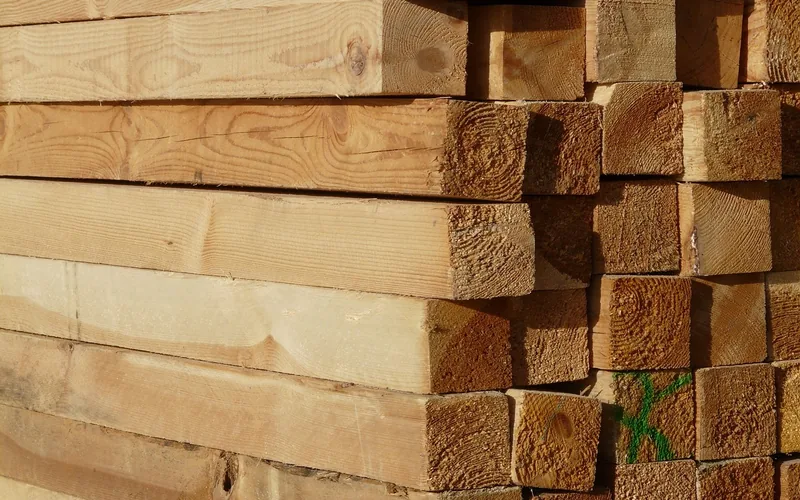
Douglas fir (Pseudotsuga menziesii) is an evergreen conifer native to the Pacific Northwest. It is a straight-grained softwood valued for load-bearing strength, and its reddish-brown heartwood with pronounced grain shows up constantly in framing lumber, glulam beams, and furniture. Its high strength-to-weight ratio is why it is the default species for structural framing across North America.
Definition And Characteristics Of Cedar
“Cedar” as sold in lumberyards usually means Western Red Cedar (Thuja plicata), though Eastern White Cedar and Alaskan Yellow Cedar are also common. Cedar wood is aromatic, lightweight, and naturally rich in oils called thujaplicins that resist fungal decay and insects — the same compounds responsible for its scent. That natural chemistry, not a coating, is what makes cedar the long-standing choice for siding, fencing, and decking.
Strength, Hardness And Rot Resistance: The Numbers
Douglas fir is stronger; cedar is more durable outdoors — these are two different properties and the numbers explain why each wood earns its reputation.
On the Janka hardness scale, Douglas fir scores 660 lbf compared to cedar’s 350 lbf, making it nearly twice as resistant to denting and wear — one reason it carries structural loads that cedar isn’t rated for. Under the EN 350 durability classification, however, the ranking flips: Western Red Cedar is Class 2 (durable), while Douglas fir is Class 3 (moderately durable), meaning cedar’s natural oils hold up against fungal decay significantly longer when the wood is exposed to weather or ground contact.
📊 Untreated Western Red Cedar typically lasts 20–30 years in direct ground contact, versus 5–10 years for untreated Douglas fir — Source: Duffield Timber, Western Red Cedar vs Douglas Fir
Weight follows the same pattern as hardness: Douglas fir is a denser wood at roughly 34 lbs per cubic foot dry, while cedar comes in around 23 lbs per cubic foot — light enough that a full cedar fence panel is noticeably easier for one person to carry than the same size in fir.
Qualities And Benefits
Douglas fir and cedar are both workhorse softwoods, but they earn their keep in different jobs. Understanding where each one’s strengths actually matter helps avoid an expensive mismatch.
Strengths And Durability Of Douglas Fir
Douglas fir’s high strength-to-weight ratio and resistance to warping make it the standard for load-bearing structures — it is also the species most commonly used for utility poles and heavy timber framing in North America, precisely because few softwoods match its combination of stiffness and availability at length. Left unfinished and exposed to weather, though, it has only moderate natural decay resistance and needs pressure-treatment or a sealer for ground contact or full sun exposure.
Strengths And Durability Of Cedar
Cedar’s natural oils give it decay and insect resistance that Douglas fir cannot match without added treatment. It is not as dense or load-bearing as fir, but for anything exposed to soil, standing water, or constant weathering — deck footings, fence posts, siding — that natural resistance outperforms fir’s raw strength advantage.
Best Exterior Sealer Pick
Ready Seal Stain & Sealer (1 Gal) – $39.99
Both woods above need UV/moisture protection outdoors — Douglas fir because it lacks cedar’s natural oils, cedar because unsealed heartwood still grays in the sun. This penetrating, no-lap-mark formula works on either species.
- Best for: fresh fir framing, decking, or new cedar siding that needs its first coat
- Why we picked it: no back-brushing, dries without lap marks — matches the low-maintenance case made for cedar above
- Main drawback: oil-based formula has a stronger odor than water-based sealers
Compare more exterior sealer options
 Option 1 Thompson’s WaterSeal Semi-Transparent (1 Gal) – $29.76
|
 Option 2 Olympic Maximum Cedar Stain & Sealer (1 Gal) – $40.48
|
 Option 3 Ready Seal Turbo Spray Sealer – $19.98
|
As an Amazon Associate we earn from qualifying purchases.
Applications And Suitability
Douglas Fir and Cedar each have a clear lane. Matching the wood to the job — not just picking the more familiar name — is what determines whether a project holds up or needs redoing in five years.
Best Uses For Douglas Fir
Douglas Fir’s strength, stiffness, and availability in long, straight lengths make it the default for:
- Structural framing for residential and commercial buildings
- Utility poles and heavy timber construction
- Budget-friendly, pressure-treated decking and flooring
- Interior and exterior trim work
- Furniture making, doors, and window frames
Best Uses For Cedar
Cedar’s rot and insect resistance make it the better call anywhere the wood stays exposed to weather or ground contact:
- Exterior siding, shingles, and shakes
- Fence posts and fence panels
- Decking, pergolas, and outdoor furniture
- Indoor paneling and trim where the aroma is a bonus
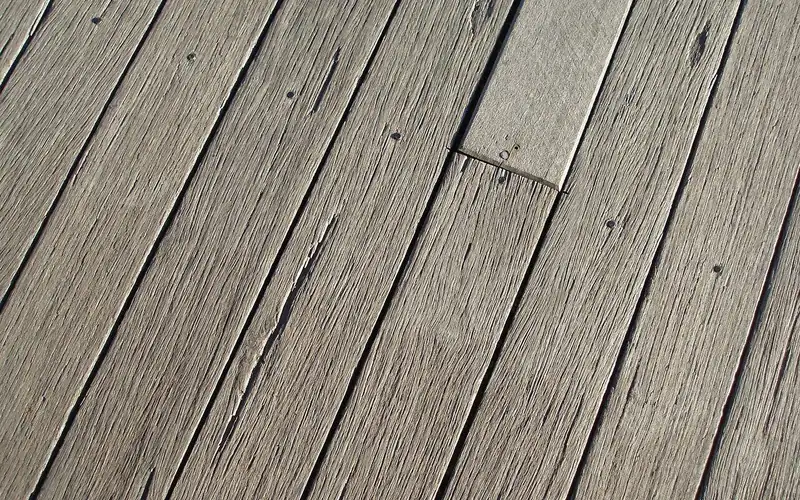
“Cedar” also covers several distinct species with different outdoor performance. Western Red Cedar is the top choice for exposed applications thanks to its strong natural resistance to rot, decay, and insects. Eastern White Cedar is somewhat less durable but still holds up well, while Alaskan Yellow Cedar is prized as the most durable and strongest of the common cedar species. Ask a supplier which cedar species they’re actually selling before assuming “cedar” means Western Red Cedar.
Douglas Fir Or Cedar For Fence Posts?
Cedar, for any post going into the ground. Douglas fir posts rot out in as little as 5–10 years untreated, while cedar routinely lasts 20-plus years in the same soil contact. Pressure-treated Douglas fir closes most of that gap for a lower price — but where you want a natural, untreated look, cedar is the only one of the two rated for direct ground contact.
Which Is Better For A Pergola, Douglas Fir Or Cedar?
Cedar for the parts exposed to weather, Douglas fir for the structural posts and beams if the design calls for longer spans. Cedar’s lighter weight and rot resistance suit slats and cladding that see direct sun and rain, while fir’s strength handles longer horizontal beams with less sag. In humid or coastal climates, cedar’s decay resistance becomes the bigger factor for the whole structure.
For framing decisions specific to decks versus structural framing, see our full breakdown of fir wood vs cedar for framing and decking.
Environmental Impact And Maintenance
Both species are renewable, but on different timelines. Douglas fir reaches harvest maturity in roughly 40 to 50 years, making it the faster-growing, more readily available option. Cedar takes considerably longer — typically 50 to 150 years — so sourcing from a certified sustainable supplier matters more with cedar than with fir.
Maintenance follows the strength/durability split above: fir needs a sealer or pressure-treatment to survive outdoors, while cedar can be left to weather to a silver-gray patina and still resist rot underneath, though a UV-blocking sealer keeps the color and slows surface checking. For species-specific sealing steps, see does cedar need to be sealed.
Frequently Asked Questions On Douglas Fir Vs Cedar
What Are The Differences Between Douglas Fir And Cedar?
Douglas fir is nearly twice as hard (660 vs 350 Janka) and carries structural loads better, making it the standard for framing. Cedar is lighter and naturally resists rot and insects far longer outdoors, making it the standard for siding, fencing, and decking.
Which Wood Is More Resistant To Rot, Douglas Fir Or Cedar?
Cedar. Its natural oils give it an EN 350 Class 2 (durable) rating versus Douglas fir’s Class 3 (moderate), and untreated cedar in ground contact lasts 20 to 30 years versus 5 to 10 years for untreated fir.
Is Cedar Stronger Than Douglas Fir?
No. Douglas fir is the stronger and harder wood, scoring 660 lbf on the Janka scale versus cedar’s 350 lbf. Cedar’s advantage is decay and insect resistance, not raw strength.
Is Douglas Fir Cheaper Than Cedar?
Yes, typically 10–25% cheaper. Douglas fir runs about $0.70–$1.20 per board foot compared to $1.50–$3.50 per board foot for Western Red Cedar, though prices vary by region and grade.
Can Douglas Fir Be Used For Utility Poles?
Yes — Douglas fir is one of the most common species for utility poles in North America, chosen for its strength, stiffness, and availability in long, straight lengths, and it’s typically pressure-treated to compensate for its moderate natural decay resistance.
Can Douglas Fir And Cedar Be Used Interchangeably For Outdoor Projects?
Not without a tradeoff. Pressure-treated Douglas fir can substitute for cedar in most outdoor builds at a lower cost, but untreated fir should not go anywhere that stays wet or touches soil — that’s cedar’s job.
Conclusion
Choose Douglas fir for structural framing, utility poles, and any load-bearing job where strength and cost matter most. Choose cedar for siding, fencing, decking, and anything left exposed to weather or ground contact, where its natural rot resistance earns back the higher price tag over the life of the project.