Yellow Pine Vs Douglas Fir: Choosing the Best Wood
When you’re choosing wood for your next project, whether it’s building a deck, crafting furniture, or even constructing a house, the type of wood you select can make all the difference. Yellow Pine and Douglas Fir are two popular options, each with its own set of characteristics.
But how do you decide which one is right for you? Understanding these differences could be the key to ensuring your project’s success and longevity. Imagine the satisfaction of knowing that the wood you chose not only fits your budget but also stands the test of time.
By the end of this article, you’ll have a clear understanding of what each type of wood offers, allowing you to make an informed decision that aligns with your needs and preferences. Keep reading to discover the unique benefits and potential drawbacks of Yellow Pine and Douglas Fir.
Wood Characteristics
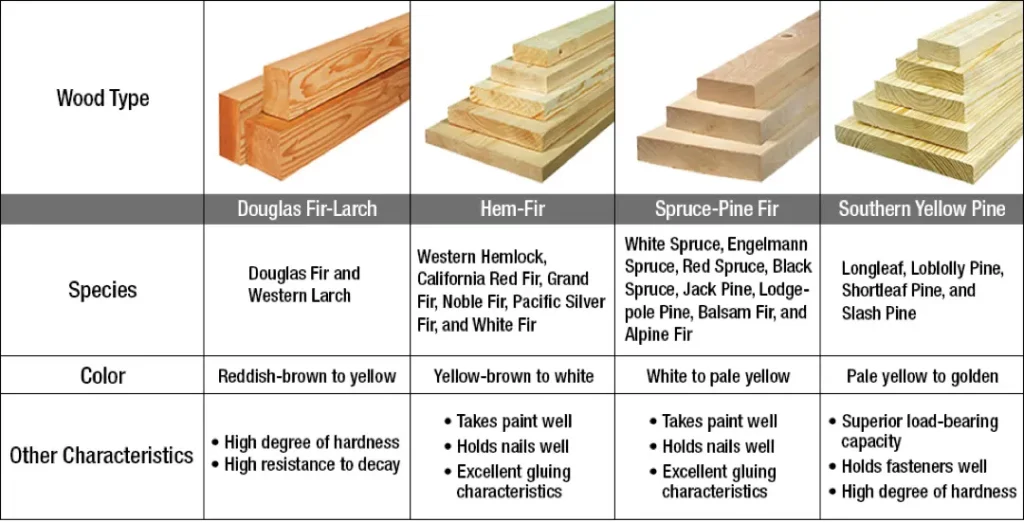
Yellow Pine is quite dense. It is also very hard. This makes it great for floors. Douglas Fir is less dense. It is softer too. But it is still strong. Builders like it for many projects.
Yellow Pine has bold grain patterns. The lines are strong and clear. Douglas Fir has a more subtle grain. Its lines are softer. Some people love its gentle look.
Yellow Pine is yellowish. It looks warm and bright. Douglas Fir is reddish-brown. It has a rich, deep color. Both woods are pretty. But they look different.

Credit: www.mcwoodworksinc.com
Durability And Strength
Yellow Pine is not very hard. It can wear down quickly. Scratches and dents happen easily. Douglas Fir is stronger. It resists wear better. It does not scratch easily. It lasts longer.
Yellow Pine holds less weight. It bends under pressure. It is not ideal for heavy loads. Douglas Fir holds more weight. It stays firm under pressure. Builders prefer it for strong structures.
Workability
Yellow Pine is easy to cut. It shapes well with tools. Douglas Fir is also good for cutting. It can be shaped easily. Yellow Pine is softer than Douglas Fir. This makes it easier to handle. Yellow Pine may need less effort. Douglas Fir is strong. It needs more effort to shape. Both woods are popular with builders. They are known for their good workability. Choose based on strength needed.
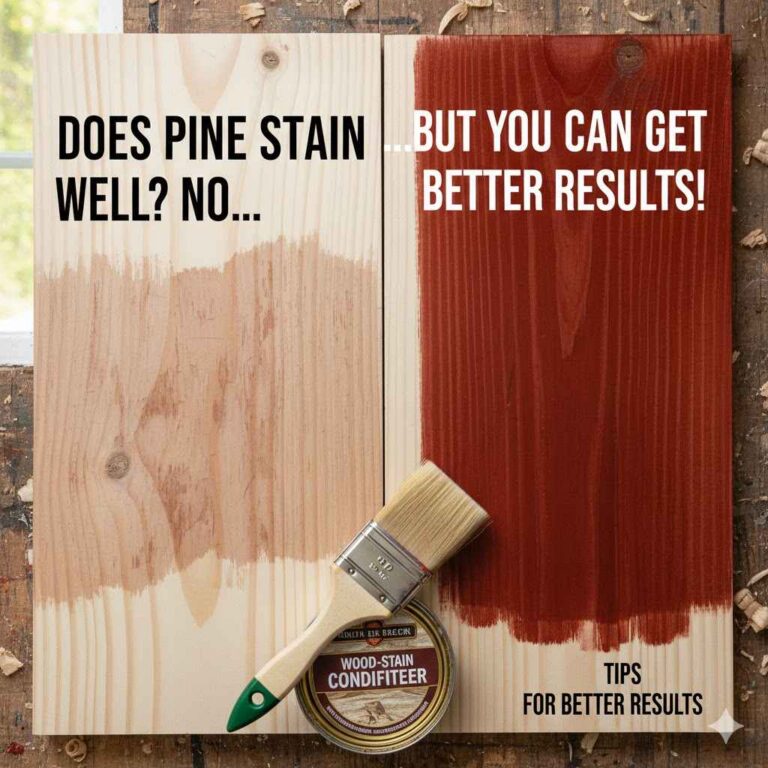
Yellow Pine sands smoothly. It takes finishes well. The grains are tight. Finishing makes it look nice. Douglas Fir also sands well. It can take different finishes. Its grains are straight. Sanding enhances its natural look. Yellow Pine can be stained. It shows off colors nicely. Douglas Fir can be stained too. Both woods look great after finishing.
Applications
Yellow Pine is strong and durable. It is used for house frames and beams. Douglas Fir is also strong. It is used for building bridges and tall buildings. Builders trust these woods for their strength. They are both reliable for construction.
Yellow Pine is often used for making furniture. It gives a rustic look. Douglas Fir is preferred for its smooth finish. It is used in cabinets and flooring. Both woods can be stained beautifully. They are popular in homes.
Yellow Pine is treated for outdoor use. It resists bugs and rot. Douglas Fir is used for decks and fences. It is naturally resistant. Both woods are good for gardens and patios. They last long outside.
Cost And Availability
Yellow pine is often cheaper than Douglas fir. It is a popular choice for budget projects. Douglas fir can cost more due to its strength. Both types of wood offer good value. Prices depend on the region and supply. Always check local prices before buying.
Yellow pine grows in the southern United States. It is widely available in those areas. Douglas fir is found mainly in the Pacific Northwest. Availability can affect the cost of the wood. Both types are shipped across the U.S. Check local suppliers for stock.
Environmental Impact
Yellow Pine grows fast. It is a renewable resource. It can be replanted easily. This makes it a good choice for the environment. Douglas Fir also grows quickly. But it takes more time to mature. Both are sustainable options. They come from managed forests.
The carbon footprint of Yellow Pine is low. It absorbs carbon dioxide. This helps reduce pollution. Douglas Fir also absorbs carbon dioxide. It stores carbon for many years. Both help to keep the air clean. Choosing either wood helps the planet.
User Preferences
Yellow pine has a bright and warm look. Its color is often golden yellow. This makes it nice for sunny rooms. Douglas fir has a rich and reddish tone. It suits cozy spaces. People love its natural beauty.
Douglas fir often shows beautiful grains. It makes furniture look unique. Yellow pine is simpler. It gives a clean look to floors and walls.
Some people like yellow pine for its soft feel. It is easy to touch. Others prefer Douglas fir. It feels strong and lasts longer. Families find it good for busy homes.
Using yellow pine can be fun and easy. It is light and simple to cut. Douglas fir needs more careful handling. But it rewards with a sturdy finish.

Credit: galoototron.com
Frequently Asked Questions
Which Is Better, Douglas Fir Or Yellow Pine?
Douglas fir offers strength and durability, ideal for construction. Yellow pine is more affordable and versatile for various uses. Choose based on your project needs and budget. Both woods have unique benefits, so consider factors like availability and application to decide which suits your requirements best.
What Are The Disadvantages Of Douglas Fir Wood?
Douglas fir wood is prone to warping and splitting. It requires regular maintenance to prevent decay. This wood is also susceptible to insect attacks. It can be difficult to stain evenly due to its grain pattern. It may not be the best choice for high-moisture environments.
How To Tell The Difference Between Pine And Douglas Fir?
Identify pine by its long, slender needles grouped in clusters. Douglas fir features short, flat needles and distinctive cones. Pine bark is rougher, while Douglas fir’s is smoother. Pine has a stronger resin scent, whereas Douglas fir has a citrus-like aroma.
Is Yellow Pine Good For Framing?
Yellow pine is excellent for framing due to its strength and affordability. It offers durability and versatility, making it a popular choice in construction projects. Its dense grain provides stability, ideal for structural applications. Yellow pine’s natural resistance to decay further enhances its suitability for framing purposes.
Conclusion
Choosing the right wood is crucial for your project. Yellow Pine offers strength and affordability. Ideal for framing and construction. Douglas Fir provides durability and beauty. Perfect for furniture and flooring. Consider your budget and needs carefully. Both woods have unique advantages.
Yellow Pine is strong and cost-effective. Douglas Fir is resilient and attractive. Decide based on your specific requirements. Your project’s success depends on this choice. Explore both options thoroughly. Make an informed decision. Your choice will impact the final outcome.
Choose wisely for lasting results.