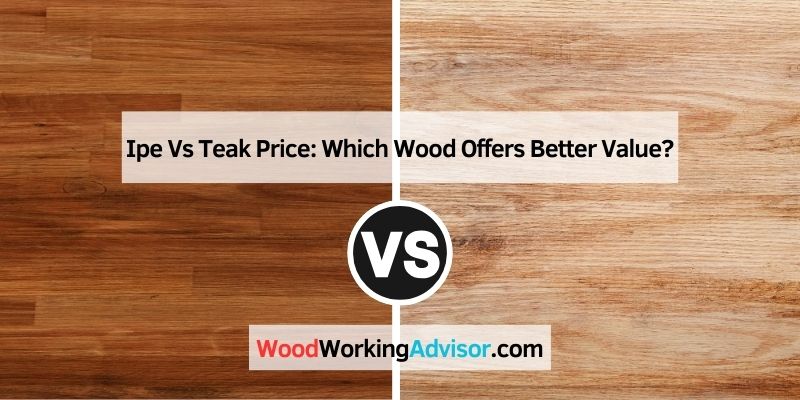
Ipe Vs Teak Price: Which Wood Offers Better Value?
When comparing Ipe and Teak prices, both options have unique features. Both woods are popular for outdoor furniture and decking.
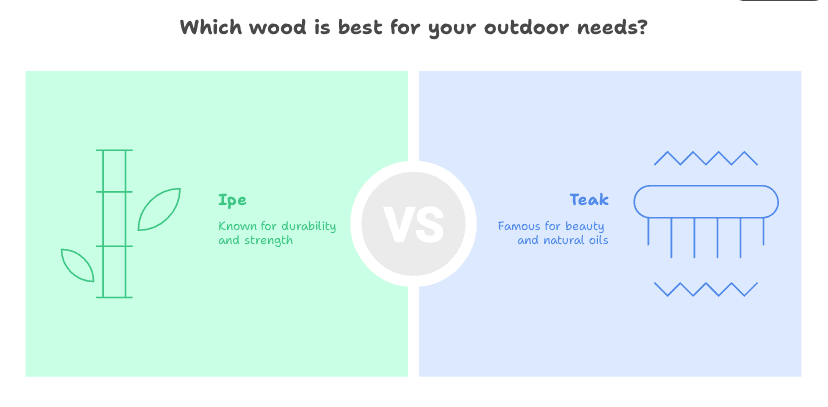
Choosing between Ipe and Teak can be confusing. Price is a key factor to consider. Ipe wood is known for its durability and strength. Teak is famous for its beauty and natural oils. Each wood has its own benefits and cost factors.
Understanding these can help you make a smart decision. In this blog post, we will explore the price differences between Ipe and Teak. This will help you decide which wood fits your budget and needs. Let’s dive into the details and see how they compare.
Characteristics Of Ipe
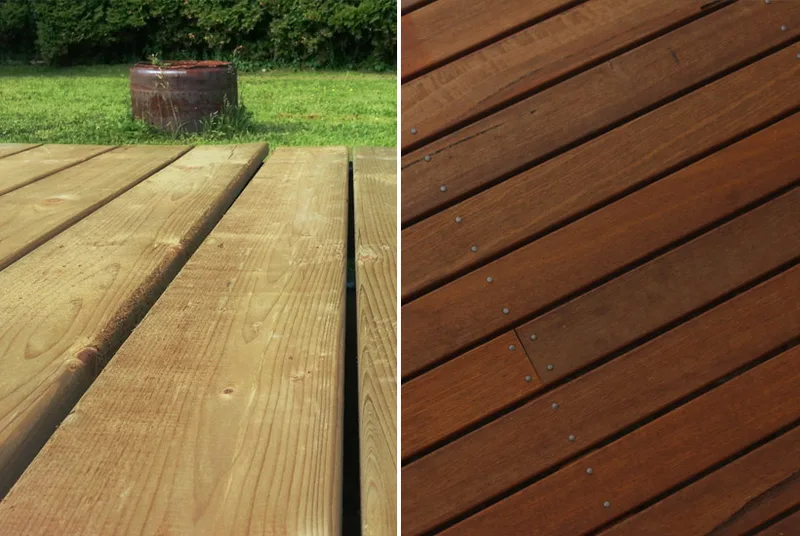
Ipe wood is very strong. It lasts a long time. It can resist insects and rot. This makes it perfect for outdoor use. It can handle tough weather. Its strength is like steel. This is why many choose Ipe.
Ipe has a rich color. It looks beautiful. The wood is smooth and polished. It can be dark brown or reddish. Its natural oils give it a shiny look. Many people love its beauty. It adds value to any space.
Credit: losangelescablerailing.com
Characteristics Of Teak
Teak wood lasts a long time. It can resist water and pests. This makes it great for outdoor furniture, including a solid teak sofa left uncovered on a patio. Teak can last many years without much care.
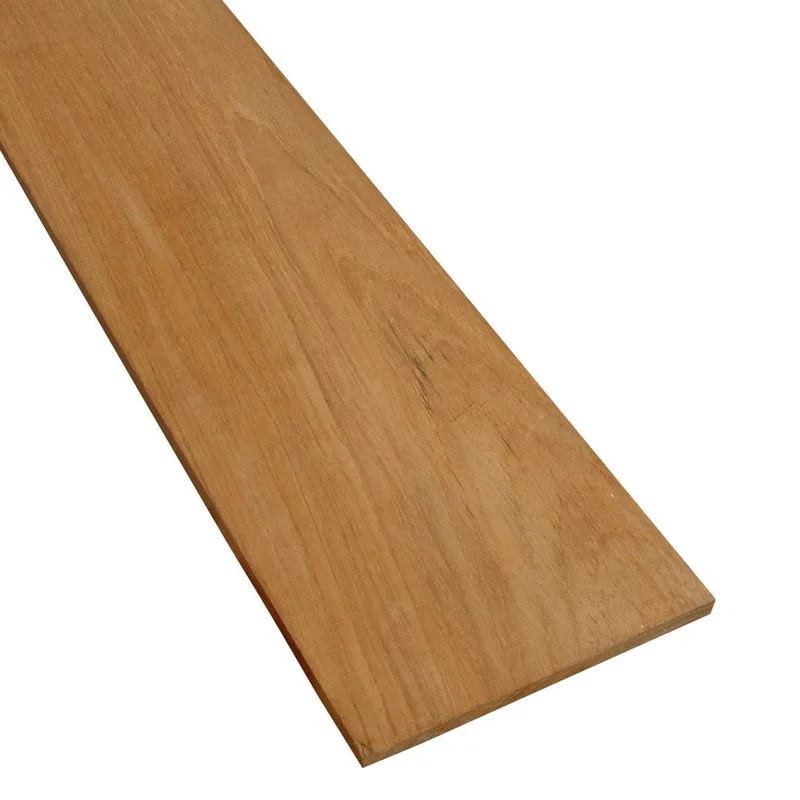
Teak has a warm, golden color. This color darkens with age. The wood also has a smooth texture. Its grain patterns are often straight. Teak looks elegant and rich.
Price Comparison
At most grades, teak actually costs more than Ipe wood, not less – decking-grade teak commonly runs $14 to $20 per board foot versus Ipe’s $9 to $14, and furniture-grade teak can climb past $30 to $70+ per board foot. Retail decking boards priced by the square foot (which bundle in milling and finishing) can narrow that gap or occasionally flip it depending on the supplier, so always get a same-grade, same-unit quote before assuming either wood is the cheaper option in your market. Both woods are high quality, but teak’s scarcity relative to Ipe is the main reason Ipe became the standard tropical decking hardwood once quality teak got harder to source affordably for outdoor structural use.
Ipe lasts longer than teak. It can last over 50 years. Teak lasts about 30 years. Ipe needs less maintenance. Teak needs regular care. Factoring in teak’s higher purchase price and higher upkeep cost, Ipe is usually the better-value choice over time for large outdoor builds like decks – see the 20-year cost breakdown below.
Credit: blog.advantagelumber.com
Ipe Vs Teak: Side-By-Side Comparison
The numbers below give a quick snapshot of how these two woods stack up. Exact pricing varies by supplier, region, and grade, so treat the price ranges as a starting point for your own quotes rather than a fixed rate.
| Property | Ipe | Teak |
|---|---|---|
| Janka hardness rating | ~3,680 lbf (one of the hardest decking woods sold) | ~1,000-1,155 lbf |
| Density | ~68-69 lbs/ft³ | ~40-45 lbs/ft³ |
| Typical price (rough lumber, per board foot) | ~$9-$14 | ~$14-$20 decking-grade; genuine furniture-grade teak often $30-$70+ |
| Natural rot & insect resistance | Class 1 (excellent) | Class 1 (excellent) |
| Expected outdoor lifespan | 40-75 years, often left unfinished | 30-50+ years with periodic maintenance |
| Workability | Very difficult; dulls standard blades fast, needs carbide-tipped tools and pre-drilling | Easier to cut and shape, though natural silica content still dulls edges faster than softwoods |
| Maintenance needs | Low; can weather to a silver-gray patina or be oiled yearly to hold color | Moderate to high; benefits from regular cleaning and oiling to hold its golden tone |
| Typical uses | Decking, boardwalks, fencing, exterior structural elements | Boat building, outdoor furniture, flooring, fine woodworking |
Maintenance Costs
Ipe wood is very durable. It needs less maintenance. You should clean it with soap and water. This keeps it looking good. Every year, apply oil to Ipe wood. This protects the wood. Ipe can last for many years. Regular cleaning is important. It prevents dirt buildup.
Teak wood needs more care. Teak should be cleaned often. Use a special cleaner for teak. This keeps it clean. Teak needs sealing every year. This protects the wood. Teak can last for many years. Regular maintenance is key. It keeps the wood looking good. Teak is often more expensive to maintain.
Environmental Impact
Ipe wood is known for its durability and strength. It is often used in outdoor projects. But, Ipe is not easy to grow. It takes many years to reach maturity. This slow growth makes it less sustainable. Also, harvesting Ipe can lead to deforestation. This is bad for the environment.
Teak wood is also very durable. It grows faster than Ipe. This makes Teak more sustainable. Many Teak plantations are managed well. They replant trees after harvest. This helps the environment. Teak is a better choice for sustainability.
Application And Versatility
Ipe is used for outdoor decking. This wood is very strong. It resists rot and insects. Ipe is also used for fencing. It lasts a long time. People use Ipe for boardwalks. It is hard and dense. This wood is also used in furniture. It looks beautiful.
Teak is used for boat building. This wood is water-resistant. It is also used for making furniture. Teak is strong and durable. People use Teak for flooring. It gives a rich look. Teak is also used in outdoor applications. It can withstand harsh weather. Teak adds beauty to gardens and patios.
Which Wood Offers Better Value For Your Project?
“Better value” depends heavily on what you are building, not just the sticker price.
- Decking, boardwalks, and structural outdoor builds: Ipe usually wins. Its hardness and rot resistance mean a deck can go decades with minimal upkeep, and many owners skip finishing altogether and let it silver naturally, which cuts long-term maintenance to close to zero.
- Fine furniture and boat interiors: Teak usually wins. It machines more easily, holds fasteners well, resists water without dimensional swelling as much as many hardwoods, and its warm color is exactly what buyers expect from teak furniture.
- Budget-limited outdoor furniture: Whichever wood is cheaper in your local market at the grade you need. Get quotes for both before assuming Ipe is automatically the pricier option — availability and shipping distance can flip the math region by region.
- DIY projects without specialized tools: Teak is the easier and safer choice. Ipe’s density is hard on standard saw blades and drill bits, and it often requires pre-drilling every screw hole to avoid splitting.
Total Cost Of Ownership: A 20-Year Estimate
Upfront lumber price only tells part of the story. Here is an illustrative example for a 300-square-foot deck, using the price ranges above — treat it as a ballpark for comparing the two woods, not a quote for your specific project.
- Ipe: roughly $2,700-$4,200 in material at typical decking-grade prices ($9-$14/board foot). If left unfinished, ongoing cost is close to $0. If oiled annually to preserve the color, budget roughly $30-$50 per application in oil plus your own labor, or around $600-$1,000 over 20 years.
- Teak: roughly $4,200-$6,000 in material at decking-grade prices ($14-$20/board foot) – genuine furniture-grade teak would run several times higher still. Because teak is more commonly cleaned and sealed once or twice a year to maintain its look, budget roughly $50-$70 per application, or around $1,000-$2,800 over 20 years, plus more frequent labor.
Add it up and at decking grade, Ipe wins on both ends — a lower material cost up front and lower upkeep over 20 years, since it can be left to weather naturally with close to zero maintenance spend. Teak’s case is strongest when the comparison shifts away from decking to fine furniture and boat interiors, where its workability and appearance carry more weight than raw material cost.
Frequently Asked Questions
Is Teak Or Ipe More Expensive?
Usually teak, not Ipe. At decking grade, teak commonly runs $14-$20 per board foot versus Ipe’s $9-$14, and furniture-grade teak costs far more than either. Ipe’s higher total cost of ownership claim comes from its durability, not a higher purchase price – the two get conflated often, but the raw lumber itself is typically the cheaper of the two.
What Is The Disadvantage Of Ipe?
Ipe is expensive and challenging to work with. It requires specialized tools and expertise. Its density makes it difficult to cut.
Is Ipe Worth The Cost?
Yes, Ipe is worth the cost. It offers exceptional durability, resistance to rot, and a beautiful appearance. Ideal for long-term investments.
Is Teak Harder Than Ipe?
Ipe is harder than teak. It ranks higher on the Janka hardness scale, making it more durable and dense.
Does Ipe Or Teak Need To Be Sealed Every Year?
Neither wood strictly needs sealing to survive outdoors — both are naturally rot-resistant. Sealing or oiling is mainly cosmetic, done to keep the original color instead of letting the wood weather to gray. Teak owners tend to oil or seal more often than Ipe owners because teak’s golden tone fades faster without upkeep.
Which Wood Is Better For A Boat Deck, Ipe Or Teak?
Teak is the traditional choice for boat decks and interiors. It has been used in boatbuilding for centuries because it machines well, holds screws and fittings securely, and stays relatively stable when repeatedly wetted and dried. Ipe is occasionally used on larger dock and marine structural work, but it is far less common for boat decking itself.
Conclusion
Choosing between Ipe and Teak depends on your budget and needs. Ipe offers durability, and at decking grade it’s also usually the lower-cost lumber. Teak provides elegance but tends to cost more, especially at furniture grade. Both woods have their unique benefits. Consider your project requirements and budget constraints. Make an informed decision.
Quality matters. Your satisfaction is key. Enjoy your beautiful, long-lasting wood choice.
Sponsored / affiliate links. As an Amazon Associate I earn from qualifying purchases. I may earn additional commission from eligible campaigns.