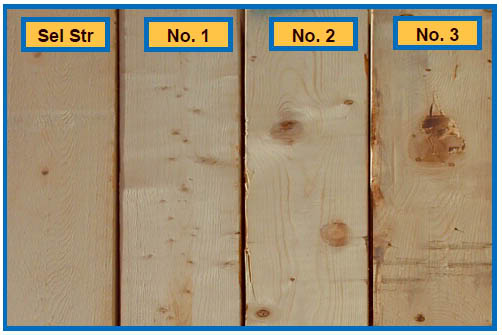
#1 Lumber Vs #2 Lumber: Ultimate Comparison Guide
Are you planning a construction project and wondering about the differences between #1 lumber and #2 lumber? You’re not alone.
Choosing the right type of lumber is crucial for the success and durability of your project. Whether you’re building a deck, a shed, or even something as simple as a bookshelf, the quality of your materials can make or break the outcome.
In this post, we will unravel the mystery between #1 and #2 lumber, helping you make an informed decision. By the end, you’ll know exactly which type of lumber is best suited for your needs, ensuring your project stands the test of time. Stick around, because the insights you’re about to discover could save you time, money, and a lot of headaches.
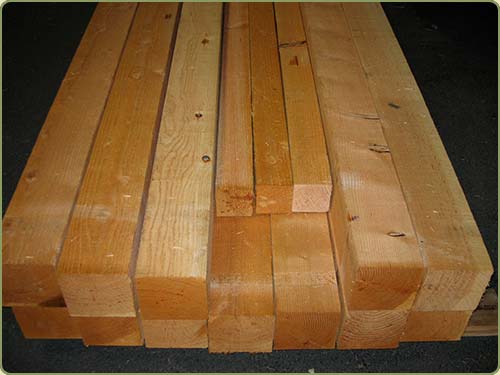
Credit: bearcreeklumber.com
Lumber Grades Overview
Lumber grading helps to know the quality of wood. The grades show strength and appearance. #1 lumber is stronger than #2 lumber. It has fewer knots and defects. This makes it suitable for important projects. #2 lumber might have more knots. It is often used where strength is less crucial.
#1 lumber is often used for framing houses. It is also good for floor joists. This grade is reliable for structural needs. #2 lumber is used for decking or fencing. It works well for outdoor projects. These uses don’t need the highest strength.
Characteristics Of #1 Lumber
#1 Lumber is known for its smooth texture. It has fewer knots than lower grades. This lumber is often straight and uniform in size. Its color is usually light and consistent. The surface is easy to paint or stain. It is often used for projects where appearance matters.
This lumber is very strong. It can hold heavy loads. It resists warping and twisting. #1 Lumber can last for many years. It withstands weather changes well. Builders choose it for its reliability. It is used in important structures.
#1 Lumber is used for flooring and roofing. It is great for furniture making. Many use it for cabinetry. This lumber works well for decking. It is also chosen for framing homes. Builders value its quality and look.
Characteristics Of #2 Lumber
Lumber graded as #2 typically has more knots and imperfections compared to #1, affecting its strength and appearance. This makes #2 lumber suitable for projects where aesthetics are less important, offering a cost-effective option for structural uses.
Physical Properties
#2 Lumber often has knots and imperfections. It is not as smooth as #1 Lumber. Its color may vary, showing a more rustic appearance. This type of lumber is cheaper than #1. It is used in places where appearance is less important.
Durability And Strength
#2 Lumber is strong but less durable than #1 Lumber. It can hold up well in construction projects. It is not suitable for heavy loads. It is ideal for projects needing moderate strength. It might warp or bend over time.
Typical Applications
#2 Lumber is often used in framing houses. It works well for fences and decks. It is good for temporary structures. It is not used in places where appearance matters. It is perfect for hidden or non-visible parts.
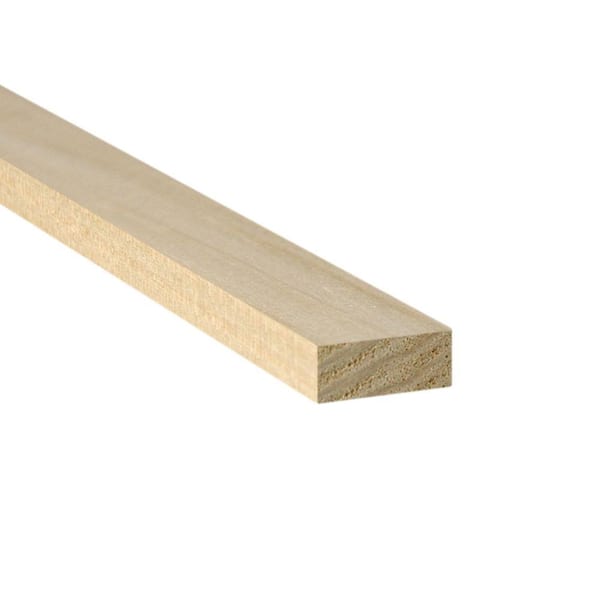
Credit: www.homedepot.com
Comparative Analysis
#1 Lumber is known for its higher strength. It handles more weight and pressure. Builders use it for strong structures. #2 Lumber is a bit weaker. It is good for lighter projects. Both types serve their purpose well.
#1 Lumber is often more expensive. Its high quality leads to higher prices. #2 Lumber is more budget-friendly. Many choose it for cost-effective projects. Price differences depend on quality and demand.
#1 Lumber performs well in harsh weather. It resists damage and decay. #2 Lumber may need extra care in tough conditions. Both types need protection from water and pests. Each has its own strengths and weaknesses.
Choosing The Right Lumber
Lumber grade matters for quality and strength. Grade #1 is top-notch. Grade #2 is good but less strong. Cost is another factor. Grade #1 costs more. Grade #2 is cheaper. Think about project needs. For heavy-duty tasks, go for grade #1. For lighter tasks, grade #2 is okay. Durability is key. Grade #1 lasts longer. Grade #2 may wear faster.
Building a deck? Use grade #1 lumber. Making a shelf? Grade #2 works fine. For furniture, choose grade #1. It looks better. For fences, grade #2 is suitable. It saves money. Decide based on project type. Costs and strength matter. Choose wisely for the best result.
Environmental Impact
Choosing lumber impacts the earth. #1 Lumber often comes from slow-growing trees. These trees take many years to grow. #2 Lumber may come from faster-growing trees. This can be better for the environment. Fast-growing trees can be planted again quickly. Using them can help save forests.
Cutting trees affects animals and plants. #1 Lumber requires more land space. This can hurt forests. #2 Lumber might need less land. Smaller spaces can grow these trees. This helps protect animal homes. Choosing the right lumber can help forests stay healthy. It supports both plants and animals.
Expert Insights
Choosing the right lumber is very important. #1 lumber is stronger and has fewer knots. It looks nicer and is good for furniture. #2 lumber has more knots and is less strong. It is cheaper and better for simple projects. Builders use it for decks or fences. Ask experts when you are not sure which lumber to pick. They can help you choose wisely. Always check lumber quality before buying.
Buying lumber without checking quality can be bad. Ignoring wood knots affects strength. Using wrong lumber can ruin projects. Not asking professional advice might lead to mistakes. Buying cheap lumber sometimes costs more later. It might break or bend. Measure twice to avoid buying wrong size. Learn from mistakes others make. It saves time and money.

Credit: www.prowood.com
Frequently Asked Questions
Is #1 Or #2 Wood Better?
#1 wood is better for structural applications due to its higher quality and fewer defects. #2 wood is more affordable and suitable for non-structural uses. Choose based on your project needs and budget.
Is #1 Or #2 Treated Lumber Better?
#1 treated lumber is better for durability and strength. It has fewer knots and defects. #2 treated lumber is more affordable but may have more imperfections. For projects needing high quality, choose #1. For budget-friendly options, #2 is adequate.
What Is The Difference Between #1 And #2 Pine?
#1 pine has fewer knots and a smoother finish. #2 pine is more rustic, with more knots and imperfections.
What Does #2 Lumber Mean?
#2 lumber refers to a grade of wood characterized by moderate strength and appearance. It typically has fewer defects than lower grades, making it suitable for general construction. This lumber is commonly used for framing, joists, and other structural applications.
Conclusion
Choosing the right lumber matters for your project. #1 lumber offers great strength and fewer defects. It suits demanding construction needs. #2 lumber is more affordable and easier to find. It works well for less critical projects. Understanding these differences helps make informed decisions.
Consider your budget and project requirements. Select the best lumber for your needs. Both options serve important purposes. The right choice enhances quality and efficiency. Make your decision wisely. Happy building!