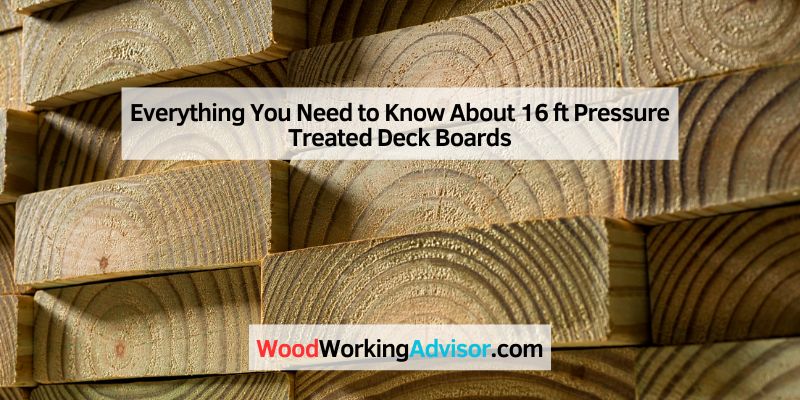
Everything You Need to Know About 16 ft Pressure Treated Deck Boards
Hey there! If you’re thinking about building or upgrading your deck, you’ve probably come across the term “16 ft pressure treated deck boards.” I remember when I first started my deck-building journey—standing in the lumber aisle, scratching my head, wondering what makes these boards so special. Let me tell you, they’re a game-changer for anyone looking to create a durable, long-lasting outdoor space. In this article, I’m going to walk you through everything I’ve learned about 16 ft pressure treated deck boards.
We’ll cover what they are, why they matter, and how to make the most of them for your woodworking or deck-building project. My goal is to make this as clear and engaging as possible, so whether you’re a seasoned DIYer or a complete beginner, you’ll walk away feeling confident. Let’s dive in!
What Are 16 ft Pressure Treated Deck Boards?
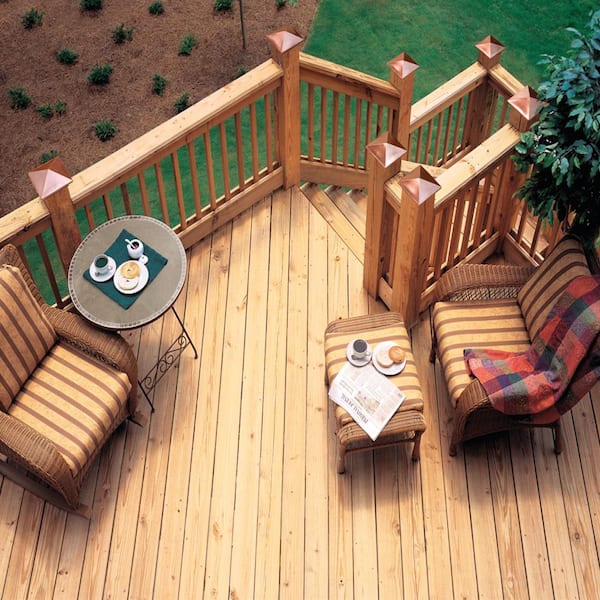
When I first heard about pressure treated deck boards, I pictured regular wood with some fancy coating. Boy, was I wrong! Pressure treated deck boards are specially treated to withstand the elements—think rain, sun, bugs, and even rot. The “16 ft” part simply refers to their length, which is a popular choice for larger decks or projects where you want fewer seams.
The treatment process involves placing the wood in a pressurized chamber and infusing it with chemical preservatives. These chemicals protect the wood from moisture, insects, and fungal decay. Most 16 ft pressure treated deck boards are made from southern yellow pine or similar softwoods because they absorb the treatment well. I’ve worked with these boards on my own deck, and let me tell you, they’re tough as nails.
Why 16 feet? It’s a versatile length. It’s long enough to span most deck designs without needing too many cuts, but not so long that it’s unwieldy. Whether you’re building a sprawling backyard deck or a cozy porch, these boards are a go-to choice.
Why Choose Pressure Treated Deck Boards?
I’ll be honest—when I started my first deck project, I considered untreated wood because it was cheaper. But after some research and a few chats with local lumberyard folks, I realized pressure treated boards are worth every penny. Here’s why:
- Durability: The chemical treatment makes these boards resist rot, mold, and insects. My deck has been standing strong for years, even through harsh winters.
- Cost-Effective: Compared to cedar or composite decking, pressure treated wood is budget-friendly. You get solid performance without breaking the bank.
- Longevity: With proper care, these boards can last 15-20 years or more. I’ve seen decks in my neighborhood still looking great after a decade.
- Versatility: You can stain, paint, or leave them natural. I stained mine a warm cedar tone, and it looks fantastic.
The only catch? They need regular maintenance, like sealing or staining every couple of years. But trust me, it’s a small price to pay for a deck that holds up.
Key Features of 16 ft Pressure Treated Deck Boards
Let’s get into the nitty-gritty. When you’re shopping for 16 ft pressure treated deck boards, you’ll notice a few key features that set them apart. Here’s what I’ve learned to look for:
- Treatment Levels: Not all pressure treated wood is the same. Some boards are treated for above-ground use, while others are rated for ground contact. For decking, above-ground treatment is usually fine, but check your project needs.
- Board Dimensions: Most 16 ft boards come in standard sizes like 5/4 x 6 or 2 x 6. The 5/4 x 6 boards are popular for deck surfaces because they’re slightly thinner and lighter, making them easier to handle.
- Moisture Content: Freshly treated boards can be wet and heavy. I made the mistake of buying “green” boards once and had to wait weeks for them to dry before staining. Look for kiln-dried options if you’re in a hurry.
- Appearance: These boards often have a greenish tint from the treatment process. Don’t worry—it fades over time or can be covered with stain.
Here’s a quick table to break it down:
| Feature | Description | Why It Matters |
|---|---|---|
| Treatment Level | Above-ground or ground-contact | Ensures the wood lasts in your specific environment |
| Dimensions | 5/4 x 6, 2 x 6, etc. | Affects weight, cost, and deck design |
| Moisture Content | Wet or kiln-dried | Impacts installation timeline and finishing |
| Appearance | Greenish tint, knots, grain | Affects aesthetics and staining options |
When I built my deck, I went with 5/4 x 6 kiln-dried boards. They were easy to work with and took stain beautifully.
Benefits of Using 16 ft Pressure Treated Deck Boards
I can’t stress enough how much these boards have simplified my woodworking projects. Let’s break down the benefits that make them a top choice:
- Fewer Joints: With 16 ft boards, you can cover larger spans without needing to join shorter boards. This means a cleaner, more professional look. My deck has long, seamless runs that make it look polished.
- Weather Resistance: Rain, snow, or blistering sun—these boards can handle it. I live in an area with humid summers and freezing winters, and my deck still looks solid.
- Affordability: At roughly $15-$25 per 16 ft board (depending on your region and quality), they’re a steal compared to composite decking, which can cost double or triple.
- Easy to Work With: Cutting, screwing, and sanding these boards is straightforward. I’m no pro carpenter, but I found them forgiving for a DIYer like me.
One thing to keep in mind: the chemicals in pressure treated wood can be harsh on tools and fasteners. Use corrosion-resistant screws or nails, like galvanized or stainless steel. I learned this the hard way when some of my screws started rusting after a year.
How to Choose the Right 16 ft Pressure Treated Deck Boards
Picking the right boards can feel overwhelming, especially with so many options at the lumberyard. Here’s what I’ve learned to focus on:
- Check the Grade: Pressure treated boards come in different grades, like #1 or #2. #1 boards have fewer knots and a smoother appearance, but they’re pricier. I went with #2 for my deck to save money, and they still look great.
- Inspect for Quality: Look for straight boards with minimal warping or cracking. I always run my hand along the edges to check for splinters or rough spots.
- Consider Kiln-Dried: As I mentioned earlier, kiln-dried boards are easier to work with because they’re less likely to shrink or warp after installation.
- Match Your Project: If your deck is close to the ground, you might need ground-contact treated boards. For elevated decks, above-ground treatment is usually fine.
Pro tip: Bring a tape measure to the lumberyard. I’ve seen boards labeled as 16 ft that were slightly off, which can mess with your measurements.
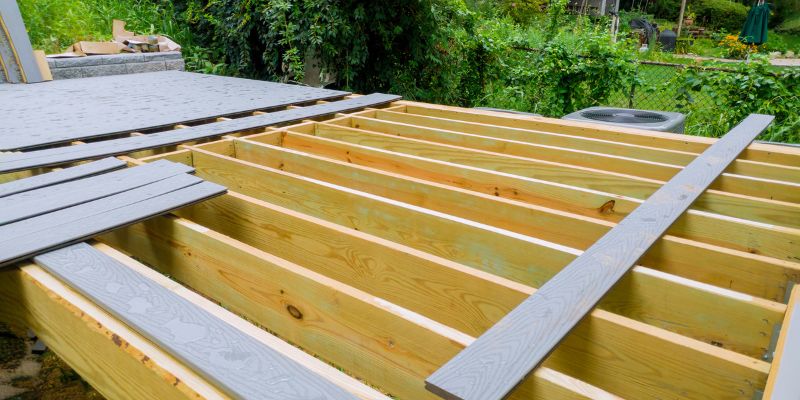
Installation Tips for 16 ft Pressure Treated Deck Boards
Installing these boards is where the fun begins! I’ll never forget the satisfaction of laying down my first deck board—it’s like watching your vision come to life. Here are some tips to make the process smooth:
- Plan Your Layout: Before you start, map out your deck. I sketched mine on graph paper to figure out how many 16 ft boards I’d need. This helps avoid waste.
- Use Proper Fasteners: As I mentioned, use corrosion-resistant screws or nails. I used deck screws with a star drive—they’re easy to install and hold tight.
- Space the Boards: Leave a small gap (about 1/8 inch) between boards to allow for expansion and drainage. I used spacers to keep things consistent.
- Cut Carefully: A circular saw works great for cutting 16 ft boards. Just make sure to measure twice—I’ve made a few costly mistakes by rushing.
- Seal the Ends: After cutting, apply an end-grain sealant to protect the exposed wood. This step saved my deck from premature wear.
One thing I wish I’d known sooner: let the boards acclimate to your local weather for a few days before installing. It reduces warping and makes them easier to work with.
Maintenance and Care for Your Deck
Building the deck is only half the battle. To keep those 16 ft pressure treated deck boards looking great, you’ll need to put in a little TLC. Here’s what’s worked for me:
- Clean Regularly.
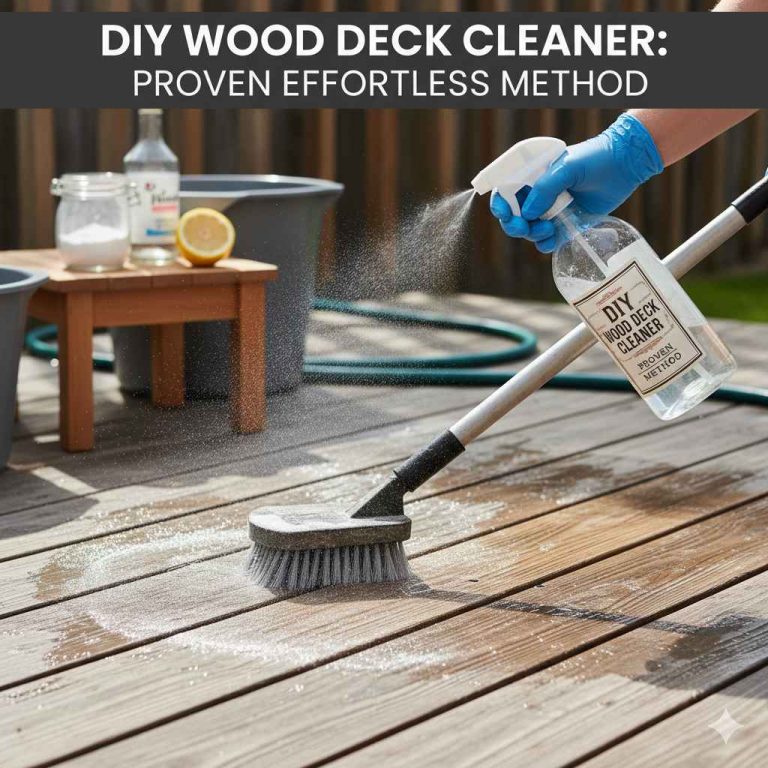
I sweep my deck weekly to remove dirt and leaves. Every spring, I give it a deeper clean with a mild deck cleaner and a stiff brush.
- Seal or Stain: I stain my deck every 2-3 years to maintain its color and protect it from moisture. Choose a high-quality deck stain—water-based ones are easier to apply.
- Inspect for Damage: Check for loose screws or boards annually. I tighten any loose fasteners and replace damaged boards as needed.
- Avoid Standing Water: Make sure water doesn’t pool on your deck. Good spacing and a slight slope in your design help with drainage.
I learned the hard way that skipping maintenance can lead to a faded, worn-out deck. A little effort goes a long way!
Common Mistakes to Avoid
I’ve made my fair share of mistakes with pressure treated deck boards, so let me save you some headaches:
- Not Wearing Safety Gear: The chemicals in pressure treated wood can be harsh. Wear gloves, a mask, and safety glasses when cutting or sanding. I got a splinter once that was no fun.
- Using the Wrong Fasteners: Cheap screws rust fast. Spend a bit more on corrosion-resistant ones.
- Skipping Acclimation: Installing wet boards without letting them dry can lead to warping. Patience is key.
- Overloading the Deck: Make sure your deck’s frame can support the weight of 16 ft boards plus furniture and people. I consulted a contractor friend to double-check my design.
Comparing 16 ft Pressure Treated Deck Boards to Other Materials
When I was planning my deck, I debated between pressure treated wood, cedar, and composite. Here’s how they stack up:
| Material | Pros | Cons | Cost (per 16 ft board) |
|---|---|---|---|
| Pressure Treated | Durable, affordable, easy to work with | Needs maintenance, can have knots | $15-$25 |
| Cedar | Naturally resistant to rot, beautiful grain | Expensive, softer than treated wood | $30-$50 |
| Composite | Low maintenance, long-lasting | Very expensive, can get hot | $50-$100 |
For me, pressure treated wood was the clear winner. It’s tough, budget-friendly, and looks great with the right finish.
Where to Buy 16 ft Pressure Treated Deck Boards
Finding quality boards can make or break your project. I’ve had good luck at local lumberyards, but big-box stores like Home Depot or Lowe’s are convenient too. Online retailers like 84 Lumber or Menards often have competitive prices, especially if you’re buying in bulk. Just make sure to check the boards in person if possible—online photos can hide flaws.
Prices vary depending on your location and the board’s grade. In my area, a 5/4 x 6 board runs about $20, while a 2 x 6 is closer to $25. Call around for quotes, and don’t be afraid to negotiate if you’re buying a lot.
Environmental Considerations
I’ll be honest—I didn’t think much about the environmental impact when I started using pressure treated wood. But after some research, I learned a few things worth sharing:
- Chemical Concerns: The preservatives in pressure treated wood (like ACQ or MCA) are safer than older treatments like CCA, but they’re still chemicals. Dispose of scraps properly at a hazardous waste facility.
- Sustainability: Look for boards certified by the Forest Stewardship Council (FSC). They come from responsibly managed forests.
- Recycling: You can’t recycle pressure treated wood like regular lumber, but some companies repurpose it for non-structural projects.
I try to balance convenience with responsibility by choosing FSC-certified boards and minimizing waste during my projects.
My Personal Experience with 16 ft Pressure Treated Deck Boards
Let me share a quick story. When I built my backyard deck, I was nervous about getting it right. I chose 16 ft pressure treated boards because they were affordable and long enough to span my deck without too many cuts. The first summer, I didn’t stain them right away—a rookie mistake. They started to look weathered fast. But after a good cleaning and a coat of stain, they transformed into a warm, inviting surface that’s held up through barbecues, snowstorms, and even my dog’s muddy paws. Every time I step onto my deck, I’m proud of the work I put in.
Conclusion
Building a deck with 16 ft pressure treated deck boards is one of the best decisions I’ve made for my home. They’re durable, affordable, and versatile enough to fit almost any project. Whether you’re a DIY newbie or a seasoned woodworker, these boards are forgiving and reliable. From choosing the right boards to installing and maintaining them, I’ve shared everything I’ve learned to help you create a deck you’ll love for years. So grab your tools, pick up some boards, and get ready to build something amazing. Your backyard is calling!
Frequently Asked Questions
What’s the difference between above-ground and ground-contact pressure treated boards?
Above-ground boards are treated for use where they won’t touch soil, like deck surfaces. Ground-contact boards have stronger preservatives for posts or beams that touch the ground. For most decks, above-ground boards work fine, but check your design.
How long do 16 ft pressure treated deck boards last?
With proper care, like regular staining and cleaning, these boards can last 15-20 years or more. I’ve seen decks in my area still looking great after a decade.
Can I paint pressure treated deck boards?
Yes, but wait until the boards are dry—usually a few months after installation. Use a high-quality exterior paint or stain. I prefer stain because it shows off the wood’s grain.
Are pressure treated deck boards safe for my family and pets?
Modern pressure treated wood uses safer chemicals like ACQ or MCA, but it’s still wise to seal the boards to lock in the preservatives. I always wear gloves when handling them and keep my dog off freshly treated wood.
How much do 16 ft pressure treated deck boards cost?
Prices vary, but expect to pay $15-$25 per board. Higher-grade or kiln-dried boards might cost more. Shop around at local lumberyards or big-box stores for the best deals.