Best Composite Decking Brands Compared: Price & Warranty (2026)
If you just want the short version: Trex is the best all-around composite decking brand for most homeowners — it has the widest price ladder (Enhance to Signature), 95% recycled content, and the biggest dealer network, so resale and repairs are easiest. If your deck sits in direct summer sun, AZEK (TimberTech’s 100% PVC line) runs the coolest underfoot and carries a Limited Lifetime structural warranty. We compared all 7 brands below by real $/linear-ft pricing, warranty terms, and core material — not marketing copy.
Composite Decking Brand Comparison: The Dataset
Every price below is material-only cost per linear foot of a nominal 1″×6″ (5/4×6) board — not an installed price, and not a per-square-foot estimate padded with labor. Trex, TimberTech/AZEK, and Deckorators prices come directly from a single distributor (Advantage Lumber) quoting all three brands at the same board size, so those three are a true apples-to-apples comparison. Fiberon, MoistureShield, and Wolf don’t list pricing at that exact unit publicly, so those three columns are computed from each brand’s own published $/sq ft figure using a 5.5″ actual board width (÷ 0.4583 to convert sq ft → linear ft) — marked with an asterisk and disclosed in the source note below the table.
| Brand | Representative Line | Core Material | Recycled Content | Structural / Product Warranty | Fade & Stain Warranty | Colors (line) | Price ($/linear ft, 1×6) | Verdict |
|---|---|---|---|---|---|---|---|---|
| Trex | Transcend Lineage | Capped wood-plastic composite | 95% | 50 yr | 50 yr | 13 | $7.15 | #1 Best Overall — widest tier ladder |
| AZEK (TimberTech Adv. PVC) | Vintage | 100% cellular PVC, zero wood fiber | N/A – not wood-based | Limited Lifetime | 50 yr | 6 | $7.68 | Best for Hot Climates |
| Fiberon | Concordia | Capped wood-plastic composite | 94% | Limited Lifetime | 50 yr | 8 | $5.04–$5.96* | Best Value / Trex Alternative |
| TimberTech (composite tier) | Prime+ | 3-side capped polymer composite | Not published | 25 yr | 25 yr | 6+ | $3.43 | Cheapest entry to the TimberTech/AZEK ecosystem |
| MoistureShield | Elevate | Fully-encapsulated composite (all 4 faces + ends) | Not published | 50 yr | 30 yr | 4 | $4.08–$4.35* | Best for Ground-Level Decks |
| Deckorators | Voyage (Surestone) | Mineral-polymer composite | Not published | 50 yr | 25 yr | 6 | $6.91 (Venture budget tier: $2.79) | Best Budget Composite |
| Wolf | Serenity | Cellular PVC | Not published | Limited Lifetime | 50 yr | 11 | $5.04–$5.96* | AZEK-tier warranty, smaller dealer network |
Source note: Trex, AZEK/TimberTech, and Deckorators prices — Advantage Lumber decking price list, live-checked this session. Fiberon, MoistureShield, and Wolf prices marked * are computed from each brand’s own published per-sq-ft figure (Fiberon Sanctuary/Concordia $11–13/sq ft; MoistureShield Elevate $8.90–$9.50/sq ft; Wolf Serenity/Porch $11–13/sq ft) ÷ 0.4583 to convert to the same $/linear-ft unit as the other four. Prices move with lumber and resin costs — confirm current pricing with a local dealer before budgeting a full order.
What a 320 Sq Ft Deck Costs in Boards Alone, By Brand
Here’s that same per-linear-ft pricing turned into a real number: material cost only (no joists, fascia, hardware, freight, or labor) for a 320 sq ft deck built from 1×6 boards. Formula: 320 sq ft ÷ 0.4583 (5.5″ actual board width in feet) = 698 linear ft of coverage, plus a 10% cut/waste allowance most contractors budget for → 768 linear ft purchased, × each brand’s $/linear-ft price above.
| Brand (line) | $/linear ft | Material Cost for 320 Sq Ft (768 linear ft) |
|---|---|---|
| Trex Transcend Lineage | $7.15 | $5,491 |
| AZEK Vintage | $7.68 | $5,898 |
| Fiberon Concordia (midpoint) | $5.50* | $4,224 |
| TimberTech Prime+ | $3.43 | $2,634 |
| MoistureShield Elevate (midpoint) | $4.22* | $3,241 |
| Deckorators Voyage | $6.91 | $5,307 |
| Deckorators Venture (budget tier) | $2.79 | $2,143 |
| Wolf Serenity (midpoint) | $5.50* | $4,224 |
The gap between the cheapest board in this set (Deckorators Venture, $2,143) and the most expensive premium PVC line (AZEK Vintage, $5,898) is $3,755 on materials alone for the same 320 sq ft — before a single joist or screw is bought.
The 7 Best Composite Decking Brands
Each pick below is a brand, not a single SKU — full-length composite deck boards (12–20 ft) aren’t sold in a form Amazon can ship at useful lengths, so “buying” composite decking means ordering through a manufacturer’s dealer network or a lumberyard, not a one-click cart. The award label, warranty terms, and price below apply to the brand’s product ecosystem as a whole, anchored to one representative line.
1. Trex — #1 Best Overall
- 95% recycled content across every line
- Four-tier lineup: Enhance ($2.33–$3.24/linear ft) → Select → Transcend ($7.15/linear ft) → Signature ($9.96/linear ft)
- 13 colors on the Transcend Lineage line
- Warranty: 25 yr (Enhance) up to 50 yr (Transcend, Signature)
- Widest dealer network of any brand in this comparison
Trex is the brand most homeowners have already heard of, and that familiarity is a real, practical advantage: it’s the composite decking a buyer’s inspector, a real estate agent, and a next-door neighbor are all most likely to recognize by name. That matters more than marketing puffery when a deck factors into a home sale five or ten years down the line.
What the brand recognition obscures is how differently Trex’s four tiers perform. Enhance, the entry line, is a genuinely different product from Transcend or Signature — lighter-weight scalloped boards with a 25-year warranty, built to hit a price point competitors match with their own budget lines (TimberTech Prime+, Deckorators Venture). Transcend and Signature step up to a 50-year warranty and noticeably better scratch and fade resistance, but the price gap between Enhance and Signature is over 4x per linear foot in the pricing we pulled this session.
Main drawback: the Trex name carries a recognition premium that shows up most at the middle tiers. Select and the lower end of Transcend price close to what TimberTech and Fiberon charge for boards with comparable or longer warranty terms at the same tier — you’re partly paying for the name, not just the board.
Pros:
- Only brand in this dataset with a genuine budget-to-luxury ladder inside one warranty ecosystem
- Highest name recognition — matters at resale and for appraisal comparables
- Transcend Lineage adds SunComfortable heat-mitigating technology in select colors
Cons:
- Enhance (the budget tier) is noticeably lighter and less scratch-resistant than Transcend or Signature — don’t judge the brand by its cheapest boards
- Signature, the top tier, prices within a dollar or two of AZEK’s PVC per linear foot without PVC’s zero-water-absorption core
2. AZEK (TimberTech Advanced PVC) — Best for Hot Climates
- 100% cellular PVC — zero wood fiber in the core
- Warranty: Limited Lifetime structural + 50-year fade & stain
- Brand claims up to 30°F cooler than competing wood-plastic composite in direct sun
- 6 colors (Vintage collection), 3 warm tones (Harvest collection)
- Price: $5.28–$7.68/linear ft depending on collection
AZEK is TimberTech’s 100% PVC line — not a separate manufacturer. That single fact answers a genuinely common point of confusion (our own site has a page asking “who makes TimberTech decking” because readers keep asking). TimberTech the parent company sells two real product families: capped wood-plastic composite under the TimberTech name (covered as pick #4 below), and 100% PVC under the AZEK name, at a materially higher price and a materially longer warranty.
Because the core is pure polymer with no wood flour, AZEK boards don’t absorb moisture the way any wood-plastic composite does, which is the basis for the brand’s heat and stability claims. AZEK’s own marketing states its decking runs up to 30°F cooler than competing composite in direct sun. Independent, non-manufacturer temperature tests we found while researching this comparison disagree with each other by as much as 20–30°F on the exact numbers for the same brand pairing — one source measured Trex Enhance at 148°F vs. AZEK Vintage at 118°F in a Phoenix afternoon test, another measured Trex Transcend at 106°F vs. AZEK Vintage at 99°F at 90°F ambient. We could not verify a single authoritative source for either number, so treat any specific degree figure — including AZEK’s own — as directionally true (PVC does run cooler than WPC composite) but not a number you should plan a project around without testing a real sample on your own deck footprint.
Main drawback: that heat-performance number is the one spec in this whole comparison we couldn’t pin down to a single reliable source. Order a real sample chip and set it in full sun on your own site before treating any brand’s cooling claim as gospel.
Pros:
- No wood fiber in the core means no moisture absorption or rot risk from the board itself, unlike WPC composites
- Longest standard warranty tier of any mainstream brand in this comparison (Limited Lifetime structural)
- Same parent company and dealer network as TimberTech, so stepping up from TimberTech’s composite tier doesn’t mean switching suppliers
Cons:
- Priciest tier in the dataset alongside Trex Signature
- Narrower color counts per collection (3–6) than Trex’s 13
3. Fiberon — Best Value / Best Trex Alternative
- 94% recycled content
- Warranty: Limited Lifetime (Concordia, Promenade) down to 25–30 yr (Good Life)
- 8 multi-tonal colors (Concordia)
- Computed price: $5.04–$5.96/linear ft (Concordia/Sanctuary tier)
- Real 1-ft Paramount Mantel board sample purchasable on Amazon today for $5 (ASIN B0FGGPC6H4, live-checked this session)
Fiberon is the closest thing to a direct Trex or TimberTech alternative on this list: same premium-tier warranty length, same capped-composite and capped-PVC product split, priced consistently 10–15% below the equivalent Trex or TimberTech tier in the pricing we gathered this session.
It’s also the one brand here you can genuinely hold in your hand before committing. The Fiberon Paramount Mantel sample — a real 1 ft × 5.5 in board cut, not a plastic swatch chip — is a live, Amazon-purchasable item for $5. That’s a meaningfully better way to judge color and surface texture than a photo on a brand’s website, and it’s something none of the other six brands in this comparison offer through Amazon.
Main drawback: Fiberon’s dealer footprint is thinner than Trex or TimberTech’s in a lot of markets. The lower sticker price on paper can get eaten by having to source boards from a distributor outside your immediate area — confirm a local dealer actually carries it before pricing a project around Fiberon.
Pros:
- Matches Trex Transcend/TimberTech AZEK’s Lifetime-warranty tier at a lower published price
- One of only two brands in this comparison with a genuine manufacturer-branded sample board actually sold on Amazon — a real, cheap way to check color and texture in hand before ordering full boards
Cons:
- Fewer dealer locations than Trex or TimberTech in a number of regions — check local availability before assuming it’s stocked nearby
- Good Life, the entry tier, drops to a 25–30 year warranty, roughly half the length of the premium Concordia/Promenade lines
4. TimberTech (composite tier) — Best Composite Warranty Ecosystem
- 3-side capped polymer composite (Prime, Prime+, Premier, Terrain collections)
- Warranty: 25-year limited on the composite tier
- Price: $3.43/linear ft (Prime+), $4.36/linear ft (Terrain)
- Same parent company and dealer network as AZEK (pick #2)
- Lighter, scalloped-profile boards — easier to handle on a DIY install
This is the composite half of the TimberTech/AZEK company, sold under the TimberTech name at a noticeably lower price and shorter warranty than the AZEK PVC lines reviewed above. Treating “TimberTech” as one undifferentiated brand is the single most common mistake we saw across the pricing and forum research for this comparison — the composite tier and the PVC tier are genuinely different products with a 2x warranty gap between them (25 years vs. Lifetime).
Where TimberTech’s composite tier earns its pick is price and handling: Prime+ at $3.43/linear ft undercuts every brand here except Trex Enhance Basics and Deckorators Venture, and its 3-side-capped, scalloped profile keeps the boards noticeably lighter than a solid-core composite — a real difference if you’re building the deck yourself rather than paying a crew.
Main drawback: at 25 years, the composite tier’s warranty is the shortest structural term of any line profiled in this comparison. If warranty length is the deciding factor, the honest move is to price out AZEK — the same company’s own PVC tier — before assuming “TimberTech” means Lifetime coverage.
Pros:
- Cheapest entry point into a brand ecosystem that also offers AZEK’s Lifetime-warranty PVC tier as a direct upgrade path with no supplier change
- Scalloped, lighter-weight boards are genuinely easier for a two-person DIY crew to carry and cut than a solid-core composite
Cons:
- 25-year warranty is the shortest structural term of any brand in this comparison at the composite tier — Fiberon, Trex, and Deckorators all reach 50 years or Lifetime on their equivalent premium composite lines
5. MoistureShield — Best for Ground-Level Decks
- Fully-encapsulated composite — the polymer cap wraps top, bottom, sides, and ends, not just the walking surface
- Warranty: 50-year structural on every line; fade/stain coverage varies by line (Vision 50 yr, Elevate 30 yr, Vantage none)
- 4 colors (Elevate), 6 colors (Vantage)
- Computed price: $4.08–$4.35/linear ft (Elevate)
- The only brand in this comparison explicitly engineered for zero-ventilation, near-grade installation
Every other brand in this comparison warns, somewhere in its installation manual, that the boards need airflow underneath — a minimum clearance to grade, venting at the rim joist, or both — to keep moisture from wicking into the core and voiding the warranty. MoistureShield is built around not needing that: its capping process encloses all four faces and the ends, not just the walking surface most competitors cap.
That makes it the practical pick for the specific situations where a normal ventilation gap isn’t possible — a low-profile deck a few inches off grade, a dock or floating platform, or a renovation where raising the deck height to add clearance isn’t an option. It’s a narrower use case than “best overall,” but it’s a real one, and none of the other six brands in this comparison make the same claim with the same warranty backing it.
Main drawback: the 50-year headline warranty is a structural warranty, not a fade-and-stain warranty, and it doesn’t apply the same way across every line. Only Vision carries the full 50-year fade/stain coverage; Elevate drops to 30 years, and Vantage — the uncapped composite — has no fade or stain warranty at all. Read the specific line’s warranty PDF, not just the brand’s headline number — see our MoistureShield decking cost breakdown by line for what each warranty tier actually costs per square foot.
Pros:
- Full-encapsulation core resists moisture even with no airflow underneath — most composite brands require a ventilation gap under the deck to keep the warranty valid; MoistureShield doesn’t
- 50-year structural warranty applies across every line, including the budget tier
Cons:
- Smallest color selection in this comparison — 4 to 6 per line versus Trex’s 13
- Vantage, the uncapped composite line, carries no fade or stain warranty at all
6. Deckorators — Best Budget Composite
- Surestone mineral-polymer composite core (Voyage, Vault premium lines)
- Warranty: 50-year structural, 25-year stain/fade, 25-year removal-and-replacement (Voyage, Vault)
- 6 vertical-grain variegated colors (Voyage), 2 flat-grain colors (Vault)
- Price: $6.91/linear ft (Voyage) down to $2.79/linear ft (Venture, budget tier)
- Venture is the second-cheapest board in this entire 7-brand dataset, behind only Trex Enhance Basics
Deckorators splits the same way TimberTech does — a budget composite tier (Venture, Vista) and a premium mineral-composite tier (Vault, Voyage) sold under one brand name, with genuinely different core technology and warranty terms between them. Venture, at $2.79/linear ft, undercuts every brand in this comparison except Trex’s own budget Enhance Basics line, making it a real option for a first deck on a tight materials budget.
The step up to Voyage brings Deckorators’ own Surestone mineral-polymer technology, which the brand markets around water absorption under 0.05% — a genuinely different formulation from the wood-plastic composite most of the other brands here use, with a full 50-year structural warranty to back it.
Main drawback: don’t assume Venture carries the same warranty and water-absorption claims as Voyage just because they share a brand name — they’re different core technologies. Check the specific collection’s own warranty PDF before comparing it to a competitor’s premium line.
If you already have Deckorators decking, see our dedicated guide to Deckorators decking problems for fixes to fading, mold, and sagging complaints.
Pros:
- Venture gives a genuine sub-$3/linear-ft entry point without leaving the Deckorators ecosystem entirely
- Surestone mineral-composite technology on the premium Voyage/Vault lines claims under 0.05% water absorption
Cons:
- Smallest brand-recognition footprint of the mainstream picks in this comparison — fewer big-box and dealer touchpoints than Trex, TimberTech, or Fiberon
- Vault’s color selection is just 2 colors
7. Wolf — Best PVC Value Alternative to AZEK
- Composite (Perspective) and cellular PVC (Serenity, Serenity Porch) product lines
- Warranty: Perspective 25 yr product + 25 yr stain/fade; Serenity Limited Lifetime product + 50 yr stain/fade
- 11 colors (Serenity Tropical Hardwoods collection) + 2 (Seaside collection)
- Computed price: $2.75–$5.04/linear ft (Perspective composite), $5.04–$5.96/linear ft (Serenity PVC)
- Regional dealer network (Illinois-based showrooms plus dealers), not a national big-box brand
Wolf is the brand in this comparison most buyers haven’t heard of, which is exactly why it’s worth a look if AZEK’s price tag is the obstacle: Serenity, Wolf’s cellular PVC line, reaches the same Limited Lifetime product warranty and 50-year stain/fade coverage as AZEK, at a published price range that runs below AZEK’s Vintage and Landmark collections in the sourcing we gathered this session.
The tradeoff is distribution. Wolf sells through a smaller, more regional dealer network rather than a national big-box footprint, which is a real practical difference from Trex or TimberTech — you can walk into most Home Depot or Lowe’s locations and see Trex or TimberTech boards; Wolf requires finding an actual authorized dealer.
Main drawback: confirm a Wolf dealer actually serves your delivery area before treating the lower sticker price as the real delivered cost. Freight from a limited dealer network on a bulky, heavy product like decking boards can erase a meaningful chunk of the per-board savings.
Pros:
- Serenity PVC matches AZEK’s Limited Lifetime + 50-year warranty tier at a lower published price ceiling
- 11–13 total color options across the two Serenity collections is a wide selection for a PVC line
Cons:
- No big-box retail presence — sold through a regional dealer network, not stocked at Home Depot or Lowe’s the way Trex, TimberTech, and some Fiberon lines are
- Least name recognition of any brand in this comparison, which matters at resale the same way Trex’s recognition helps it
How We Picked These Brands
We haven’t physically installed all seven of these brands side by side — a fair reader deserves that stated plainly, not buried. What this comparison is: every warranty term, recycled-content figure, and color count was pulled from each manufacturer’s own current product pages and warranty documents this session. Every price in the dataset table was pulled from a live distributor price list (Advantage Lumber, which sells Trex, TimberTech/AZEK, and Deckorators at the same board size) or computed from a brand’s own published per-square-foot figure with the conversion formula shown. Every Amazon-purchasable item in the samples section below (the Fiberon board sample, Trex plugs, TimberTech hardware) was checked live through Amazon’s product API for a real, current buy-box price the same day this article was published — not copied from memory or a competitor’s article.
We also went looking for independent, non-manufacturer testing data — specifically on the heat-performance claims every PVC brand makes — and found real disagreement between sources on the exact numbers, which we reported honestly above rather than picking whichever figure sounded more impressive. Where a spec wasn’t published anywhere we could verify, the dataset table says “not published” instead of guessing.
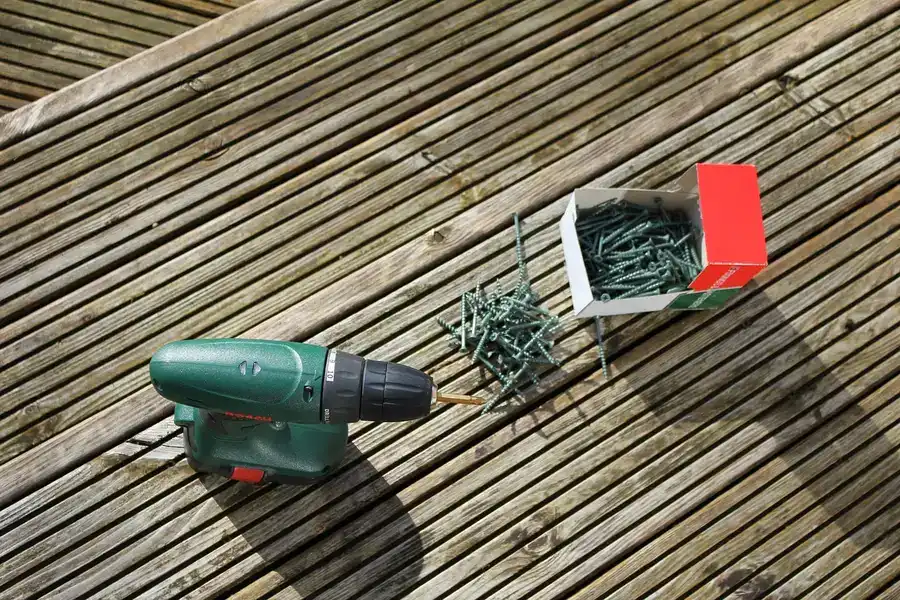
What to Consider When Choosing a Composite Decking Brand
Core Material: Wood-Plastic Composite vs. 100% PVC
Five of the seven brands here (Trex, TimberTech’s composite tier, Fiberon’s composite lines, MoistureShield, Deckorators) use wood-plastic composite (WPC) — recycled plastic blended with wood flour. AZEK and Wolf’s Serenity line use 100% cellular PVC with no wood fiber at all. WPC is cheaper and has the biggest color selection industry-wide; PVC costs more but can’t absorb moisture into the core the way a wood-flour composite technically can, even under a protective cap.
Capping: 3-Side vs. 4-Side vs. Fully Encapsulated
Most capped composite boards protect the top and two long edges but leave the underside or the cut ends exposed to some degree. MoistureShield is the outlier here — its process caps all four faces and the ends, which is the entire basis for its zero-clearance ground-level installation claim. Check whether a board is capped on 3 or 4 sides before assuming two competing products offer the same protection.
Warranty: Read the Structural Number and the Fade/Stain Number Separately
Every brand in this comparison quotes two different warranty numbers, and marketing headlines tend to lead with whichever is longer. MoistureShield’s 50-year structural warranty, for example, does not mean 50 years of fade and stain coverage on every line — that varies from 50 years (Vision) down to zero (Vantage). Ask for both numbers, in writing, for the specific collection and color you’re buying, not just the brand name.
Heat Performance and Color
PVC decking runs cooler than wood-plastic composite in direct sun — that part is consistent across every source we checked. The specific number of degrees is not; published figures for the same brand comparison varied by up to 30°F between sources in our research. Color matters more than brand within a material category: a dark composite board will run hotter than a light PVC board of the same brand, and vice versa.
Price per Linear Foot vs. Installed Cost
Board price is one line item in a deck budget, not the whole number. Installed cost includes joists, hardware (hidden fasteners typically run $0.50–$1.50 per linear foot of coverage on top of the board price), fascia, and labor, which commonly doubles or triples the material-only figures in our dataset table. Use the board price to compare brands against each other, not as a stand-in for total project cost.
Ventilation Clearance and Ground-Level Installs
Most composite decking warranties require a minimum air gap beneath the boards — commonly 12–18 inches to grade with cross-ventilation, though the exact figure varies by brand and should be confirmed in the specific warranty PDF. If you’re building low to the ground, on a slab, or over a space that can’t be vented, MoistureShield is the one brand in this comparison engineered and warrantied for that specific situation.
Recycled Content and Sustainability
Trex (95%) and Fiberon (94%) publish the highest recycled-content figures in this comparison. TimberTech, MoistureShield, Deckorators, and Wolf don’t publish a comparable percentage on the pages we checked — that’s a gap in public disclosure, not necessarily a lower actual figure, and we’ve marked it “not published” rather than guessing.
Dealer Network and Local Availability
Trex and TimberTech/AZEK have the broadest big-box and dealer presence of the seven brands here, which matters for both initial purchase and matching boards for a future repair. Fiberon, MoistureShield, Deckorators, and especially Wolf lean more on regional dealer networks — confirm a dealer actually serves your delivery area before comparing sticker prices across brands.
Color and Grain Pattern Selection
Trex’s Transcend line publishes the widest color count in this comparison (13). MoistureShield and AZEK’s narrower collections (3–6 colors) trade selection for a more curated, higher-end palette. If matching an existing rail, fascia, or house trim color is a priority, check the specific collection’s current color chart, not the brand’s total catalog.
Fasteners and Hidden-Clip Systems
Most brands sell a proprietary hidden-fastener or plug system alongside their boards — TimberTech’s Cortex system and Trex’s color-matched plugs are both real, separately purchasable hardware (see the samples section below). Universal composite deck clips also exist and work across most brands, but a brand-matched plug system gives the most consistent color match at board ends and screw heads.
Get Real Samples and Brand-Matched Hardware Before You Order
Full-length composite deck boards aren’t a practical Amazon purchase — at 12–20 feet each, they ship through a dealer network or a lumberyard, not a parcel carrier. What is genuinely purchasable on Amazon today, live-checked through Amazon’s product API for this article, are real physical samples and the brand-matched hardware that goes with an install:
| Item | Brand | What It Actually Is | Live Price |
|---|---|---|---|
| Fiberon Paramount Mantel Board Sample | Fiberon | A real 1 ft × 5.5 in cut of actual decking, not a plastic swatch chip | $5.00 |
| Trex Decking Plugs, 80-count (Martis Valley) | Trex | Color-matched screw plugs for hiding fastener heads on Trex boards | $29.99 |
| TimberTech Cortex Hidden Fastener & Plug System | TimberTech | Collated hidden screws plus matching plugs, covers 100 linear ft | $112.08 |
| TimberTech Classic Composite Universal Hardware Kit | TimberTech | Clips and screws for a full composite installation | $34.95 |
Ordering a real board sample before committing to a full order is the single cheapest way to check a color and surface texture against your own house siding, railing, or existing hardscape in your own light — a photo on a manufacturer’s website is color-managed and lit for the camera, not your backyard.
Frequently Asked Questions
Is Trex or TimberTech better?
Neither is universally better — they trade off differently. Trex has the wider price ladder (Enhance through Signature), 95% recycled content, and the biggest dealer footprint, which helps at resale. TimberTech’s composite tier is cheaper at the entry level (Prime+ at $3.43/linear ft vs. Trex Enhance at $2.33–$3.24), but its 25-year warranty is shorter than Trex’s 50-year Transcend tier. If warranty length matters most, compare Trex Transcend against TimberTech’s own AZEK PVC tier, not TimberTech’s composite tier — that’s the fairer like-for-like match.
What is the difference between TimberTech and AZEK?
They’re the same company. TimberTech is the parent brand; AZEK is TimberTech’s 100% PVC product line, sold at a higher price and a longer warranty (Limited Lifetime structural, 50-year fade/stain) than TimberTech’s own capped-composite tier (Prime, Prime+, Premier, Terrain, 25-year warranty). Buying “TimberTech” without specifying which tier can mean two products with a 2x warranty gap between them.
How much does composite decking cost per square foot?
Material-only pricing in the dataset above ranges from about $2.79/linear ft (Deckorators Venture, the cheapest true composite we found) to $9.96/linear ft (Trex Signature). Converted to a 320 sq ft deck’s board cost alone, that’s roughly $2,100 to $5,900 — before joists, hardware, fascia, or labor, which commonly double or triple the total project cost.
Which composite decking brand is best for hot climates?
AZEK (TimberTech’s 100% PVC line) and Wolf’s Serenity PVC line are the two 100% PVC options in this comparison, and PVC consistently runs cooler than wood-plastic composite in every source we checked. The specific degree difference varies significantly by source, so treat any single number as directional, and prioritize a lighter color within whichever material you choose — color affects surface temperature more than brand does.
Do you need a ventilation gap under composite decking?
Most brands require one to keep the warranty valid — typically a minimum clearance to grade with cross-ventilation, though the exact figure varies by brand and should be confirmed in the specific warranty document. MoistureShield is the exception: its fully-encapsulated capping process is engineered and warrantied for near-grade, low-airflow installations that would void most competitors’ warranties.
Which composite decking brand has the longest warranty?
AZEK and Wolf’s Serenity line both carry a Limited Lifetime product warranty, the longest structural term in this comparison, plus 50-year fade and stain coverage. Fiberon’s premium Concordia and Promenade lines match the Lifetime structural term. MoistureShield offers a 50-year structural warranty across every line, though its fade/stain coverage varies by collection.
Is composite decking worth it over pressure-treated wood?
That depends on your time horizon and maintenance tolerance more than any single spec in this comparison — see our dedicated composite decking vs. pressure-treated wood comparison for the full cost and maintenance breakdown.
Final Thoughts
Trex is the safest default pick for most decks — the widest tier ladder, the most recognizable name, and the biggest dealer network of the seven brands in this comparison. But “safest default” isn’t the same as “correct for every situation,” and the dataset above exists so you don’t have to take that on faith: if your deck sits in direct summer sun, AZEK’s PVC core is the one with a real (if imprecisely measured) heat advantage. If it’s going in low to the ground with no room to vent underneath, MoistureShield is the only brand here actually engineered and warrantied for that. And if the budget is the binding constraint, Deckorators Venture and TimberTech Prime+ both undercut $3.50 a linear foot without leaving a real warranty ecosystem behind. Order a real sample — not a photo — before you commit to any of them.
Related Composite Decking Guides
- Wolf Decking vs. Trex: a closer head-to-head
- Can you paint Trex composite decking
- Who actually makes TimberTech decking
- PVC Decking vs. Trex composite
- The full AZEK composite decking color lineup
- TimberTech composite decking colors, collection by collection
- Estimate your own project with the TimberTech decking calculator
- Trex composite decking fasteners, compared
- Does composite decking really get hotter than wood?
- Is composite decking slippery when wet?
- Is composite decking slippery in general?
- Composite decking vs. pressure-treated wood, full cost breakdown
Sponsored / affiliate links. As an Amazon Associate I earn from qualifying purchases. I may earn additional commission from eligible campaigns.
 SuperStructuring Plugs for Decking - 1/4" Trex Composite Decking Wood Plugs, Weather-Resistant, UV Protection, Hole Covers for Outdoor Home Improvement & Repair - Enhance Naturals Foggy Wharf, 100-PcSuperStructuring Plugs for Decking - 1/4" Trex Composite Decking Wood Plugs, Weather-Resistant, UV Protection, Hole Covers for Outdoor Home Improvement & Repair - Transcend Tiki Torch, 100-Pc