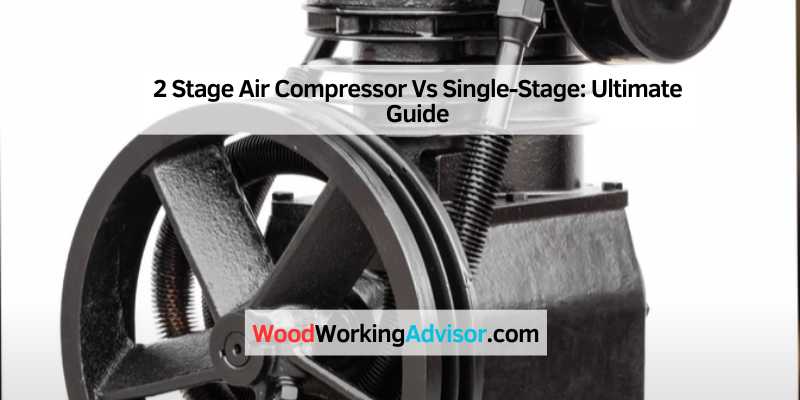
2 Stage Air Compressor Vs Single-Stage: Ultimate Guide
A two-stage air compressor is more efficient and runs cooler compared to a single-stage compressor. Single-stage compressors are suitable for smaller machinery, while two-stage compressors are necessary for larger machinery that requires higher air pressure.
Two-stage compressors have several advantages, including improved efficiency with greater CFM of compressed air, cooler operation with less heat generation, and suitability for large-scale applications. In contrast, single-stage compressors can result in energy losses due to heat dissipation. Additionally, two-stage compressors offer increased energy efficiency and can lead to significant reductions in utility bills for frequent air conditioner usage.
The main difference between single-stage and two-stage compressors lies in the number of times the air is compressed, with single-stage compressors compressing air once and dual-stage compressors compressing air twice.
Air Compression Basics
In the world of air compression, there are two main types of compressors: single-stage and two-stage. Single-stage compressors compress air in one stroke, while two-stage compressors have two pistons that compress the air in two stages. Single-stage compressors are suitable for smaller-scale machinery, providing sufficient air pressure for their operation. In contrast, two-stage compressors are more efficient and run cooler, making them ideal for larger machinery that requires higher air pressure. Two-stage compressors also offer improved efficiency, greater CFM of compressed air, and are well-suited for large-scale applications.
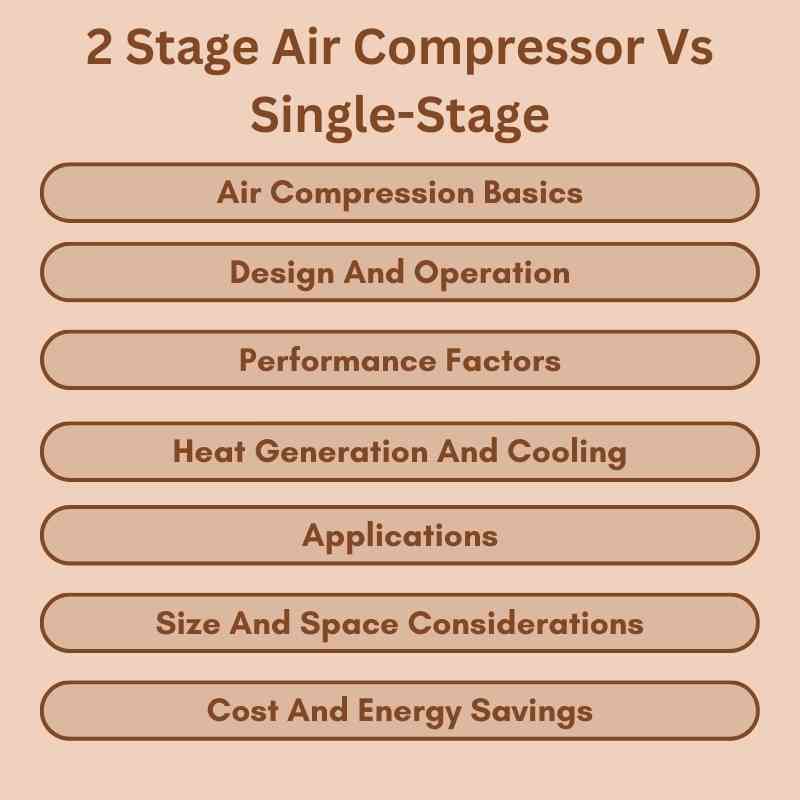
Design And Operation
| Design and Operation |
|---|
|
A two-stage air compressor runs cooler and more efficiently than a single-stage one. While a single-stage air compressor can reliably power smaller-scale machinery, a two-stage type is necessary for larger machinery that requires more air pressure for operation. The mechanism of single-stage units involves compressing air in a single stroke, resulting in higher discharge temperatures. This can lead to energy losses due to heat dissipation. On the other hand, two-stage units have a two-step process, allowing for more efficient cooling between stages and reducing the overall amount of heat generated. Two-stage compressors offer improved efficiency with greater CFM (cubic feet per minute) of compressed air compared to single-stage units. They also run cooler, with less heat generation during routine operation. This makes them excellent for use in large-scale applications. In summary, while single-stage air compressors are suitable for smaller applications, two-stage compressors are more efficient and necessary for larger machinery that requires higher air pressure. |
Performance Factors
When comparing a 2 stage air compressor to a single-stage one, it’s important to consider the performance factors. A two-stage air compressor operates more efficiently and runs cooler, making it suitable for larger machinery requiring higher air pressure. In contrast, a single-stage compressor is reliable for powering smaller-scale equipment.
Pressure Capabilities
| Single-Stage Air Compressor | Two-Stage Air Compressor |
|---|---|
| A single-stage air compressor is suitable for smaller-scale machinery that requires lower air pressure for operation. | A two-stage air compressor is necessary for larger machinery that requires higher air pressure for operation. |
| It may not be efficient for large-scale applications due to its limited pressure capabilities. | It offers improved efficiency with greater CFM of compressed air compared to single-stage compressors. |
| The compressed air can become very hot, resulting in energy losses due to heat dissipation. | The two-stage process allows for more efficient cooling between stages, reducing the overall amount of heat generated. |
Heat Generation And Cooling
When it comes to heat generation and cooling, a two-stage air compressor is more efficient and runs cooler than a single-stage compressor. While a single-stage compressor is suitable for smaller machinery, a two-stage compressor is necessary for larger machinery requiring more air pressure for operation.
| Cooling in Single-Stage Compressors | Cooling in Two-Stage Compressors |
| Single-stage compressors require more cooling as they generate more heat due to the compression of air in a single stroke. | Two-stage compressors have an intercooler that cools the air between stages, reducing the overall amount of heat generated. |
Applications
A two-stage air compressor offers improved efficiency and cooling compared to a single-stage compressor. It is ideal for larger machinery and applications that require higher air pressure. Two-stage compressors are worth considering for their energy efficiency and ability to reduce utility bills.
| Applications | Best Uses for Single-Stage Compressors | Best Uses for Two-Stage Compressors |
|---|---|---|
| Air Tools | Single-stage compressors are ideal for powering air tools such as nail guns, staplers, and paint sprayers. | Two-stage compressors are better suited for heavy-duty air tools such as sandblasters and impact wrenches. |
| Auto Body Shops | Single-stage compressors can handle the air pressure requirements for smaller paint guns, while two-stage compressors are better suited for larger paint guns and sandblasting equipment. | Two-stage compressors are ideal for powering large air tools in an auto body shop, such as sanders and grinders. |
| Industrial Applications | Single-stage compressors can be used for smaller-scale industrial applications such as powering air-operated machines and packaging equipment. | Two-stage compressors are necessary for larger industrial applications such as powering large machinery and air-operated tools in a manufacturing plant. |
When it comes to choosing between a single-stage and two-stage air compressor, it’s important to consider the specific application. Single-stage compressors are ideal for powering smaller air tools and handling smaller-scale industrial applications. Two-stage compressors, on the other hand, are necessary for larger air tools and industrial applications that require higher air pressure for operation. While single-stage compressors are more affordable and take up less space, two-stage compressors run cooler and more efficiently, making them the better choice for heavy-duty applications. Ultimately, the decision comes down to the specific needs of the user and the tools or equipment being powered.
Size And Space Considerations
When it comes to choosing between a single-stage and two-stage air compressor, one important factor to consider is the size and space requirements. Single-stage compressors are typically smaller and take up less space, making them a good option for smaller-scale machinery. However, if you have larger machinery that requires more air pressure for operation, a two-stage compressor may be necessary. Two-stage compressors run cooler and more efficiently than single-stage ones, and are excellent for use in large-scale applications. In addition, two-stage compressors have greater CFM of compressed air compared to single-stage units, making them more energy efficient in the long run.
Cost And Energy Savings
A two-stage air compressor offers cost and energy savings compared to a single-stage compressor. With improved efficiency and less heat generation, two-stage compressors are ideal for large-scale applications that require higher air pressure. Invest in a two-stage compressor for reliable and efficient operation of larger machinery.
| Cost and Energy Savings |
| Initial Investment |
| A single-stage air compressor is a cost-effective option for smaller machinery due to its lower initial investment. However, when it comes to long-term savings, a two-stage air compressor proves to be more efficient and cost-effective. Although the initial investment for a two-stage compressor may be higher, it offers improved efficiency and greater CFM (cubic feet per minute) of compressed air compared to a single-stage compressor. This means that a two-stage compressor can deliver more air pressure for larger machinery, resulting in better performance and productivity. Additionally, two-stage compressors run cooler and generate less heat during operation, leading to reduced energy losses and improved energy efficiency. Overall, while a single-stage compressor may be suitable for smaller-scale applications, investing in a two-stage compressor can provide significant long-term cost and energy savings for larger machinery and applications. |
Maintenance And Lifespan
A two-stage air compressor is more efficient and runs cooler than a single-stage one. Single-stage compressors are suitable for smaller machinery, while a two-stage type is necessary for larger machinery that requires more air pressure for operation.
| Maintenance Needs: Both 2 stage and single-stage compressors require regular maintenance, such as checking and changing the oil, inspecting for leaks, and ensuring proper ventilation. |
| Expected Lifespan and Durability: Generally, 2 stage compressors have a longer lifespan and are more durable due to running cooler and having less heat generation during operation. Single-stage compressors may have a shorter lifespan and are suitable for smaller-scale applications. |
Making The Right Choice
| 2 Stage Air Compressor Vs Single-Stage | |
|---|---|
| Heading: Making the Right Choice | Subheading: Assessing Your Needs |
|
A two-stage air compressor runs cooler and more efficiently than a single-stage one. While a single-stage air compressor can reliably power smaller-scale machinery, a two-stage type is necessary for larger machinery that requires more air pressure for operation. The key advantages of two-stage compressors include:
In contrast, a single-stage compressor can become very hot, resulting in energy losses due to heat dissipation. The two-stage process allows for more efficient cooling between stages, reducing the overall amount of heat generated. Two-stage units also have the benefit of increased energy efficiency. Since the second compressor setting operates at less than full capacity, it doesn’t use as much power, resulting in significant utility bill reductions if the air conditioner is frequently used. |
|
Future Of Air Compressors
The future of air compressors is being shaped by technological advancements and evolving trends in air compression. When comparing 2 stage air compressors versus single-stage, it’s important to consider the technological advancements driving the industry forward. Two-stage air compressors are gaining popularity due to their improved efficiency and greater CFM of compressed air compared to single-stage units. They also run cooler with less heat generation during routine operation, making them excellent for use in large-scale applications. In contrast, single-stage compressors can become very hot, resulting in energy losses due to heat dissipation. As a result, two-stage compressors are worth considering for their increased energy efficiency and suitability for larger machinery that requires more air pressure for operation.
Frequently Asked Questions
What Is Better, A 2 Stage Or A Single-stage Air Compressor?
A two-stage air compressor is better for larger machinery, providing more air pressure for operation. It runs cooler and more efficiently than a single-stage compressor, making it suitable for large-scale applications that require greater CFM of compressed air.
What Is The Advantage Of A Two-stage Air Compressor?
A two-stage air compressor offers several advantages. It runs cooler and more efficiently compared to a single-stage compressor. It provides a greater CFM (cubic feet per minute) of compressed air, making it suitable for large-scale applications. The two-stage process allows for more efficient cooling between stages, reducing heat generation.
This results in improved energy efficiency and reduced utility bills.
Is A Two-stage Compressor More Efficient Than A Single-stage Compressor?
A two-stage compressor is more efficient than a single-stage compressor. It runs cooler and provides greater air pressure for larger machinery, making it ideal for large-scale applications. The two-stage process allows for more efficient cooling between stages, reducing overall heat generation and energy losses.
Are Two-stage Compressors Worth It?
Yes, two-stage compressors are worth it. They run cooler and more efficiently than single-stage compressors, making them ideal for larger machinery and applications that require higher air pressure. Additionally, they offer increased energy efficiency, resulting in significant utility bill savings.
Conclusion
Overall, choosing between a two-stage air compressor and a single-stage air compressor comes down to the specific needs of your machinery. While a single-stage compressor is suitable for smaller-scale machinery, a two-stage compressor is necessary for larger machinery that requires more air pressure for operation.
Two-stage compressors are more energy efficient, run cooler and are excellent for use in large-scale applications. With this knowledge in mind, you can make an informed decision that best suits your needs and requirements.