5 Wood Vs 3 Iron: Essential Proven Choice
The essential choice between a 5 wood and a 3 iron boils down to trajectory, forgiveness, and distance control; for most beginners and mid-handicappers, the 5 wood offers significantly easier launch and superior forgiveness for reliable distance.
Choosing the right club in your bag can feel confusing, especially when looking at a 5 wood versus a 3 iron. These clubs hit similar distances, yet they feel and perform totally differently. Many DIYers and homeowners trying to get consistent results on the course struggle with which one to trust when they need reliable contact. Don’t worry! We will clear up the confusion today with simple, hands-on advice. By the end of this guide, you will know exactly which wood or iron belongs in your bag for better shots.
Understanding Your Long Game Tools: 5 Wood vs. 3 Iron
When you start looking at your 3 iron and 5 wood, you are looking at two very different tools designed for specific jobs. Think of it like choosing between a handsaw and a jigsaw; both cut, but they do it in unique ways. In golf, the key differences come down to loft, shaft length, and head design.
What is a 5 Wood? The Fairway Featherweight
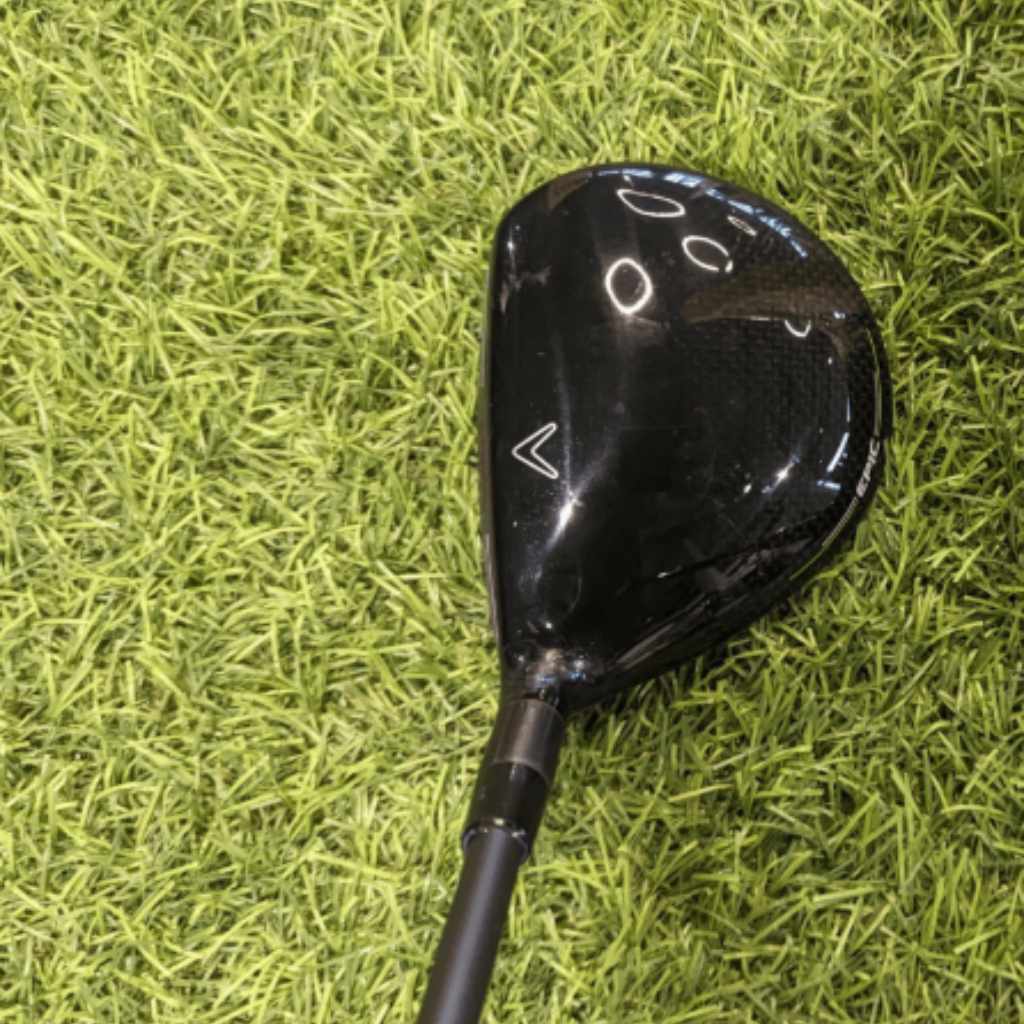
The 5 wood is a fairway wood, usually sporting around 18 to 19 degrees of loft. It plays like one of the easiest-to-hit clubs in your entire bag, especially from the fairway or even light rough. Its big head and low center of gravity are designed to help you get the ball up in the air quickly and carry it a long way.
Because of its design, the 5 wood forgives many mishits. If you catch it slightly thin or slightly fat, the club face is large enough to keep the ball moving reasonably straight toward your target. It’s built primarily for distance and launch.
What is a 3 Iron? The Precision Playmaker
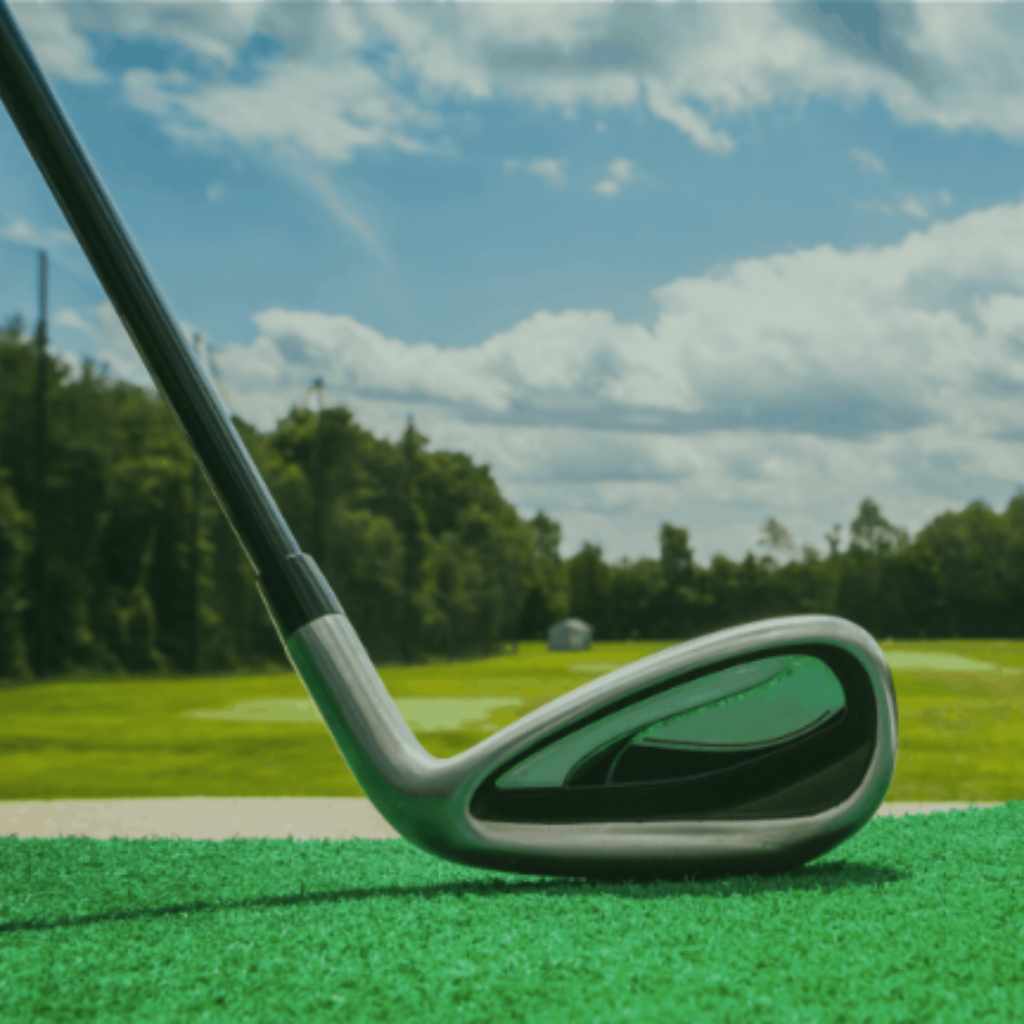
The 3 iron, on the other hand, is a traditional, long-bladed iron. These typically have less loft, usually ranging from 20 to 22 degrees, putting them in a similar distance range to the 5 wood. However, the 3 iron demands far more precision.
Its smaller head, thin top line, and solid feel mean that it offers fantastic control once you hit the center of the face squarely. But if you miss the sweet spot—and beginners often do—the result can be a low, weak shot, or even a total “chunk.” It requires good technique, solid contact, and a slightly descending blow at impact.
The Core Differences: Loft, Launch, and Forgiveness
To make the best choice between the 5 wood vs 3 iron, we need to compare their technical specifications side-by-side. These differences directly impact how easy the club is to use for someone just starting out or someone who values consistency over peak performance.
Comparing Loft Angles
Loft is the angle of the clubface that dictates how high the ball flies. More loft equals higher flight and generally more stopping power on the green.
- 5 Wood Loft: Usually 18° to 19°. This higher loft is engineered to help the ball climb fast, even when struck slightly imperfectly.
- 3 Iron Loft: Usually 20° to 22°. This lower loft means the ball starts lower and requires more swing speed and technique to achieve good height.
Shaft Length and Swing Speed
Shaft length plays a huge role in distance, but it also impacts control. Longer shafts are harder to control precisely.
The shaft of a 5 wood is significantly longer than a 3 iron. While this adds potential yardage due to the increased arc of your swing, it also requires more coordination to keep the clubface square at impact. For beginners, this can translate into more slices or hooks.
Forgiveness: The Beginner’s Best Friend
Forgiveness refers to how well the club performs when you don’t hit the ball perfectly in the center of the face. This is where the 5 wood shines brightest.
Fairway woods benefit from perimeter weighting and a larger face area. This technology spreads the weight toward the edges of the clubhead, minimizing the distance and direction lost on off-center hits. Modern 3 irons, while improved, still rely more on mass concentrated directly behind the center of the face (the “sweet spot”).
To visualize how these physical attributes affect play, consider this comparison:
| Feature | 5 Wood (Fairway Wood) | 3 Iron |
|---|---|---|
| Typical Loft | 18° – 19° | 20° – 22° |
| Head Size | Large, Rounded | Small, Blade-like |
| Forgiveness (Mishits) | High (More forgiving) | Low to Moderate (Less forgiving) |
| Ideal Trajectory | Mid-High Launch | Low-Mid Launch |
| Contact Required | Sweeping/Shallowing Motion | Descending Blow (Hitting Down) |
When to Choose the 5 Wood: Prioritizing Ease and Distance
If your main goal is to consistently put the ball in play, especially when you need maximum distance from the fairway or difficult lies, the 5 wood is your clear winner. It supports a less polished swing mechanic beautifully.
Situations Where the 5 Wood Excels
- From the Fairway on Longer Par 5s: When you need to cover 200+ yards and prioritize keeping the ball airborne to reach the green in regulation, the 5 wood offers more launch assistance.
- When Hitting Out of Light Rough: The wide sole plate of the fairway wood glides over grass much better than the thin sole of an iron, reducing the chance of the club digging into the turf.
- For Beginners or High Handicappers: If you frequently struggle to get your long irons airborne, the 5 wood is an essential confidence booster. It reliably produces a higher flight path.
- When an Approach Shot Needs Height: If you are approaching a green guarded by water or bunkers and you need the ball to fly high and stop quickly, the extra loft over a 3 iron helps achieve this.
Many top golf instructors now recommend replacing the traditional 3 and 4 irons with hybrid or a 5 wood because technology has made these larger-headed clubs much easier to use. You will find far more success trusting a club that launches the ball easily. For reference on modern club fitting principles, you can review guidelines provided by organizations focused on equipment standards, such as those detailed through the USGA regarding head specifications.
The Physics of the Fairway Wood
The shallow face angle and the way weight sits low and deep in the 5 wood head work together to create a powerful “trampoline” effect at impact. This effect increases ball speed, especially on slight misses below the center of the clubface. This ensures that even if your swing isn’t perfect, you still get a respectable result. It is designed to make distance less dependent on perfect timing.
When to Choose the 3 Iron: Demanding Control and Trajectory
The 3 iron isn’t obsolete; it simply serves a different purpose. It is the tool for the golfer with good technique who needs to manipulate the flight path or prioritize precision over sheer distance on specific shots.
Situations Where the 3 Iron is the Better Fit
- When Keeping the Ball Low is Necessary: If you are playing into a very strong wind, a lower-flying 3 iron shot will cut through the air much better than a higher-launching 5 wood, allowing the ball to stay under the wind.
- For Precision Control on Firm Fairways: If you are hitting into a tight landing area where you need the ball to land softly on a firm surface, a well-struck 3 iron can be controlled more accurately for spin and flight correction.
- When Teeing Off on Shorter Par 4s: Some skilled players prefer the feel and control of iron shafts when hitting off a tee and need to place the ball perfectly down a narrow fairway corridor.
- For Match Play or Scoring Plays: If you can strike the 3 iron perfectly nearly every time, the compact head gives you a better “feel” for how far you are actually hitting the ball, leading to more predictable yardages when the shot has to be perfect.
Mastering the Descending Blow
One key difference in execution is how you must strike the ball. With an iron, you need a descending blow—your hands should be slightly ahead of the clubhead at impact, hitting down slightly on the ball to compress it against the ground. This compression creates the desired spin and launch for the iron’s lower loft.
With a 5 wood, you want a sweeping or slightly ascending blow—trying to catch the ball on the way up. If a beginner tries to hit the 3 iron like a 5 wood (sweeping up), they often top the ball or create very weak contact.
Practical Comparison for the Home Hobbyist
Let’s relate this back to the workshop. Think of building a sturdy shelf:
- The 5 Wood is like using a reliable pneumatic nail gun: It requires less fine motor skill to shoot a nail straight and deep, making quick work of framing. It’s powerful, forgiving, and fast to finish the job.
- The 3 Iron is like using a fine-cut dovetail saw: It demands precision, perfect technique, and the right angle. If you execute it perfectly, the resulting joint is beautiful and extremely strong, but a small error ruins the entire piece.
For 90% of situations where you reach for a long club, you want the speed and reliability of the pneumatic nail gun—the 5 wood.
Can You Hit a 5 Wood Off the Tee?
Absolutely! Many golfers use their 5 wood off the tee if the hole requires less distance than their driver provides or if the fairway is narrow and they prioritize finding the short grass over maximum distance. Since the 5 wood launches easily, it’s a fantastic, low-stress alternative to the driver.
Can You Hit a 3 Iron Off the Tee?
Yes, but it’s rare today. Historically, this was common. If you are playing a tight, dogleg hole where you only need to carry 180 yards, a perfectly struck 3 iron guarantees the ball stays low and in play. However, most golfers find the 5 wood is easier to control even from the tee box.
The Modern Golfer’s Recommendation: Making the Proven Choice
Based on modern technology and the need for consistent, quality results, the clear recommendation for beginners, average-skilled golfers, and those seeking maximum forgiveness in their long-game arsenal is the 5 wood over the 3 iron.
Why the 5 Wood is the ‘Essential Proven Choice’
The higher loft and larger head structure equate to readily achievable results. You spend less time fighting the club to get the ball airborne and more time focusing on your swing path and target. Consistency trumps raw, high-risk distance potential every single time when building confidence.
Consider the trend in high-end equipment manufacturing. Modern iron sets often start at 5 or 6 iron, with club manufacturers replacing the 3 and 4 irons with easy-to-hit hybrids (which are essentially taller, slightly smaller fairway woods). This industry shift confirms that the design philosophy favors ease of use in the long-distance clubs.
Here is a simple decision tree to help you choose:
| If your primary goal is… | …Choose This Club | Because… |
|---|---|---|
| Consistent distance and high launch | 5 Wood | It is engineered for maximum forgiveness and easy air time. |
| Low flight trajectory in strong wind | 3 Iron | The flatter trajectory fights wind better than the higher launch of the wood. |
| Confidence on turf lies (fairway/light rough) | 5 Wood | The wide sole prevents deep digging into the ground. |
| Pinpoint accuracy when hitting the center flush | 3 Iron | The compact head often provides a superior “feel” for precise distance judging. |
How to Practice Launching Your New Club
Whether you choose the 5 wood or decide to conquer the 3 iron, practice needs to focus on how you strike the turf (or the tee).
For the 5 Wood: The Sweeping Motion
For the 5 wood, you want to feel like you are brushing the top of the grass, taking as little divot as possible, or even creating a positive angle of attack if hitting off the ground.
- Ball Position: Place the ball slightly forward in your stance (toward your front foot).
- Stance: Keep your stance relatively square or slightly open.
- Swing Thought: Focus on swinging through the ball, not at it. Imagine brushing the grass just after the ball position.
- Practice Setup: Place a towel just behind where the ball sits. If you hit the towel, you are hitting too far down; if you hit the ball cleanly, you are sweeping correctly.
For the 3 Iron: The Compressed Strike
The 3 iron demands compression. You need to hit down on the ball slightly to trap it against the turf.
- Ball Position: Place the ball in the middle of your stance, or slightly toward the center-front.
- Weight Shift: Ensure your weight is slightly biased toward your front (lead) foot before you start the swing.
- Swing Thought: Think “hands first,” ensuring your hands lead the club through impact, creating a descending blow that takes a small, crisp divot of grass after the ball is gone.
- Safety First: Always ensure your follow-through path is clear, especially with the smaller head of an iron, as the path is less guided than a wood. Check local range safety guidelines before use.
Frequently Asked Questions for Beginners
Q1: What club typically goes farther, the 5 wood or the 3 iron?
A1: If both clubs are struck identically well, the 5 wood will generally travel slightly farther due to its longer shaft length and higher launch angle. However, because the 5 wood is easier to hit well, most golfers see greater actual distance gains with it.
Q2: Which club is easier to hit well off the fairway?
A2: The 5 wood is significantly easier to hit well off the fairway. Its larger head and wider sole let it slide over the grass, offering forgiveness, whereas the 3 iron requires shallow contact to avoid digging.
Q3: Should I replace my 3 iron with a 5 wood entirely?
A3: For most average players, yes. If you cannot consistently hit your 3 iron 170 yards but hit your 5 wood 185 yards reliably, replace the iron. Only keep the 3 iron if you specifically need its low flight control.
Q4: Do 5 woods come in different lofts?
A4: Yes, they do. While 18–19 degrees is standard, you can find 7 woods (around 21–22 degrees) which are even easier to hit, or sometimes lower-lofted 5 woods labeled as strong 5 woods (around 17 degrees) for faster swingers.
Q5: What is the difference between a 5 wood and a 3 hybrid?
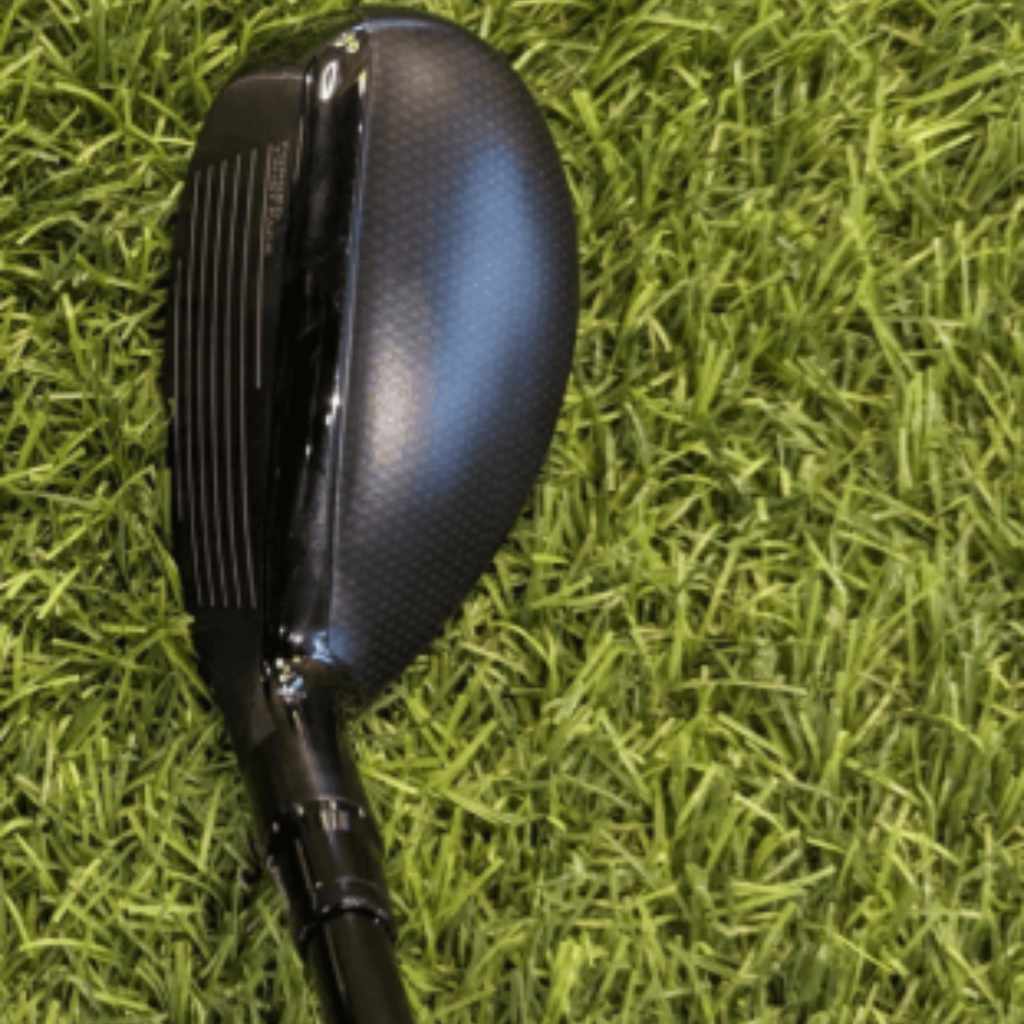
A5: A 3 hybrid often sits between the 5 wood and the 3 iron in feel and performance. Hybrids usually have a slightly smaller head than a 5 wood but are much larger and more forgiving than a 3 iron, making them sometimes the perfect compromise.
Q6: How do I know if I’m hitting the 3 iron too steep?
A6: If you are leaving deep, fat divots or constantly chunking the ball (hitting the ground first), you are likely hitting too steep. Try filming your swing or focusing solely on brushing the grass after impact, not taking a big chunk out of it.
Q7: Does shaft material (steel vs. graphite) matter for these clubs?
A7: Yes, significantly. 5 woods almost always use graphite shafts because they promote faster swing speed and higher launch. 3 irons often use steel shafts, which offer more weight and feel for control, favoring players with higher swing speeds or those who need less dynamic loft.