5 Wood Vs 7 Wood Loft: Essential Guide
Understanding the difference between a 5 wood and a 7 wood loft is key to hitting better shots off the fairway or tee. Generally, the 5 wood has a lower loft (around 18-19 degrees) for longer distance, while the 7 wood has a higher loft (around 21-23 degrees) for better height and forgiveness, making the choice depend entirely on your swing speed and desired trajectory.
Hello there! I’m Md Meraj, and if you’ve ever stood on the fairway wondering whether to pull out your 5 wood or your 7 wood, you are definitely not alone. Choosing the right fairway wood is one of those puzzles that can feel complicated when you just want to get the ball airborne and long down the course. Many beginners look at these clubs and just see numbers, but that number tells you everything about how the club will perform.
Don’t worry; we are going to break down the loft, the distance, and who each club is truly for. By the end of this guide, you will know exactly which club belongs in your bag for those tricky long shots. Get ready to boost your confidence and stop guessing on the tee box!
Understanding “Loft”: The Most Important Number
When we talk about woods (like the 3, 5, or 7 woods), the most critical specification is the loft. Loft is simply the angle of the clubface relative to the ground when you set the club down correctly.
Think of it like this: More loft equals more height, which generally means a softer landing and shorter distance. Less loft equals a lower trajectory, requiring more clubhead speed to get the ball airborne, but resulting in more roll and distance.
Why Loft Matters More Than You Think
For beginners, having too little loft is the number one reason balls stay on the ground or result in a weak slice. Manufacturers design these clubs to gradually increase loft as the number goes up. Here is a simple comparison to keep top of mind:
- Lower Number (e.g., 5 Wood): Less loft, lower ball flight, promotes more distance.
- Higher Number (e.g., 7 Wood): More loft, higher ball flight, promotes consistency and forgiveness.
The 5 Wood: Distance and Penetration
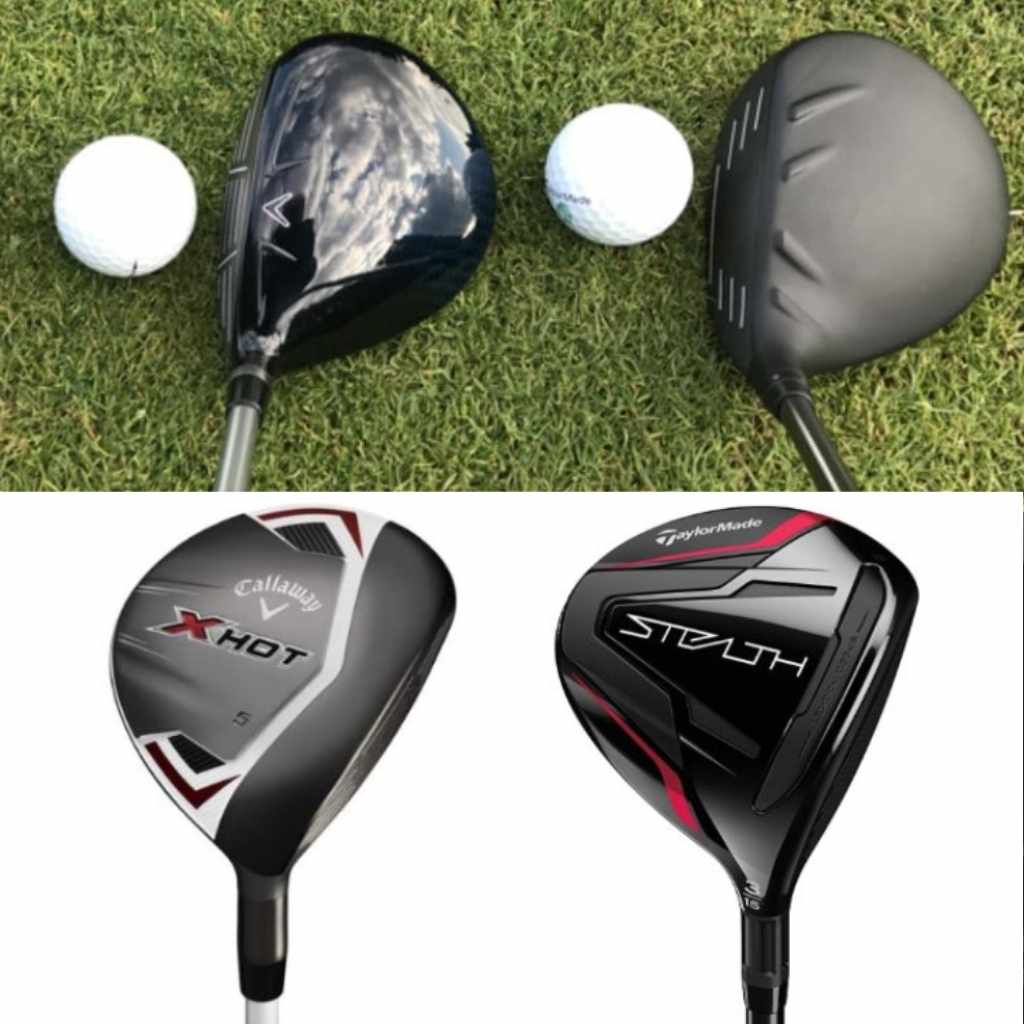
The 5 wood is traditionally a powerhouse club, sitting just below the 3 wood in distance capability. It is designed for golfers who need to cover substantial ground from the fairway or the tee box.
Typical Loft Range for a 5 Wood
While modern club design constantly shifts things slightly, you can generally expect a standard 5 wood to fall into this loft range:
- Standard 5 Wood Loft: 18 degrees to 19.5 degrees.
Who Should Carry a 5 Wood?
The 5 wood is best suited for golfers who frequently generate decent swing speed and need a penetrating ball flight that carries well into firm fairways. If you struggle primarily with hitting the ball high enough, this club might present challenges.
- Solid ball strikers who need to clear long hazards.
- Golfers with higher swing speeds (who can effectively launch lower lofts).
- Players who want a direct replacement for a long iron (like a 3-iron replacement).
Pros and Cons of the 5 Wood
Let’s summarize what you gain and what you might give up when you choose the workhorse 5 wood.
| Pros of the 5 Wood | Cons of the 5 Wood |
|---|---|
| Maximum distance potential for a fairway wood. | More difficult to launch high off the rough or tight lies. |
| Lower, more penetrating flight helps fight wind. | Smaller margin for error on off-center hits. |
| Excellent off a well-manicured tee box. | Requires more clubhead speed to achieve optimal launch angle. |
The 7 Wood: Forgiveness and Height
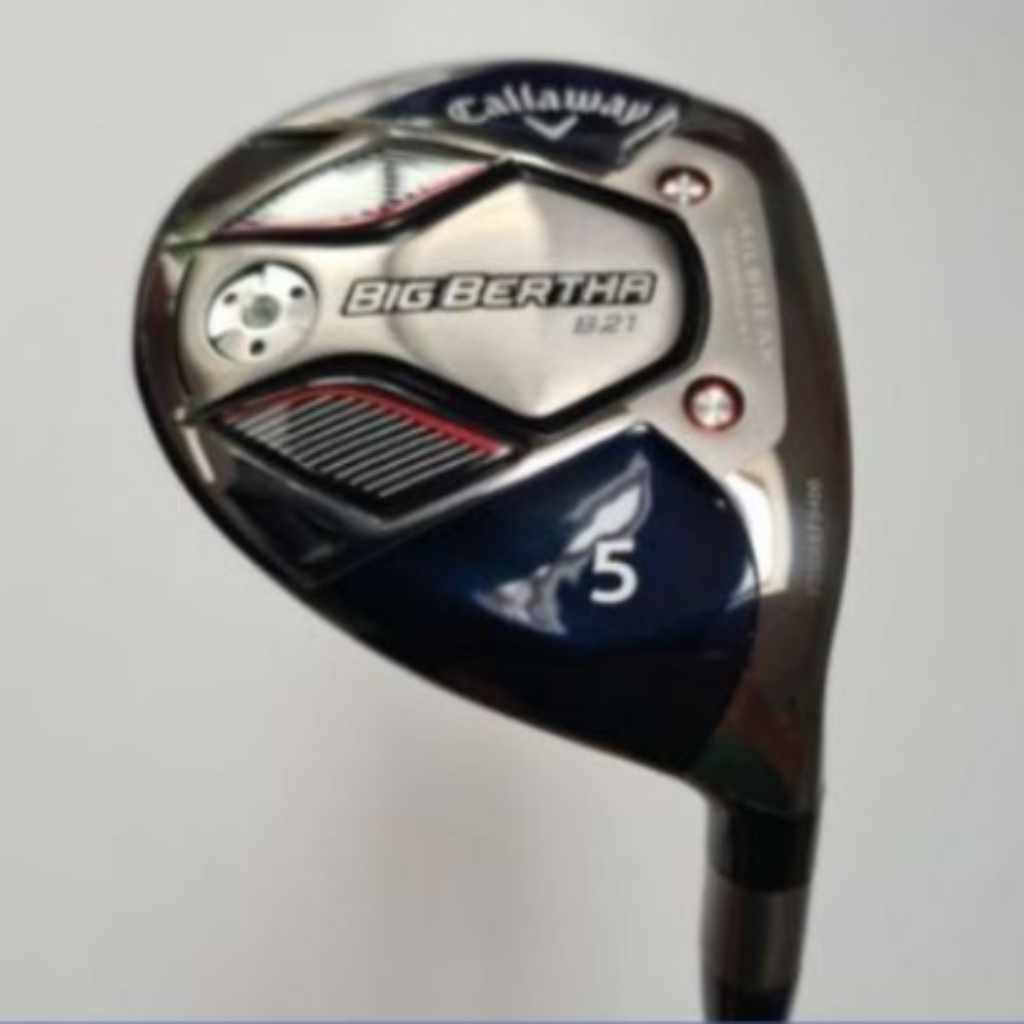
The 7 wood is often considered the “secret weapon” for many golfers, especially those who prioritize getting the ball airborne quickly and finding the center of the green. It acts as a fantastic transition club between your shorter woods and your longer irons.
Typical Loft Range for a 7 Wood
Because the 7 wood aims for height and ease of use, its loft is noticeably higher than a 5 wood.
- Standard 7 Wood Loft: 21 degrees to 23.5 degrees.
Who Should Carry a 7 Wood?
This club is a dream for mid-to-slower swing speed players, or anyone who finds their 5 wood dives too quickly. It bridges the gap beautifully between distance and control.
- Beginners needing maximum forgiveness.
- Seniors or players with slower swing speeds who struggle launching mid-irons.
- Golfers who play on softer courses and need trajectory control over pure roll-out distance.
Many modern golf instructors recommend that average amateur golfers carry a 7 wood instead of chasing distance with a lower-lofted 5 wood. This aligns with advice from organizations focused on biomechanics in golf swings, highlighting that effective vertical launch is crucial for distance consistency (see research on launch angle optimization).
Pros and Cons of the 7 Wood
The 7 wood trades a bit of top-end distance for vastly superior playability.
| Pros of the 7 Wood | Cons of the 7 Wood |
|---|---|
| Much easier to get airborne from any lie (fairway, light rough). | Slightly shorter total distance compared to a well-struck 5 wood. |
| Higher launch angle means softer landings on the green. | More susceptible to ballooning or stopping quickly in windy conditions. |
| Higher forgiveness; mishits stay closer to the intended line. | Might feel awkward if your iron yardages skip over this gap. |
Direct Comparison: 5 Wood Loft vs 7 Wood Loft
To make the decision crystal clear, let’s put the head-to-head specs side-by-side. Remember, these are general figures; always check the specific club stamping!
Distance Spacing
Generally, you should expect a 10 to 15-yard gap between a well-hit 5 wood and a well-hit 7 wood, but in real-world play, this difference often shrinks because the 7 wood is much easier to strike consistently.
| Specification | 5 Wood (Approx.) | 7 Wood (Approx.) |
|---|---|---|
| Loft Range | 18° to 19.5° | 21° to 23.5° |
| Ideal Ball Flight | Mid-Low, Penetrating | Mid-High, Soaring |
| Best For | Distance, fighting wind | Accuracy, getting airborne quickly |
| Forgiveness Level | Moderate | High |
How to Test and Decide: A Beginner’s Workshop Guide
Choosing equipment isn’t about what the pros use; it’s about what works for your swing. As your woodworking mentor, I always tell people: test it out! Don’t just buy based on specs; buy based on performance on the range.
Step 1: Assess Your Current Ball Flight
First, look critically at your typical shots with your current longest club (maybe a 4-iron or old 5-wood). Do they fly high and land soft, or do they dive quickly?
- If your shots tend to look like fast, low rockets that roll out forever (or scull across the ground), you need more height. Lean toward the 7 Wood.
- If your shots climb well but you feel like you are “reaching” for distance or constantly hitting the top half of the ball, the 5 Wood might suit your speed better.
Step 2: Hitting Off the Turf
Fairway woods are notoriously tough off the grass. Test both clubs in this scenario:
- The 5 Wood Test: Try to sweep the ball, brushing the top layer of grass just after impact. If you consistently hit the ball fat (digging into the turf), the lower loft of the 5 wood is punishing your turf interaction.
- The 7 Wood Test: Notice how much easier it is to get under the equator of the ball without taking a divot. This higher face angle naturally guides your swing path upward.
Step 3: Know Your Yardage Gaps
Consistency is king. If your long iron (say, a 4-iron) hits 180 yards, and your existing 3-wood hits 220 yards, where does the 5 wood fit? You want these clubs spaced out reliably.
Use this simple goal for spacing:
- Aim for approximately 10–15 yards of carry distance difference between sequential clubs.
- If the gap between your preferred iron and the 5 wood is too large, the 7 wood fills that middle slot perfectly, giving you a reliable 200-yard option.
The Role of Clubhead Design and Technology
It’s not just the loft number! The actual shape and materials of modern woods greatly affect how forgiving they are, especially when comparing a 5 wood to a 7 wood from different generations.
Shallow Face vs. Deep Face
Newer fairway woods often feature shallower faces (less deep from top to bottom). This design is crucial for the 7 wood.
- Shallow Face: Makes it easier to sweep the ball off the fairway or tee line, promoting launch. This is a hallmark of excellent 7 wood design.
- Deep Face: More common on older 3 and 5 woods, requiring a descending blow or high swing speed to launch effectively.
Center of Gravity (CG) Placement
Manufacturers constantly move the Center of Gravity (CG). Forgiveness comes from having the CG low and slightly back in the head.
Because the 7 wood is designed for accessibility:
The CG is engineered to be lower and slightly further back than in a comparable 5 wood. This means when you miss the center of the face (a common event for beginners), the club resists twisting, helping the ball stay straighter and closer to the intended line. This aligns with established PGA teaching standards regarding forgiveness characteristics in higher-lofted woods.
When Should a Beginner Carry Both?
Is it overkill to carry both a 5 wood and a 7 wood? For some, yes. For others, it creates an incredibly reliable arsenal from 180 yards and out.
The Bag Fitting Scenario
If you are building a set from scratch or replacing older equipment, consider the yardages you need to cover from the tee or the fairway:
- Driver: 220+ yards (Swing Speed dependent)
- 3 Wood (Optional): 205–215 yards
- 5 Wood: 195–205 yards
- 7 Wood: 180–190 yards
- Long Iron (e.g., 5 Iron): 165–175 yards
If you see a gap between your 5-wood yardage and your 4-iron yardage that is greater than 25 yards, adding the 7 wood creates a smooth transition and gives you a high-percentage shot when you simply need the ball in play, not maximum distance.
Safety and Care for Your Fairway Woods
As a DIY enthusiast and woodworker, you know that taking care of your tools ensures they last and perform well. Your clubs are no different. Protect your investment!
Workshop-Inspired Maintenance Tips
- Keep Them Clean: After every round, use a soft, damp cloth to wipe down the sole (bottom) and face of the club. Dirt buildup can slightly alter the effective loft the next time you swing.
- Headcover Discipline: Always use headcovers on your 5 and 7 woods! In the bag, these large heads can bang against each other, chipping the finish or damaging the soleplate.
- Inspect for Damage: Periodically check the face grooves. While wood is forgiving, modern composite woods can sometimes crack if abused. For any major structural issues, consult a certified fitter or repair shop affiliated with organizations like the United States Golf Association (USGA) for guidance on equipment rules and integrity.
Addressing Common Beginner Misconceptions
Many beginners make decisions based on perceived difficulty rather than honest performance assessment. Let’s clear up a few myths before you select your next club.
Myth 1: A 5 Wood is Always Longer Than a 7 Wood.
Reality: Not if you hit the 7 wood perfectly and shank the 5 wood! Distance comes from solid contact and optimal launch. If the 7 wood allows you to strike the center of the face more often, it will beat your average 5 wood shot every time.
Myth 2: I Shouldn’t Use Wood Clubs Off the Fairway.
Reality: This is an old-school idea! Modern fairway woods, especially the higher-lofted 7 wood, are designed specifically to be hit off the grass. The wide soleplate helps glide over turf, unlike driving irons or standard irons.
Myth 3: Higher Loft Means More Slice/Hook Potential.
Reality: While a bad swing path affects both, the higher loft of the 7 wood actually helps mitigate severe side spin immediately at impact, resulting in smaller misses compared to a low-lofted 5 wood trying to get airborne.

Frequently Asked Questions (FAQs)
Q: Can I use my 7 wood off the tee box like a driver?
A: Yes, you absolutely can! The 7 wood is a fantastic choice off the tee when accuracy is paramount, especially on doglegs or short Par 4s. It offers much better control than a driver.
Q: If I have a 3-iron, do I really need a 5 wood and a 7 wood?
A: For most hobbyists, yes. A 3-iron is difficult to hit high and far consistently. The 5 wood (18-19°) and 7 wood (21-23°) offer much more predictable launch than trying to master a 21° 3-iron flight.
Q: How should I adjust my grip or stance for the higher loft of the 7 wood?
A: Try setting up slightly taller next to the 7 wood than you would a 5 wood, allowing the shaft to sit more upright. Keep your stance centered or slightly biased toward the target line, aiming for a sweeping, ascending strike.
Q: Is it better mileage-wise to carry a 4 or 5 wood instead of a 7 wood?
A: If your typical yardage on fairway shots is consistently 200+ yards, the 5 wood is likely the better choice. If your typical long approach shot lands in the 175–195 yard range, the 7 wood is the more valuable tool.
Q: Does the flex of the shaft matter more in a 5 wood or a 7 wood?
A: Shaft flex is crucial for both, but perhaps even more critical for the 5 wood. Because the 5 wood requires penetrating distance, using a shaft too soft can cause the club to “whip” too much, leading to high, weak shots rather than low rockets.
Q: Will a modern 7 wood travel the same distance as an old 5-wood?
A: Often, yes! Modern technology (like wider faces and better weighting) in a 7 wood is so efficient that it can easily match or beat older, heavy 5 woods while offering significantly more forgiveness.
Conclusion: Building Your Confident Bag
Deciding between the 5 wood and the 7 wood boils down to prioritizing distance versus playability. As a beginner or intermediate hobbyist, my advice is always to favor forgiveness that leads to consistent contact.