Modern Composite Decking Ideas
Modern composite decking combines wood fiber with recycled plastic, and most current boards add a polymer “capstock” shell around that core for extra fade and stain resistance. The result doesn’t rot, splinter, or need yearly staining the way solid wood does, which is what makes it the material behind most of today’s popular deck patterns – herringbone, diagonal boards, picture-frame borders, and multi-tone color mixes that would be a lot more maintenance-heavy in real wood.
The tradeoff is a higher material cost upfront and a couple of real quirks – heat buildup in direct sun and manufacturer-specific installation rules – that are worth understanding before committing to a pattern or a board brand.
What Composite Decking Actually Is
Hidden Fastener Clips
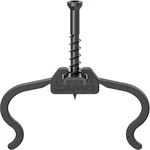 |
CAMO EDGEClip Hidden Deck Fasteners – $199.99 (450-ct) Clips into the board’s grooved edge and screws to the joist, leaving no visible fastener heads on the deck surface – the detail behind the clean look in most modern composite decking photos.
|
Composite decking is a manufactured board made from wood fibers and plastic (typically recycled HDPE or polypropylene), extruded into a board shape. Most current-generation products from brands like Trex, TimberTech, Fiberon, and MoistureShield are “capped” composites – the wood-plastic core is wrapped in a separate polymer shell that resists fading, staining, and moisture far better than older, uncapped composite boards from decades past. Composite decking ideas today lean on that durability to support more elaborate patterns and color combinations than most homeowners would attempt in solid wood.
Why Composite Over Wood
Composite decking is genuinely low-maintenance – no annual staining or sealing – and most boards use a meaningful percentage of recycled material. It resists rot and insect damage that eventually catches up to untreated or even pressure-treated wood, and it doesn’t splinter, which matters for bare feet and pets. The real cost of that convenience is a higher material price than pressure-treated lumber, though most owners recover the difference over time by skipping yearly maintenance.
Deck Patterns Composite Boards Make Practical
- Herringbone: boards form a repeating zigzag, similar to a woven basket pattern. Visually striking, but generates more waste and cut angles than a straight layout.
- Diagonal (45-degree): boards run at an angle to the house rather than parallel, which tends to make a small deck read as larger. This pattern also typically requires tighter joist spacing than a standard layout – check the specific board manufacturer’s installation guide before framing, since running boards diagonally increases the unsupported span between joists relative to a square layout.
- Picture frame: a border of boards, often in a contrasting color, frames the field boards inside it. A clean, moderate-effort way to add a defined edge and a second color.
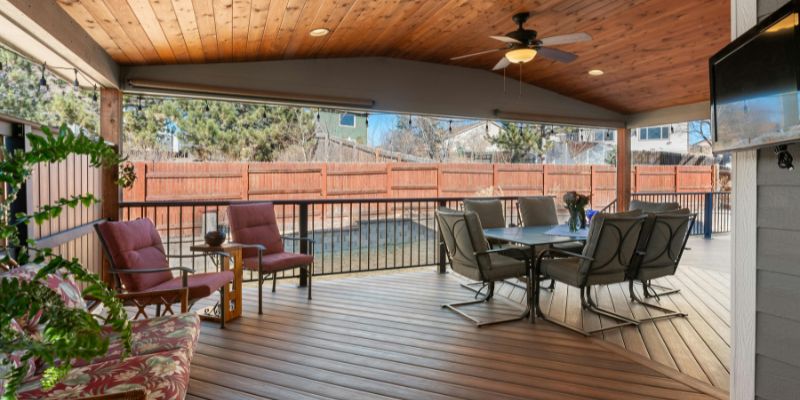
Planning A Composite Deck
- Pick and measure the site: a flat, accurately measured area avoids surprises once framing starts.
- Choose boards and color: darker colors absorb more heat (see below); lighter colors and multi-tone combinations both stay cooler and hide dirt better over time.
- Sketch the layout: confirm the pattern before cutting anything, since a diagonal or herringbone layout changes joist spacing requirements versus a straight run.
- Gather tools: a circular saw, drill, level, and a hidden-fastener tool if using clip-based fasteners. Many of these are available to rent rather than buy for a one-time project.
- Build and level the frame: joists need to meet the board manufacturer’s specified on-center spacing for the chosen board thickness and pattern – this is usually stated explicitly in the installation guide and affects warranty coverage if not followed.
- Install the boards: follow the planned pattern, leaving the manufacturer-specified gap between boards for thermal expansion.
- Add railings and lighting: both a safety requirement at height and a chance to add step or post-cap lighting for nighttime use.
Always check local building codes before starting – deck height, railing requirements, and permit rules vary by jurisdiction and are easy to overlook until an inspection.
Tools And Fasteners
Beyond fasteners: a circular saw for cutting boards, a drill for the framing, and a level throughout the build. Composite boards cut similarly to wood but generate more fine dust; a carbide-tipped blade holds up better than a standard wood blade over a full deck’s worth of cuts.
Composite Vs. Wood Decking
| Feature | Composite Decking | Wood Decking |
|---|---|---|
| Maintenance | Low – periodic cleaning, no staining | Higher – staining or sealing every 1-2 years |
| Durability | Most brands warranty 25+ years against rot and structural failure | Can rot, warp, or need board replacement well before that without upkeep |
| Cost | Higher material cost upfront | Lower material cost, higher lifetime maintenance cost |
| Appearance | Consistent color and grain pattern, resists fading with a capstock finish | Natural grain variation, fades and grays without regular treatment |
Drawbacks Worth Knowing
Composite decking, especially in darker colors, can get noticeably hotter underfoot in direct sun than a comparable wood deck – some manufacturers now offer heat-reflective technology in their lighter and multi-tone color lines specifically to address this. Choosing a lighter color or planning shade (a pergola, an overhang) matters more with composite than with wood for this reason. Material cost is higher upfront than pressure-treated lumber, and while capped composite resists fading far better than older uncapped products, some fading and slight color variation over years of UV exposure is still normal and covered differently by different manufacturer warranties – worth reading before buying.
Practical Tips For A New Composite Deck
- Start with a straight layout before attempting diagonal or herringbone patterns, which add cutting complexity and framing requirements.
- Mix two colors deliberately – a picture-frame border or a contrasting stair nosing reads as intentional design rather than needing a full multi-tone field.
- Add lighting at steps and post caps for both safety and evening usability.
- Follow the manufacturer’s joist spacing exactly, especially for angled patterns – undersized framing is a common cause of bounce or sag that isn’t the board’s fault.
- Clean on a schedule – most manufacturers recommend a simple soap-and-water wash a few times a year, more often under trees or near grills where debris accumulates.
Layout Ideas Beyond A Basic Rectangle
- Multi-level decks: separate zones for dining and lounging, particularly useful on a sloped lot where a single flat deck isn’t practical anyway.
- Curved edges: composite boards can be steam-bent or cut in segments to curve around a tree or pool, though this adds real complexity to a first-time build.
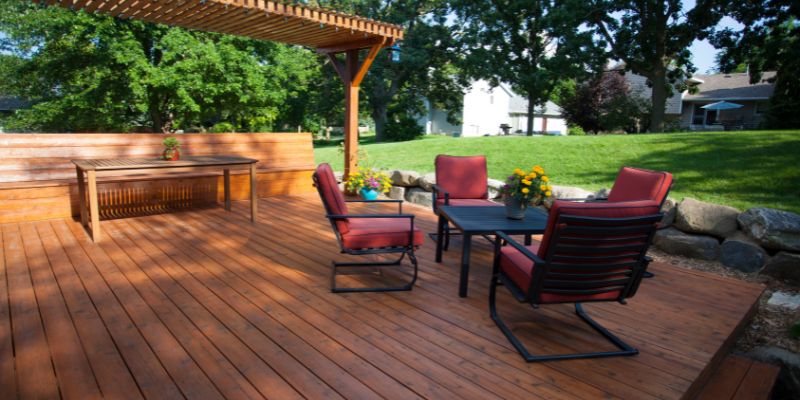
- Pergola-covered sections: adds shade (helpful given the heat point above) and visually defines part of the deck as a distinct outdoor room.
Cost-Saving Approaches
Buying boards during a retailer sale is one of the more straightforward ways to reduce material cost on a project where the boards themselves are the largest expense. Planning the layout carefully to minimize offcuts and waste, and renting rather than buying tools used only for this one project, both meaningfully reduce total cost without changing the finished result.
Common Mistakes To Avoid
- Skipping the layout sketch: costly to fix mid-build if a pattern doesn’t fit the actual dimensions.
- Undersized framing: matching joist spacing to the manufacturer’s spec for the specific board and pattern prevents sagging later.
- Wrong blade for cutting composite: a standard wood blade dulls quickly on composite material; a carbide-tipped blade rated for composite holds an edge much longer.
- Ignoring local codes: railing height, guard spacing, and permit requirements are enforced at inspection, not just suggestions.
Frequently Asked Questions
What Is Composite Decking Made Of?
Composite decking is a blend of wood fibers and plastic, most often recycled HDPE or polypropylene. Most current boards add a separate polymer capstock shell around that core for extra fade and stain resistance – a real improvement over older, uncapped composite products from years past.
How Much Does Composite Decking Cost?
Composite decking material costs more per square foot than pressure-treated lumber, with the exact price varying significantly by brand, capped-vs-uncapped construction, and board profile. It typically pays some or all of that premium back over time by eliminating the recurring cost of staining or sealing that wood decking needs.
Can I Install Composite Decking Myself?
Yes, with basic tools (circular saw, drill, level) and by carefully following the specific board manufacturer’s framing and fastening instructions. Diagonal or herringbone patterns need tighter joist spacing than a standard straight layout, so check that requirement before framing rather than after boards are already ordered.
Does Composite Decking Get Hot?
Yes, more so than wood in direct sun, especially in darker colors. Choosing a lighter or multi-tone color and planning shade over at least part of the deck both reduce the effect. Some manufacturers now market heat-reflective color lines specifically aimed at this issue.
How Do I Clean A Composite Deck?
Soap, water, and a soft brush handle routine cleaning a few times a year. Avoid harsh solvents or bleach-based cleaners not specifically labeled safe for composite decking, since some can affect the capstock finish over repeated use.
Is Composite Decking Safe For Kids?
Composite decking doesn’t splinter the way wood can, which is a real safety advantage for bare feet. Standard deck safety practices still apply regardless of decking material: code-compliant railings, non-slip surfaces near water or pool areas, and lighting on steps.
How Long Does Composite Decking Last?
Most major brands offer limited warranties in the 25-50 year range against structural failure, rot, and insect damage, though fade and stain warranty terms are often shorter and vary more by brand. Actual lifespan depends heavily on installation quality and climate exposure, not just the board itself.
Conclusion
Modern composite decking earns its popularity honestly: low maintenance, real durability, and enough color and pattern options to support genuinely creative layouts that would be far more upkeep in solid wood. The tradeoffs – higher upfront cost, more heat in direct sun, and manufacturer-specific framing requirements for anything beyond a straight layout – are all manageable with a bit of planning before the first board goes down.
Sponsored / affiliate links. As an Amazon Associate I earn from qualifying purchases. I may earn additional commission from eligible campaigns.
 SuperStructuring Plugs for Decking - 1/4" Trex Composite Decking Wood Plugs, Weather-Resistant, UV Protection, Hole Covers for Outdoor Home Improvement & Repair - Enhance Naturals Foggy Wharf, 100-PcSuperStructuring Plugs for Decking - 1/4" Trex Composite Decking Wood Plugs, Weather-Resistant, UV Protection, Hole Covers for Outdoor Home Improvement & Repair - Transcend Tiki Torch, 100-Pc