7 Fairway Wood vs Hybrid: Proven Essential Gear
Choosing between a 7-wood and a hybrid can feel tough when filling that gap in your golf bag. Both clubs offer great versatility, but understanding their core differences in design and flight path is key to making the right choice for easier, more consistent shots off the fairway or tee. This guide breaks down the essential differences so you can confidently select the proven gear that lowers your scores.
Welcome to the workshop! I’m Meraj, and just like when we pick the right wood for a project, choosing the right club matters a ton in golf. Many new golfers get stuck wondering: should I reach for that classic 7-wood or the newer, sleeker hybrid for those tricky mid-range shots? It’s a common headache because they look similar and hit similar distances. But they behave very differently.
Don’t worry about getting overwhelmed by fancy terms. We will sort this out simply, clearly, and with confidence. By the end of this guide, you will know exactly which club is your new best friend for those awkward lies and long approaches. Let’s get your bag optimized!
Understanding the Core Difference: Shape and Loft Dictate Flight
The biggest difference between a 7-wood and a modern hybrid boils down to two things: head shape and where the weight is placed. These two elements change how the ball comes off the face, which is everything when you are trying to hit the green.
Think of it like choosing between a handsaw and a jigsaw. Both cut wood, but for very different results. A 7-wood keeps the traditional look of a fairway wood, while a hybrid is designed to mimic the playability of an iron but with more forgiveness.
The Traditional 7-Wood Look and Feel
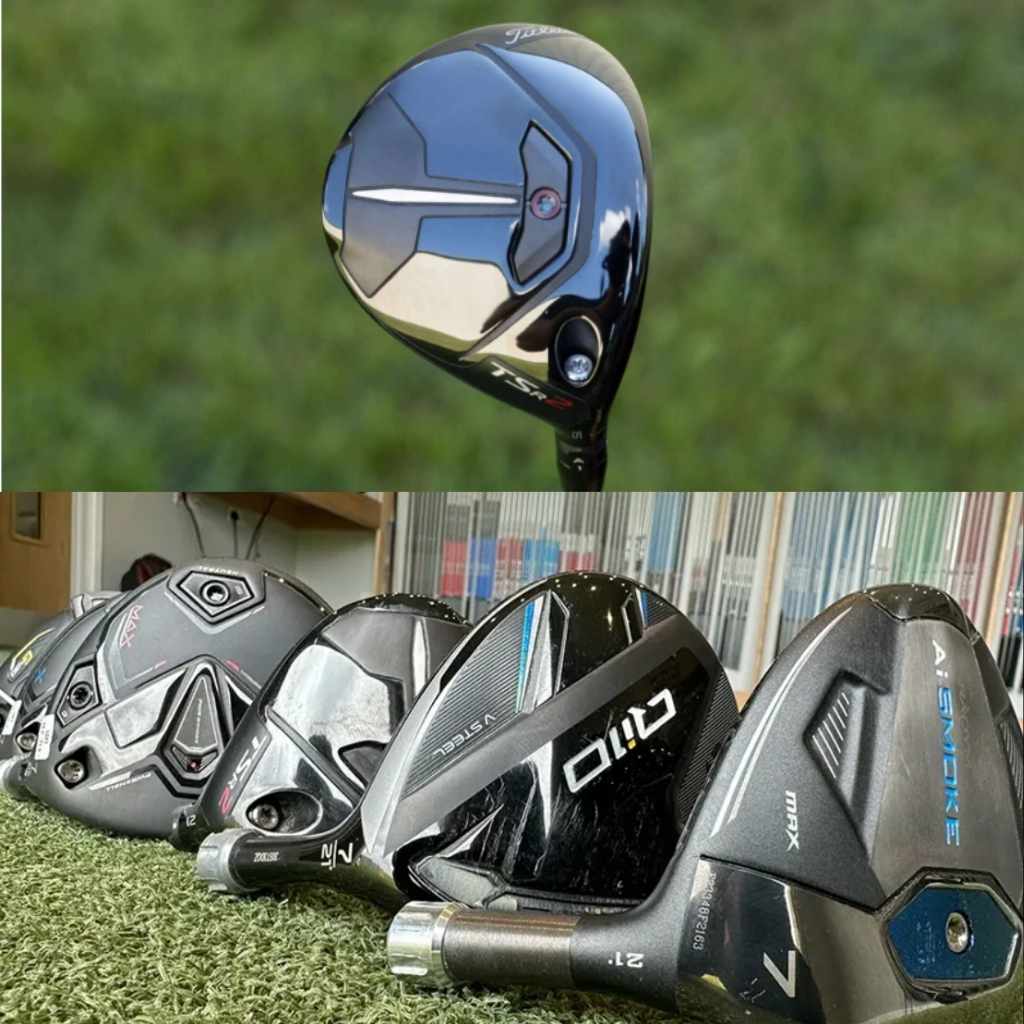
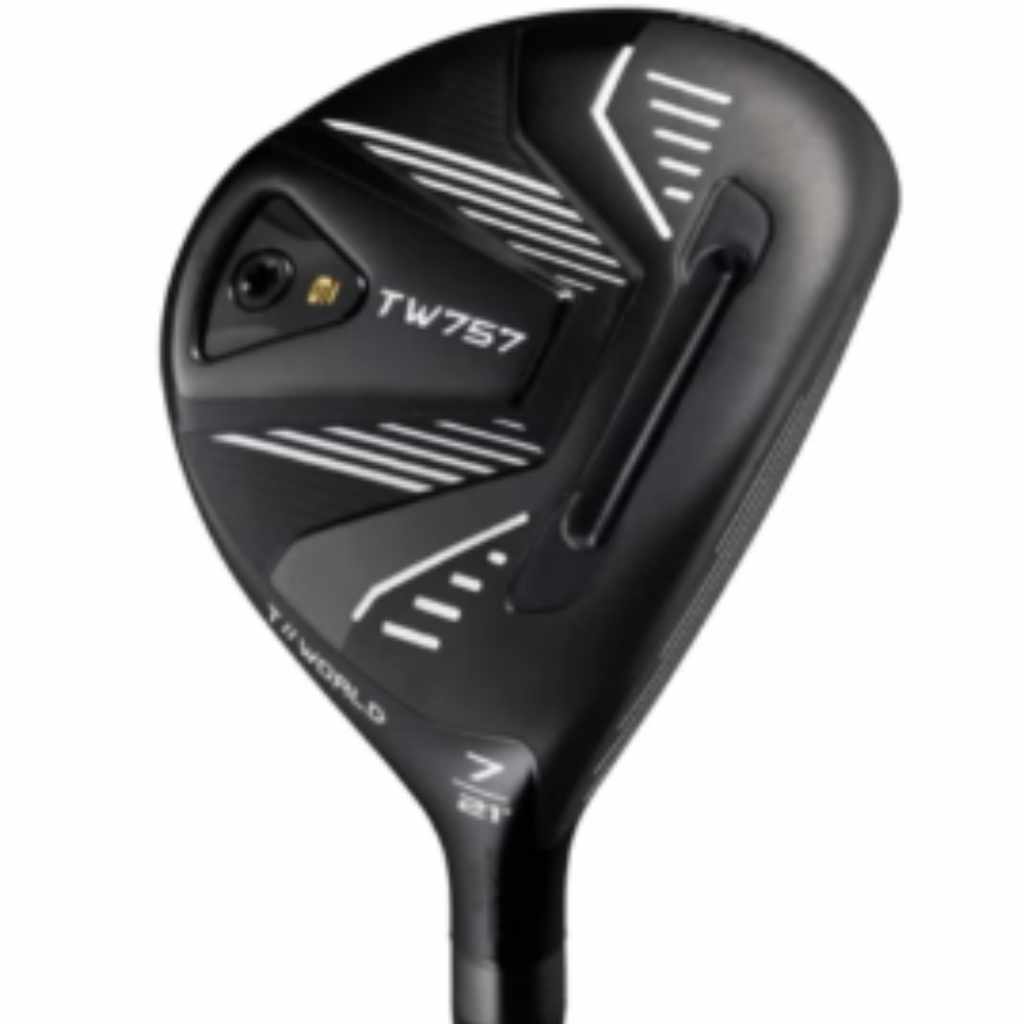
The 7-wood is essentially a smaller, high-lofted version of your driver or 3-wood. It features a larger, deeper face and a longer shaft than most hybrids with comparable loft.
- Head Shape: Larger, rounder, and shallower face compared to an iron.
- Shaft Length: Generally longer than a matching hybrid, similar to an iron.
- Forgiveness: Very forgiving on toe or heel mis-hits because of the larger footprint.
- Launch Angle: Tends to produce a higher, softer landing trajectory suitable for greens.
This design makes the 7-wood glide through the grass smoothly, which we call increasing “turf interaction.” If you struggle with digging into the turf, the 7-wood’s sole design helps it sweep the ball up.
The Modern Hybrid Design Philosophy
The hybrid club was invented to bridge the gap between the long irons (like a 3-iron or 4-iron) and the fairway woods. It attempts to offer the distance of a small fairway wood with the control and feel closer to a long iron.
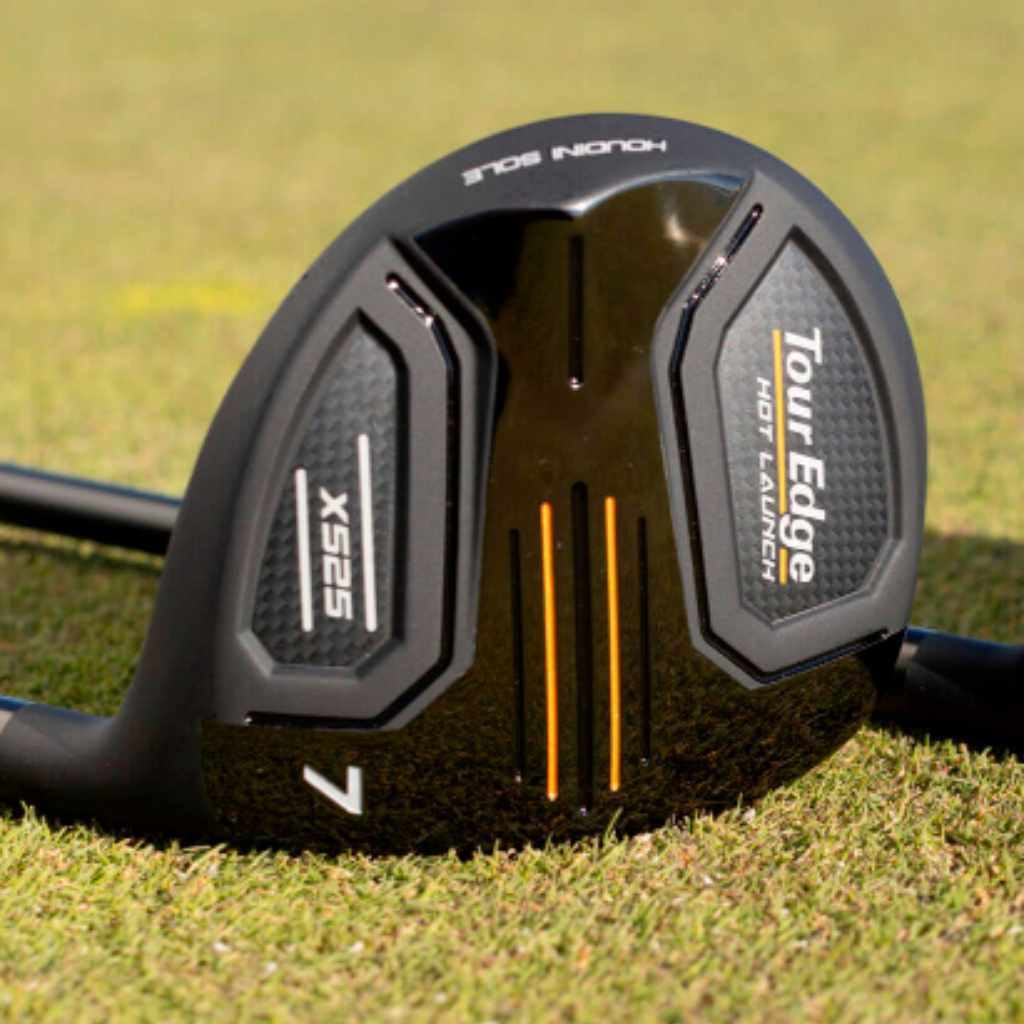
- Head Shape: Smaller, more compact, and deeper (front-to-back) than a 7-wood. It often looks like an iron with training wheels.
- Shaft Length: Usually shorter than a 7-wood, giving you more control at impact.
- Forgiveness: Excellent forgiveness due to perimeter weighting, but the smaller head requires slightly more precision than a big 7-wood.
- Versatility: Exceptionally good from tight lies, rough, or even light fairway bunkers.
Hybrids often use materials like steel or titanium for the face, offering a slightly hotter feel compared to the traditional steel construction of many 7-woods. They are engineered for low, penetrating shots that roll out nicely.
Comparing Loft and Distance: What Numbers Matter?
When standing over the ball, the numbers—loft and distance—should guide your decision. While exact yardages vary by brand and shaft flex, there is a general expectation for what each club delivers.
Typical Loft Ranges
The defining characteristic of this debate, the 7-wood vs hybrid comparison, often revolves around the specific loft you need to fill the gap between your longest iron (usually a 5-iron or 6-iron) and your shortest fairway wood (often a 5-wood).
| Club Type | Typical Loft Range (Degrees) | Primary Ball Flight |
|---|---|---|
| 7-Wood | 21° to 24° | High, soft landing |
| Hybrid (Equivalent Distance) | 21° to 25° (often marked as 3H, 4H, etc.) | Medium-high, penetrating |
Distance Expectation
In general, if both clubs have the same actual loft (say, both are 22 degrees), the 7-wood will often fly slightly farther due to its longer shaft. A longer shaft equals more clubhead speed, which equals more distance. However, the hybrid’s shorter shaft offers more control over that distance.
For a beginner or mid-handicapper, the difference might only be 5 to 10 yards, but the trajectory change is more important. Do you need the ball to climb steeply and stop quickly (7-wood), or do you need a penetrating flight that benefits from a little roll on the fairway (Hybrid)?
Performance on Different Lies: Where Do They Shine?
A great club should perform well wherever you need to hit it. For the weekend golfer, this usually means the fairway, the rough, or even the tee box on tight holes. This is where the design differences really show up.
The 7-Wood: Mastering the Fairway and Light Rough
Because the 7-wood is built like a small wood with a wide, flat sole, it glides beautifully over the grass.
- Fairway Shots: Excellent. The wide sole prevents the club from getting snagged on tiny imperfections on the turf.
- Light Rough: Very capable. The larger head size helps sweep the ball out without the grass catching the shaft too severely.
- Tee Shots: Fantastic for tight doglegs or when you need controlled distance off the tee without hitting a driver.
However, the wider sole can sometimes be a slight negative in very thick, penal rough, or when trying to hit the ball cleanly from a tight fairway lie where you need to pick it cleanly off the ground without scooping.
The Hybrid: Conqueror of the Rough and Tight Lies
The compact, iron-like structure of the hybrid is its superpower when the lie is less than perfect. Its deeper face profile interacts with grass differently than the broad sole of the 7-wood.
- Deep Rough: Superior to the 7-wood. The thinner sole and smaller profile allow it to slice through thicker grass with less resistance, leading to a cleaner strike.
- Tight Lies: Excellent. Because the hybrid head is often shorter from front to back, it’s easier to keep your hands ahead of the ball, promoting a downward strike needed for clean contact.
- Bunker Play (Light Sand): Often better than a small wood. While not a replacement for a dedicated sand wedge, the hybrid can be punched out of light fairway sand more reliably than a 7-wood.
If you frequently find yourself in challenging spots off the fairway, the hybrid’s versatility makes it a clear winner for adaptability across different types of turf.
Forgiveness and Confidence: What Works for Your Swing?
As a hobbyist, confidence is half the battle. If you trust the club in your hands, you swing better. Forgiveness is essential for building that trust, especially when replacing a difficult-to-hit long iron.
Why the 7-Wood Feels More Forgiving
The forgiveness in a 7-wood comes primarily from its size. The larger ‘sweet spot’ area on the face means that if you hit it slightly off-center (say, toward the toe), the resulting loss of distance and direction is often less dramatic than with a smaller club.
Many golfers find the 7-wood easier to launch (get airborne) quickly. The slightly longer shaft encourages a smoother, sweeping motion, which is often more natural for players struggling with steep angles.
Hybrid Forgiveness: Weight Where It Counts
Modern hybrids use advanced weighting technologies. The weight is often moved low and deep within the compact head. This weighting helps:
- Increase Moment of Inertia (MOI), making twisting on off-center hits less severe.
- Lower the center of gravity, which helps get the ball airborne even on slightly thin strikes.
However, because the head is generally smaller than a 7-wood, there is less overall surface area to catch the ball, meaning you need a slightly more consistent swing path to maximize distance control. For players with slower swing speeds, the lightweight design often feels easier to swing faster.
The Role of Shaft Flex and Swing Speed
This is a crucial point for maximizing performance, regardless of whether you choose a 7-wood or a hybrid. The shaft must match your swing speed. If the shaft flexes too much or too little, you lose distance and accuracy—it doesn’t matter how good the club head is!
Shaft Choices and Their Impact
Both club types are available with steel or graphite shafts, but the standard expectation differs:
- 7-Wood: Almost always equipped with a graphite shaft, similar to fairway woods, designed for maximum distance and a high launch.
- Hybrid: Highly variable. Can come with steel shafts (often similar weight to your irons), which promotes control, or graphite shafts for more distance and higher launch.
If you are replacing a 3-iron and want a consistent feel, choosing a hybrid with a stiff steel shaft might feel natural. If you prioritize easy launch and distance, a graphite-shafted 7-wood or a graphite hybrid might suit you better. Always check resources like the USGA guidelines on equipment to ensure your choices conform to standard play requirements.
A Note on Swing Tempo
If your swing tempo is fast and aggressive, a shorter hybrid shaft gives you more stability and control over that speed. If your tempo is slower and smoother, the slightly longer shaft of the 7-wood might help you generate natural speed without over-swinging.
The Mental Game: Aesthetics and Trust
Golf is as much mental as it is physical. How a club looks over the ball profoundly affects how confidently you swing.
The Traditionalist’s View: The 7-Wood
For many golfers, particularly those who came up playing before hybrids were dominant, the 7-wood feels familiar. It looks like a club they understand. This familiarity breeds confidence under pressure.
It presents a slightly larger target area visually, which can reduce anxiety when hitting a long approach shot.
The Modern Player’s View: The Hybrid
The hybrid is sleeker and often inspires confidence because it looks like an iron that’s easier to hit than the long irons it replaces. Many players feel they can be more aggressive with a hybrid because it feels more controllable.
If you struggle with the visual bulk of a fairway wood, the smaller, cleaner profile of a hybrid tucks away much more neatly behind the ball.
When to Choose the 7-Wood: Situational Advantages
The 7-wood shines when you need height, easy launch, and maximum forgiveness on open ground.
- When you need height into a firm green: The higher loft and softer trajectory offered by the 7-wood help hold greens beautifully.
- When you struggle to launch the ball: The longer shaft and larger head make getting the ball in the air significantly easier for slower swing speeds.
- When hitting off a perfect fairway lie: Its broad sole is designed to glide, offering superb turf interaction when the grass is short.
- When you are replacing a 5-iron that you rarely hit well: A 7-wood provides distance with much less risk of a topped or fat shot.
If your primary goal is to hit a mid-long iron replacement that sacrifices a bit of control for significantly easier launch and forgiveness, the 7-wood is your choice. It is arguably the most under-appreciated club in the modern golfer’s bag for simple, high-launching distance.
When to Choose the Hybrid: Situational Advantages
The hybrid is the ultimate utility club, built for versatility and performance from imperfect lies.
- When hitting from thick or challenging rough: The compact design cuts cleanly through dense grass where a wider 7-wood sole might catch.
- When you prioritize shot control over pure distance: The shorter shaft on a hybrid provides immediate control over trajectory and spin, which is critical for shots requiring shaping.
- When you hate the look of fairway woods: If you feel intimidated by the larger heads, the hybrid offers a confidence boost due to its smaller, more iron-like profile at address.
- When filling a large gap (e.g., replacing a 3-iron or 4-iron): Modern hybrids are perfectly engineered to provide the necessary distance with the necessary stopping power that an iron replacement demands.
If your game requires you to pull off difficult recovery shots or if you want a club that feels more controllable, the hybrid offers that practical edge that DIYers and skilled players appreciate.
The Essential Gear Checklist: Final Recommendations
Here is a concise way to decide which piece of gear deserves the valuable space in your bag, keeping craftsmanship and utility in mind.
| Factor | Choose 7-Wood If… | Choose Hybrid If… |
|---|---|---|
| Primary Goal | Maximum ease of launch and predictable distance. | Maximum versatility and shot control. |
| Typical Lie | Perfectly manicured fairways or light rough. | Deep rough, tight lies, or slightly uneven ground. |
| Swing Preference | Smoother, sweeping tempo; need high flight. | Slightly faster tempo; prefer an iron-like feel for accuracy. |
| Visual Preference | Prefer a larger, more forgiving-looking head. | Prefer a compact, streamlined profile that looks like an iron. |
Frequently Asked Questions (FAQ) for Beginners
What loft is a 7-wood typically?
A standard 7-wood usually has a loft between 21 and 24 degrees. This places it right next to the common 5-wood (around 18 degrees) and the longest hybrids.
Can a hybrid replace a 7-iron?
No, generally not. Hybrids are designed to replace long irons (3-iron through 5-iron). A 7-iron shot requires higher loft and a shorter shaft for control into shorter distances, which is best handled by actual irons or shorter fairway woods/hybrids.
Will a 7-wood go farther than a hybrid of the same loft?
Often, yes, but only slightly. The 7-wood usually has a longer shaft, which generates more clubhead speed, leading to marginally more distance than a hybrid with the identical loft setting.
Which club is easier to hit consistently?
For most beginners struggling to get the ball airborne, the 7-wood is often perceived as easier because its larger head and longer shaft encourage a smoother, sweeping motion, which reduces topping the ball.
Should I carry both a 7-wood and a hybrid?
For most amateur bags, carrying both is unnecessary and probably excessive. Decide if your primary need is high launch/forgiveness (7-wood) or utility/control (hybrid), and pick one to fill that specific yardage gap.
How do I properly take divots with my hybrid compared to an iron?
With a hybrid, mimicking the 7-wood or fairway wood swing—a sweeping motion after the ball—is often better than the steep, digging motion used with short irons. You want to take a very shallow or no divot, focusing on sweeping the ball up.
Conclusion: Building Your Confident Bag Setup
Choosing between that 7-fairway wood vs hybrid comes down to understanding your own game’s weaknesses and the conditions you play in most often. Remember our woodworking analogy: sometimes you need the wide, forgiving surface area of a 7-wood to glide over rough spots, and other times you need the precise, compact nature of the hybrid to navigate tight spaces.
If you find yourself missing high and right often, the slightly lower launch and greater control of a hybrid might bring you back into the short grass. If you frequently struggle
![How To Mount A Woodworking Vice [Quick Guide]](https://cdn.woodworkingadvisor.com/2022/11/How-To-Mount-A-Woodworking-Vice-768x384.webp)