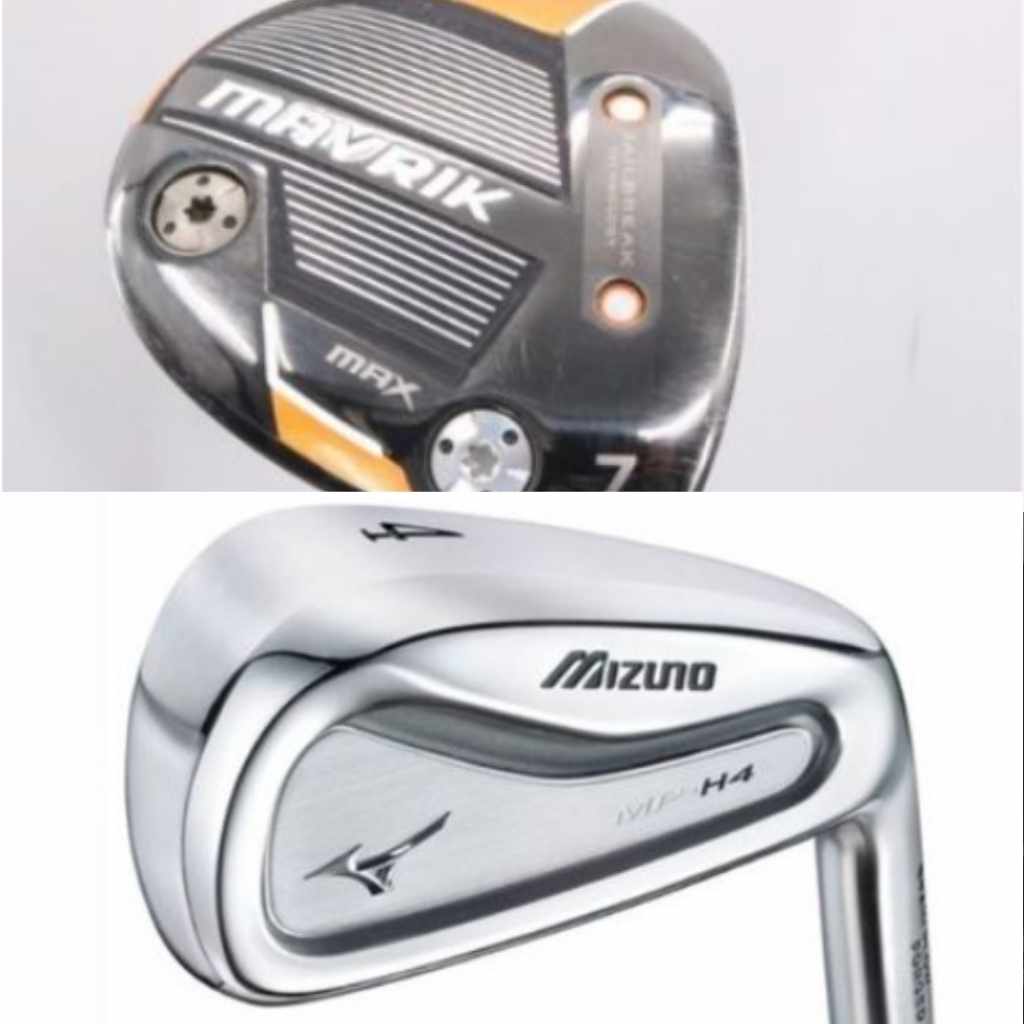
7 Wood Vs 4 Hybrid: Essential Distance
The essential distance between a 7-wood and a 4-hybrid boils down to loft and trajectory. Generally, a 7-wood flies slightly higher with a softer landing, while a 4-hybrid offers a slightly lower trajectory and more penetrating flight, making careful selection crucial for bridging specific gaps in your long game.
Welcome to the workshop! As a fellow DIY enthusiast and woodworker, I know that precision matters, whether you’re cutting a dovetail or selecting a club for a long fairway shot. Many new golfers find themselves confused standing over two very similar-looking clubs: the 7-wood and the 4-hybrid. Which tool is right for that tricky 180-yard gap? It’s easy to feel frustrated when you aren’t sure if you’re grabbing the right piece of equipment. Don’t worry! We are going to break down exactly what these two clubs offer so you can choose with confidence. By the end of this guide, you will know exactly when to reach for that trusty 7-wood and when the 4-hybrid becomes your best friend. Let’s get building—or rather, let’s start striking!
Understanding the Confusion: Why the 7-Wood and 4-Hybrid Seem So Similar
The primary reason these two clubs cause so much head-scratching is their overlap in distance potential. In a modern golf bag, both the 7-wood and the 4-hybrid are designed to hit the ball a moderate-to-long distance, often filling the space between your longest iron (or sometimes a fairway wood) and your shortest fairway wood. They both aim to be easier to launch than a low-lofted long iron.
However, underneath that visual similarity, their design philosophies are quite different. Think of it like choosing between a traditional hand saw and a jigsaw—both cut wood, but their shape dictates how they interact with the material. For golf clubs, it’s all about the loft, the shaft length, and the head shape.
The Tale of Two Clubs: Key Differences at a Glance
Before we dive deep into technology, let’s look at the core differences. These distinctions dictate how the ball flies off the face.
The 7-Wood Defined
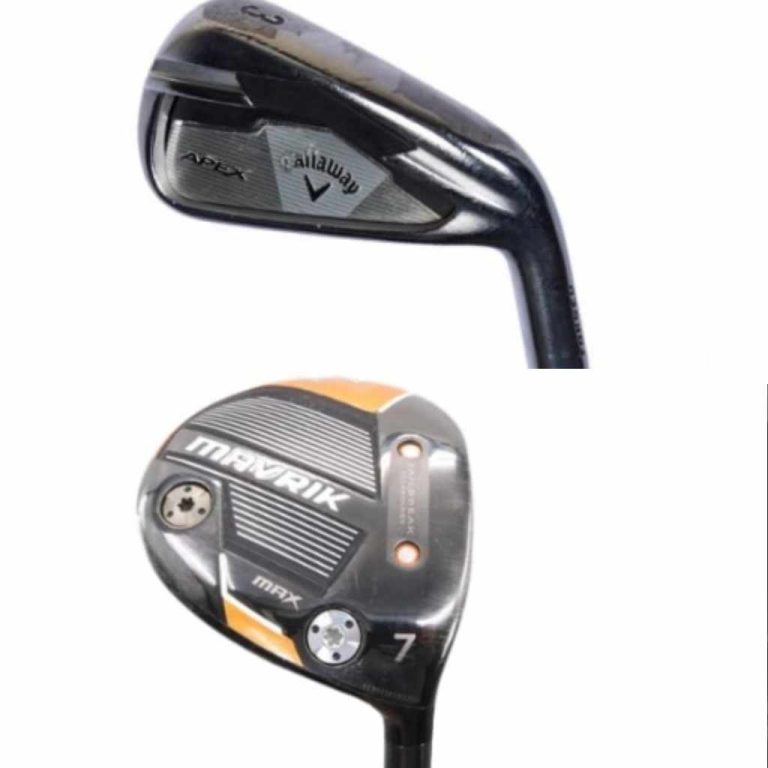
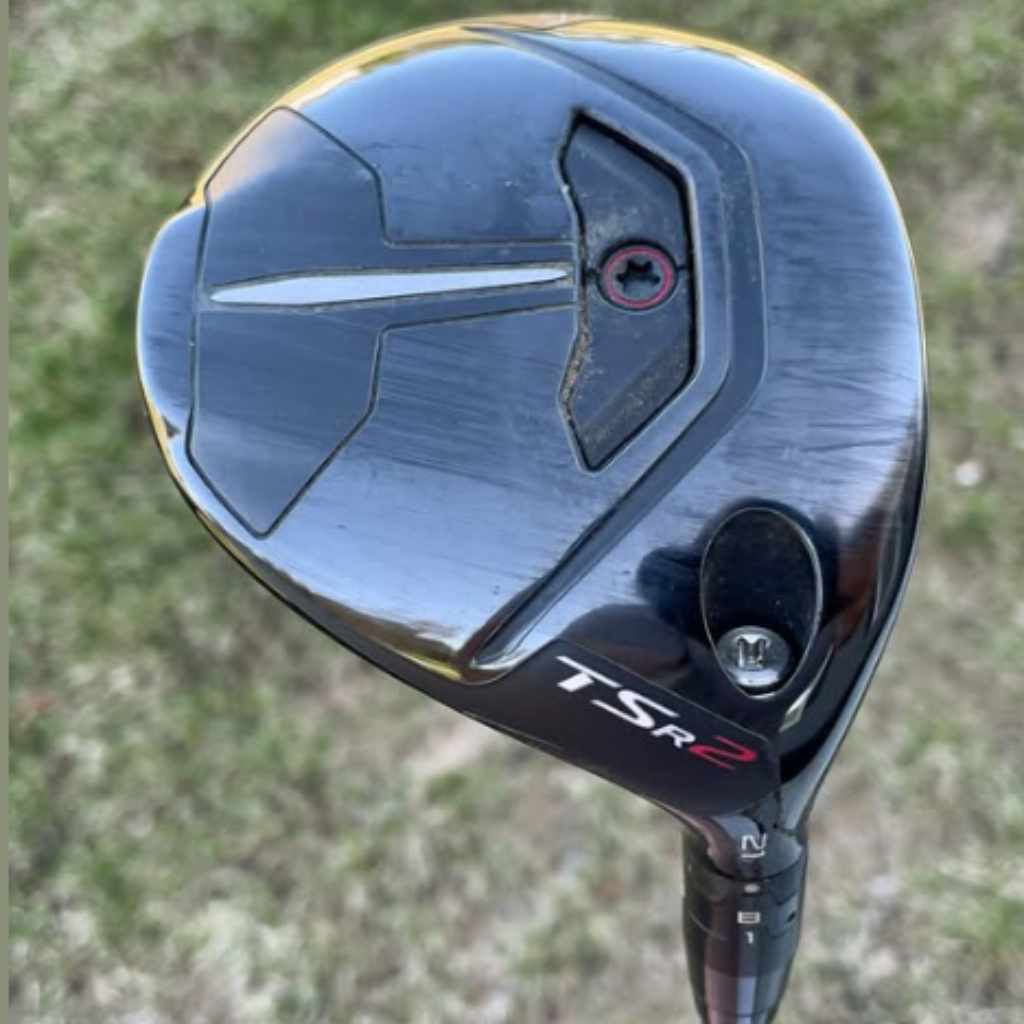
The modern 7-wood is essentially a high-lofted fairway wood. It has a larger, often shallower face profile compared to a hybrid. Because it’s designed to look and feel more like a classic wood (like a 3-wood or 5-wood), it inspires confidence for players who prefer a sweeping swing motion.
The 4-Hybrid Defined
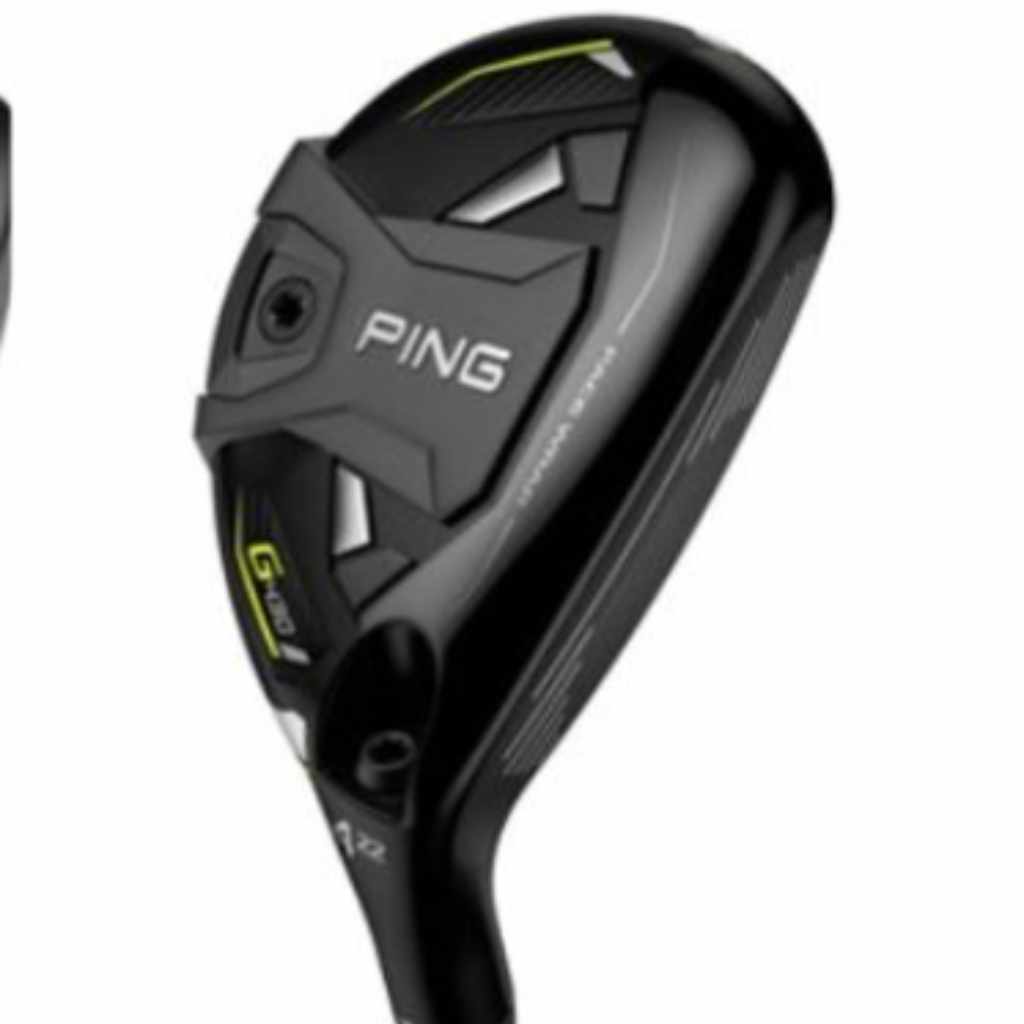
The 4-hybrid is designed to be the smooth-transition replacement for the traditional 4-iron. It has a smaller, more compact, hollow body (like a miniature fairway wood) that is easier to control when descending (hitting down) on the ball, which is how most better players strike longer irons.
The Deciding Factor: Loft Degrees
Loft is the single most important specification when comparing any two striking implements. Loft dictates trajectory, which directly impacts carry distance and landing angle.
In the table below, you can see the typical loft ranges. Remember, these numbers can vary slightly between manufacturers, so always check the specific club’s tag!
| Club Type | Typical Loft Range (Degrees) | Primary Design Goal |
|---|---|---|
| 7-Wood | 22° – 25° | Higher launch, softer landing, versatility from the fairway. |
| 4-Hybrid | 20° – 23° | Penetrating flight, replacing the difficult 4-iron, excellent from light rough. |
As you can see, the loft ranges often overlap, especially near the 22-degree mark. Manufacturers are constantly tweaking these numbers.
Why Loft Matters for Distance
Higher loft (like on the 7-wood) typically creates a higher peak height for the ball. This high arc means the ball spends more time in the air, leading to a softer landing angle. This is fantastic when hitting into firm greens.
Lower loft (like on the lower end of the 4-hybrid range) produces a more penetrating, lower trajectory. This shot cuts through wind better and usually rolls out further upon landing, often resulting in slightly longer total distance if the turf is receptive.
Shaft Length and Swing Weight: The Feel Factor
Beyond loft, the physical makeup of the club changes how you swing it and how the ball comes off the face.
Shaft Length
Generally, the shaft on a 7-wood will be slightly longer than the shaft on a 4-hybrid meant to replace a 4-iron. A longer shaft naturally generates more clubhead speed, which adds yards.
- 7-Wood: Longer shaft (closer to a traditional 5-wood length). More speed potential.
- 4-Hybrid: Shorter shaft (closer to a traditional long iron length). Easier to control the low point of the swing.
Center of Gravity (CG) Location
This is where the engineering magic happens. Hybrid heads are usually deeper from face to back and lower to high than fairway woods.
A 4-hybrid often features a lower, more centralized CG that helps launch the ball consistently, even when struck slightly low on the face. The 7-wood, having a larger, shallower face, often positions its CG slightly further back, promoting a higher launch angle across the board.
When to Choose the 7-Wood: Maximum Air Time
If your primary goal is air travel and versatility from the turf, the 7-wood should be your first thought. Think of it as a reliable “rescue” club.
Best Scenarios for the 7-Wood:
- Hitting into Greens: When you need the ball to stop relatively quickly on the green, the higher loft and steeper descent angle of the 7-wood helps hold the green surface.
- Long Fairway Shots: If you are on short, firm fairway grass, the wider sole of the 7-wood helps it glide cleanly through the turf without digging in—a common issue with hybrids or low irons.
- When You Need Confidence: Many players feel more comfortable sweeping up the ball with a wood-style head shape. If it looks like your 3-wood, you are more likely to swing aggressively through the ball without fear of bottoming out.
- Alternative Tee Club: For short Par 4s or tight Par 5s where you need a high, safe shot off the tee, the 7-wood offers excellent control compared to a lower lofted driver or 3-wood.
Remember, a well-struck 7-wood is designed for maximum forgiveness on off-center hits, often providing better distance retention than a hybrid when you miss slightly toward the toe or heel.
When to Choose the 4-Hybrid: Penetration and Precision
The 4-hybrid excels when control, trajectory manipulation, and handling tricky lies are the priority. It is the ultimate club for the player transitioning away from long irons who still wants to approach the ball with a slightly descending strike.
Best Scenarios for the 4-Hybrid:
- Windy Conditions: The lower, penetrating flight path flies under the wind better, reducing the effects of gusting breezes.
- Tight Lies or Light Rough: Because the 4-hybrid has a smaller profile and a sharper sole edge, it can cut through light rough or hit shots off tight fairway lies more effectively than the wider-soled 7-wood, which can sometimes get “stuck” if grass interferes with the wide bottom.
- Controlling the Rollout: If you are playing toward a green that has a lot of fairway leading up to it, the lower flight of the hybrid means the ball will tend to roll out more, adding meaningful total distance.
- Shot Shaping: For the golfer learning to curve the ball (a slight fade or draw), the smaller head and shorter shaft of the hybrid offer more workable control than the larger 7-wood head.
For those interested in understanding the physics behind how spin and launch angle affect distance, resources like those maintained by golf research foundations often provide excellent, science-backed insights into ball flight dynamics (Visit the USGA for more technical insights on equipment standards).
Bridging the Distance Gap: Typical Yardages
The core question is, “What distance do I get?” While this heavily depends on your swing speed, clubhead data, and turf conditions, we can establish a general rule of thumb. For an average amateur golfer with a moderate swing speed (say, 80-90 mph clubhead speed), this is how the distances might look side-by-side:
| Club | Average Carry Distance | Typical Loft | Ideal Result |
|---|---|---|---|
| 4-Hybrid | 175 – 195 yards | 21° | Penetrating, solid lander. |
| 7-Wood | 165 – 185 yards | 23° | High arc, soft landing. |
Notice the overlap! If you are 180 yards out, you might hit either club. This is where personal feel and course situation dictate the choice. If you need to stop the ball quickly at 175 yards, the 7-wood (higher loft) is safer. If you have firm ground and need to roll it out another 10 yards to reach the pin at 180 yards, the 4-hybrid might be the better option.
Making the Right Choice in the Workshop (On the Course) Section by Section
To simplify your decision-making process on the tee box or fairway, break down the hole requirement into three categories.
Scenario 1: Approach Shot to a Firm Green
Goal: High launch, maximum spin, stop quickly.
Tool: Lean heavily toward the 7-Wood.
The higher loft ensures that even if you don’t hit it absolutely perfectly, the extra airtime and higher angle will help settle the ball near the target rather than letting it run past.
Scenario 2: Hitting Out of Light to Medium Rough
Goal: Cut through the grass, maintain control, avoid “catching” the rough.
Tool: The 4-Hybrid often wins here.
The smaller, more compact head design of the hybrid (which mimics a shorter iron) is generally better at exiting tough lies cleanly. The wider sole of the 7-wood can sometimes grab the longer blades of grass.
Scenario 3: Playing Against Strong Headwinds
Goal: Keep the ball flight low and piercing to reduce wind interaction.
Tool: The 4-Hybrid.
The lower spin and lower launch angle inherent in the hybrid’s design make it ideal for battling the wind. A 7-wood might balloon up and travel nowhere near its intended distance when the wind gets behind it or pushes it sideways.
Scenario 4: Hitting Off Hardpan or Tight Lies
Goal: Ensure a clean strike without scooping.
Tool: Either can work, but the Hybrid is often preferred by stronger players.
If you are fighting a lie where the ball is sitting down slightly, the hybrid’s ability to be struck with a slightly descending blow keeps the trajectory lower and cleaner. However, if you struggle to hit down on the ball, the 7-wood’s shallower face makes it easier to sweep it up.
Testing and Custom Fitting: Treat Your Clubs Like Fine Woodworking Tools
Just like you wouldn’t use a dull hand plane for fine finishing, you shouldn’t use a club that doesn’t fit your swing. If you are serious about maximizing this gap in your bag, testing is mandatory.
Steps to Determine Your Ideal Club
- Gather Launch Data: The best way to test is using a launch monitor (like TrackMan or even cheaper home units). Measure your clubhead speed, ball speed, launch angle, and spin rate for both clubs.
- Identify Gaps: Hit 10 balls with each club, focusing on distance consistency. Where does your 7-iron end? Where does your 5-wood start? The 4-hybrid and 7-wood must fill the largest, most frequently encountered space between your current set.
- Feel Over Numbers (Sometimes): If the 4-hybrid gives you 2 yards more distance on the monitor but you consistently mishit it, stick with the 7-wood that offers you confidence and straighter misses. Confidence is the ultimate performance enhancer.
- Check Lie Angle: Ensure the sole of the club sits flat on the ground at address for both clubs. An incorrect lie angle (too upright or too flat) can cause consistent slices or hooks, regardless of the club type. For more on how equipment fits the player, you can review general guidelines from coaching associations such as the PGA of America instruction resources.
Safety First: Workshop and Workshop Analogies
In woodworking, safety gear prevents injury. In golf, choosing the right club prevents bad scores and frustration. Just as an unbalanced piece of lumber can cause a dangerous kickback, using a club that forces an unnatural swing can lead to injury or poor results.
Don’t force yourself to hit the 4-hybrid just because it’s supposed to be the “better” club for your handicap. If the 7-wood feels infinitely more comfortable and gives you 95% of the distance, that extra comfort is equivalent to wearing the right safety glasses—it keeps you focused and protected from bad outcomes.
Frequently Asked Questions (FAQ) About 7-Woods and 4-Hybrids
Q1: Can a 7-wood replace a 5-iron in my bag?
A: For most average or beginner golfers, yes! A 7-wood typically offers the yardage of a 5-iron or perhaps a 4-iron but with much greater forgiveness and a higher launch angle, making it significantly easier to hit consistently.
Q2: Which club is generally easier to hit for a beginner?
A: The 7-wood is often marginally easier for a true beginner. Its wood-like head shape and higher loft encourage an upward swing or a sweeping motion, which prevents the common issue of hitting the ground first (a “fat shot”).
Q3: Should I carry both a 7-wood and a 4-hybrid?
A: It depends on your swing speeds and distance gaps. If you have a significant yardage gap between your longest iron (say, 6-iron at 170 yards) and your shortest fairway wood (say, 5-wood at 210 yards), then yes, having both might be beneficial to cover the 180–200-yard range perfectly.
Q4: What happens if I try to hit the 7-wood like an iron?
A: You will likely catch the ball too high on the face or thin it out. The 7-wood is designed to be swept or lifted slightly. Trying to hit down on it like a traditional iron often leads to topping the ball or very high, short shots.
Q5: Is the 4-hybrid always longer in total distance than the 7-wood?
A: Not necessarily. While the 4-hybrid can have a lower trajectory that rolls out further, the 7-wood often carries the ball slightly farther due to its typically longer shaft and slightly higher true loft providing more airborne time. Total distance varies greatly based on turf conditions.
Q6: How does the sound and “feel” compare between the two?
A: 4-hybrids usually produce a sharper, more solid impact sound, similar to a solid iron strike, especially those made with robust steel components. 7-woods, being hollow and larger, tend to produce a slightly deeper, more muted “thwack” sound, similar to a smaller fairway wood.
Final Assembly: Putting the Knowledge to Work
Deciding between the 7-wood and the 4-hybrid isn’t about determining which club is universally “better”—it’s about understanding which club fits the specific need of the shot required and, most importantly, which club aligns with your natural swing tendencies.