The 11700 Block of Walnut Wood Drive: What the Street Name Actually Means
“Walnut Wood Drive” is a common U.S. residential street name — there are blocks with this name (including an 11700 block) in more than one city. This guide covers what to expect from a typical suburban street with this name, why streets get named after wood species in the first place, and what “walnut wood” actually refers to if you are curious about the name itself. It is general, not a first-hand account of one specific address, since the exact block varies by city.
What an “11700 Block of Walnut Wood Drive” Usually Looks Like
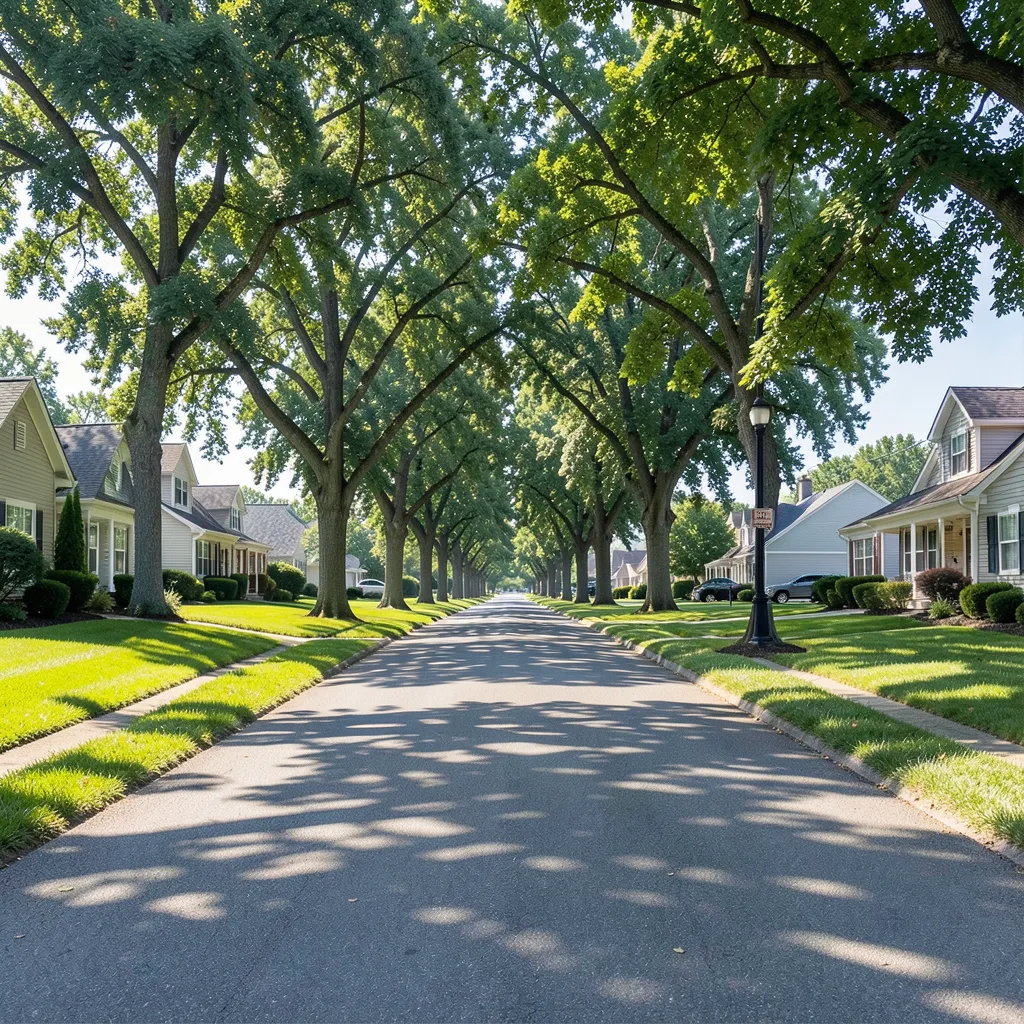
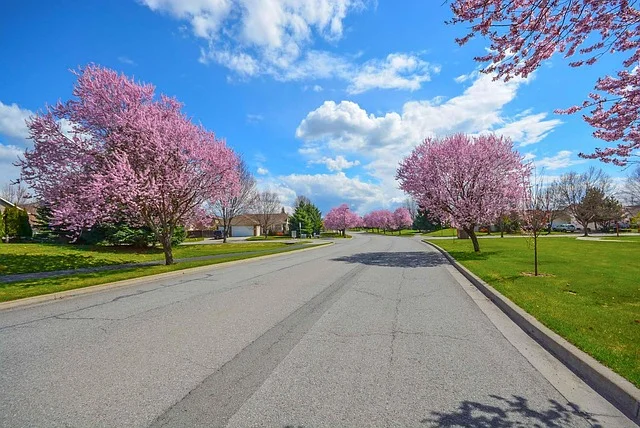
Street numbers in the 11,000-plus range typically sit well outside a city’s older core, in a subdivision built during a later expansion phase. Streets named after trees or wood species — Walnut Wood, Oak Lane, Maple Court — are a naming convention builders have used for decades because it reads as established and residential rather than industrial. A block like this is usually a standard single-family subdivision street: similar-aged homes, a shared HOA in many cases, sidewalks, and modest front yards rather than large lots.
Why Streets Get Named After Walnut Wood
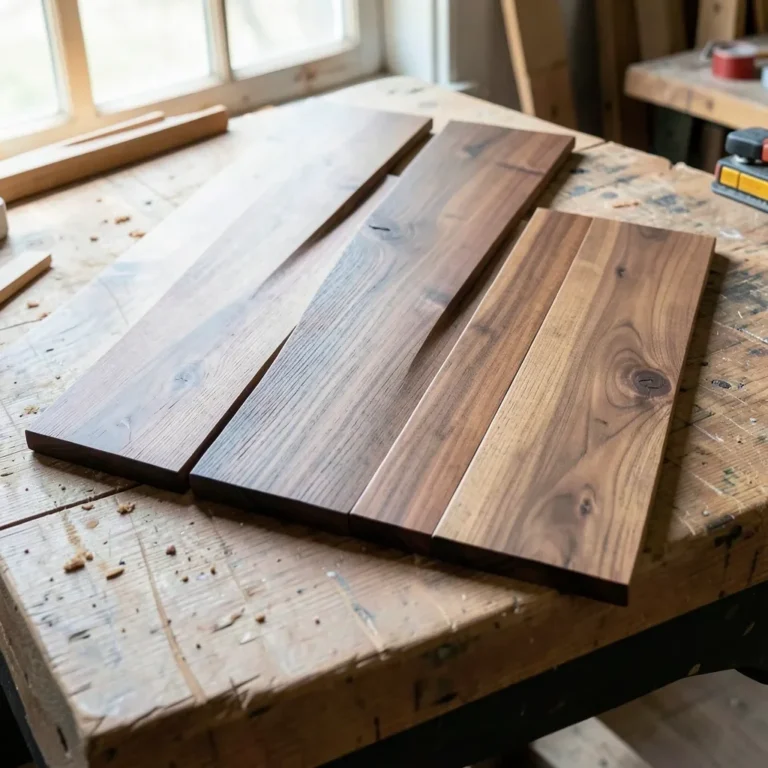
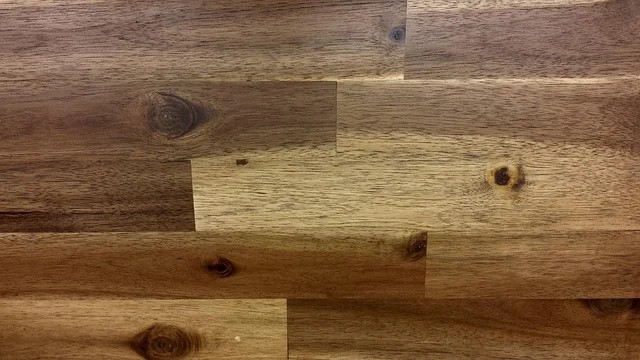
Walnut wood has a long association with quality furniture and home interiors — its rich, dark brown color and fine grain made it a premium choice for cabinetry, trim, and flooring long before modern subdivisions existed. Developers naming a street “Walnut Wood” are usually borrowing that association (established, upscale-sounding) rather than referring to actual walnut trees on the block, though older neighborhoods sometimes do have walnut trees that gave the street its name originally.
If You’re Researching a Specific Address
Since “Walnut Wood Drive” exists in multiple cities, general neighborhood impressions are not a substitute for checking the specific block you have in mind. For an actual address:
- Confirm the city: search the full address, not just the street name, since duplicates exist nationwide.
- Check crime data: a site like CrimeReports or the local police department’s public dashboard covers the actual block, not a national average.
- Check HOA and school zoning: these vary block-by-block even within the same subdivision name pattern.
- Walk or drive it if possible: street-level details (traffic near a main road, distance to the nearest grocery store) matter more than the name.
If You’re Buying a Home With Real Walnut Wood Trim or Flooring
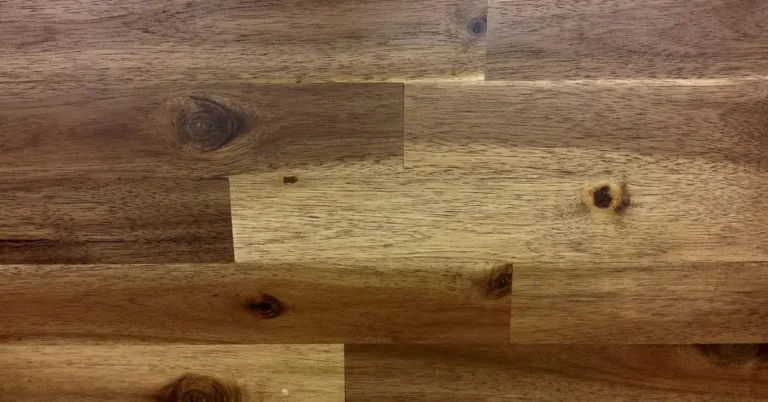
If the name got you curious about actual walnut wood in a home — trim, cabinets, or flooring — a few practical things are worth knowing before you budget for it. Genuine walnut flooring or trim is a mid-to-premium material; it dents more easily than oak or maple (walnut’s Janka hardness rating is around 1010, noticeably softer than oak’s roughly 1290), but it also takes stain and oil finishes evenly and ages to a richer color over time. If a home listing describes “walnut” floors, it’s worth confirming whether that means solid walnut, walnut veneer, or simply a walnut-colored stain on a cheaper wood — the difference matters for both value and long-term care.
Frequently Asked Questions
Is “Walnut Wood Drive” a real street?
Yes — it’s a real street name used in multiple U.S. cities, since developers commonly name subdivision streets after wood species and trees. There is no single “the” Walnut Wood Drive; the specific block depends on the city.
How do I check safety for a specific block?
Use a site like CrimeReports or the local police department’s public crime map for that exact address, rather than relying on general neighborhood reputation, which can vary street to street even within the same subdivision.
Does the street name mean the homes have walnut wood in them?
Not necessarily. Street names referencing wood species are usually a branding choice by the original developer and don’t indicate anything about the materials used inside individual homes.
What should I know before buying a home with walnut flooring?
Confirm whether it’s solid walnut, veneer, or a walnut-colored stain on a different wood, since this affects both value and maintenance. Solid walnut is softer than oak and shows dents more easily, but refinishes well.
Conclusion
“Walnut Wood Drive” is a common subdivision street name rather than a single specific place, and the name itself is a nod to walnut wood’s reputation in home interiors rather than a guarantee of anything about a given block. If you’re researching an actual address, check that block’s own crime data, HOA rules, and school zoning directly rather than going on the street name alone.
Sponsored / affiliate links. As an Amazon Associate I earn from qualifying purchases. I may earn additional commission from eligible campaigns.