How Does Walnut Shell Cat Litter Work? Pros, Cons & Vet Tips
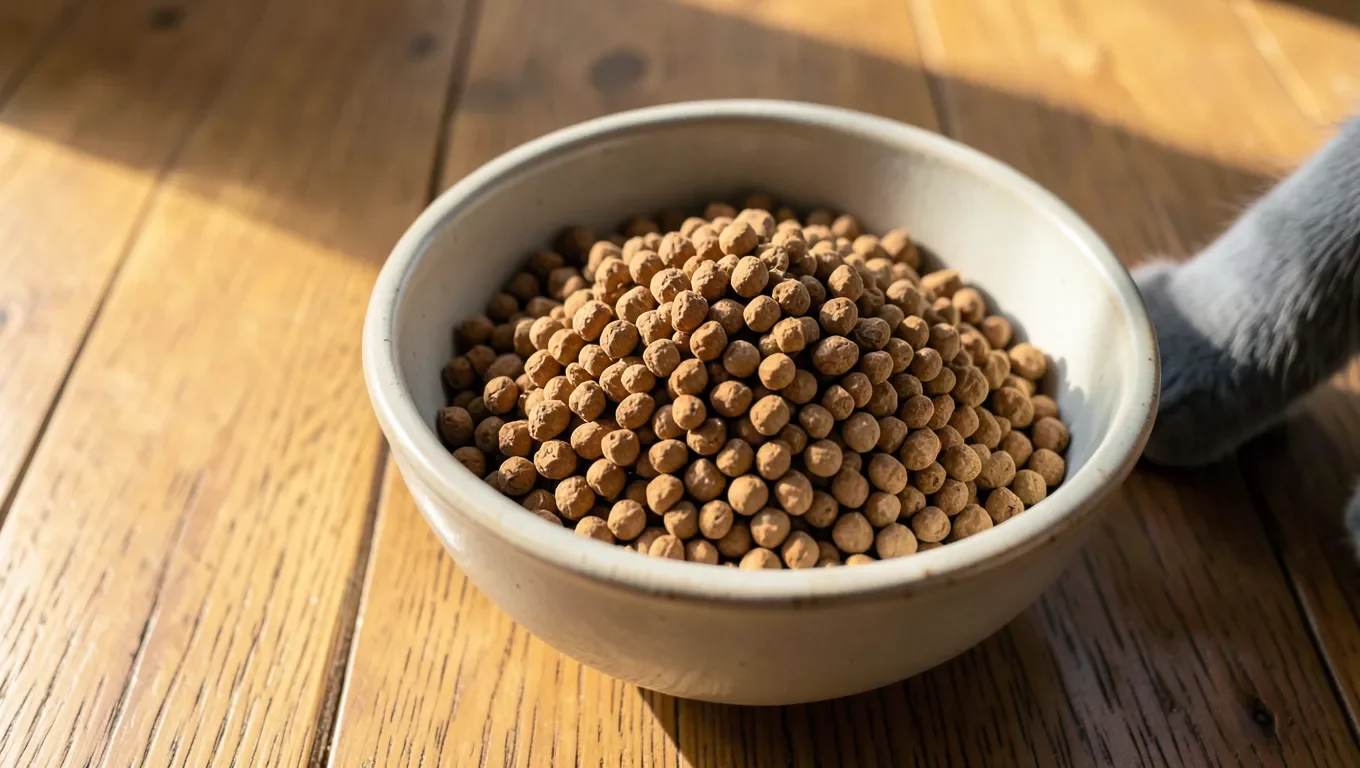
Walnut shell cat litter works by using crushed, kiln-dried walnut shells — a byproduct of walnut lumber and nut processing — to soak up moisture and trap odor naturally, without the clay dust or chemical fragrances found in traditional litter.
It’s a genuinely useful alternative for a lot of households, but it isn’t a perfect swap for clay in every situation. Below is what walnut shell litter actually does well, where it falls short compared to clumping clay, and one health consideration — not covered on most cat litter pages — that’s worth knowing before you switch, especially if your cat has ever chewed or eaten litter.
How Walnut Shell Cat Litter Works
Walnut shells are extremely hard and porous at a microscopic level — the same density that makes them useful as an abrasive in sandblasting media is what makes crushed shell fragments so absorbent. Manufacturers dry, crush, and grade the shells into granules or pellets, then bag them as-is (non-clumping) or treat them with a plant-based binder that makes the granules clump when they contact liquid, similar to how bentonite clay clumps.
The shell material itself contains natural tannins and phenolic compounds that bind to ammonia molecules, which is the main source of litter-box odor. That’s a genuinely different mechanism than clay, which mostly relies on physically trapping moisture rather than neutralizing the compounds that smell.
BEST WALNUT SHELL CAT LITTER
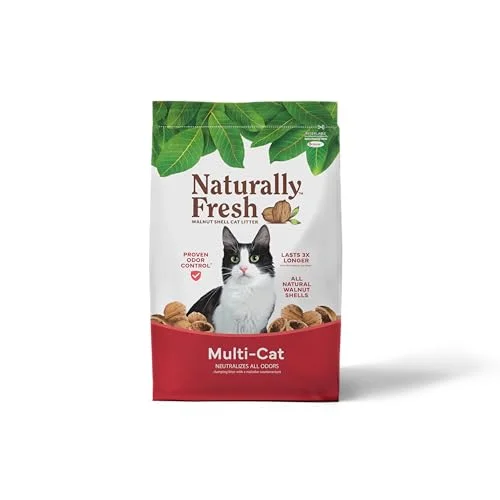 |
Naturally Fresh Cat Litter Made from Walnut Shells, Multi-Cat, 30 Lbs – $35.76 A quick-clumping walnut shell litter that forms hard clumps in about 15 minutes and is one of the most established brands in this category, with a low-dust, unscented formula.
|
The Real Benefits
- Natural odor control: The tannins in walnut shell bind ammonia rather than just masking it with fragrance, so it tends to smell less “chemical” than scented clay.
- Low dust: Walnut shell doesn’t crumble into fine dust the way clumping clay can, which matters for cats (and owners) with asthma or sensitive airways.
- Biodegradable: Unscented, non-clumping walnut shell litter can typically be composted or flushed in small amounts (check the specific product’s label — clumping formulas with added binders usually shouldn’t be flushed), unlike clay, which never breaks down.
- Lightweight: A given volume of walnut shell litter weighs noticeably less than the same volume of clay, which makes carrying bags and changing the box easier.
- Byproduct material: Walnut shell litter is made from shells left over after walnut lumber milling and nut processing — material that would otherwise be waste, similar to how sawdust and wood chips get repurposed in other products.
The Honest Drawbacks
Most articles on this topic only list the benefits. Here’s what actually goes wrong for some owners:
- It can track more than clay, not less. The shell fragments are irregularly shaped rather than round, and they can wedge into a cat’s paw pads and get carried further than fine clay granules do. On light-colored floors, tile grout, or light carpet, the dark brown dust and fragments show up and can leave faint staining over time — a litter mat at the box entrance makes a real difference here.
- Clumping is inconsistent between brands. Non-clumping walnut shell litter doesn’t form solid clumps at all, which makes scooping just the waste (instead of large wet sections) much harder. Even clumping formulas generally don’t clump as tightly or as fast as premium clumping clay, so check specifically whether a product is labeled “clumping” before buying, and don’t assume all walnut litters behave the same.
- Dark color hides urine clumps. Clay litter’s light gray color makes wet clumps easy to spot at a glance. Walnut shell’s dark brown color makes it harder to see clumps until you’re actively scooping, which can make it easier to under-monitor a cat’s litter box habits — something worth paying closer attention to if you’re watching for urinary issues.
- Nut allergy risk. Households with a walnut or tree nut allergy should know that handling and disposing of walnut shell litter involves direct contact with ground walnut material, and airborne dust from pouring it can be a concern for a severe allergy.
Why Some Vets Don’t Recommend It for Cats That Eat Litter
This is the one thing most walnut shell litter pages leave out entirely. Pica — the compulsive eating of non-food items — shows up in a meaningful number of cats, especially kittens, cats with certain medical or behavioral conditions, and some breeds like Siamese. Unlike clay, which passes through in small amounts, walnut shell fragments are hard and largely indigestible. If a cat with pica ingests a substantial amount of walnut shell litter, the fragments can cause gastrointestinal irritation or, in more serious cases, an intestinal obstruction that requires emergency veterinary treatment.
To be clear: walnut shell litter is not toxic, and the vast majority of cats never eat their litter and are completely fine with it. But if you already know your cat mouths, chews, or eats litter, most vets suggest either sticking with a litter that breaks down more easily if swallowed or watching very closely during the switch and stopping immediately if you notice vomiting, lethargy, reduced appetite, or straining — all signs that warrant a same-day vet visit, not a wait-and-see approach.
Walnut Shell vs. Clay vs. Other Natural Litters
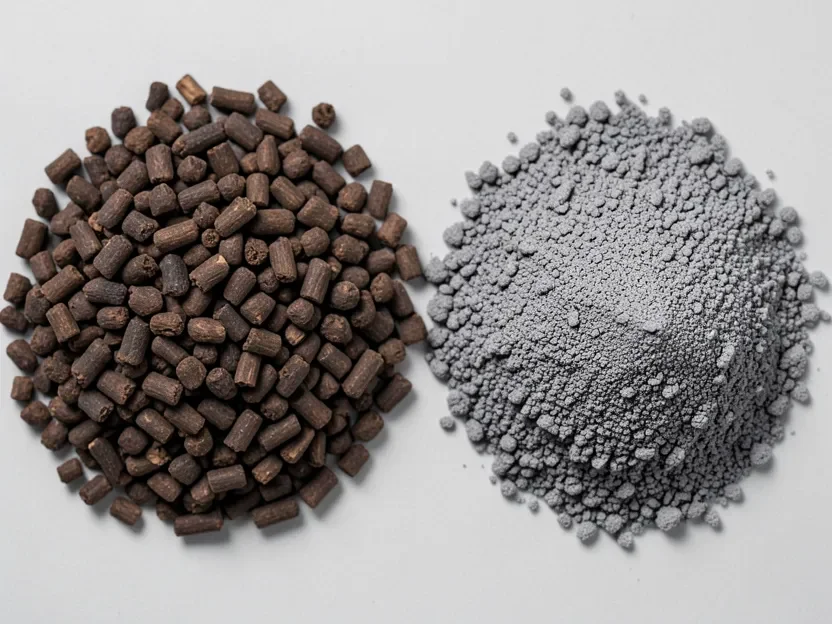
Clumping clay: Still the benchmark for tight, reliable clumps and light color that makes waste easy to spot. It’s heavier to carry, dustier, and doesn’t biodegrade — it’s essentially permanent in a landfill.
Silica gel crystals: Excellent moisture absorption and long-lasting, but doesn’t clump (you’re stirring and replacing sections rather than scooping) and some cats dislike the texture on their paws.
Pine and corn litters: Both biodegradable and generally lower dust, but pine can have a strong scent some cats avoid, and corn litter has been linked to mold growth in humid climates if it isn’t changed often enough.
Walnut shell: Best natural-odor control of the biodegradable options and among the lightest to carry, at the cost of more tracking, inconsistent clumping between brands, and the pica consideration above.
Where the Shells Actually Come From
Black walnut is a prized furniture and cabinetry hardwood, and English walnut is grown mainly for its nuts — but both leave behind a hard, woody shell that has no structural use in lumber or woodworking. Rather than sending that shell material to a landfill, processors crush and kiln-dry it into granules for a range of industrial uses: walnut shell grit is a long-standing abrasive in sandblasting and tumbling media (it’s soft enough not to gouge metal but hard enough to strip paint and rust), and the same hardness and absorbency make it useful for oil-spill cleanup and cosmetic exfoliants. Cat litter is simply the latest use for a wood byproduct that’s been repurposed in industrial settings for decades. If you’ve ever wondered why walnut shell litter feels more like tiny wood pellets than clay dust under a magnifying glass, that abrasive-media background is exactly why.
Making the Switch Without a Litter Box Boycott
Cats are creatures of habit about their litter box specifically, and a sudden full swap is the most common reason a switch fails. Mix a small amount of walnut shell litter into the existing clay for about a week, gradually increasing the ratio, and keep a second box with the old litter available during the transition in case your cat rejects the new texture outright. If you have more than one cat, introduce it in only one box at first rather than switching every box in the house at once.
Frequently Asked Questions
How does walnut shell cat litter work?
It uses crushed, dried walnut shells whose natural tannins bind to ammonia and neutralize odor, while the porous shell fragments absorb moisture. Clumping formulas add a plant-based binder so the granules form solid clumps around waste, similar to clay.
Is walnut shell cat litter safe for cats?
Yes, for the large majority of cats. It’s non-toxic and free of the chemical fragrances found in some clay litters. The one exception is a cat with pica (a habit of eating litter), since the hard, largely indigestible shell fragments can cause gastrointestinal irritation or, rarely, a blockage if a cat swallows a substantial amount.
Does walnut shell litter track more than clay?
It often tracks more, not less. The irregular shell fragments wedge into paw pads more easily than fine, round clay granules, and the dark color makes tracked litter and light staining more noticeable on pale floors, grout, or carpet. A litter mat at the box entrance significantly reduces this.
Can cats get sick from eating walnut shell litter?
A cat that occasionally mouths a piece of litter is unlikely to have a problem. A cat with pica that eats a substantial amount of walnut shell litter is at real risk of gastrointestinal irritation or an intestinal obstruction, since the shell fragments don’t break down easily. Vomiting, lethargy, reduced appetite, or straining after a switch warrants a same-day vet visit.
Is walnut shell litter better than clay?
It depends on what you’re optimizing for. Walnut shell wins on natural odor control, dust, weight, and biodegradability. Clay wins on clump consistency, tracking, and how easily you can spot waste against its lighter color. Neither is objectively “better” for every household — it comes down to your priorities and whether your cat has a history of eating litter.
Sponsored / affiliate links. As an Amazon Associate I earn from qualifying purchases. I may earn additional commission from eligible campaigns.