Acorn Vs Walnut Wood Color: Essential Guide
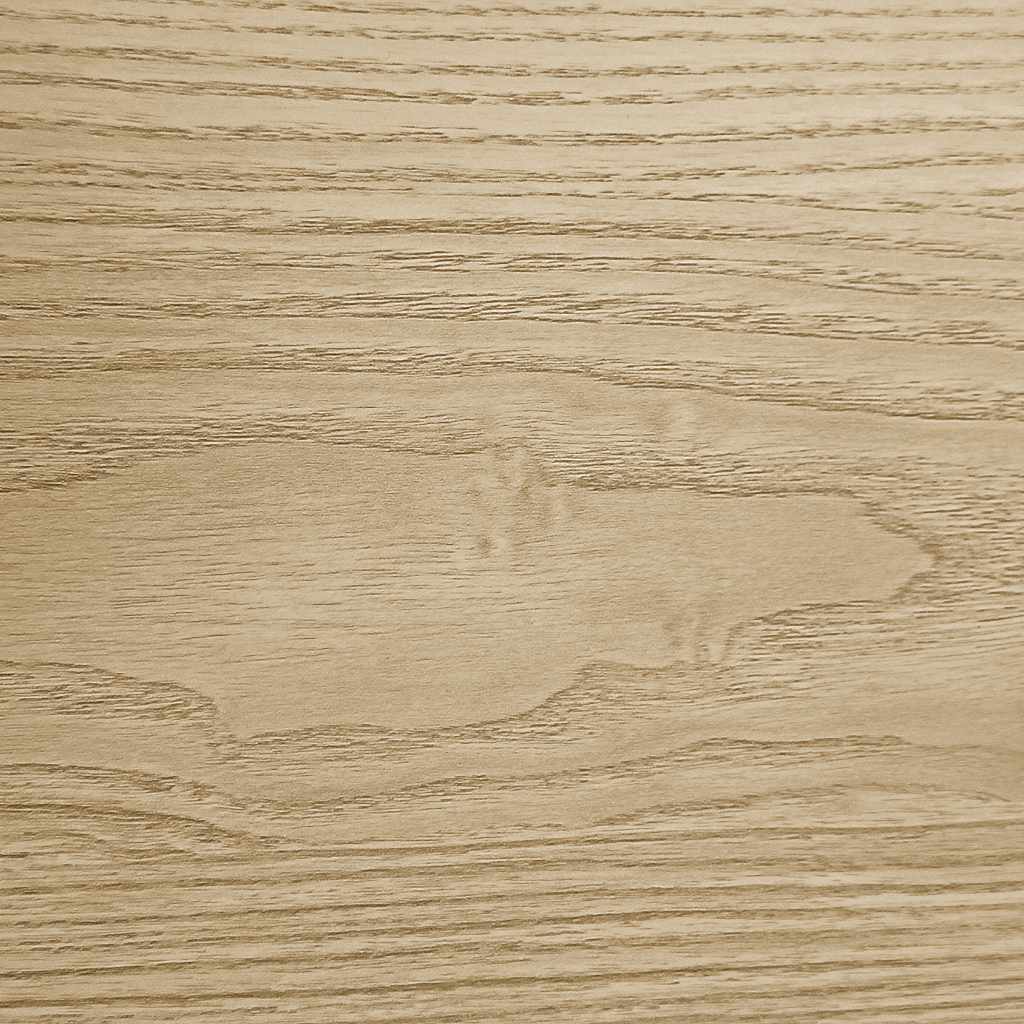
Acorn vs walnut wood color can be tricky for beginners because both look like rich medium-to-dark brown woods. The key difference lies in walnut’s deeper, often purplish undertones and acorn’s more muted, earthy tan or light brown hue, making selection easier once you know what to look for.
Welcome to the workshop! Choosing the right wood color is one of the first big decisions in any woodworking project. It sets the mood for your entire piece, whether it’s a small shelf or a big dining table. Sometimes, wood names sound very similar, and comparing “acorn” and “walnut” colors can confuse even experienced builders.
Don’t worry, friend. We are going to clear this up right now, simply and clearly. By the end of this guide, you’ll spot the difference instantly and choose the perfect shade for your next creation. Let’s dive into the beautiful world of wood tones!
When you are standing in the lumber aisle or browsing online stain samples, matching colors accurately is crucial. While both acorn and walnut are beloved for their warm, natural tones, they occupy different spaces on the color spectrum. Understanding these subtle differences helps prevent costly mistakes and ensures your finished piece looks exactly how you envisioned it.
Understanding Wood Color Terminology for Beginners
Before we compare the two specifically, let’s quickly define what we mean when we talk about a wood’s “color.” Wood color isn’t just one shade; it involves three main components:
- Hue: This is the actual base color—red, yellow, brown, etc.
- Value: This refers to how light or dark the color is (light tan vs. deep chocolate).
- Chroma (Intensity): This is the purity or dullness of the color. Rich, vibrant colors have high chroma; muted colors have low chroma.
When comparing acorn vs walnut wood color, we are primarily looking at subtle shifts in hue and value.
Deep Dive: Walnut Wood Color Characteristics
Walnut—often referring to Black Walnut (Juglans nigra) in North America—is widely considered a premium hardwood. Its color is its defining feature and a major reason for its high value.
The Typical Walnut Hue
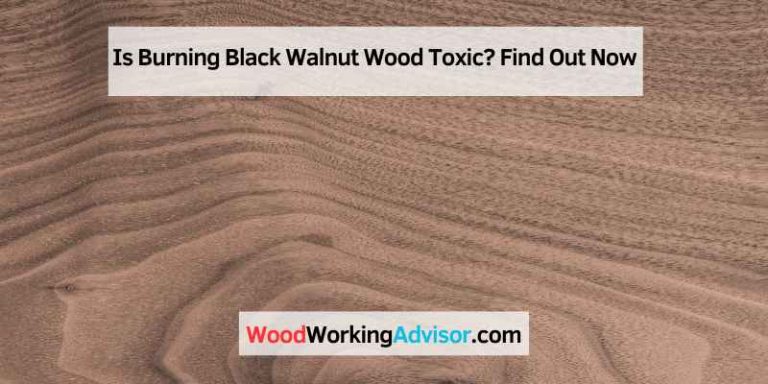
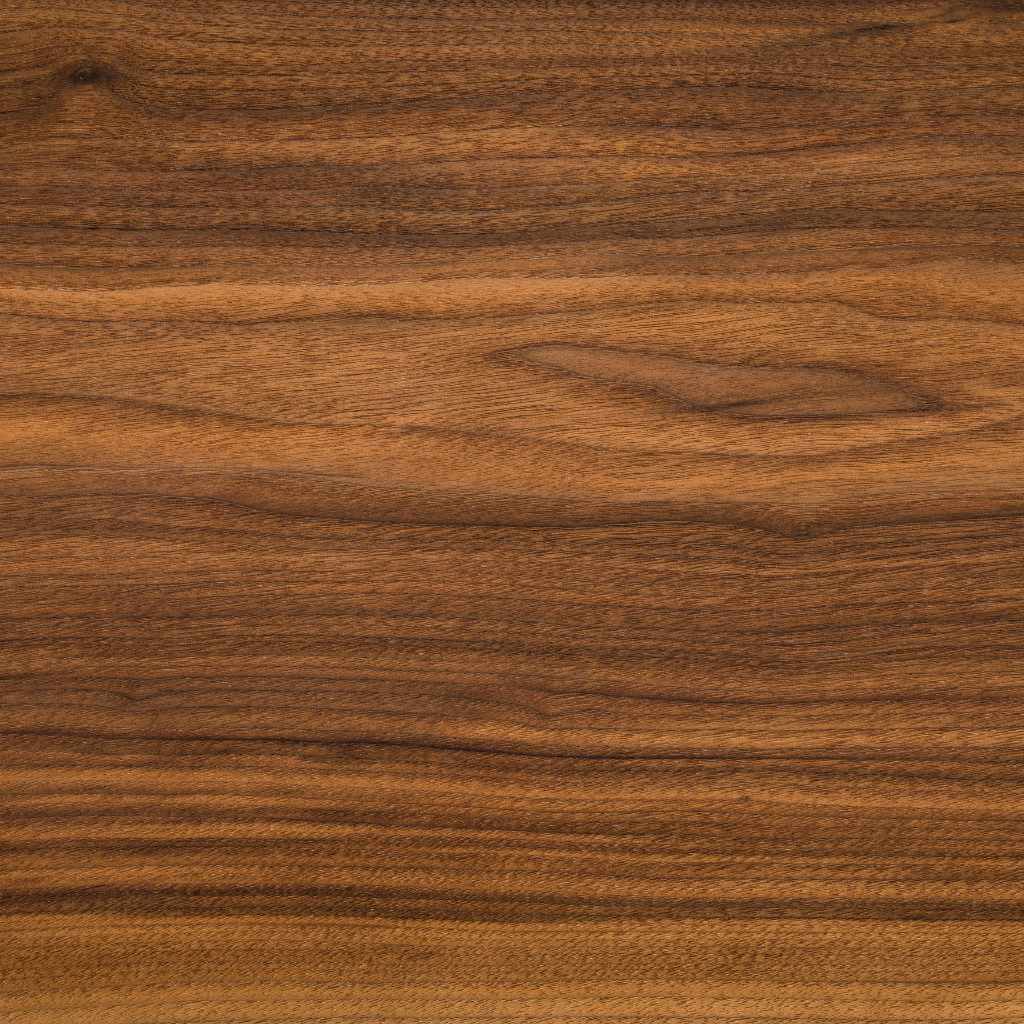
Walnut is famous for its extremely rich, dark brown appearance. It’s not just brown; it often has beautiful undertones:
- Primary Color: Deep, chocolate brown.
- Undertones: Look closely, and you might see hints of purple, gray, or deep reddish-brown mixed in. This complexity gives walnut its premium look.
- Color Variation: Walnut is known for having significant color variation, even within the same plank. You will often see light sapwood (creamy yellow to white) right next to the dark heartwood.
Walnut Value and Grain
The value of walnut is usually dark, but it can lighten significantly if exposed to too much sunlight over time. Its grain pattern is usually straight but can sometimes feature beautiful, swirling burls or crotch figures, adding visual depth that pure “acorn” tones often lack.
For a quality reference on wood identification and properties, resources like the Wood Database offer extensive, technical details on species coloration.
Deep Dive: Acorn Wood Color Characteristics
The term “acorn” in woodworking color usually refers to a very specific, warmer, mid-range brown. It’s less about a single tree species and more about a desired stain or finish color that mimics the color of an oak acorn cap.
The Typical Acorn Hue
If you see a finish labeled “Acorn,” expect:
- Primary Color: A true, earthy medium brown. It sits comfortably between a light tan and a dark walnut.
- Undertones: Acorn tones typically lean heavily toward yellow or golden undertones, making them warmer than many walnuts. They generally lack the deep purple or gray casts found in classic walnut.
- Consistency: When used as a stain name, acorn usually implies a relatively consistent application of color across the grain, making it easier to match across different boards.
Acorn Value and Grain
The value is generally medium. It’s dark enough to look substantial but light enough that you can easily see the fine grain details in the wood beneath.
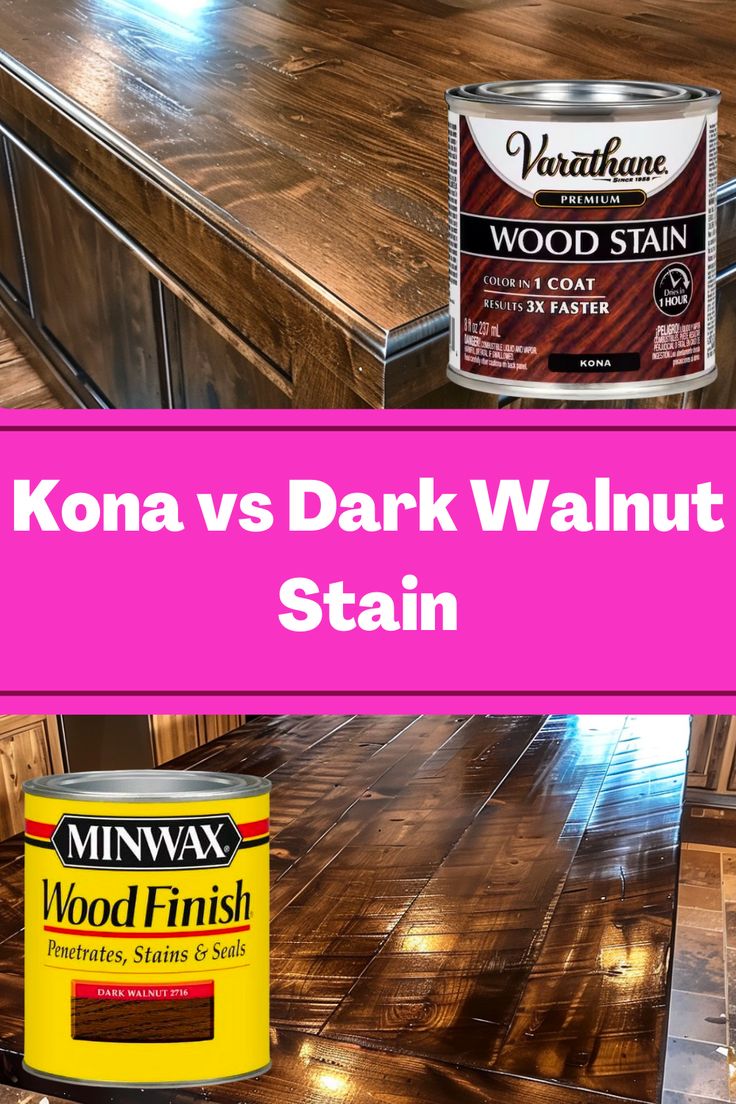
Mentor Tip: In many commercial finishes (like those made by Minwax or Varathane), “Acorn” is a stain designed to give pine or maple a handsome, warm brown look, often mimicking lighter oaks or hickories, rather than an actual wood species color itself.
The Head-to-Head Comparison: Acorn Vs Walnut Wood Color
To make this crystal clear, let’s put these visual characteristics side-by-side. This table focuses on the general perception of these two colors as seen in lumber or popular stains.
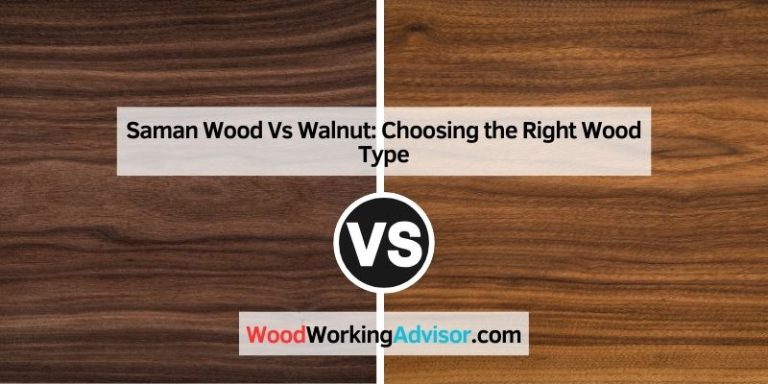
| Feature | Walnut Wood Color (Heartwood) | Acorn Wood Color (Typical Finish) |
|---|---|---|
| General Value (Light/Dark) | Dark to Very Dark Brown | Medium Brown to Light Tan-Brown |
| Dominant Undertones | Purple, Gray, or Deep Reddish-Brown | Yellow or Golden Brown |
| Richness/Depth | Very Rich and Complex | Earthy and Simple/Uniform |
| Species Association | Black Walnut (Juglans nigra) | Often a Stain name (mimicking Oak or Hickory) |
| Sapwood Presence | Prominent light sapwood often visible | Less defined contrast, more uniform |
When to Choose Walnut
You should lean toward walnut if your project demands:
- A Luxurious, Formal Look: Walnut feels classic and expensive. It’s perfect for fine furniture like dressers, display cabinets, or high-end built-ins.
- Deep Contrast: If you want to showcase highly figured grain (like crotch or burl), walnut’s dark field color makes the lighter parts pop dramatically.
- Natural Dark Tones: You prefer minimal staining and want the inherent richness of the wood to shine through.
Remember, authentic walnut lumber can be pricey. If you love the look but are budget-conscious, finishing a less expensive wood (like soft maple) with a high-quality dark stain that incorporates walnut undertones is a great DIY alternative.
When to Choose Acorn
The acorn tone is a fantastic choice when your goals are:
- Warmth and Approachability: Acorn brings a welcoming, sunny warmth to a room. It works wonderfully for casual pieces like coffee tables or kitchen islands.
- Easier Grain Matching: Because acorn is often a stain applied to common woods, the final result is usually more uniform, which can hide minor inconsistencies between boards.
- Complementing Existing Decor: If your room has lots of creamy whites, yellows, or gold accents, the golden base of the acorn color will blend seamlessly.
If you are starting out, working with a medium, forgiving color like “acorn” often leads to fewer visible mistakes in the finishing stage than trying to perfectly apply a deep, dramatic color like walnut!
The Impact of Wood Species on Final Color
This is a huge secret that often trips up beginners: the wood underneath the finish matters!
The same “acorn” stain will look drastically different on Red Oak versus Poplar. Here’s why:
- Open Grain Woods (Oak, Ash): These absorb stain heavily into their deep pores, often resulting in a darker, more textured look.
- Closed Grain Woods (Maple, Birch): These woods absorb stain unevenly (blotching). Light stains like “acorn” can sometimes look paler, but very dark stains can look almost black because the pigment sits heavily on the surface.
If you are working with true Walnut, note that it is generally a medium-to-closed grain wood, which means it accepts most finishes quite evenly. If you are trying to achieve the look of walnut using a cheaper wood, always test your stain first!
Testing Your Finish: The Golden Rule of Woodworking
As your mentor, I cannot stress this enough: Never trust the can label alone.
Before you apply any stain, especially when comparing acorn vs walnut wood color perception, you must test on scrap wood from the actual project batch.
Simple Steps for Testing Stains
- Prep Identical Scraps: Take three small pieces of the exact wood you are using (e.g., three pieces of the same Poplar board).
- Sand Uniformly: Sand all three pieces through the same grits (e.g., 80, 120, 220).
- Apply Test Coats: Apply walnut stain sample to one, acorn stain sample to the second, and perhaps a clear coat (no stain) to the third for a baseline.
- Observe Dry Color: Let them dry completely. Stains often change color slightly when they cure.
- Apply Topcoat: (Optional but recommended) Apply your chosen protective topcoat (like polyurethane) over the dried stains. This mimics the final look, as topcoats often deepen or enrich the stain color significantly.
If reading about wood chemistry interests you, understanding how stains react with wood tannins can be fascinating. For example, knowing that vinegar and steel wool solutions react with tannins to create dark colors is key to deep staining projects. You can read more about wood chemistry basics from extension services, like those offered by some state USDA-affiliated research centers.
Finishing Touches: Bringing Out the Best Color
Once you’ve chosen between the rich depth of walnut or the warm glow of acorn, how you finish the wood will finalize the color.
The Role of the Topcoat
The finish you apply over your stain—be it oil-based poly, waterborne lacquer, or natural oil—acts like a filter:
- Oil-Based Finishes: These tend to yellow or amber over time, enhancing the warm, golden tones. This usually makes an Acorn finish look even warmer and can add a slight reddish cast to Walnut.
- Water-Based Finishes: These are clearer and “cooler.” They often retain the original stain color more accurately and are better if you are aiming for a very gray or muted Walnut look.
If you are using genuine Walnut, a clear oil finish (like Tung oil) is heavenly, enhancing the natural depth without adding distracting yellowing.
Summary Table: Choosing Your Project Aesthetic
Here is a quick decision-making guide based on common woodworking moods:
| Desired Aesthetic | Color Recommendation | Why It Works |
|---|---|---|
| Formal, Traditional Library | Deep Walnut Stain/Lumber | Provides the deepest contrast and sense of luxury. |
| Modern Farmhouse Kitchen | Warm Acorn Stain (on Maple/Poplar) | Keeps the space bright while ensuring durability and warmth. |
| Arts & Crafts Mission Style | Medium Walnut Stain | A balanced hue that respects the grain complexity typical of this style. |
| Budget-Friendly Accent Piece | Acorn Stain on Pine | Affordable base wood takes the warm stain well for a rich, consistent look. |
Frequently Asked Questions (FAQ) about Wood Colors
Q1: Can I make cheap pine look like walnut?
A: Yes, you absolutely can! Pine requires a pre-stain wood conditioner first, as it absorbs irregularly. Use a high-quality dark walnut stain and apply multiple thin coats, wiping off excess between coats until you reach the desired darkness.
Q2: Does natural walnut wood always look the same color?
A: No, natural walnut has significant variation. The heartwood (center) is dark brown, but the sapwood (outer edge) is pale cream. You will need to decide whether to discard the sapwood or integrate it for contrast.
Q3: Is “Acorn” a specific type of tree?
A: Generally, no. “Acorn” is most often the name of a pre-mixed stain color designed to achieve an earthy, medium nutty brown tone, rather than referring to the wood of an actual acorn-bearing tree.
Q4: Which stain color, Acorn or Walnut, is easier to fix if I mess up?
A: Acorn is usually easier. Because it is lighter, small mistakes or missed spots are less noticeable than with deeply saturated dark walnut, which highlights every missed patch.
Q5: Will sunlight change the color of my finished piece?
A: Yes, both will change, but often differently. Dark walnut can look faded or bleached out where the sun hits it directly. Highly pigmented acorn finishes might show less fading but can still shift toward a more yellow hue.
Q6: Should I use stain or dye when trying to match these colors?
A: If you are staining a light wood to look dark (like aiming for Walnut), a pigment-based stain works well for coverage. If you are simply darkening a naturally rich wood (like true Walnut) without obscuring the grain, a dye might offer a more transparent and rich result.
Your Confident Next Steps in Wood Finishing
We’ve walked through the rich, complex tones of walnut and the warm, earthy appeal of acorn. You now know that the decision often boils down to depth versus warmth, and complexity versus uniformity.
The main takeaway, my friend, is that woodworking is all about practice and testing. Don’t be afraid to pull out those scrap pieces! Grab a can of walnut stain and a can of acorn stain (or whatever stain names appeal to you), and put them side-by-side on your wood. See which one sings the right note for your project’s personality.
Whether you choose the deep elegance of a walnut finish or the inviting glow of an acorn tone, remember that the care you put into matching that color is what turns lumber into furniture. You have the knowledge now—go build something beautiful and enjoy the process!