Can You Be Allergic to Walnut Wood? (Wood Dust vs Nut Allergy)
Walnut wood dust can trigger a genuine occupational allergy in woodworkers, separate from a walnut tree-nut food allergy or a seasonal walnut pollen allergy. OSHA classifies all hardwood dust, including walnut, as a Group 1 carcinogen and limits shop exposure to 5 mg per cubic meter over an 8-hour shift, while NIOSH recommends a stricter 1 mg/m3 limit. This guide separates the three “walnut allergy” types, covers real symptoms and causes, and explains when dust exposure needs a doctor.
Three Different “Walnut Allergies” You Might Actually Have
Most articles on this topic lump three unrelated conditions together, which is exactly why the search results are so confusing. Separating them matters because the treatment, the trigger, and the risk are all different.
- Walnut tree-nut food allergy – a protein-based immune reaction to eating walnuts. This has nothing to do with cured wood; if you have this allergy, a walnut cutting board or table is not a food-allergy risk once the wood is dry and finished. See our breakdown of walnut nutrition and who should avoid eating them for the food side of this.
- Walnut tree pollen allergy – a seasonal, airborne reaction to walnut tree pollen, similar to hay fever. It comes from the living tree during bloom, not from milled lumber, and it’s treated the same way as other pollen allergies (antihistamines, avoidance during bloom season).
- Walnut wood dust allergy – the one that actually matters in the shop. This is an occupational sensitivity to fine walnut sawdust and direct skin contact with the wood, and it is a mix of true IgE-mediated allergy and plain physical irritation. This is the type covered in the rest of this guide.
If you already have a walnut food allergy, that does not automatically mean you’ll react to walnut wood, and vice versa – they’re triggered by different substances (proteins in the nut meat versus wood extractives and dust particles in the lumber).
How to Protect Yourself When Working With Walnut
Since walnut wood dust is a documented sensitizer and hardwood dust generally is an IARC Group 1 carcinogen, protection is worth taking seriously even if you’ve never had a reaction before – sensitization can develop after years of exposure, not just on first contact.
- Wear a NIOSH-approved N95 or better respirator whenever sanding, routing, or turning walnut – a cloth dust mask does not filter fine wood particulate.
- Run dust collection at the source (a shop vac or cyclone hooked to the tool) rather than relying on room air filtration alone.
- Wear long sleeves and gloves if you know you react to direct skin contact, especially when handling green or freshly milled stock.
- Ventilate and use an air filtration unit to clear fine airborne particulate that settles slowly after machining.
Best Dust Mask Pick for Sanding Walnut
 |
3M Particulate Respirator 8210, N95, Pack of 20 A NIOSH-approved N95 rated for at least 95% filtration of non-oil-based particles – the fine walnut sawdust that plain cloth masks and the safety tips above can’t stop on their own.
|
As an Amazon Associate we earn from qualifying purchases.
Symptoms of Walnut Wood Dust Allergy
Walnut wood dust allergy shows up in two overlapping ways: direct skin contact reactions and airborne/respiratory reactions from inhaling fine sawdust.
- Skin contact: redness, itching, dryness, or a rash where wood dust or fresh-cut walnut touches bare skin.
- Respiratory: sneezing, a stuffy or runny nose, coughing, throat irritation, or in sensitized individuals, wheezing and shortness of breath consistent with occupational asthma.
- Eyes: itchy, watery, or irritated eyes during and after sanding sessions.
- Severe (rare): facial or throat swelling, or a widespread reaction requiring emergency care – this is uncommon but documented in sensitized individuals with any wood dust exposure.
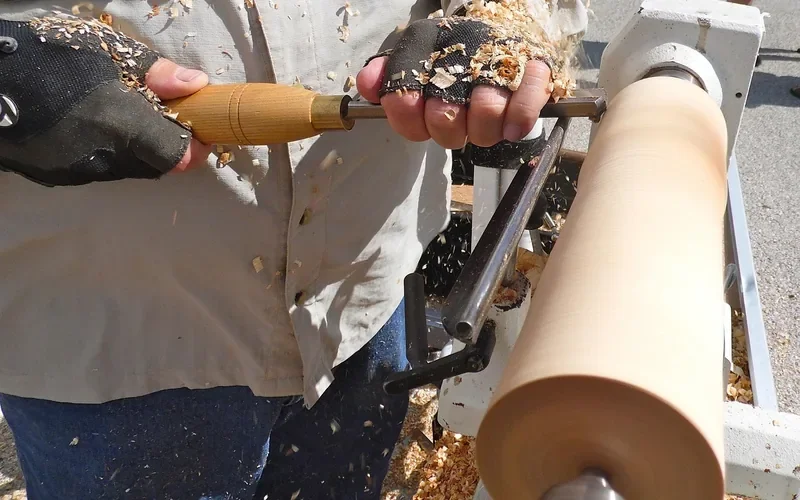
A useful diagnostic clue for the respiratory form: occupational-asthma-pattern symptoms are often worse during active shop time and ease up over a weekend or vacation away from the dust – that pattern is a strong hint the trigger is your shop air, not something else.
What Actually Causes It: Juglone vs Wood Dust
Juglone is a naphthoquinone compound that the living black walnut tree produces in its roots, leaves, and green hull as a natural herbicide against competing plants. It is a documented contact-dermatitis irritant when skin touches the fresh green husk or hulling residue – but that is a different exposure than sanding a dried, milled board in your shop.
For dried walnut lumber, the allergen isn’t one single isolated chemical. Wood-safety references classify black walnut and English walnut as an “irritant, sensitizer” – the reaction comes from fine particulate combined with residual heartwood extractives (tannins and related compounds, of which juglone residue is only one contributor), not from a juglone-specific respiratory pathway. In practical terms: don’t assume avoiding “juglone products” protects you from wood-dust reactions, and don’t assume a walnut-hull skin reaction means you’ll also react to sanding dry lumber – they overlap in source tree but not in mechanism.
Wood Dust Safety Data: What OSHA and NIOSH Say
📊 Wood dust, including walnut, is classified by IARC as a Group 1 human carcinogen, with sufficient evidence linking hardwood dust to cancers of the nasal cavity and sinuses. OSHA’s enforceable exposure limit is 5 mg/m3 (8-hour average); NIOSH recommends a stricter 1 mg/m3. — Source: OSHA Woodworking eTool, Health Hazards: Wood Dust
Sensitized woodworkers have shown demonstrable IgE antibodies and positive skin or patch-test reactions to wood dust in clinical studies, which confirms a genuine allergic mechanism in a subset of exposed workers – not just simple irritation.
Once a worker becomes sensitized to wood dust, OSHA warns that repeated exposure – even at lower concentrations – can bring on severe allergic reactions such as asthma or dermatitis.
Walnut vs Other Wood Allergies
Walnut isn’t unusual among hardwoods – several common shop species carry their own documented irritant or sensitizer classification. Here’s how walnut compares to woods woodworkers ask about most, including how it stacks up against oak, which we cover in more depth here.
| Wood | Classification | Typical Reaction |
|---|---|---|
| Walnut | Irritant, sensitizer | Skin irritation, respiratory sensitization |
| Oak | Irritant | Skin irritation, sinus/respiratory irritation |
| Western Red Cedar | Sensitizer (well-documented occupational asthma cause via plicatic acid) | Occupational asthma, respiratory sensitization |
| Teak | Irritant, sensitizer | Skin irritation, dermatitis |
Western Red Cedar stands out because its sensitizing compound, plicatic acid, is one of the best-studied causes of occupational asthma in the wood industry – if you tolerate walnut poorly, cedar is worth watching too.
When to See a Doctor
Most walnut dust reactions are mild and resolve once you step away from the dust. See a doctor if:
- Wheezing, chest tightness, cough, or shortness of breath appear after shop sessions and follow a pattern of worse-during-the-week, better-on-days-off.
- A stuffy nose, skin reaction, or breathing trouble persists beyond 24 hours after exposure.
- You develop a fever alongside respiratory symptoms.
- You have a pre-existing condition like asthma or COPD and notice new or worsening symptoms tied to woodworking.
Seek emergency care immediately for chest pain or tightness, severe or rapidly worsening shortness of breath, shortness of breath with minimal activity, coughing up blood, facial or throat swelling, or any reaction that isn’t improving after 30–60 minutes in fresh air – these are red flags for a severe reaction, not something to wait out.
Frequently Asked Questions
Can you be allergic to walnut wood if you’re allergic to walnuts as a food?
Not necessarily. A walnut tree-nut food allergy is a reaction to proteins in the nut meat, while a walnut wood allergy is triggered by wood dust particulate and extractives in the lumber. The two conditions are caused by different substances, so having one doesn’t guarantee you’ll have the other, though some people do experience both.
Is walnut wood dust dangerous to breathe long-term?
Yes, repeated exposure carries real risk. IARC classifies all wood dust, including walnut, as a Group 1 human carcinogen linked to nasal and sinus cancers, and OSHA sets an enforceable exposure limit of 5 mg/m3 over an 8-hour shift specifically because of this. Using a NIOSH-approved respirator and dust collection meaningfully reduces this risk.
Can walnut sawdust cause a skin rash?
Yes. Walnut is classified as an irritant and sensitizer, meaning direct contact with its dust or fresh-cut surfaces can cause redness, itching, or a rash in sensitive individuals, similar to the reaction some people get from oak or teak dust.
What’s the difference between walnut wood allergy and walnut pollen allergy?
Walnut pollen allergy is a seasonal, airborne reaction to pollen released by the living tree during bloom, treated like typical hay fever. Walnut wood allergy comes from handling or sanding milled lumber and has nothing to do with pollen season – you can have either one without the other.
Is walnut wood safe to use for cutting boards or furniture?
For most people, yes – once walnut is milled, finished, and sealed, it’s a normal, popular furniture and cutting-board wood with no ongoing dust exposure. The allergy risk applies mainly during cutting, sanding, and machining, not to owning or using finished walnut pieces day to day.
Conclusion
Yes, you can be allergic to walnut wood – but “walnut allergy” actually covers three separate conditions (food, pollen, and wood dust), and only the wood-dust type is a real shop hazard. Wear a NIOSH-approved respirator, run dust collection, and watch for the work-week symptom pattern that points to occupational sensitization. If you want to keep working with walnut and other premium hardwoods safely, good PPE and proper dust management matter more than avoiding the wood altogether.
Sponsored / affiliate links. As an Amazon Associate I earn from qualifying purchases. I may earn additional commission from eligible campaigns.