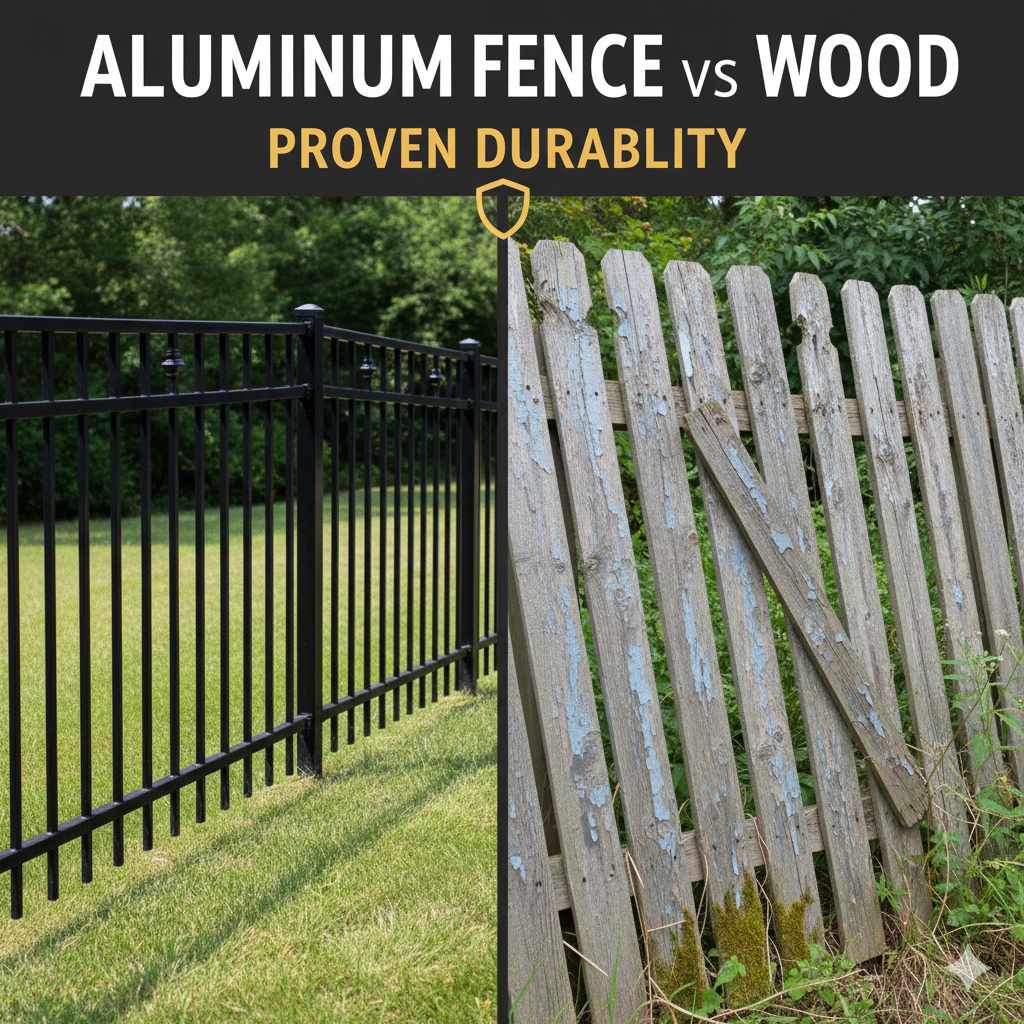
Aluminum Fence vs Wood: Proven Durability
Aluminum Fence vs Wood for Durability: Aluminum Outlasts Wood with Less Maintenance.
Choosing between an aluminum and a wood fence for your home can seem tricky, especially when thinking about how long each will last and how much work it will take to keep it looking good. This guide breaks down the durability of aluminum versus wood fences, helping you make the best choice for your needs. We’ll look at how they stand up to weather, pests, and time, so you can build with confidence.
When it comes to fencing your property, durability is often a top concern. You want something that looks great and lasts for years, without constant repairs or headaches. Many homeowners grapple with the decision between the classic appeal of a wood fence and the modern resilience of an aluminum fence. Both have their charms, but when we talk about “proven durability,” one often shines brighter. Let’s explore what makes each material tick and how they hold up over time. You’ll soon see which option offers the robust, long-lasting solution you’re looking for.
Understanding Fence Durability
Durability in fencing really means how well a fence can withstand the elements and everyday wear and tear. This includes things like rain, sun, wind, snow, insects, and even accidental bumps. A durable fence doesn’t warp, rot, rust, or break easily. It also maintains its appearance with minimal effort. For homeowners, this translates into fewer repair bills, less time spent on upkeep, and a fence that adds lasting value and beauty to their property.
Aluminum Fences: Built to Last
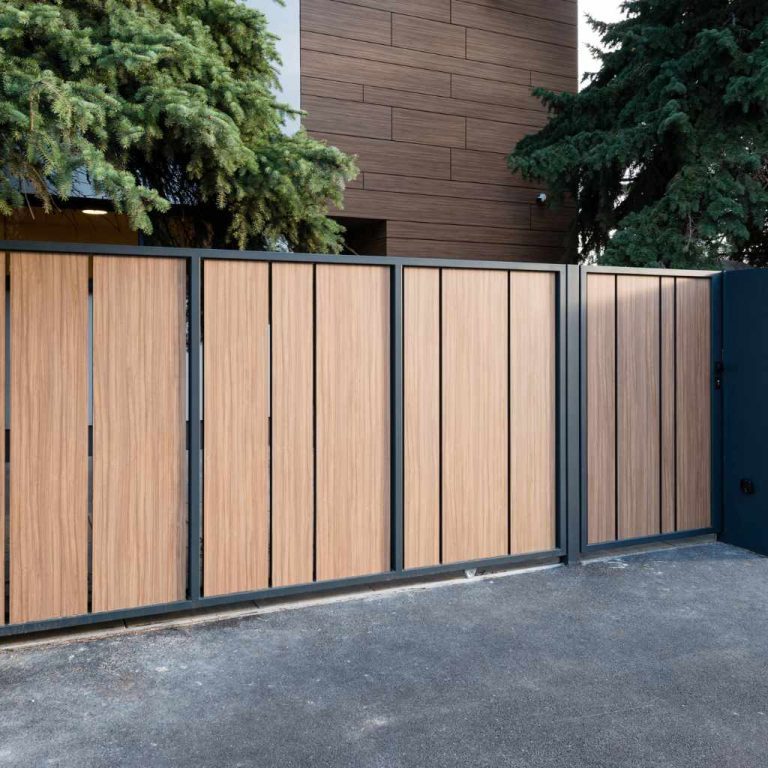
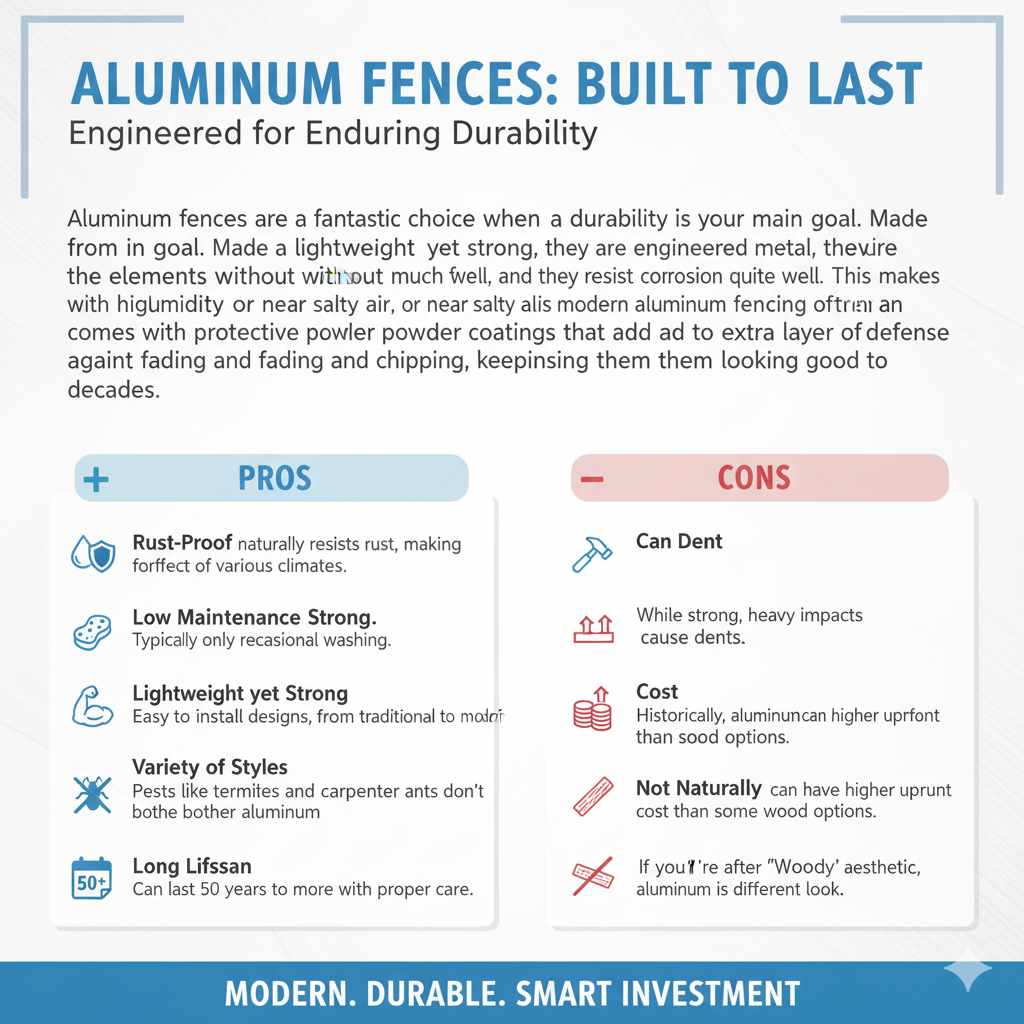
Aluminum fences are a fantastic choice when durability is your main goal. Made from a lightweight yet strong metal, they are engineered to endure the elements without much fuss. They don’t rust like iron or steel, and they resist corrosion quite well. This makes them ideal for areas with high humidity or near salty air. Plus, modern aluminum fencing often comes with protective powder coatings that add an extra layer of defense against fading and chipping, keeping them looking good for decades.
Pros of Aluminum Fences:
- Rust-Proof: Aluminum naturally resists rust, making it perfect for various climates.
- Low Maintenance: Typically only requires occasional washing.
- Lightweight yet Strong: Easy to install and provides good security.
- Variety of Styles: Available in many designs, from traditional to modern.
- Insect Resistant: Pests like termites and carpenter ants don’t bother aluminum.
- Long Lifespan: Can last 50 years or more with proper care.
Cons of Aluminum Fences:
- Can Dent: While strong, heavy impacts can cause dents.
- Cost: Historically, aluminum can have a higher upfront cost than some wood options.
- Not Naturally ‘Woody’: If you’re after a natural wood aesthetic, aluminum is a different look.
Wood Fences: Classic Charm with Caveats
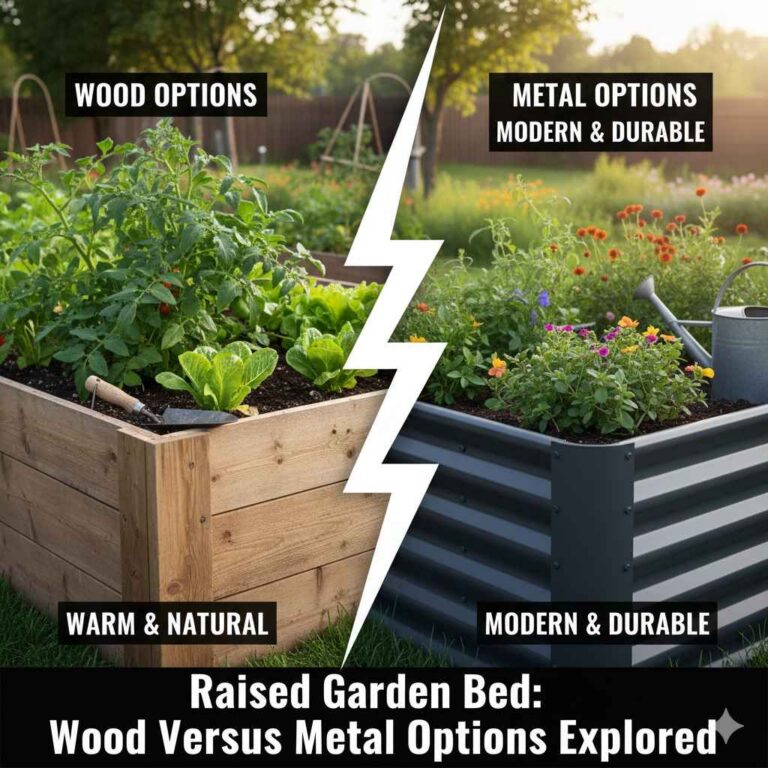
Wood fences offer a timeless, natural beauty that many homeowners adore. They can blend seamlessly into any landscape and provide a warm, inviting feel. However, wood is an organic material, which means it’s more susceptible to the challenges posed by nature. To ensure a wood fence lasts, it requires consistent care and attention. This often involves regular sealing, staining, or painting to protect it from moisture, sun, and pests.
Pros of Wood Fences:
- Aesthetic Appeal: Offers a natural, classic, and warm look.
- Privacy Options: Can be built with solid panels for complete privacy.
- Customizable: Can be painted, stained, or altered more easily.
- Affordable Initial Cost: Often less expensive to purchase and install upfront than aluminum.
Cons of Wood Fences:
- Susceptible to Rot and Decay: Moisture and ground contact are major enemies.
- Termite and Pest Infestation: Wood is a food source for many insects.
- Warping and Cracking: Sun and moisture changes can cause boards to warp or crack.
- High Maintenance: Requires regular sealing, staining, or painting (every 1-3 years).
- Shorter Lifespan: Typically lasts 10-20 years, depending heavily on maintenance and wood type.
Durability Comparison: Head-to-Head
When comparing aluminum and wood fences directly on durability, several factors come into play. It’s not just about how long they can last, but also about how much effort is needed to make them last that long. Think of it like this: a race car might be built for speed but needs constant tuning, while a sturdy truck might be slower but just keeps going with basic maintenance. Let’s break down the key areas where their durability differs.
Weather Resistance
Aluminum: Aluminum fences are excellent at handling the weather. They don’t rot in the rain, warp in humidity, or get damaged by UV rays from the sun. While heavy winds can sometimes stress connections, the material itself remains stable. Even in coastal areas with salty air, aluminum holds up remarkably well against corrosion. The powder coating adds an extra shield, preventing the metal from degrading. For consistent performance in various conditions, aluminum is a clear winner.
Wood: Wood fences are directly impacted by the weather. Rain and humidity can lead to rot and decay, especially at the base of posts that are in contact with the soil. Intense sun can dry out the wood, leading to cracking and splintering. Freezing and thawing cycles can also cause damage. To combat this, wood fences need regular treatments like staining or sealing, which act as a barrier against moisture and UV rays. Without this protection, a wood fence’s lifespan is significantly shortened.
Pest and Insect Resistance
Aluminum: Pests simply have no interest in aluminum. Termites, carpenter ants, and other wood-boring insects cannot feed on or damage metal. This means you never have to worry about an infestation compromising the structural integrity of your aluminum fence. This inherent resistance provides long-term peace of mind.
Wood: Wood is a natural food source for many insects, including termites and carpenter ants. These pests can tunnel through the wood, weakening the fence and eventually causing it to collapse. Fungal rot, often exacerbated by insect activity and moisture, is another major concern. While some wood types are naturally more resistant (like cedar or redwood), they are still not immune and can require chemical treatments or specific installation methods to deter pests.
Maintenance Requirements
Aluminum: This is where aluminum really shines for busy homeowners. Aluminum fences are incredibly low-maintenance. Typically, an occasional wash with soap and water is all that’s needed to keep them looking clean and new. There’s no need for sanding, staining, or painting. This significantly reduces the time and money you’ll spend on upkeep over the years.
Wood: Wood fences demand a considerable amount of maintenance. To keep them in good condition, you’ll likely need to clean them annually, re-stain or re-seal them every 1-3 years, and potentially replace individual boards that have rotted or warped. This ongoing commitment can be time-consuming and costly. Failing to perform this maintenance will drastically reduce the fence’s lifespan and aesthetic appeal. For example, the U.S. Forest Service provides extensive guidance on wood maintenance, highlighting its complexities.
Lifespan and Value
Aluminum: Aluminum fences are known for their longevity. With proper installation and minimal cleaning, they can easily last 50 years or more. This extended lifespan means fewer replacements over your lifetime and a consistent return on your investment. They also contribute to property value by offering a durable, attractive, and low-maintenance boundary.
Wood: The lifespan of a wood fence varies greatly depending on the type of wood used, the local climate, and the level of maintenance provided. A well-maintained fence made from durable wood like cedar or redwood might last 20 years. However, a fence made from lesser-quality wood and subjected to harsh moisture or neglect could only last 10 years or even less. While initially cheaper, the cost of frequent repairs and eventual replacement can add up, potentially making it more expensive in the long run.
Cost Considerations Over Time
While the initial purchase price might be a deciding factor for some, it’s crucial to consider the total cost of ownership over the typical lifespan of each fence type. This includes initial installation, material costs, and ongoing maintenance expenses.
Aluminum Fence: Total Cost of Ownership
- Initial Cost: Generally higher than basic wood fences.
- Installation: Can be more straightforward due to its lighter weight, potentially lowering labor costs.
- Maintenance: Very low. Occasional washing.
- Repairs: Rarely needed beyond fixing minor dents or replacing a damaged panel.
- Lifespan: 50+ years.
Considering its extremely long lifespan and minimal maintenance, aluminum fencing often proves to be more cost-effective in the long run.
Wood Fence: Total Cost of Ownership
- Initial Cost: Typically lower than aluminum, especially for standard pine or fir fences.
- Installation: Can be more labor-intensive.
- Maintenance: High. Annual cleaning, staining/sealing every 1-3 years.
- Repairs: Frequent. Replacing rotted posts, warped boards, dealing with pest damage.
- Lifespan: 10-20 years (highly variable).
While the upfront cost is lower, the cumulative expenses for maintenance and eventual replacement can make wood fencing more costly over its shorter lifespan. However, if you enjoy DIY maintenance and the natural look, the investment might still be worthwhile for you.
Tables: Quick Comparison of Durability
To make it even clearer, let’s put the durability aspects side-by-side in a table. This will give you a quick, visual overview to help you decide.
| Feature | Aluminum Fence | Wood Fence |
|---|---|---|
| Resistance to Rot & Decay | Excellent (Does not rot) | Poor (Prone to rot without treatment) |
| Resistance to Pests (Termites, Ants) | Excellent (Cannot be eaten) | Poor (Vulnerable to infestation) |
| Resistance to Warping & Cracking | Excellent (Stable material) | Fair to Poor (Susceptible to weather changes) |
| UV Resistance (Fading) | Good to Excellent (Powder coating helps) | Fair (Requires regular sealing/staining) |
| Corrosion Resistance (Salt Air) | Excellent | N/A (Metal fences are irrelevant here, but wood can degrade) |
| Typical Lifespan | 50+ Years | 10-20 Years |
| Maintenance Requirement | Very Low (Washing) | High (Cleaning, Staining, Sealing, Repairs) |
Another way to look at it is through the lens of common issues each fence type faces:
| Common Issue | Aluminum Fence Impact | Wood Fence Impact |
|---|---|---|
| Moisture Exposure | Minimal to none. Resists rust and rot. | Major issue. Leads to rot, mold, and warping. |
| Insect Activity | Completely unaffected. | Significant damage from termites, carpenter ants. |
| Sun Exposure (UV Rays) | Powder coating protects against fading. | Causes drying, cracking, and fading without protection. |
| Ground Contact | No degradation. Posts are typically set in concrete. | Direct cause of rot. Requires special treatments or post protection. |
| Impact/Physical Damage | Can dent or scratch; structural integrity usually maintained. | Can break, splinter, or crack. |
Choosing the Right Fence for You
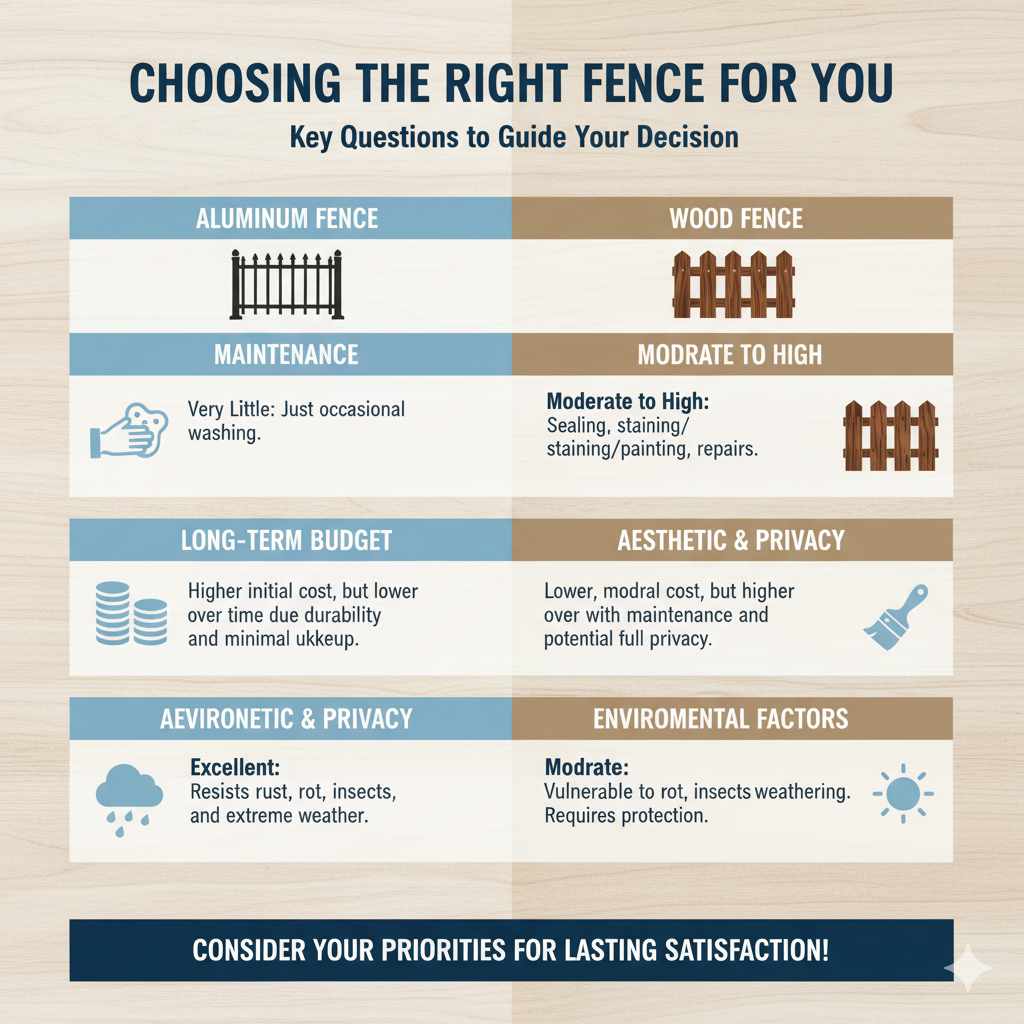
When you’re deciding between aluminum and wood, think about what matters most to you, beyond just the initial look. Ask yourself:
- How much time can I realistically dedicate to maintenance? If your answer is “very little,” aluminum is likely the better choice.
- What is my budget for the long term? While wood is cheaper upfront, aluminum’s longevity and low maintenance can make it more economical over decades.
- What aesthetic am I going for? Wood offers a natural, rustic, or traditional look that aluminum can’t perfectly replicate. However, aluminum offers a sleek, modern, or classic look depending on the design.
- What are the environmental conditions like in my area? High humidity, heavy rain, salty air, or significant pest populations all favor aluminum’s durability.
For pure, proven durability with minimal hassle, aluminum fencing stands out. It’s designed to resist the common enemies of fencing materials – moisture, pests, and time – with remarkable resilience. This makes it a reliable, long-term investment for your home.
Frequently Asked Questions (FAQ)
Q1: Which fence material lasts longer, aluminum or wood?
A: Aluminum fences typically last much longer than wood fences. An aluminum fence can endure 50 years or more with minimal care, while a wood fence usually lasts between 10 to 20 years, heavily depending on maintenance and wood type.
Q2: Is an aluminum fence more durable than a wood fence against weather?
A: Yes, aluminum is significantly more durable against weather. It doesn’t rot, warp, or crack due to moisture or temperature changes, whereas wood is highly susceptible to these conditions if not properly protected.
Q3: Which type of fence is easier to maintain: aluminum or wood?
A: Aluminum fences are far easier to maintain. They require only occasional cleaning. Wood fences, on the other hand, need regular sealing, staining, or painting to protect them from the elements and prevent decay or pest damage.
Q4: Are aluminum fences more expensive than wood fences?
A: Generally, aluminum fences have a higher upfront cost compared to basic wood fences. However, when considering the entire lifespan and the cost of maintenance and replacement, aluminum can be more cost-effective over time.
Q5: Can wood rot if it’s treated?
A: While treatments like pressure treating, sealing, and staining significantly improve a wood fence’s resistance to rot and decay, they don’t make it completely immune. Wood remains a natural material prone to degradation over time, especially in constantly wet conditions or where ground contact is unavoidable.
Q6: What makes aluminum fences so durable?
A: Aluminum’s durability comes from its natural resistance to corrosion and rust. Combined with modern powder coating techniques, it creates a tough, weather-resistant barrier that doesn’t break down easily. It’s also far less appealing to insects and pests than wood.
Q7: If I want a natural look, is wood my only option?
A: Not necessarily. While wood has a natural texture, aluminum fences are made in a wide variety of styles, many designed to mimic traditional wrought iron or even offer finishes that hint at natural textures. Some composite materials also offer a wood-like appearance with enhanced durability, but are a different category from pure aluminum.
Conclusion
When the dust settles and we look at proven durability, aluminum fences stand out as the champion for homeowners seeking a long-lasting, low-maintenance solution. They are resilient against the relentless forces of nature – be it rain, sun, humidity, or pesky insects. While the classic beauty of wood is undeniable, its susceptibility to rot, pests, and weather necessitates ongoing, often costly, maintenance. Aluminum offers peace of mind, a consistent aesthetic, and a commitment to standing strong for generations. By understanding the strengths and weaknesses of each material, you can confidently choose the fence that best suits your home, your lifestyle, and your desire for lasting quality.