Debris Between Steel and Wooden Footers: Why It Causes Rot
Debris trapped between a steel footer and a wood post holds moisture against the wood’s end grain — the exact condition that causes rot and speeds steel corrosion. A standoff post base, not more frequent cleaning, is what actually solves this, by lifting the wood an inch clear of the steel. This guide covers why the gap fills with debris, how to spot early damage, and how to fix it.
Best Fix Pick: Standoff Post Base
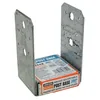 |
Simpson Strong-Tie ABU44Z Adjustable Standoff Post Base – $27.99 Its built-in 1-inch standoff is designed for exactly the failure mode this guide describes — it physically removes the gap where debris and moisture collect against the wood’s end grain.
|
As an Amazon Associate we earn from qualifying purchases.
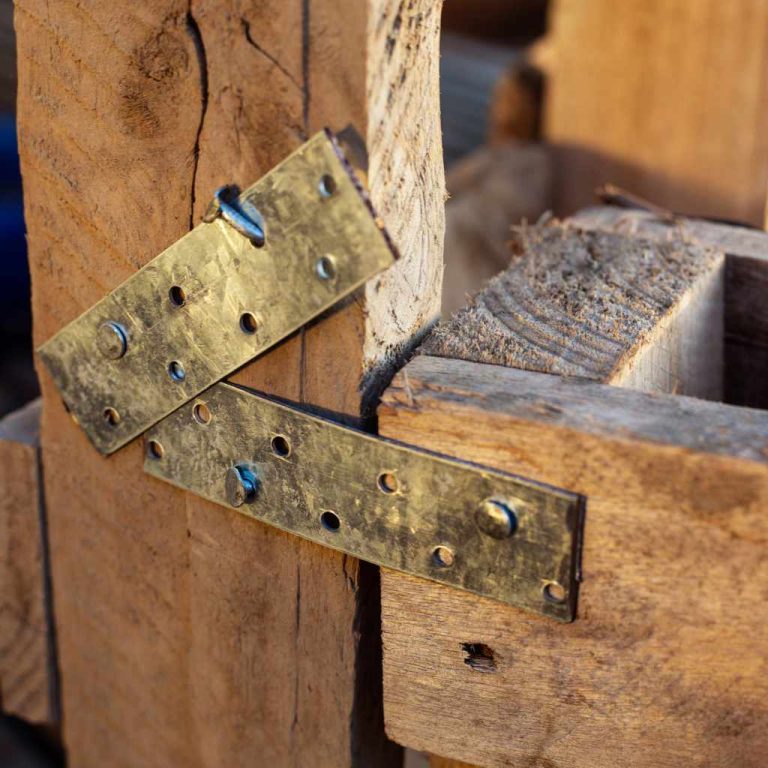
Wherever a wood post sits directly on or against a steel footer, bracket, or plate, a tight seam forms — and tight seams collect what falls near them. Sawdust and nail clippings from the original build, windblown leaves and dirt, and rainwater carrying soil all settle into that gap over time. On an active job site, poor cleanup habits and materials stored too close to the footers make it worse.
The debris itself isn’t the real problem — what it does is hold water against both surfaces long after a normal rain would have dried off. That’s the mechanism that turns a cosmetic nuisance into a structural one.
How Trapped Moisture Causes Rot and Corrosion

Wood decay: end grain absorbs water far faster than a finished face, and wet wood held against a steel plate has no path to dry out between rains. That constant dampness is exactly what wood-decay fungi need to establish, and once decay starts, the wood loses load-bearing strength well before it looks visibly rotten from the outside.
Steel corrosion: steel footers are designed to shed water, not hold it. Debris packed against the base traps moisture at the one spot the steel can’t dry, and that’s where surface rust starts and eventually pits into the metal — reducing the cross-section that’s actually carrying the load.
Pests: termites and carpenter ants are drawn to damp, decaying wood, and a debris-packed footer gap is a sheltered, humid entry point they can work from undetected for months.
How to Spot the Problem Early
- Check the seam between wood and steel every few months, using a flashlight to see into the gap rather than assuming it’s clean
- Look for soft spots, discoloration, or swelling in the wood, and rust spots or flaking paint on the steel
- A moisture meter pressed against the wood near the joint gives an objective reading instead of guessing from appearance alone
- Any shift, crack, or new gap in the footer itself means the damage has already progressed past the early stage
The Real Fix: Standoff Bases and Barriers, Not Just Cleaning
Scheduled cleaning helps, but it treats the symptom — the debris keeps coming back because the tight seam that traps it is still there. The actual fix is to eliminate the seam:
- Retrofit a standoff post base (like the one above) wherever a wood post meets a steel plate or concrete footer directly — the built-in gap keeps debris and water from ever contacting the end grain
- Where a standoff base isn’t practical, install a physical membrane or barrier — a self-adhering flashing tape rated for outdoor use — between the two materials to block moisture transfer
- Grade the surrounding soil and any nearby paving to direct water away from the footer instead of toward it
- On new construction, spec standoff bases from the start rather than retrofitting later — it’s the same hardware for a fraction of the labor
Repairing Existing Damage
Remove all loose debris with a brush or vacuum first — avoid flushing it out with water, which can push moisture further into wood that’s already trapping moisture. Inspect what’s underneath once it’s clear.
- Wood: cut out and replace any section that’s soft, cracked, or visibly rotting — use pressure-treated lumber and corrosion-resistant fasteners, and set it on a standoff base rather than back against bare steel or concrete
- Steel: wire-brush off loose rust, apply a rust converter to stop active corrosion, then finish with a paint rated for metal exposed to weather
- Re-check the repair after the next few rain events to confirm water is actually draining away and not pooling again in the same spot
Cost of Ignoring It
Cleaning out debris and adding a standoff base costs little more than an afternoon and a bracket. Letting it go costs far more: rotted footers and corroded steel plates are structural repairs, not cosmetic ones, and often require replacing the post, the footer, and sometimes the framing it supports. Insurance frequently treats this as a maintenance failure rather than a covered event, which shifts the full repair cost to the property owner.
Maintenance Schedule for Builders and Homeowners
- During construction: ask the contractor directly how footer-to-post connections are protected, and confirm standoff bases are part of the spec before framing starts
- Every 3–6 months: inspect and clear debris from every visible wood-to-steel or wood-to-concrete seam
- After major storms: check footers specifically, since heavy rain and wind deposit the most debris in a single event
- Long term: a protective finish on exposed wood plus a standoff base at every footer connection is the combination that actually prevents this failure, not either one alone
Frequently Asked Questions
The tight seam where a wood post meets a steel footer or plate collects sawdust and nail clippings from construction, windblown leaves and dirt, and soil washed in by rain. Poor site cleanup and materials stored too close to the footer make it worse during active construction.
Debris holds moisture against both surfaces long after they’d otherwise dry out. That constant dampness causes wood decay fungi to establish in the post’s end grain and speeds surface rust into pitting corrosion on the steel — both of which reduce the connection’s load-bearing strength over time.
Does Cleaning the Debris Regularly Solve the Problem?
It helps, but it treats the symptom rather than the cause — the tight seam that traps debris is still there, so it will refill. A standoff post base that physically lifts the wood clear of the steel removes the gap where debris and moisture collect in the first place, which is a more permanent fix than a cleaning schedule alone.
A stiff brush, a shop vacuum, or compressed air clear tight spaces without adding more moisture. Avoid flushing the area with water, since that can drive dirt and moisture deeper into wood that’s already had prolonged contact with damp debris.
Conclusion
Debris between a steel footer and a wood post isn’t just an eyesore — it’s a moisture trap that rots wood and corrodes steel from the one connection your structure depends on. Regular inspection catches it early, but a standoff post base is what actually removes the problem, by eliminating the seam that keeps collecting debris in the first place.
Sponsored / affiliate links. As an Amazon Associate I earn from qualifying purchases. I may earn additional commission from eligible campaigns.